
Food & Wine Around the World – The Ultimate Word Global Guide
Why Food and Wine Matter: Culture, Memory, Emotion, and the Soul of Travel
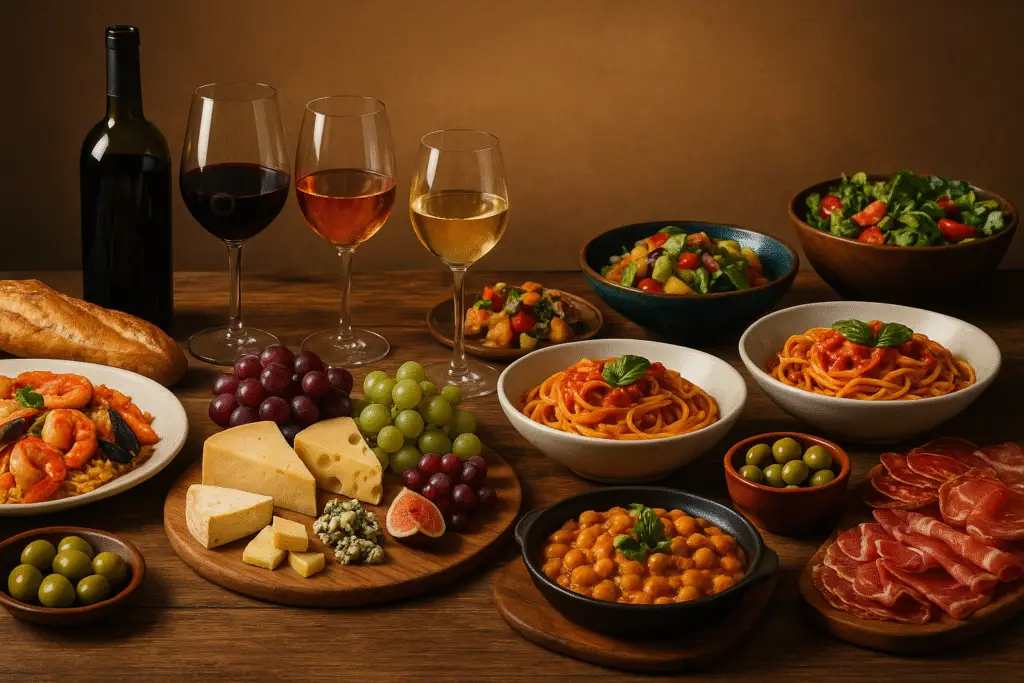
Food & Wine is more than nourishment. It is the story of a country, the soul of a culture, the memory of a family, the rhythm of a landscape, and one of the most meaningful ways to understand the world. Every dish tells a story—of geography, climate, struggle, celebration, migration, creativity, and identity. When travelers taste food, they are not merely eating ingredients; they are discovering centuries of tradition, ancestral techniques, generational knowledge, and flavors shaped by nature and history. Food is emotion. Food is connection. Food is community. And food is one of the most powerful universal languages on Earth.
Wine, in the same way, is a bottled landscape—capturing the sun, soil, wind, altitude, culture, and craftsmanship of a region. A glass of wine carries the character of mountains, valleys, oceans, harvests, and the people who handpick grapes each season. Tasting wine is experiencing the land itself—refined, aged, and shared. Together, food and wine create sensory experiences that transform travel into something personal, memorable, and deeply moving.
Across the world, food and wine traditions vary dramatically. Mediterranean cuisine celebrates olive oil, seafood, fresh produce, and long family meals filled with laughter. Asian cuisine embraces balance, spice, harmony, noodles, rice, and a blend of centuries-old techniques. African cuisine carries the warmth of stews, spices, grains, and community gatherings. South American cuisine blends Indigenous traditions with European influences, creating bold flavors and vibrant dishes. North America’s food scene celebrates diversity and innovation, while Oceania’s cuisine connects land, sea, and indigenous heritage. Wine regions—from France and Italy to South Africa, Chile, California, Australia, and beyond—offer beautiful landscapes and rich flavor journeys that reflect human passion and nature’s generosity.
This global guide explores the world’s food and wine through long, emotional, narrative-driven sections—ideal for your Experiences page and future subpages.
Europe – A Continent of Culinary Heritage, Wine Traditions, and Timeless Flavors
Europe is one of the world’s most diverse culinary landscapes, shaped by thousands of years of history, climate differences, and cultural evolution. Every region has its own identity, ingredients, and rituals.
Mediterranean Europe – Olive Oil, Fresh Produce, Seafood, and the Art of Slow Eating
The Mediterranean diet is world-famous not only for its health benefits but for its celebration of life. In Italy, meals are long, joyful events where pasta, risotto, breads, cheeses, tomatoes, truffles, seafood, and cured meats fill the table. Italy’s regional diversity is extraordinary—Tuscan grain dishes, Neapolitan pizza, Sicilian citrus and seafood, Venetian cicchetti, and Piedmont’s truffles and wines. Italian wine regions such as Tuscany, Piedmont, Veneto, and Sicily produce varietals that reflect centuries of tradition—Chianti, Barolo, Amarone, Nero d’Avola—each with its own personality.
France elevates food to an art form. From buttery pastries and delicate desserts to rustic farmhouse dishes and elegant haute cuisine, French food is rooted in respect for ingredients and technique. Regional specialties tell stories: bouillabaisse in Provence, crêpes in Brittany, cassoulet in the southwest, coq au vin in Burgundy, and cheeses like Camembert, Brie, and Roquefort. France’s wine culture may be the most influential in the world—Bordeaux, Burgundy, Champagne, Loire, Rhône, Alsace. Each region has traditions so deep and refined that tasting wine becomes a cultural journey.
Spain brings passion, energy, and bold flavors to the table. Tapas culture makes meals social and dynamic. Paella, jamón ibérico, tortilla española, seafood from Galicia, Basque pintxos, and Catalan cuisine offer endless variety. Spain’s wines include Rioja, Ribera del Duero, Priorat, Cava, and Sherry—each reflecting the country’s sunny climate and centuries-old winemaking techniques.
Greece combines ancient traditions with fresh, simple ingredients. Olive oil, feta cheese, lamb, seafood, yogurt, honey, herbs, and grilled vegetables shape Greek cuisine. Dishes like moussaka, souvlaki, spanakopita, and Greek salads are vibrant and wholesome. Greek wines—from Santorini’s volcanic whites to Peloponnese reds—carry strong character and unique minerality.
Northern Europe – Comfort Food, Fresh Seafood, and Modern Innovation
Northern Europe’s cuisine celebrates comfort, purity, and natural flavors shaped by cold climates. Scandinavia’s food scene blends ancient techniques like curing and smoking with modern innovations seen in high-end restaurants. Fresh salmon, rye bread, berries, foraged herbs, cured meats, and root vegetables form the foundation. Nordic cuisine values simplicity and nature, creating meals that feel clean, warm, and deeply connected to the land.
The UK and Ireland offer hearty classics—roasts, stews, pies, fresh seafood, cheeses, and world-famous spirits. Modern British cuisine has evolved into a vibrant blend of tradition and global influences.
Eastern Europe – Hearty Flavors, Rustic Traditions, and Generous Hospitality
Eastern European cuisine is shaped by cold winters, agricultural traditions, and Slavic flavors. Hungary’s paprika-rich dishes, Poland’s pierogi, Romania’s sarmale, Czech roasts, and Balkan grilled meats reflect deep-rooted traditions where meals are comforting and communal. Wines from Eastern Europe—such as those from Hungary, Georgia, Romania, Moldova, and Slovenia—are gaining global recognition for their strong identity and ancient production methods.
Europe’s culinary world feels like a journey through time—rich, diverse, elegant, and unforgettable.
Asia – A Continent of Spice, Balance, Tradition, and Culinary Mastery
Asian cuisine is one of the most diverse and influential in the world, shaped by ancient cultures, sacred rituals, and ingredients that have spread across the globe.
East Asia – Harmony, Precision, Umami, and Deep Cultural Roots
Japan’s cuisine emphasizes purity, balance, and visual harmony. Sushi, ramen, tempura, wagyu beef, matcha desserts, yakitori, and seasonal kaiseki meals create a culinary landscape rooted in centuries of refinement. Japanese food respects the ingredient—highlighting natural flavors with precision. Sake, Japan’s signature drink, reflects regional climates, water purity, and rice quality.
China offers extraordinary diversity across its provinces. Sichuan cuisine floods the senses with spice and numbing peppercorns. Cantonese cuisine emphasizes delicate flavors, dim sum, seafood, and barbecue. Northern China celebrates noodles, dumplings, and hearty dishes, while Shanghai blends sweetness and richness. Chinese tea culture is as complex and historical as wine.
Korean cuisine glows with fermentation, spice, and vibrant colors. Kimchi, bibimbap, Korean barbecue, and stews bring warmth and bold flavors. Soju and makgeolli enrich social moments.
Southeast Asia – Street Food, Aromatic Curries, Tropical Ingredients, and Vibrant Experiences
Thailand offers one of the world’s most beloved cuisines—curries, stir-fries, noodles, mango sticky rice, and street food that fills the air with lemongrass, chili, garlic, and coconut aroma. Thai flavors balance sweet, sour, salty, spicy, and umami in perfect harmony.
Vietnamese cuisine is fresh, light, and aromatic—broths simmering for hours, herbs, lime, fish sauce, noodles, and crisp vegetables. Pho, banh mi, spring rolls, and grilled meats testify to Vietnam’s culinary identity.
Malaysia and Singapore combine Malay, Chinese, Indian, and Indonesian influences. Hawker centers in Singapore are legendary—one of the world’s most exciting food environments. Malaysian dishes like laksa, nasi lemak, and rendang carry deep flavor and cultural richness.
Indonesia fuses thousands of islands’ flavors—satay, nasi goreng, sambal, grilled fish, tempeh, and Balinese spice blends tell stories of land and sea.
South Asia – Spice, Tradition, Heat, and Rich Culinary Heritage
India’s food is an explosion of flavor—cumin, turmeric, ginger, chili, coriander, cardamom, clove, coconut, and yogurt. Each region has its own character—North Indian curries, South Indian rice dishes, coastal seafood, Himalayan flavors, and street food that excites every sense. Masala chai, lassi, and regional spirits add warmth.
Asia’s culinary world is vast, sensory, emotional, and deeply rooted in ancestral wisdom.
Africa – Ancient Techniques, Warm Flavors, Community Meals, and Soulful Cuisine
Africa’s cuisines are full of warmth, spice, earthiness, and community. Meals bring families and neighbors together, often served in shared dishes that symbolize unity.
North Africa – Spices, Slow Cooking, Sweet-Savory Harmony
Morocco’s cuisine blends cinnamon, cumin, saffron, preserved lemon, olives, couscous, and tagines simmered with meat, vegetables, and dried fruit. The aroma of spice markets fills the air. Mint tea is a ritual—sweet, fragrant, and symbolic of hospitality.
Tunisia offers harissa, couscous, seafood stews, and olive oil-rich dishes shaped by Mediterranean and Berber heritage.
Egyptian cuisine blends ancient grains, legumes, grilled meats, herbs, and bread baked in traditional ovens. Dishes like koshari, ful medames, and taameya tell ancient stories.
West, East, and Southern Africa – Hearty Meals, Tropical Foods, Grills, and Local Traditions
West Africa celebrates rice, yams, peanut stews, grilled fish, jollof rice, suya skewers, and bold spices. Street vendors grill meats over charcoal, creating mouthwatering aromas.
East African cuisine blends coastal Arabic influence with tropical ingredients—coconut, fish, curries, and fresh fruits.
Southern Africa offers braais (barbecues), game meats, maize dishes, and South Africa’s famous wine regions—Stellenbosch, Franschhoek, Constantia—which blend European techniques with African landscapes.
Africa’s food is soulful, generous, aromatic, and full of history.
North America – Innovation, Diversity, and Culinary Freedom
North America’s food scene reflects global heritage. Immigrants from around the world brought their traditions, creating a culinary landscape that is constantly evolving.
The United States – Fusion, Creativity, and Regional Identity
New York, Los Angeles, New Orleans, Chicago, Miami, and San Francisco each have distinct food cultures—from bagels and pizza to Cajun spice, southern barbecue, Latin fusion, and farm-to-table dining. The country’s wine regions—Napa Valley, Sonoma, Oregon, and Washington—produce world-class reds and whites influenced by California sunshine and Pacific climates.
Canada – Clean Flavors, multicultural cuisine, and Warm Comfort Food
Canadian cuisine mixes Indigenous traditions with French, British, and global influences. Seafood, maple syrup, poutine, game meats, berries, and modern fine dining shape a country known for its clean, honest flavors.
South America – Bold Flavors, Ancient Traditions, and Vibrant Culinary Identity
South America’s food is shaped by mountains, jungles, coastlines, and Indigenous heritage.
Peru – One of the World’s Culinary Capitals
Peruvian cuisine blends Indigenous, Spanish, African, and Asian influences. Ceviche, lomo saltado, causa, anticuchos, and Amazonian ingredients create a vibrant culinary world. Peru’s pisco culture adds elegance.
Brazil, Argentina, Chile, and Beyond
Brazil offers tropical abundance—feijoada, grilled meats, seafood, tropical fruits, and street snacks like pão de queijo. Argentina’s steak and Malbec wines form one of the world’s most iconic food traditions. Chile’s seafood and wines are influenced by the Andes and Pacific Ocean.
South America’s food pulses with color, flavor, and cultural depth.
Oceania – Freshness, Sea Flavors, Indigenous Heritage, and Wine Regions of the New World
Australia and New Zealand offer diverse cuisines shaped by nature, Indigenous ingredients, and multicultural populations.
Seafood, lamb, tropical fruits, native herbs, and fusion dishes define modern Oceania cuisine. Wine regions like Marlborough, Barossa Valley, and Margaret River produce exceptional wines with distinctive character.
The Emotional Experience of Food and Wine – Memory, Joy, Culture, and Human Connection
Food and wine experiences stay with travelers because they engage every sense. The taste of homemade pasta in Italy, the smell of street food in Bangkok, the warmth of Moroccan mint tea, the crunch of fresh bread in France, the spice of Indian curry, the sweetness of South American fruit, the freshness of Japanese sushi, the aroma of African stews—these flavors become memories, stories, and emotions that last forever.
Food is identity.
Wine is culture.
Together, they reveal the world in its most intimate, human, and joyful form.
Travelers may forget landmarks, but they never forget meals.
Related Amazing Bucketlist Articles
- 5 Once-in-a-Lifetime Floating Stays
- Hurawalhi Island Resort
- Top 10 Most Romantic Countries in the World for Couples