
🇦🇷 ARGENTINA TRAVEL GUIDE
A deep, long-form, ultra-expanded country guide with rich storytelling, history, culture, and regional breakdowns.
1. Introduction to Argentina — A Land of Emotion, Wilderness, and Dramatic Diversity
Argentina is a country that resists simple explanations. It is not merely large, not simply beautiful, and not just culturally rich — instead, it is an overwhelming mixture of natural extremes and human emotion that creates a travel experience unlike any other on the South American continent. The country stretches from the humid subtropical jungles of the northeast to the icy windswept shores of Tierra del Fuego, from the fertile plains of the Pampas to the towering heights of the Andes, from the cosmopolitan charm of Buenos Aires to the raw emptiness of Patagonia’s steppe. Every region feels like its own world, shaped by its own history, climate, people, and traditions.
Travelers often come to Argentina with a few famous highlights in mind — tango, wine, Patagonia, Iguazú Falls — but they quickly discover that these represent only the surface of what the country has to offer. Argentina is a nation built on stories: stories of immigration and struggle, of artistic revolutions, of mountain explorers and ranching cowboys, of Indigenous cultures in the north and sailors navigating the end of the world in the south. It is this mixture of dramatic landscapes and intense cultural expression that makes a journey through Argentina feel both deeply adventurous and profoundly human.
What makes Argentina particularly memorable is the way the country blends European heritage with Latin American identity. In Buenos Aires, grand theatres stand beside lively street markets, while French-style palaces share neighborhoods with bohemian bars. In the northwest, Andean traditions, Indigenous languages, and thousands of years of cultural continuity weave together in sun-baked valleys. In Patagonia, the rawness of nature blurs the line between earth and sky, making visitors feel small yet deeply alive.
Argentina is a country that invites long travel days, slow meals, deep conversations, and moments of stillness in breathtaking landscapes. It is a place where visitors can hike among glaciers one day, explore vineyards the next, then watch a tango show or attend a fútbol match surrounded by some of the most passionate fans in the world. It is this enormous range of experiences that allows every traveler to build their own unique version of Argentina and leave with memories that stay forever.
2. The Geography of a Giant: Understanding Argentina’s Regions
Argentina is the second-largest country in South America and the eighth-largest in the world, covering nearly 2.8 million square kilometers. Because of its size, the country doesn’t feel like a single destination but rather a vast collection of landscapes and cultures. Each region has its own climate, geography, architecture, traditional food, festivals, and sometimes even Spanish accents that differ from one another.
Below is a detailed look at Argentina’s major travel regions, which will help you understand the country’s structure and plan a journey that feels logical and immersive.
2.1 Buenos Aires & the Pampas — The Urban Heart and Rural Soul
Buenos Aires is the beating heart of Argentina, a sprawling metropolis filled with theatre, nightlife, cuisine, history, street culture, and artistic expression. Just outside the city lies the Pampas, the wide fertile plains where gaucho culture developed. This region forms the cultural backbone of the nation: the tango was born here, the country’s most successful soccer teams play here, and most political and artistic movements emerge from here.
2.2 The Northeast (Litoral Region) — Jungles, Waterfalls, and Red-Earth Wildlife
The northeastern corner of Argentina is lush, humid, and full of life. This is a land of tropical forests, powerful rivers, rare bird species, capybaras, and one of the world’s greatest natural wonders: Iguazú Falls. Here, the climate, vegetation, and culture feel distinctly different from the rest of the country, influenced by Guaraní traditions and the natural rhythms of the rainforest.
2.3 The Northwest (Salta, Jujuy, Tucumán) — Andean Peaks, Salt Flats, and Ancient Culture
This region shows Argentina’s Indigenous heritage more clearly than anywhere else. Dramatic landscapes include multicolored mountains, ancient trade routes, cactus-filled valleys, red rock canyons, and high-altitude deserts that feel almost Martian. Small villages with adobe houses preserve centuries-old traditions. Food, music, and festivals here are heavily influenced by Andean cultures, creating a completely different travel atmosphere than the European-style south.
2.4 Cuyo Region (Mendoza, San Juan, La Rioja) — Wine, Mountains, and High-Altitude Desert
Cuyo is both the home of Argentina’s famous Malbec and the gateway to the Andes. Mendoza attracts travelers for wine tastings, cycling between vineyards, and indulging in gourmet cuisine paired with mountain scenery. Beyond the vineyards lies Aconcagua, the highest peak in the Western Hemisphere, standing almost 7,000 meters tall. This region is ideal for adventure travelers and wine lovers alike.
2.5 Córdoba Region — Rolling Hills, Colonial Towns, and Lake Districts
Córdoba sits in the geographic center of Argentina and blends outdoor recreation with historical heritage. Its surrounding hills and valleys offer lakes, hiking trails, small European-style towns, and a warmer climate. With a massive student population, Córdoba city has a lively nightlife and vibrant cultural scene.
2.6 Northern Patagonia & Lakes District — Alpine Landscapes, Blue Lakes, and Forested Mountains
This is one of Argentina’s most picturesque regions: turquoise lakes, snow-capped peaks, evergreen forests, small wooden villages, and winding mountain roads. Bariloche is the main hub, offering everything from skiing in winter to kayaking and hiking in summer. The area feels surprisingly similar to Switzerland or southern Germany but with a strong Argentine personality.
2.7 Southern Patagonia — Glaciers, Fjords, Penguins, and the End of the World
Southern Patagonia is one of the last great wilderness frontiers on the planet. Jagged mountains, massive glaciers, windswept plains, and dramatic fjords define this region. Towns like El Calafate, El Chaltén, and Ushuaia are gateways to world-famous trekking routes, wildlife encounters, and some of the most dramatic scenery on Earth.
2.8 Atlantic Coast — Beaches, Whales, and Penguin Colonies
Argentina’s Atlantic coast stretches for thousands of kilometers. It includes lively beach towns, natural protected areas, and places where whales, penguins, sea lions, and elephant seals can be seen up close. The waters may not be as warm as Brazil’s, but the wildlife experiences are exceptional.
3. Buenos Aires — A City of Art, Emotions, and Contrasts
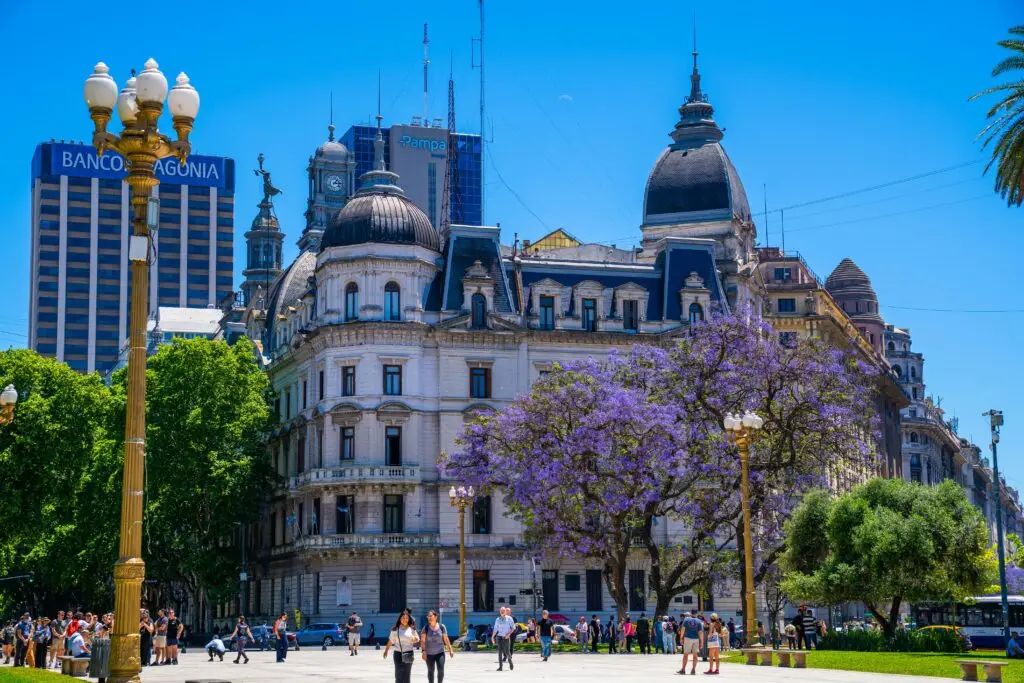
Buenos Aires deserves an entire guide of its own, and many travelers spend more time here than they expect because the city has a magnetic pull. The mix of European elegance and Latin American soul gives Buenos Aires a character unlike any other capital.
The city is divided into dozens of neighborhoods, each with its own personality, rhythm, and architecture. Exploring these barrios is one of the greatest joys of visiting Buenos Aires. They offer everything from leafy avenues and historical mansions to graffiti-filled alleys and bohemian cafés where artists and musicians gather.
3.1 Recoleta — Elegance, History, and Grand Architecture
Recoleta is one of the most refined neighborhoods in the city, known for French-style architecture, luxury boutiques, and leafy parks. This area feels calm, polished, and deeply historical. The highlight is the Recoleta Cemetery, a labyrinth of mausoleums and statues where many of Argentina’s most important figures are buried, including Eva Perón.
Walking through Recoleta feels like strolling through a European capital, yet the atmosphere remains distinctly Argentine thanks to the cafés, bookstores, and cultural centers that fill the area. It is a place to experience the intellectual and artistic side of Buenos Aires.
3.2 Palermo — Creativity, Street Art, Dining, and Nightlife
Palermo is the trendiest and most modern barrio, divided into several micro-neighborhoods such as Palermo Soho and Palermo Hollywood. These areas are full of tree-lined streets, colorful murals, independent boutiques, craft breweries, designer shops, and some of the best restaurants in the country. Palermo is also the beating heart of Buenos Aires’ nightlife, with bars, jazz clubs, dance venues, and rooftop lounges that stay open until sunrise.
During the day, Palermo offers large parks, gardens, lakes, and museums, making it both vibrant and relaxing. It is the perfect base for travelers who enjoy a mix of creativity, food culture, and social atmosphere.
3.3 San Telmo — Tango, Antiques, and Old Buenos Aires
San Telmo is one of the oldest neighborhoods in Buenos Aires, famous for its cobblestone streets, street performers, historic buildings, and bohemian spirit. This barrio is the home of tango heritage, and visitors will often see couples dancing in small squares or musicians playing traditional instruments on street corners.
The San Telmo Sunday Market attracts thousands of visitors with antique stalls, art vendors, handmade crafts, and street food. The neighborhood’s atmosphere is nostalgic and romantic, with a slightly gritty charm that makes it feel authentic and alive.
3.4 La Boca — Color, Art, and Fútbol Passion
La Boca is Buenos Aires’ most photographed area thanks to its bright multicolored houses, artistic street installations, and tango dancers performing outside cafés. The iconic Caminito Street is one of the most striking visual experiences in the city.
La Boca is also the home of Boca Juniors, one of the most famous soccer teams in the world. Attending a match at La Bombonera stadium is an electrifying experience: the noise, passion, and emotion of the fans are unmatched. Visitors should explore this neighborhood during the daytime and stick to the main tourist streets.
3.5 Puerto Madero — Modern Waterfront and Urban Luxury
Puerto Madero is Buenos Aires’ newest neighborhood, featuring glass skyscrapers, luxurious restaurants, corporate towers, and modern apartments along a waterfront promenade. It feels like a different city entirely, with wide boardwalks, upscale dining, and a more international vibe.
Nearby, the Costanera Sur Ecological Reserve provides a peaceful escape with walking trails, wildlife, and river views. It’s a perfect place to relax after exploring the busy city center.
3.6 MUST-SEE Highlights in Buenos Aires
Here is a detailed list of the essential attractions, expanded for long-form content:
• Plaza de Mayo — The political heart of Argentina, surrounded by historic buildings including Casa Rosada, the Government Palace
• Teatro Colón — Considered one of the world’s greatest opera houses, offering guided tours and performances
• Recoleta Cemetery — A monumental labyrinth of sculptures, mausoleums, and artistic tombs
• La Boca’s Caminito — Colorful houses, street artists, dancers, vibrant culture
• Palermo Parks — Japanese Garden, Rose Garden, Botanical Garden
• MALBA Museum — Modern Latin American art
• Café Tortoni — Historical café where writers and artists gathered
• San Telmo Market — Food halls, antiques, vintage finds
• El Ateneo Grand Splendid — A former theatre turned into one of the world’s most beautiful bookstores
Buenos Aires is a city that rewards slow travel. Every park bench, café terrace, or hidden alley has a story waiting.
3.7 Cultural Experiences Not to Miss
Tango
Watching a tango performance is not enough — visitors should also attend a milonga, the local social dance nights where Argentines meet to dance. These events reveal the emotional depth and social elegance of tango, far beyond the choreographed shows.
Fútbol
Argentina’s soccer culture is intense and emotional. Attending a match, especially a derby between Boca Juniors and River Plate, is an unforgettable experience. Even if you don’t attend a match, you will feel the passion everywhere — murals, banners, chants, and conversations.
Gastronomy
Trying an asado (barbecue) is essential. Argentine beef is world-famous, and the social tradition behind grilling makes it more than a meal.
Mate Ritual
Mate is a social drink made from yerba mate leaves. Sharing a cup is a symbol of friendship and trust. It is bitter, energizing, and deeply cultural.
Ultra-expanded, long-form edition with deep cultural, historical, and regional exploration.
4. Iguazú Falls & The Northeast — Jungles, Rainfall, Wildlife, and Powerful Water
The northeast of Argentina feels like stepping into an entirely different world compared to the cosmopolitan rhythm of Buenos Aires or the cool mountain air of Patagonia. Here, the landscape becomes humid, green, and overwhelmingly alive. The air is warm and heavy with moisture, the ground is deep red due to its iron-rich soil, and every corner of the jungle seems to echo with sounds — insects humming, waterfalls rumbling, birds singing, monkeys calling from high in the canopy. This region is referred to as the Litoral, and it forms the country’s tropical frontier.
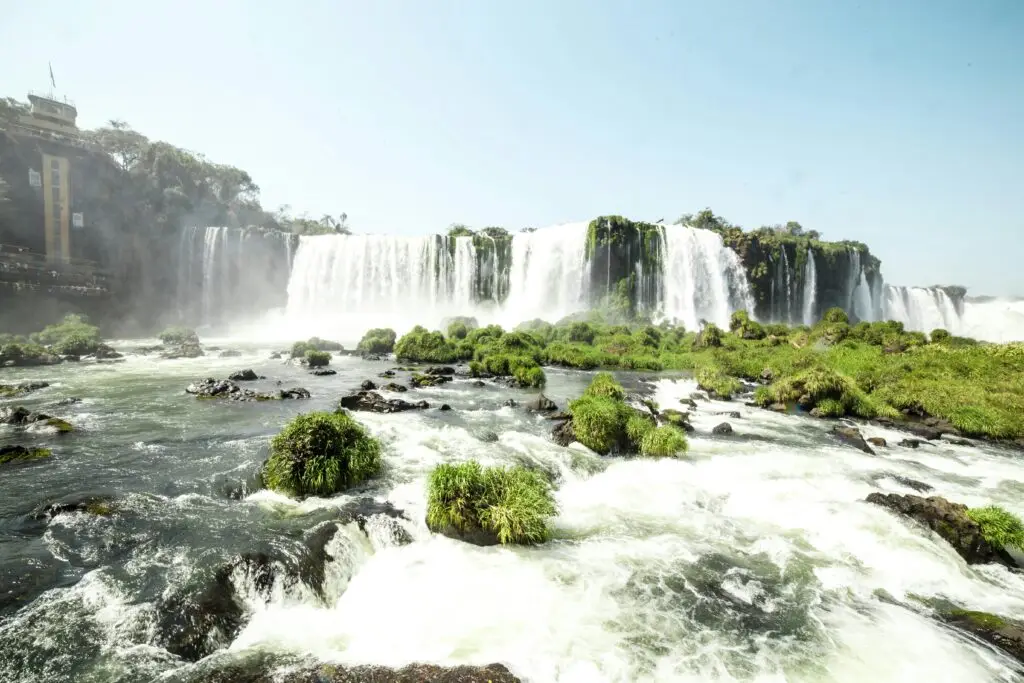
At the heart of this area lies Iguazú Falls, a natural wonder so immense and so dramatic that even the most experienced travelers are left speechless. Iguazú is not one waterfall but an enormous system of 275 individual falls stretching almost three kilometers across. The sound alone is enough to make you stop walking. As you approach, the roar becomes stronger, the mist becomes visible, and suddenly the jungle opens into a panorama of white water crashing over cliffs surrounded by lush vegetation.
The Argentine side of Iguazú gives visitors the closest and most immersive experience. Long elevated walkways weave through the jungle and over rivers, guiding you through different angles of the waterfalls. The most famous viewpoint is Garganta del Diablo, or Devil’s Throat, a massive horseshoe-shaped abyss where millions of liters of water plunge into a misty void. Standing there is overwhelming, almost surreal, as water thunders beneath your feet and clouds of spray rise around you.
Beyond the waterfalls, the region is home to a wide range of wildlife. You may encounter coatis walking along the pathways, colorful toucans flying between branches, or howler monkeys creating deep, echoing calls that resonate through the forest. The jungle feels ancient, untouched, and full of life. The trails vary from mist-filled boardwalks to quiet shaded paths where butterflies gather in the sunlight.
Visitors who want to explore beyond Iguazú will find cultural and historical treasures. The Jesuit Missions of San Ignacio Miní provide a glimpse into early colonial history and Indigenous resistance. The Esteros del Iberá wetlands offer one of the best wildlife experiences in Argentina, with capybaras, caimans, marsh deer, and hundreds of bird species living peacefully in a protected ecosystem.
This region is humid, lush, and vibrant, offering an unforgettable contrast to the drier landscapes and colder climates found elsewhere in Argentina.
5. Northwest Argentina — A World of Desert Valleys, High Andes, and Indigenous Heritage
Northwest Argentina feels like the soul of the country’s ancient past. The landscape is shaped by Andean forces: colorful mountains that look painted, ravines carved by wind and water, towering cacti dotting the desert, and salt flats that shine under the intense sun. This region is often overlooked by travelers focused on Patagonia or Buenos Aires, yet it offers some of the most unique and culturally rich experiences in South America.
5.1 Salta — Colonial Beauty Surrounded by Mountains
Salta, known affectionately as La Linda (The Beautiful), is one of the best-preserved colonial cities in Argentina. Its central square is framed by historical buildings painted in warm tones, with arcaded walkways that make it feel timeless and elegant. Museums here are particularly valuable. The MAAM Museum (Museum of High Altitude Archaeology) houses the famous Inca child mummies known as the “Children of Llullaillaco,” discovered at extremely high altitude and preserved by the cold dry air for centuries.
Outside the city, hills rise steeply, and a cable car brings visitors up to Cerro San Bernardo for panoramic views of the valley. The city itself serves as a gateway to a network of scenic roads leading through deserts, vineyards, and high-altitude plains.
5.2 Cafayate — Wine in the Desert
Cafayate is a small town surrounded by vineyards in a high-altitude desert environment. It is famous for its Torrontés white wine, which has a crisp, floral aroma and pairs perfectly with the region’s dry climate and strong sunlight. The wineries here are peaceful, laid-back, and often surrounded by mountains that shift color depending on the time of day.
One of the most stunning drives in Argentina is the route through Quebrada de las Conchas, where erosion has carved natural formations such as the Amphitheater and the Devil’s Throat. The rock walls echo with sound, and the colors range from deep reds to warm oranges, creating a landscape that feels otherworldly.
5.3 Quebrada de Humahuaca — UNESCO Valley of Colors
Further north lies the Quebrada de Humahuaca, a long valley recognized by UNESCO for its cultural and geological heritage. Indigenous traditions are still deeply alive here. Villages such as Purmamarca, Tilcara, and Humahuaca offer adobe houses, local handicrafts, and markets selling traditional textiles, ceramics, and musical instruments.
The valley’s star attractions are its multi-colored mountains. The Cerro de los Siete Colores (Seven Colored Hill) in Purmamarca displays vibrant layers of minerals that form striking horizontal stripes. Even more dramatic is the Hornocal, also known as the 14-Color Mountain, which forms a jagged triangular pattern that looks almost too perfect to be natural.
5.4 Salinas Grandes — A Dazzling Sea of Salt
Reaching the Salinas Grandes salt flats requires crossing high mountain passes, but the reward is immense. The salt flats stretch for kilometers in every direction, creating a dazzling white landscape that reflects the sun like snow. Under the right conditions, water creates mirror-like reflections, giving photographers dreamlike opportunities.
The salt flats are peaceful and silent, offering a sense of stillness that contrasts sharply with the rocky passes and bustling markets you encounter on the way there.
6. Cuyo Region — Wine, Andean Peaks, and Wide-Open Skies
The Cuyo region blends Argentine passion with natural grandeur. This is the land of sunshine, vineyards, and towering peaks. It is also one of the best regions for road trips because long scenic highways pass through deserts, mountains, and valleys with very little traffic.
6.1 Mendoza — Home of Malbec and Vineyard Culture
Mendoza is Argentina’s most iconic wine region, producing world-renowned Malbec as well as Cabernet Sauvignon, Syrah, and Torrontés. The region’s climate — dry, sunny, and sheltered by the Andes — makes it ideal for producing full-bodied wines.
Wine tasting here can be an all-day experience. Some visitors rent bikes to move from one vineyard to the next, stopping for tastings and enjoying long, leisurely lunches paired with wine. Others choose private tours that focus on boutique wineries, where winemakers explain the aging process and offer limited-edition samples.
The surrounding mountains create stunning views, especially in the Uco Valley, where vineyards sit at high altitudes with snow-covered peaks as a backdrop. Adventure lovers can go horseback riding, rafting, or mountain biking, making Mendoza a perfect combination of gastronomy and outdoor recreation.
6.2 Aconcagua — The Highest Peak Outside the Himalayas
Mount Aconcagua, standing at 6,962 meters, dominates the skyline near the border with Chile. It is the tallest mountain in the Western Hemisphere and one of the Seven Summits. While climbing it requires experience and endurance, casual travelers can still admire it from viewpoints inside Aconcagua Provincial Park.
The surrounding landscapes are made up of rugged rock formations, turquoise rivers, and high-altitude trails. During summer, the valley fills with trekkers heading to base camps, adding a sense of adventure to the quiet mountain air.
6.3 San Juan & La Rioja — Moon-like Landscapes and Geological Wonders
To the north of Mendoza, the provinces of San Juan and La Rioja offer geological parks that look like natural sculptures. Talampaya National Park is known for its towering red sandstone walls that rise dramatically above the desert floor, creating narrow canyons with unique formations carved by wind and erosion over millions of years.
Nearby, Ischigualasto Provincial Park, also called Valle de la Luna (Valley of the Moon), showcases pale rock formations and fossil beds that reveal the region’s ancient history. Walking through these landscapes feels like exploring another planet, especially when the afternoon sun enhances the colors and shadows.
7. Córdoba & The Sierras — Colonial Towns and Natural Escapes
The Córdoba region offers a blend of nature, culture, and history. It is one of the most versatile regions of Argentina, with a climate that supports outdoor activities all year round.
7.1 Córdoba City — Heritage and Youthful Culture
Córdoba city is a mix of colonial buildings and modern energy. The Jesuit Block, a UNESCO site, includes old missions, churches, and the oldest university in Argentina. These locations reveal the deep historical roots of the region.
At the same time, Córdoba’s large student population creates a lively atmosphere. Cafés, bookstores, nightclubs, and cultural centers fill the downtown area, making it both intellectual and youthful.
7.2 The Sierras — Rolling Hills, Lakes, and Outdoor Adventure
The Sierras de Córdoba are made up of low mountain ranges and wide-open spaces with rivers and lakes. Popular valleys include:
- Valle de Punilla
- Calamuchita Valley
- Traslasierra
These areas offer hiking trails, swimming spots, small villages, and panoramic viewpoints.
7.3 Villa General Belgrano & La Cumbrecita — Alpine Architecture in Argentina
Villa General Belgrano was founded by German immigrants and features chalets, beer halls, and a famous Oktoberfest celebration. Nearby La Cumbrecita is a pedestrian-only alpine village surrounded by forests and waterfalls. Both towns have a peaceful, charming atmosphere that feels different from the rest of Argentina.
8. Northern Patagonia & The Lakes District — Alpine Beauty Beyond Imagination
Northern Patagonia is one of the most scenic regions in all of South America. It offers clear lakes, deep forests, glaciers, rivers, snow-capped peaks, and panoramic viewpoints. The air here feels fresh and pure, and the landscapes change with every season.
8.1 Bariloche — Argentina’s Mountain Playground
Bariloche sits on the shores of Lake Nahuel Huapi, surrounded by forests and mountains. Its architecture shows Swiss and German influences, and its chocolate shops have become famous throughout the country.
In winter, Bariloche is a major ski destination. In summer, it becomes a paradise for hikers, kayakers, cyclists, and nature lovers. Cable cars and chairlifts bring visitors to mountaintops like Cerro Catedral and Cerro Campanario, where views stretch far into the distance.
8.2 Villa La Angostura — Fairytale Forests and Wooden Houses
Villa La Angostura is quieter and more intimate than Bariloche. Wooden cabins, lakeside viewpoints, and peaceful beaches create an atmosphere that feels both romantic and natural. It is a popular destination for honeymooners, families, and anyone seeking a slower pace.
8.3 Seven Lakes Route — One of Argentina’s Most Beautiful Drives
The Ruta de los 7 Lagos is a scenic road that connects Villa La Angostura and San Martín de los Andes. It runs along crystalline lakes, through pine forests, and past snow-capped mountains. The route offers countless stopping points for photography, picnics, and short walks. It is especially beautiful in autumn when the forests turn shades of orange and gold.
Full deep-dive into Southern Patagonia, Ushuaia, wildlife, culture, food, itineraries, and practical travel information.
9. Southern Patagonia — Glaciers, Winds, Immense Silence, and the Edge of the World
Southern Patagonia feels like another planet. Here, nature rules absolutely. The wind shapes the land, the mountains pierce the sky, and glaciers stretch toward distant horizons. The open steppe seems endless, with golden grasses flowing in waves beneath dramatic cloud formations. Travelers often describe Patagonia as the most humbling place they have ever visited because the scale is overwhelming. Everything is wide, silent, and elemental.
This region is split into two distinct environments. On the east side lies the Patagonian steppe, dry and windy with vast open spaces where guanacos roam and condors circle overhead. On the west side, near the Andes, you enter a world of rugged peaks, turquoise lakes, and massive glaciers that crack and shift with deep echoes. Southern Patagonia is a place of extremes — not only in landscape but in the feelings it evokes. It is a place where travelers reflect, slow down, and surrender to the immensity of nature.
9.1 El Calafate — Gateway to the Glaciers
El Calafate is Patagonia’s main access point to the Southern Patagonian Ice Field, the world’s second-largest reservoir of fresh water. While the town itself is charming and relaxing, with wooden cabins, restaurants, and lakeside views, the real reason people come here is to experience the legendary Perito Moreno Glacier.
Perito Moreno Glacier — A Living, Moving Giant
Perito Moreno is one of the most famous glaciers on Earth because of its size, beauty, and accessibility. It stretches for 30 kilometers and rises 70 meters above the water’s surface, but what makes it unique is its constant movement. Massive chunks of ice regularly break off with explosions that echo through the valley.
Visitors can explore Perito Moreno in several ways. Boardwalks along the viewpoint area allow for incomparable views, giving the impression that the glacier is almost within reach. Glacier trekking excursions allow travelers to walk on the ice itself, stepping over deep blue crevasses and drinking fresh, pure glacial water. Boat tours offer a perspective from the water, enhancing the sense of scale as you pass by towering ice walls.
Perito Moreno is alive. The sound of cracking ice, the deep blue colors hidden in the shadows, and the vastness of the ice field behind it create a lasting impression. Many travelers say this glacier alone justifies their journey to Argentina.
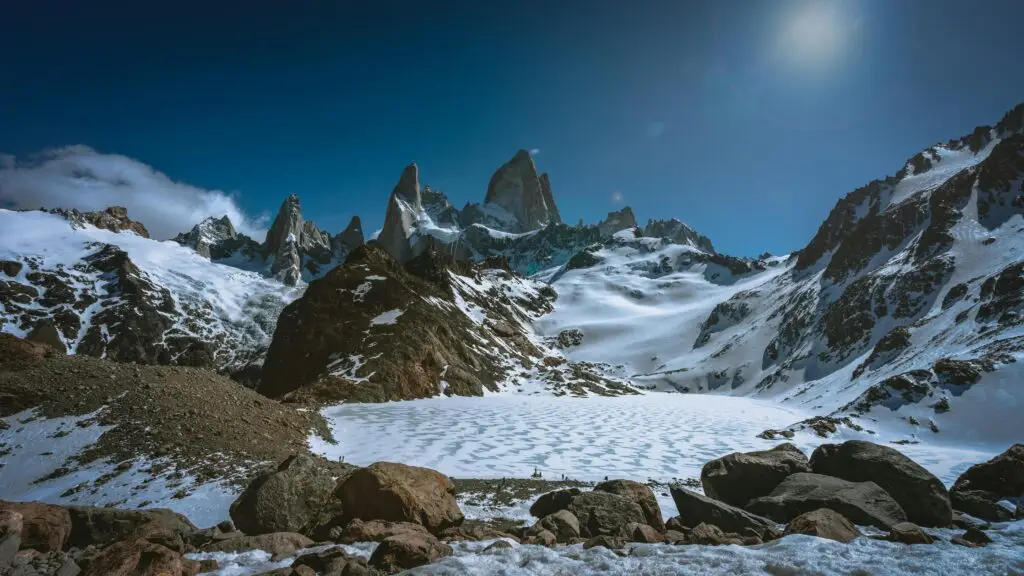
9.2 El Chaltén — Argentina’s Trekking Capital and Home of Mount Fitz Roy
El Chaltén is a small mountain village surrounded by some of the world’s most dramatic peaks, including the iconic Mount Fitz Roy, whose sharp granite spires rise aggressively into the sky. The village was founded in 1985 to establish Argentine presence in the remote area, but today it is known as the country’s trekking paradise.
Hiking in El Chaltén
El Chaltén’s hiking trails begin directly from town, making it incredibly convenient to explore the mountains without needing transportation. The trails are well-marked, free to access, and suitable for both beginners and experts.
The most famous hike is Laguna de los Tres, which leads to Fitz Roy’s most iconic viewpoint. The trail passes through forests, open valleys, and rocky slopes before reaching a glacial lake where the towering mountain stands with overwhelming majesty. This view has become one of Argentina’s most recognizable images.
Another popular route is Laguna Torre, offering stunning views of Cerro Torre, one of the world’s most technically challenging climbing peaks. The river valley, floating icebergs, and jagged skyline make this an unforgettable trek.
El Chaltén embodies the spirit of Patagonia — quiet, simple, and surrounded by nature at its most raw and powerful.
9.3 Tierra del Fuego — The Mystical Archipelago at the End of the Continent
South of Patagonia lies Tierra del Fuego, a land of fjords, forests, peat bogs, and rugged coastlines. It is a place where the Andes sink into the sea, where harsh winds shape the trees, and where the landscape feels mysterious and ancient.
Ushuaia — The Southernmost City in the World
Ushuaia, often called Fin del Mundo (the End of the World), is the world’s southernmost city and a gateway to Antarctic expeditions. The city is surrounded by snow-capped mountains and sits along the Beagle Channel, creating dramatic views at every turn.
Travelers come here for its unique position, but they stay for the diverse experiences:
- Cruises along the Beagle Channel
- Penguin colonies on Isla Martillo
- Hiking in Tierra del Fuego National Park
- Maritime history museums
- End of the World Train routes
- Gourmet seafood restaurants
Tierra del Fuego National Park
This park features forests, lakes, peat bogs, and coastal cliffs. Hiking trails lead to viewpoints overlooking the channel, with quiet beaches where the water meets forests in a rare combination. The southern climate gives everything a rugged, windswept appearance, making the park feel like a place untouched by time.
Beagle Channel Cruise
Boat tours along the channel reveal colonies of sea lions, imperial cormorants, and the iconic Les Eclaireurs Lighthouse. On calm days, the surrounding mountains reflect on the water’s surface, creating images of serene beauty despite the harsh environment.
Antarctica Departures
More than 90 percent of tourist cruises to Antarctica depart from Ushuaia. Travelers heading to the frozen continent often spend several days in the city beforehand, giving it an international atmosphere filled with adventurers, scientists, and wildlife photographers preparing for their journey south.
10. The Atlantic Coast — Wildlife, Penguins, and Ocean Landscapes
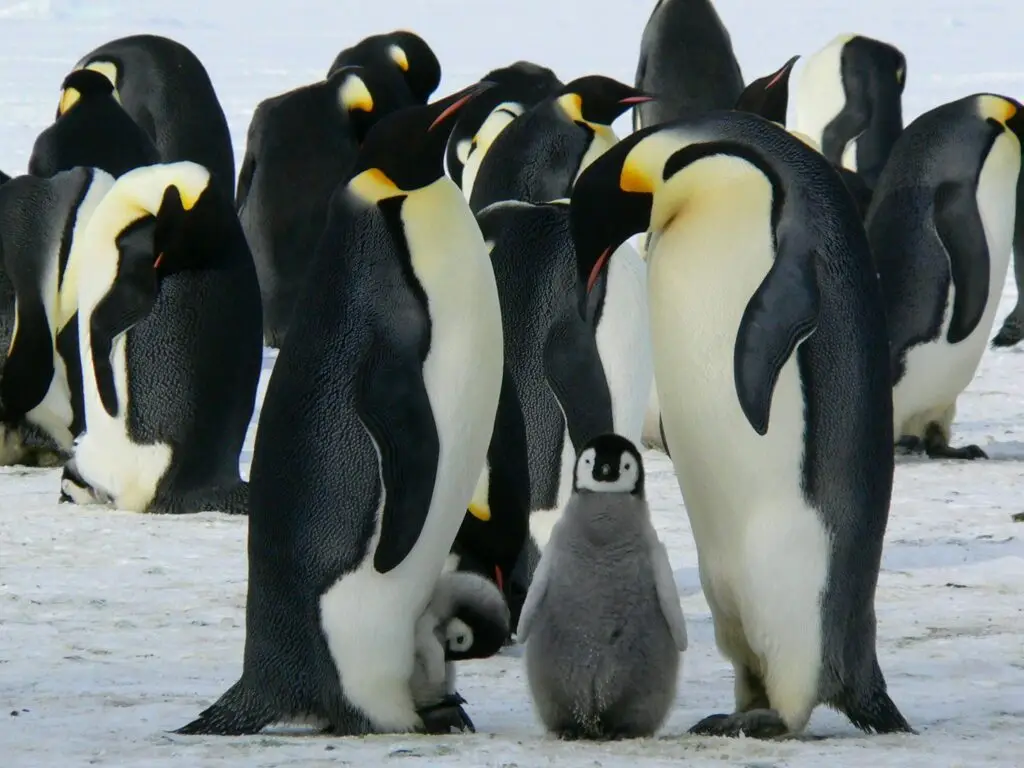
Argentina’s Atlantic coastline is long, diverse, and full of surprises. It may not have the tropical beaches of Brazil or the Caribbean, but it offers some of the best wildlife viewing opportunities in South America.
10.1 Peninsula Valdés — A UNESCO Wildlife Sanctuary
Peninsula Valdés is a protected area known for its extraordinary concentration of marine life. The peninsula acts as a natural refuge, attracting species that come here to mate, feed, or raise their young.
The highlight is the Southern Right Whale, which arrives in winter and stays until early summer. The calm waters of Golfo Nuevo and Golfo San José create perfect breeding conditions. Whale-watching boats leave from Puerto Pirámides, and encounters can be breathtakingly close.
Peninsula Valdés is also home to:
- Magellanic penguin colonies
- Elephant seals
- Sea lions
- Orcas that hunt on beaches (rare but world-famous behavior)
- Armadillos and guanacos on land
This region is a paradise for nature lovers, wildlife photographers, and families.
10.2 Puerto Madryn
Puerto Madryn is the main hub for exploring Peninsula Valdés. The city offers beaches, diving tours, and excellent opportunities for watching dolphins and whales from shore during peak season. It is also a center for marine biology research.
10.3 Other Atlantic Coast Regions
Further north, the sandy beaches of Las Grutas offer surprisingly warm water for Argentina, while Mar del Plata is the country’s most traditional coastal resort, known for its nightlife, boardwalks, and seafood.
11. Food & Cuisine — Eating in Argentina Is an Experience, Not Just a Meal
Argentina’s cuisine reflects its cultural diversity. Italian, Spanish, Indigenous, and gaucho traditions blend to form a culinary landscape that is comforting, flavorful, and deeply social. Meals often last for hours, filled with conversation and shared rituals.
11.1 Asado — The Heart of Argentine Food
The Argentine barbecue, or asado, is more than grilling — it is a ceremony. Families gather around a parrilla (grill), cooking different cuts of beef, sausages, ribs, and offal. The process is slow, deliberate, and communal. Eating asado is an essential part of understanding local culture.
11.2 Empanadas
Empanadas vary by region. In the northwest, they are filled with spiced meat and sometimes potatoes. In Tucumán, baked empanadas are famous enough to have their own festival. In Buenos Aires, cheese and ham empanadas dominate. Trying empanadas from different regions is like tasting Argentina’s cultural map.
11.3 Milanesa
A breaded cutlet dish brought by Italian immigrants. Milanesa is crispy, simple, and beloved across the country. Variations include Milanesa Napolitana topped with cheese and tomato sauce.
11.4 Dulce de Leche & Pastries
No Argentine breakfast is complete without medialunas (sweet croissants) and dulce de leche. This caramel-like spread appears in cakes, cookies, pastries, and desserts everywhere.
11.5 Argentine Wine Culture
Wine is inseparable from Argentine identity. Malbec is the star, with deep red color and smooth flavors, but the country also produces excellent Torrontés, Cabernet Sauvignon, and red blends. Wine accompanies social events, meals, and celebrations.
11.6 Mate — The Drink of Friendship
Mate is a caffeine-rich drink made from the leaves of the yerba mate plant. But what makes mate special is the way it is shared. One person, the cebador, prepares the drink and passes it around the group. It symbolizes community, trust, and connection.
12. Wildlife & Nature — One of the Most Diverse Ecosystems in the World
Argentina’s size allows for a wide variety of ecosystems, from tropical jungles to subpolar forests. Wildlife enthusiasts can encounter hundreds of species across the country.
12.1 Key Animals to Spot
- Penguins (Magellanic, Gentoo, King)
- Whales (Southern Right, Orcas, Humpbacks)
- Pumas and foxes in Patagonia
- Jaguars and tapirs in the northeast
- Condors soaring above the Andes
- Capybaras and caimans in wetlands
- Flamingos in high-altitude lakes
Argentina is one of the world’s greatest countries for wildlife viewing, offering authentic natural habitats rather than theme-park-style experiences.
13. Transportation — How to Travel Across a Giant Country
Domestic Flights
Due to the distances involved, flights are essential for most travelers. Routes are frequent between Buenos Aires and major regions like Mendoza, Bariloche, Iguazú, Ushuaia, and El Calafate.
Long-Distance Buses
Buses in Argentina are comfortable, with reclining seats, meals, and overnight service. They are a budget-friendly way to travel slower and see more of the countryside.
Car Rental
Ideal for the northwest, wine regions, and Patagonia. Roads vary from smooth highways to dirt tracks but offer freedom that buses cannot.
14. Best Time to Visit — Seasons Across a 3,700 km Country
Argentina’s length creates major climate differences.
Patagonia
Best from October to April when the weather is mild.
Buenos Aires
Pleasant in spring and autumn, warm in summer.
Iguazú Falls
Hot year-round, with summer rains adding volume to the waterfalls.
Mendoza
Ideal during the autumn harvest season (March–May).
Northwest
Perfect from April to November when skies are clear and temperatures mild.
15. Suggested Itineraries — Build Your Dream Argentina Trip
7-Day Highlights Tour
- 3 days in Buenos Aires
- 2 days in Iguazú Falls
- 2 days in El Calafate
14-Day Classic Argentina
- Buenos Aires
- Mendoza wine region
- Bariloche
- El Calafate and Perito Moreno
3-Week Ultimate Journey
- Buenos Aires
- Iguazú Falls
- Northwest region
- Mendoza
- Bariloche
- El Chaltén
- Ushuaia
16. Why Argentina Is a Once-in-a-Lifetime Destination
Argentina embodies contrast. It is a country of enormous landscapes and deeply emotional culture. It mixes elegance with wildness, history with modernity, European influences with Indigenous roots. No two regions look or feel the same. Travelers who have explored the world often say Argentina leaves a unique mark — the kind that stays in memory forever.
A journey here is not just about seeing places. It is about feeling them. The roar of Iguazú, the silence of Patagonia, the rhythm of tango, the taste of Malbec, the warmth of sharing mate with locals — these moments are what make Argentina truly unforgettable.
 Related Articles
- Kakslauttanen Arctic Resort
- Top 10 Most Unique Places to Stay in Europe
- 10 Incredible Castles Around the World