
🇨🇷 Costa Rica Travel Guide
Land of Volcanoes, Cloud Forests, Two Oceans & Pure Life
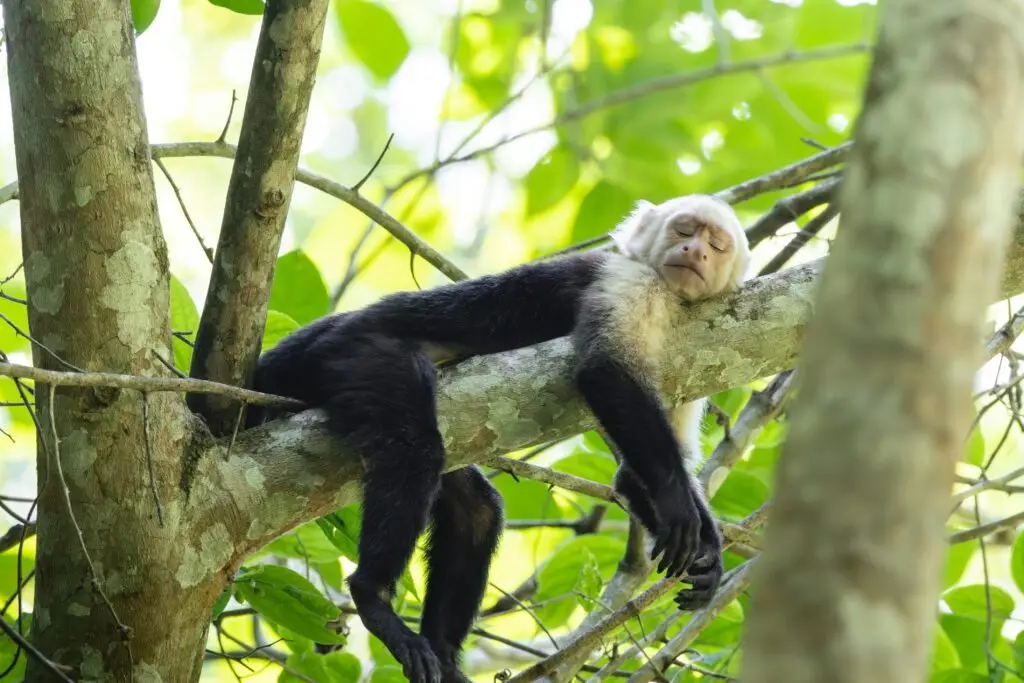
Costa Rica is a place where nature feels alive in every direction. It is a land where volcanoes breathe softly behind curtains of cloud, where monkeys swing across branches above rushing rivers, where jungles hum with hidden life at dusk, and where the ocean glows silver under the moon. The country is small in size but enormous in diversity. Mountains rise sharply from the earth, covered in misty forests. Waterfalls drop from cliffs into deep green pools. Palm trees line remote beaches where the Pacific Ocean rolls in with a steady rhythm. On the Caribbean side, calm turquoise water laps gently against golden sand while reggae plays softly in village streets.
Costa Rica is defined by one simple phrase: Pura Vida — “pure life.”
It is more than a slogan. It is a mentality, a lifestyle, a way of moving through the world with joy, gratitude and calmness. People greet you with it. They say it when they smile, when they laugh, when they say goodbye, when something wonderful happens, and even when something goes wrong. Pura Vida means appreciating the moment, valuing nature, living slowly, breathing deeply and being kind.
Traveling through Costa Rica feels like stepping into a living ecosystem. Everywhere you go, the atmosphere is full of motion — leaves rustling, birds calling, waves crashing, frogs singing, trees swaying. Nature surrounds you at every step. But beyond its environment, the true heart of Costa Rica lies in its people: warm, peaceful, friendly, happy and proud of the natural paradise they inhabit.
The Identity & Soul of Costa Rica — Calm, Green, Peaceful & Deeply Connected to Nature
Costa Rica is one of the few countries in the world with no army. The nation prioritizes peace, education, health and environmental protection. It is a place where sustainability is not a trend but a lifestyle woven into the culture. People recycle, protect forests, respect wildlife and take great pride in conservation. More than a quarter of the country is protected land — national parks, reserves, cloud forests, marine sanctuaries and wildlife refuges.
The Costa Rican identity is grounded in respect for nature and community, simplicity over excess, and a strong belief in quality of life. Ticos — as Costa Ricans call themselves — live slowly, gently, happily. They enjoy conversations. They value family, friendship and food. They take time to watch sunsets, to walk through forests, to swim in rivers and to sit outside their homes in the evening breeze.
The culture blends Indigenous heritage with Spanish influence, Caribbean energy, mountain traditions and modern environmental awareness. This creates a vibrant but calm national identity — joyful, grounded, colorful and deeply connected to the land.
Geography — Rainforests, Volcanoes, Cloud Forests, Rivers & Two Oceans
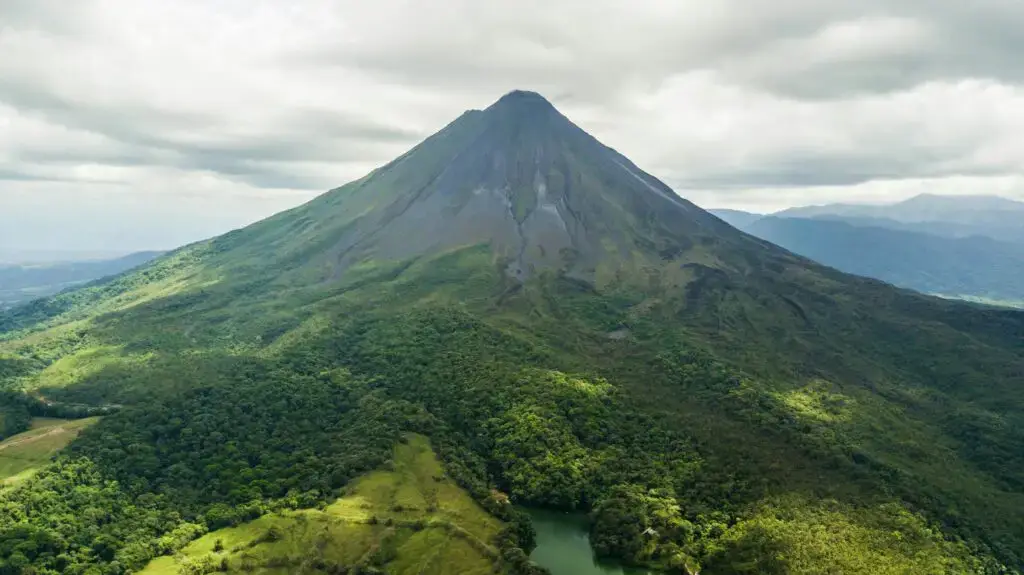
Costa Rica’s landscapes are among the most diverse in the world. The country stretches between two oceans — the Caribbean Sea on one side and the Pacific Ocean on the other. Between them lie mountain ranges lined with cloud forests, active volcanoes whose craters glow with sulfuric lakes, fertile valleys, rivers cutting through jungle, and coastal plains covered in tropical vegetation.
The Central Valley sits in the heart of the country, surrounded by mountains and home to the capital city, San José. To the north lie volcanoes like Arenal, Miravalles and Tenorio — the geothermal heart of Costa Rica. The Pacific coast is long, rugged and sunny, full of surf towns, mangrove forests, national parks and golden beaches. The Caribbean coast is smaller but incredibly vibrant — lush rainforest meeting calm turquoise sea, with Afro-Caribbean culture, music and food shaping everyday life.
This small country contains nearly every ecosystem imaginable — cloud forest, rainforest, mangrove, dry forest, páramo highlands, wetlands, coral reef, river canyon and volcanic terrain.
Traveling through Costa Rica feels like moving through multiple worlds in a single journey.
San José & The Central Valley — Culture, Mountains & Everyday Life
While most travelers rush quickly through the capital, San José and the Central Valley reveal an important layer of Costa Rican identity. The valley itself is surrounded by mountains covered in coffee plantations, small towns, forests and rolling hills. Morning mist sits quietly on the slopes, lifting slowly as the sun warms the valley.
San José is a mix of modern buildings, old colonial houses, colorful markets, cozy cafés, museums and lively neighborhoods. It feels busy but human-sized — full of students, workers, families and travelers moving between buses, shops and restaurants. Markets like Mercado Central overflow with fruits, local snacks, fresh coffee, handmade crafts and small eateries where locals enjoy traditional dishes.
The National Theatre, with its ornate architecture, stands proudly as one of the city’s most treasured cultural landmarks. Streets are lined with murals celebrating Indigenous heritage, biodiversity and social history. Traffic hums through the city center. Street vendors sell empanadas, fresh juices and plantain chips. Cafés roast local beans from nearby mountains, filling the air with the smell of caramelized coffee.
Yet the true beauty of the Central Valley lies outside the city. In small towns like Heredia, Cartago and Alajuela, life feels quieter. Houses are painted in soft colors. Children walk home from school. Farmers sell produce along the roadside. The surrounding hills are covered in coffee farms — green rows of plants growing under the shade of tall trees, with birds singing in the branches.
The Central Valley feels cultural, grounded, busy yet comforting, shaped by mountains, coffee and daily Costa Rican life.
Arenal & La Fortuna — Volcano Energy, Hot Springs & Tropical Adventure
Arenal is one of Costa Rica’s most iconic destinations. Rising above the landscape like a perfect cone, the volcano is both gentle and majestic. When clouds lift, the view of its symmetrical slopes is breathtaking. The surrounding area, centered around the town of La Fortuna, is full of rainforest, waterfalls, rivers, thermal springs and wildlife.
Walking through Arenal feels like stepping into a world shaped by volcanic energy. Hot springs flow from the earth, warmed by geothermal heat and surrounded by tropical vegetation. Water runs over rocks into natural pools where people relax under the forest canopy. The sound of rushing water mixes with birdsong and the distant rumble of the volcano’s internal heat.
La Fortuna Waterfall is one of the most impressive in the region — a powerful cascade dropping into a deep blue pool surrounded by cliffs and jungle. Monkeys and toucans move through the trees. Butterflies drift through patches of sunlight. The air feels warm, humid and alive.
Around Arenal, forest trails lead through lava fields, hanging bridges, dense vegetation and viewpoints overlooking the volcano. The area is full of adventure — ziplining through treetops, rafting along the Balsa River, canyoning down waterfalls, kayaking across Lake Arenal and horseback riding through farmland at the base of the volcano.
The atmosphere of Arenal is vibrant, tropical, adventurous and deeply refreshing — a place where water, heat and forest combine into a powerful natural experience.
Monteverde — Cloud Forest Mysticism & Hidden Green Worlds
Monteverde is one of the most mystical places in Costa Rica — a high-altitude cloud forest suspended between sky and earth. Mist moves constantly through the trees, drifting like white smoke around trunks, branches and hanging vines. The air is cool, fresh and filled with moisture. Leaves glisten with tiny droplets. Birds call from deep within the forest. The canopy glows green in soft light.
The cloud forest is a unique ecosystem where humidity creates an atmosphere unlike any other. Moss covers nearly every surface. Orchids cling to branches. Ferns grow in clusters. Trees tower upward, disappearing into mist. Walking through Monteverde feels like exploring a world untouched by time — ancient, quiet and full of life hidden in every corner.
Suspension bridges stretch high above the forest floor, offering glimpses into the canopy where monkeys leap across branches and colorful birds fly between trees. The Resplendent Quetzal — one of Central America’s most beautiful birds, with emerald feathers and long flowing tails — is often seen in these forests.
Monteverde’s small town, Santa Elena, is charming and peaceful, with cafés roasting local coffee, small restaurants serving soups and casados, and streets lined with handmade crafts. The community is passionate about sustainability, wildlife protection and education.
Monteverde feels spiritual, mysterious, gentle, cool and connected to the earth in a deeply profound way.
The Caribbean Coast, Guanacaste, Surfer Towns & the Bright Pacific Light
Costa Rica’s coasts feel like two different worlds. The Caribbean side is warm, musical, wild and lush — a place where rainforest falls directly onto gold beaches, where sloths sleep above beach bars, where the air smells of coconut and spices, and where Afro-Caribbean culture shapes everything from the rhythm of the streets to the flavor of the food. The Pacific side, especially the northern region of Guanacaste, is open, sunlit and golden — long stretches of soft sand, blue horizons, surf towns filled with barefoot travelers, and sunsets that turn the sky into molten orange.
Traveling from the mountains of the Central Valley to these coasts feels like shifting from one universe into another. The air becomes warmer, the atmosphere becomes freer, and the soundscape fills with waves, birds, cicadas and distant reggae beats.
Tortuguero — Canals, Wildlife, Rainforest & the Soul of the Caribbean Jungle
Tortuguero is unlike anywhere else in Costa Rica — a place where the jungle seems to float on water. The village sits on a narrow strip of land between the Caribbean Sea and a maze of canals surrounded by deep rainforest. Boats glide through green corridors where the water reflects trees like a mirror. The air is heavy with humidity. Howler monkeys roar from high above, their calls echoing through the canopy. Egrets stand silently on the edge of the water. Caimans slide beneath the surface with barely a ripple. Butterflies flicker through beams of sunlight.
The rhythm of life here is determined by the water. There are no cars. People move by boat or on foot. Wooden houses line sandy paths. Children run barefoot along the village’s single main walkway. Restaurants overlook the water where boats pass slowly like drifting shadows.
Tortuguero is best known for its sea turtles. Between July and October, green turtles come ashore to nest, digging their nests in the sand under moonlight. Later in the season, hatchlings emerge and scramble toward the sea, their tiny bodies illuminated by stars. Witnessing this moment feels like witnessing something ancient and sacred — a cycle of life that has repeated for thousands of years.
The rainforest around Tortuguero is one of the most biodiverse ecosystems in Costa Rica. Boats travel quietly along the canals at dawn, when the animals are most active. Sloths cling to branches. Monkeys leap across trees. Herons, kingfishers and toucans fill the air with color. The water reflects clouds, leaves and wildlife so clearly that the entire jungle feels doubled.
Tortuguero is humid, alive, mystical and deeply connected to nature.
Cahuita — Rainforest by the Sea, Coral Reefs & Laid-Back Village Life
Further south along the Caribbean coast lies Cahuita — a small, easygoing village surrounded by rainforest, beaches and a national park that feels like a living sanctuary. Cahuita National Park hugs the coastline, offering a trail that winds between trees and sea. Here, you can walk through dense jungle while waves crash on white sand just meters away.
Sloths hang above the trail, their slow movements blending with leaves. Raccoons and coatis wander through the forest floor. Bright yellow and black snakes coil on branches above. Tropical birds call from the treetops. Butterflies dance in warm air. And all the while, the sound of waves mixes with jungle sounds in an atmosphere that feels both peaceful and electric.
The reef just offshore is home to tropical fish, coral, rays and calm, warm water that glows turquoise under sunlight. Snorkeling here feels gentle and dreamlike.
Cahuita village is small and intimate. Wooden houses painted in bright Caribbean colors line sandy streets. Music drifts from restaurants. People greet you with wide smiles. Time moves slowly, measured in sunrises, meals and conversations.
Cahuita feels friendly, natural, authentic and deeply relaxing.
Puerto Viejo — Afro-Caribbean Culture, Surf Energy & Wildlife Everywhere
Puerto Viejo de Talamanca is the cultural heartbeat of the Caribbean coast — a vibrant, eclectic village where reggae flows from bars, surfboards lean against palm trees, aromas of coconut and spices drift from kitchens, and cyclists glide along the coastal road through jungle and ocean scenery.
The village is colorful and creative, full of small cafés, bakeries, artist shops, food stalls, beach bars and soulful people. Afro-Caribbean culture shapes everything here — the music, the food, the language, the atmosphere. You hear calypso and reggae everywhere. You taste coconut rice, spicy stews, fresh seafood, tropical fruit juices and banana bread warm from the oven.
Beaches around Puerto Viejo each have their own personality. Playa Cocles is energetic, with surfers riding powerful waves and lifeguards watching from palm-lined shores. Playa Chiquita is quiet, intimate and lined with coral rock formations creating small natural pools. Punta Uva is one of the most beautiful beaches in Costa Rica — calm, clear water perfect for swimming, surrounded by jungle that leans over the sand. Manzanillo, further south, sits at the edge of a wildlife refuge where monkeys, sloths and birds move freely through dense vegetation.
The road connecting these beaches feels like a path through paradise. Rainforest and sea are constantly in view. Bicycles ring bells as they pass. Dogs sleep in the shade. People walk barefoot along sandy paths. Every part of Puerto Viejo feels alive — raw, beautiful, creative, tropical and emotional.
Puerto Viejo is warm, rhythmic, multicultural and filled with “Pura Vida” energy.
The Northern Pacific Coast — Guanacaste’s Sun, Surf & Golden Beaches
Crossing the mountain ranges from the Caribbean side into Guanacaste feels like traveling into a completely different world. The Caribbean is humid, green and dense — Guanacaste is sunny, open, warm and filled with dry tropical forests that turn golden during the dry season. Cows graze in wide pastures. Tall trees grow with long horizontal branches that create broad canopies. Windmills turn slowly on ridges where the breeze is constant. The Pacific horizon stretches endlessly across deep blue water.
Guanacaste is famous for its beaches — long, soft, sunlit and lined with palm trees. The atmosphere is vibrant and social, full of surfers, travelers, locals, music and sunset gatherings. It is the driest and warmest region of Costa Rica, making it ideal for beach life.
Papagayo Peninsula — Luxury, Calm Bays & Bright Pacific Water
The Papagayo Peninsula is one of the most beautiful stretches of coastline in Costa Rica — a place where calm bays with deep blue water curve around green hillsides. The sea here is gentle, almost glassy, ideal for swimming, kayaking and sailing. The coastline is dotted with high-end resorts, tucked into nature with ocean views framed by forest.
But beyond luxury, Papagayo’s charm lies in its calmness. The sunsets feel endless. The waves roll softly. The beaches are quiet, shaded by trees. Boats anchor in protected coves where dolphins sometimes follow them. The dry forest that surrounds the peninsula rustles with birds and monkeys.
Papagayo feels serene, elegant, warm and deeply restorative.
Tamarindo — Surf Culture, Sunset Energy & International Vibes
Tamarindo is one of Costa Rica’s most famous beach towns — energetic, lively, open and filled with a mix of locals, surfers, families, digital nomads and travelers from all over the world. It is a place where people surf in the morning, work in cafés during the day, eat fresh seafood at sunset and enjoy music at night.
The beach here is long, golden and ideal for beginner surfers because of its consistent waves. Surfers ride waves from sunrise until dark. Boats rest offshore. Pelicans dive into the sea. Vendors walk along the sand selling fruit and souvenirs. The sunsets in Tamarindo are spectacular — enormous skies painted in red, orange, pink and purple.
The town itself has a coastal energy unique to the Pacific — restaurants serving fresh ceviche, smoothie bars, surf shops, boutique stores, yoga studios and nightlife that lasts into the warm early hours. The surrounding area includes mangroves, estuaries, hills and quiet beaches just minutes from the town center.
Tamarindo feels free, sunny, youthful and full of life.
Nosara — Yoga Spirit, Surf Rhythm & Natural Harmony
Nosara is one of the most peaceful and spiritually connected towns in Costa Rica. Long before it became famous, it was a small, quiet coastal community surrounded by forest and long empty beaches. Today, it has grown into a retreat center for surfers, yogis, artists, wellness travelers and people seeking a calm, conscious way of life.
Playa Guiones is the heart of Nosara — a vast stretch of cream-colored sand where waves break consistently all year. Surfers of every level ride wave after wave in warm water while the sun glows soft and golden in the afternoon. The beach is lined with trees, giving the town a natural, green atmosphere. No buildings rise above the treetops, preserving a sense of harmony with the environment.
The town is filled with organic cafés, yoga retreats, juice bars, eco-lodges and pathways shaded by trees. People walk barefoot along sandy roads. Howler monkeys call from the forest at dawn. The atmosphere is peaceful, healing and deeply connected to nature.
Nosara feels spiritual, clean, airy, artistic and calming.
Sámara — Calm Waters, Family Vibes & Tropical Simplicity
Further down the coast lies Sámara — a village with a soft, friendly charm. The beach is wide, shallow and protected by a reef that keeps the waves gentle. Children play in the water. Locals fish from shore. Kayaks glide across the bay toward a small island offshore. The water shines bright turquoise in the sun.
Sámara feels like a small, intimate community — shops, bakeries, beach restaurants and hostels all close together along sandy streets. The pace is slow, relaxed and friendly. The surrounding hills are green and filled with tropical birds.
The village blends nature, beach life and community energy into a simple harmony.
The Vibes of Guanacaste — Sun, Warmth, Freedom & Golden Light
Every part of Guanacaste is touched by sunlight. The region feels warm, open, dry and golden. Trees stretch wide across the sky. Horses graze in fields. Roads wind through villages where people sit outside their homes at sunset. Beaches feel endless, glowing with afternoon light. Surfboards rest against palm trees. Dogs nap in the shade. Parrots screech as they fly overhead.
Guanacaste feels free, social, bright and deeply connected to the rhythms of the Pacific Ocean.
The South Pacific Coast, Osa Peninsula, Marine Life & Costa Rica’s Wild Heart
The deeper you travel into Costa Rica’s Pacific coastline, the wilder and more emotional the landscapes become. The northern beaches feel sunny and open, but the further south you go, the more the rainforest pushes against the sand, the more the waves grow powerful, the more the jungle hums with life, and the more the coastline feels untouched by time. In the Southern Pacific, nature takes over completely. Trees lean over beaches. Mountains drop directly into the ocean. Waterfalls crash into hidden pools. And wildlife appears in every direction — monkeys swinging above you, sloths sleeping in branches, macaws screeching in red flashes across the sky, and dolphins surfacing just offshore.
This region is one of the most biodiverse places in Costa Rica. It is a world of intense color, deep silence, sudden movement and moments where you feel like the rainforest is breathing around you.
Manuel Antonio — Perfect Beaches, Rainforest Hills & Wildlife Everywhere
Manuel Antonio is one of Costa Rica’s most beloved places — a region where lush green hills rise above white-sand beaches and where rainforest trails lead directly to hidden coves. The national park is small but unbelievably rich in wildlife. Sloths hang lazily in branches. White-faced capuchin monkeys appear along the path, curious and expressive. Squirrel monkeys leap across vines in energetic groups. Iguanas sunbathe on rocks. Bright crabs scuttle across sand.
The beaches inside the park are spectacular — calm, shimmering bays framed by rocky outcrops where the jungle meets the sea. The sand feels soft underfoot, and the water is warm, clear and gentle. Waves roll in softly, reflecting soft green light from the surrounding forest.
Outside the park, the region’s main town sits on a hill with sweeping ocean views. Hotels, cafés and restaurants overlook cliffs where the sunset lights up the coastline in deep orange and red. At dusk, the sound of cicadas fills the air, and the forest becomes alive with nighttime calls.
Manuel Antonio feels tropical, alive, colorful and beautifully balanced between nature and comfort.
Dominical — Surfer Spirit, Waterfalls & Jungle Atmosphere
Just south of Manuel Antonio lies Dominical — a laid-back surf town wrapped in rainforest and filled with the energy of travelers, artists, surfers and locals who love the coast. The atmosphere is relaxed and earthy. Dirt roads lead to organic cafés, surf shops and small markets. Palm trees line the long dark-sand beach where waves roll in with power and consistency.
Dominical attracts a community of surfers who ride waves from sunrise until dusk. The surf culture is strong but welcoming. Dogs run freely along the beach. Musicians play outside small bars in the evening. The sound of waves never stops.
Just inland, waterfalls pour down cliffs into swimming holes hidden in the jungle. Nauyaca Waterfalls is the most dramatic — twin cascades dropping into a deep pool surrounded by huge rocks and lush forest. The hike there winds through farmland and forest, with birds calling from every direction.
Dominical feels raw, cool, connected to nature and powered by the rhythm of the ocean.
Uvita — Quiet Beaches, Green Mountains & Whale Coast Magic
Uvita is quieter than Dominical — a peaceful coastal village where the rainforest meets long empty beaches that stretch into the distance. The air feels warm and soft, filled with the scent of salt and vegetation. The coastline is part of the Marino Ballena National Park, named for the humpback whales that migrate through these waters each year.
The ocean around Uvita is calmer than the surf-heavy beaches to the north. At low tide, one of Costa Rica’s most unique natural formations appears — the Whale’s Tail, a long sandbar shaped like the tail of a whale. Walking along it feels surreal, like stepping out into the middle of the sea.
Mountains rise steeply behind Uvita, covered in rainforest that drips with moisture and echoes with the calls of toucans, macaws and howler monkeys. Waterfalls fall through hidden valleys. Small rivers wind through forest and farmland. The atmosphere is slow and natural — a place to breathe deeply.
Uvita feels gentle, spiritual, marine-oriented and surrounded by green silence.
Marino Ballena National Park — Humpback Whales, Coral Reefs & Blue Horizons
Marino Ballena National Park is one of the most special places on the Pacific coast — a marine sanctuary where humpback whales come each year to give birth and raise their young. They arrive from both the Northern and Southern Hemispheres, making this one of the longest whale-watching seasons in the world.
Seeing a humpback whale in Costa Rica feels magical. The ocean surface breaks. A massive tail rises into the air. Water sprays in a silver burst. The whale’s body glides upward in slow, powerful movement. The sound is deep and emotional — a reminder of the ancient rhythms of the ocean.
The park is not only about whales. Coral reefs lie offshore, home to rays, turtles, fish and bright sea life. Dolphins swim near boats. Pelicans dive from the sky. The beaches are wide, natural and beautifully preserved — protected from development to allow wildlife to thrive.
Marino Ballena feels blue, powerful, peaceful and deeply connected to ocean life.
Osa Peninsula — The Wildest Place in Costa Rica
The Osa Peninsula is the crown jewel of Costa Rica’s wilderness — remote, untouched, vibrant and so full of life that it feels like stepping back into the origins of the Earth. National Geographic once called it “the most biologically intense place on the planet.” And it feels exactly like that.
Here, rainforest meets ocean in a dramatic collision. Trees tower above dark sand beaches. Scarlet macaws fly in pairs, their wings glowing red and yellow against the canopy. Spider monkeys swing through branches with impossible grace. Tapirs wander along rivers. Coatis cross forest paths. The air smells of earth, leaves, salt and flowers warmed by tropical heat. Everything seems alive and watching.
The peninsula is quiet, isolated and raw. There are no big cities, no highways, no noise except nature. Villages like Puerto Jiménez and Drake Bay sit on the edges of vast wilderness, where boats and small planes are the main ways to arrive. Once you step into the forest, you feel its immensity instantly — thick vines hanging from branches, trees as tall as cathedrals, deep shadows filled with hidden movement, and sunlight cutting through leaves in narrow beams.
The Osa Peninsula feels ancient, powerful, primal and transformative.
Corcovado National Park — Pure, Unfiltered Wilderness
Corcovado is the beating heart of the Osa Peninsula — a massive expanse of rainforest that remains one of the last truly wild ecosystems in Central America. Everything here is alive with intensity. Jaguars roam deep inside the forest. Pumas stalk their prey quietly. Tapirs move slowly through shallow rivers. Scarlet macaws screech loudly from treetops. Howler monkeys roar like distant thunder. Poison dart frogs hop across fallen logs. Crocodiles glide silently in estuaries. The entire forest seems to pulse with life.
Hiking through Corcovado is an experience that stays with you forever. Trails wind through dense rainforest where humidity clings to your skin. Leaves drip with moisture. Sunlight filters softly through layers of green. The forest floor smells rich and deep. Birds fly overhead in bright flashes. Every step feels like entering deeper into the essence of the natural world.
Reaching Sirena Ranger Station — the heart of the park — is one of the most rewarding journeys in Costa Rica. It sits near a river, surrounded by wildlife at all hours. Tapirs often walk calmly through the clearing. Monkeys fill the trees. Birds surround the station in colorful motion. At night, the forest becomes a world of sound — insects, frogs, distant calls, and the soft movement of creatures unseen.
Corcovado feels wild, sacred, humbling and unforgettable.
Drake Bay — Gateway to Adventure & Ocean Wilderness
Drake Bay, on the northern edge of the Osa Peninsula, is a small, quiet town surrounded by rainforest and cliffs overlooking the Pacific. Boats arrive on the open beach, sliding onto sand as waves roll in. The journey alone — riding across open water with jungle-covered mountains rising above the shoreline — is breathtaking.
The atmosphere in Drake Bay is peaceful and remote. Small eco-lodges dot the coastline, hidden among trees. Trails lead through forest toward waterfalls, rivers and viewpoints. Boats depart daily for snorkeling and diving at Caño Island Biological Reserve, a marine sanctuary with clear water, coral reefs, sea turtles, rays and sharks.
Drake Bay feels adventurous, intimate, oceanic and beautifully isolated.
Puerto Jiménez — Frontier Town at the Edge of the Wild
On the opposite side of the peninsula, Puerto Jiménez is the gateway to the deeper interior of the Osa. It is a lively yet rustic town where boats line the waterfront, cyclists ride through dusty streets, and locals gather in small restaurants after long days of work or exploration.
The town feels rooted in a simpler life. People greet each other easily. The air smells of sea and earth. Children play soccer in sandy fields. Dogs wander freely. Supplies for the rainforest are sold in small shops. The town sits beside the Gulf of Dulce, a calm body of water where dolphins often swim close to shore.
Puerto Jiménez feels grounded, real, authentic and connected to the wilderness surrounding it.
Wildlife Everywhere — Costa Rica’s Living Tapestry
Costa Rica is one of the most biodiverse countries in the world, and nowhere is that more apparent than along the Southern Pacific. Wildlife appears constantly — not just in national parks but along roadsides, in gardens, on beaches and above café terraces.
Sloths hang from power lines or trees in towns. Scarlet macaws fly in loud pairs above beaches. Capuchin monkeys appear in groups along hiking trails. Spider monkeys move gracefully through the forest canopy. Howler monkeys announce sunrise with thunderous calls. Bright green parakeets whistle as they fly overhead. Iguanas rest on warm rocks. Sea turtles nest at night. Dolphins jump in boat wakes. Whales migrate along the coast.
In Costa Rica, wildlife is not something you go looking for — it finds you.
The Southern Pacific Essence — Lush, Wild, Emotional & Full of Life
Everything in the Southern Pacific feels deeper and more vivid. The green is greener. The water is bluer. The jungle is louder. The sunsets burn brighter. The rain feels softer. The silence feels fuller. Time slows down in this region. People’s voices soften. Your breathing deepens. Your senses sharpen. The world becomes richer, more colorful and more meaningful.
The Southern Pacific is Costa Rica’s emotional heart — a place where nature overwhelms you with beauty, power, calmness and awe.
Culture, Food, Traditions, Pura Vida Philosophy & the Emotional Spirit of Costa Rica
Costa Rica is a country that feels alive in every possible way — through its landscapes, its wildlife, its coastlines and its mountains, but most of all through its people and their guiding philosophy of Pura Vida. To understand Costa Rica is to understand this simple expression, because it reflects everything the country stands for: a life lived with calmness, gratitude, joy and presence. It is a way of greeting, a way of thinking, a way of seeing the world. It is an invitation to slow down, breathe deeply and embrace the beauty that surrounds you.
Traveling through Costa Rica becomes more than movement from place to place. It becomes a gradual immersion into a lifestyle shaped by nature, community and peace. The country’s culture is simple yet profound. It values connection over speed, harmony over ambition, nature over noise, conversation over conflict. You feel this in small daily moments — in the way people smile, in the sound of distant laughter, in the warmth of greetings, in the unhurried pace of life.
Costa Rica is not a country you simply visit. It is a country that invites you to live differently.
Tico Culture — Warm, Peaceful, Humble & Proud
The Costa Rican way of life is grounded in simplicity and genuine kindness. Ticos are warm and approachable. They enjoy conversations that drift slowly like rivers. They value family above all else. They take pride in living in a peaceful nation without a military. Education and health are central to the identity of the country — symbols of the government’s commitment to well-being.
Life in Costa Rica moves gently. People wake early, often with the sound of birds. They drink coffee prepared from beans grown in nearby mountains. They open their windows to the morning breeze. Children walk to school wearing uniforms. Neighbors chat in front of their homes. Local buses pass through towns slowly, honking gently to greet familiar faces.
There is an emotional softness in Costa Rican culture — a comfort in being surrounded by nature, family and community. People take time to enjoy moments. They sit outside during warm evenings watching the sky change color. They tell stories of relatives, old farms, ancestors, coffee harvests, mountain life and coastal traditions. Humor fills their conversations. Even simple interactions feel genuine and full of warmth.
Costa Ricans carry a calm confidence in who they are, shaped by the belief that life is meant to be lived with gratitude, respect, kindness and balance.
The Philosophy of Pura Vida — The Heartbeat of the Country
“Pura Vida” is the soul of Costa Rica. It can mean many things — hello, goodbye, thank you, everything is okay, everything will be okay, life is good, life is simple, life is beautiful. But beyond language, it is a mindset. It is the idea that happiness does not depend on possessions but on perspective. That peace comes from accepting life as it is. That joy can be found in small details — sunlight on leaves, a warm breeze, a quiet morning, a shared meal.
Pura Vida is also about letting go of stress. Time slows in Costa Rica. Schedules soften. Days unfold naturally. You begin to notice things you previously overlooked. The sound of rain becomes comforting. The smell of earth after a storm becomes familiar. The feeling of warm air on your skin becomes grounding. The presence of nature becomes part of your emotional rhythm.
This philosophy is what makes Costa Rica special. It is what shapes the national character and what transforms travel into an experience that heals, inspires and opens the heart.
Costa Rican Cuisine — Comforting, Fresh, Flavorful & Tied to the Land
Food in Costa Rica feels like home — warm, comforting, fresh and deeply connected to the land. The flavors are gentle but rich. Meals are wholesome and filled with ingredients grown in the country’s fertile valleys, mountains and coasts.
Gallo Pinto is the most iconic dish — rice, black beans, onions, peppers and a touch of cilantro cooked together, forming the foundation of breakfast. It is usually served with eggs, plantains, cheese and fresh tortillas. This dish feels like the heartbeat of the nation — simple, nourishing and rooted in tradition.
Casado, another staple, is a plate of rice, beans, salad, meat or fish, fried plantains and sometimes picadillo vegetables. It is the perfect everyday meal, served in small sodas — family-run restaurants where locals gather for lunch.
In coastal regions, seafood takes center stage. Fresh red snapper, mahi-mahi, tuna and shrimp are grilled with garlic and lime or cooked into soups rich with coconut milk and Caribbean spices. On the Caribbean side, Afro-Caribbean influence shines through in dishes like rice and beans cooked in coconut milk, spicy stews, breadfruit recipes, grilled fish marinated in herbs and chilies, and sweet treats flavored with cinnamon and clove.
Tropical fruit is everywhere — pineapples as sweet as honey, papayas with deep orange flesh, bananas of many varieties, mangoes that drip with juice, guanábana, passion fruit, guava and watermelon. Fruit in Costa Rica tastes like sunshine.
Coffee is another cultural treasure. Grown in the highlands, Costa Rican coffee is smooth, balanced and aromatic. Drinking coffee here feels like a ritual — a slow moment to breathe and enjoy the warmth of the day.
Food in Costa Rica feels nurturing, pure, grounded and full of life.
Music & Traditions — Rhythm, Color, Celebration & Community
Music is woven into Costa Rican culture. It exists in daily routines, in festivals, in gatherings, in churches, in small-town celebrations. Marimbas, guitars, percussion, flutes and traditional instruments fill the air with melodies.
Folk music blends Indigenous and Spanish influences, telling stories of farming, love, mountain life and nature. In Guanacaste, traditional dances celebrate the region’s cowboy and ranch culture, with swirling skirts, wide-brim hats and cheerful rhythms.
On the Caribbean coast, reggae, calypso and Afro-Caribbean rhythms influence the soundscape. These musical traditions give the region a unique identity — relaxed, soulful and deeply expressive.
Festivals throughout the country celebrate saints, harvests, horses, ox carts, independence, culture and community. During these events, towns transform into colorful worlds of dancing, music, parades, food and joy.
Costa Rican traditions feel grounded, joyful and full of cultural pride.
National Parks & Nature Protection — A Country That Protects Its Soul
Costa Rica is one of the world’s most environmentally conscious nations. More than one-quarter of its land is protected — a commitment that shapes everything from tourism to education to politics. National parks here are not simply tourist attractions. They are sacred spaces preserved for future generations.
Corcovado protects some of the last untouched rainforests in Central America. Tortuguero protects turtle nesting beaches and wildlife-filled canals. Manuel Antonio protects rainforests, beaches and coral reefs. Arenal protects volcanic landscapes and tropical rainforest. Monteverde protects cloud forests filled with rare species. Marino Ballena protects whales, dolphins and coral life.
These parks are not isolated. They are connected by biological corridors — pathways that allow animals to move across ecosystems safely. Costa Rica’s commitment to conservation has made it a global example of how a small country can protect its natural heritage with dedication, scientific knowledge and community participation.
Nature is not separate from life in Costa Rica — it is part of the national identity.
Climate & Seasons — Sun, Rain, Mist & the Magic of the Tropics
Costa Rica’s climate shapes the personality of each region. The dry season, from December to April, brings sunshine, blue skies, warm breezes and ideal beach weather. The green season, from May to November, brings afternoon showers, fresh mornings, vibrant vegetation and dramatic thunderstorms that roll across the mountains like distant drums.
The Caribbean coast follows its own rhythm, with pockets of dry weather in different months and rainfall that keeps the region lush and full of life year-round.
Cloud forests remain cool, misty and refreshing throughout the year, with clouds drifting through trees in quiet beauty. Volcano regions experience warm days and cooler nights. The coasts feel tropical, warm and humid, with ocean breezes softening the heat.
The diversity of climates within such a small country adds depth to the travel experience — offering a new atmosphere with every region you visit.
Spirituality — Nature, Simplicity & Inner Peace
Spirituality in Costa Rica is subtle yet powerful. Churches and religious traditions play an important role in daily life. Families gather for celebrations and ceremonies. Communities find strength in faith, humility and gratitude.
But beyond religion, Costa Rica has a quiet spiritual energy rooted in nature. The forests feel ancient. The oceans feel alive. The mountains feel protective. The rivers feel cleansing. The sunsets feel like moments of pure stillness. Being surrounded by so much natural beauty creates a sense of presence — a deeper connection to the world and to oneself.
Many travelers find Costa Rica healing because it invites them to slow down, to see beauty in small things, and to reconnect with what truly matters.
Costa Rica feels spiritual in a gentle, grounding and peaceful way.
The Emotional Essence of Costa Rica — A Country That Changes You
Costa Rica is more than its landscapes, more than its wildlife, more than its volcanoes and beaches. It is a country that touches the emotions in ways that are difficult to describe. It teaches you to slow down. It reminds you to appreciate nature. It invites you to breathe deeply. It shows you the value of calmness, kindness and simplicity.
You leave Costa Rica with memories of green mountains, warm mornings, birds singing at dawn, monkeys moving through treetops, waves rolling in rhythm, and the feeling of rain falling softly on your skin. But more importantly, you leave with a piece of its philosophy — the understanding that happiness can be found in peaceful moments, that nature heals, that community matters, and that life is meant to be lived with gratitude.
Costa Rica does not just stay in your memory — it stays in your heart.
It is a country of life, warmth, beauty and emotion.
A place where the soul feels lighter.
A place where the world feels brighter.
A place where you truly feel Pura Vida.
 Related Articles
- Kakslauttanen Arctic Resort
- Top 10 Most Unique Places to Stay in Europe
- 10 Incredible Castles Around the World