
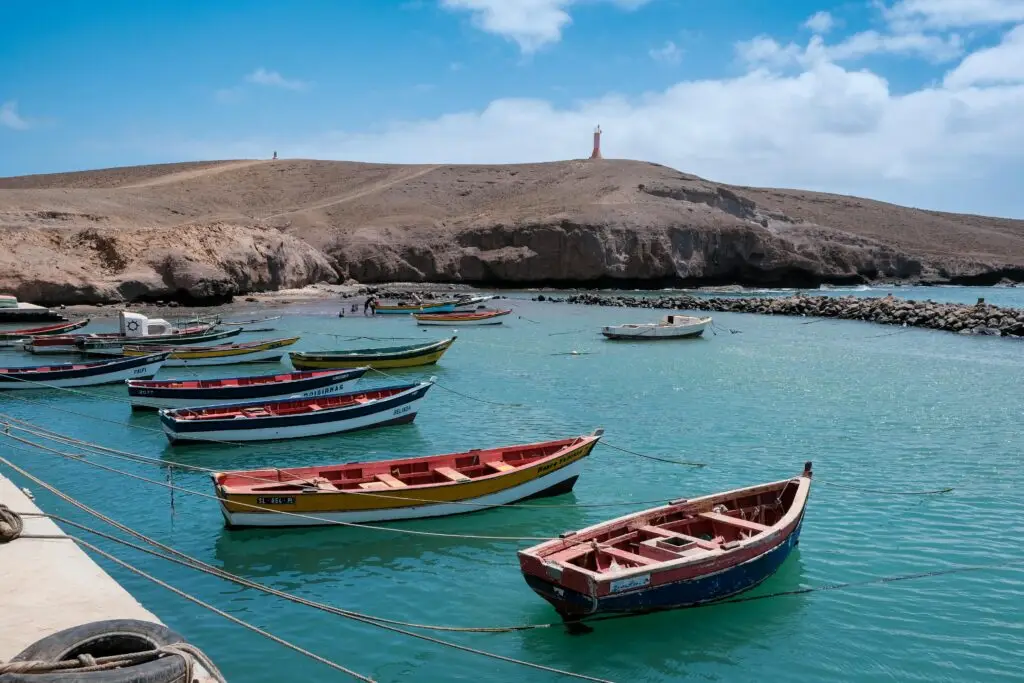
Cabo Verde Travel Guide
Cabo Verde, also known as Cape Verde, is an archipelago of ten volcanic islands in the Atlantic Ocean, located off the coast of West Africa. It is a nation shaped by wind, water, diaspora, music, resilience, and the rhythm of morna — a style of song filled with emotion and history. Cabo Verde is a place where landscapes shift from rolling green mountains to black volcanic deserts, from long white-sand beaches to steep cliffs that drop dramatically into the ocean. The islands share the same cultural foundation but feel strikingly different from each other, offering travelers ten completely unique experiences within a single country.
Cabo Verde is famous for its warm hospitality, Creole culture, traditional music, incredible hiking, strong winds for surfing and kitesurfing, volcanic craters, colorful colonial towns, and pristine beaches. Its location in the mid-Atlantic has shaped migration, culture, and economy — many Cabo Verdeans live abroad, yet the ties to the islands remain unbreakably strong. This mixture of African, European, and maritime heritage shapes daily life, cuisine, architecture, language, and the Cabo Verdean spirit of morabeza — a word that describes kindness, warmth, and openness toward visitors.
Although small in size, Cabo Verde is full of contrasts. The islands of the north — Santo Antão, São Vicente, Santa Luzia, São Nicolau — are mountainous, green, rugged, and ideal for explorers who love hiking and culture. The southern islands — Sal, Boa Vista, Maio — are flat, sandy, perfect for beach lovers and wind sports. Santiago, Fogo, and Brava stand alone in identity: Santiago as the historical and political heart, Fogo as a dramatic volcano island, and Brava as the “flower island.” These differences make Cabo Verde an endlessly fascinating archipelago, inviting travelers to slow down, connect, and explore each island deeply.
Cabo Verde’s climate is dry and sunny year-round, making it an ideal winter escape for Europeans and travelers seeking warmth. Strong trade winds, clear skies, and volcanic soils create landscapes found nowhere else on Earth. For those looking for an island destination with adventure, culture, friendly people, and striking natural beauty, Cabo Verde is one of the most rewarding places you can visit.
Santiago: The Historical and Cultural Heart
Santiago is the largest and most populous island of Cabo Verde. It is the political, cultural, and historical center of the country. The island blends African influence, Creole traditions, and colonial history into a vibrant, colorful atmosphere. Its landscapes range from dry coastal plains to lush valleys, agricultural terraces, black-sand beaches, and dramatic mountain peaks.
Praia
Praia, the capital city of Cabo Verde, is a vibrant urban center filled with markets, music, restaurants, and historic districts. Plateau, the city’s elevated colonial center, overlooks the ocean and features pastel-colored buildings, churches, museums, and lively squares. The Presidential Palace, dating back to the 19th century, sits proudly on the cliff edge, representing the island’s political significance.
Markets like Sucupira overflow with life, selling everything from handcrafted goods and local clothing to produce, spices, and fresh fish. Praia’s nightlife pulses with live music — morna, funaná, coladeira — echoing through local bars and clubs. Meanwhile, the beaches around Praia offer beautiful spots for relaxation, though the island’s coastal beauty becomes even more striking as you explore farther.
Cidade Velha
Just west of Praia lies Cidade Velha, a UNESCO World Heritage Site and the birthplace of Cabo Verdean civilization. Founded in the 15th century by Portuguese settlers, Cidade Velha is the oldest European settlement in the tropics. Cobbled streets lead to historic landmarks such as the Pelourinho, a pillory where enslaved people were once punished, reflecting the complex history of the Atlantic slave trade.
The Fortaleza Real de São Filipe towers above the town, offering panoramic views of the ocean and surrounding valleys. Its stone walls, cannons, and restored buildings provide insight into the island’s colonial past. Churches like Nossa Senhora do Rosário showcase early religious architecture.
Cidade Velha is atmospheric and filled with memory — a place where history, resilience, and culture intertwine.
The Mountains and Valleys of Santiago
Santiago’s interior is green and mountainous. Terraced agriculture fills the slopes, while villages cling to steep hillsides. The Serra Malagueta region is ideal for hiking, offering sweeping views of ridges, cliffs, valleys, and distant ocean horizons. The climate here is cooler than along the coast, making it a pleasant escape for nature lovers.
Assomada, one of the island’s main towns, hosts a lively market where farmers sell fruits, vegetables, cheese, spices, and crafts. Nearby, traditional villages reveal the rural life of Santiago — where women harvest crops, children play on dusty roads, and sounds of drums and laughter drift through the air.
Santiago is the island where Cabo Verde’s African roots are most visible — in music, dance, food, traditions, and festivals. It is vibrant, soulful, and full of movement.
São Vicente: Music, Culture, and Creative Energy
São Vicente is the cultural soul of Cabo Verde. Its capital, Mindelo, is the country’s artistic center — home to musicians, painters, poets, dancers, and the famous Carnival celebration. The island has a unique energy that blends history, nightlife, creativity, and picturesque landscapes.
Mindelo
Mindelo is one of the most charming cities in the Atlantic. Its colonial architecture, waterfront promenade, colorful houses, and lively bars give it a warm, inviting atmosphere. The Praça Nova district is filled with cafés, palm trees, and music. The Torre de Belém, inspired by Lisbon’s famous tower, stands proudly near the port, symbolizing the city’s maritime heritage.
Mindelo is deeply tied to music — it is the birthplace of Cesária Évora, the “Barefoot Diva,” whose melancholic voice took Cabo Verdean morna to global fame. Her spirit lives on in music clubs where local artists perform nightly. The city’s Carnival is one of the most vibrant celebrations in the Atlantic, blending African rhythms, samba influences, elaborate costumes, and parades that transform the streets into a colorful festival.
Mindelo’s fish market, fruit markets, and seafood restaurants showcase the island’s culinary wealth. Tuna, lobster, octopus, and freshly grilled fish are everyday delights, prepared with Creole spices and served with sweet potatoes, beans, or corn-based dishes.
Beaches and Landscapes
While São Vicente is not primarily a beach island, it does have beautiful coastal spots. Laginha Beach provides a stretch of golden sand near the city center. Farther away, the rugged Baía das Gatas hosts an annual music festival and offers calm waters surrounded by volcanic hills.
Monte Verde, the island’s highest peak, offers panoramic views over Mindelo, the Atlantic Ocean, and the mountainous outlines of Santo Antão across the canal. Hiking here provides a sweeping perspective of São Vicente’s dramatic landscapes.
São Vicente feels alive — artistic, cultural, musical, and deeply connected to the Cabo Verdean identity.
Santo Antão: The Hiking Paradise
Santo Antão is often considered the most breathtaking island in Cabo Verde. Its landscapes are dramatic and towering — deep valleys, razor-sharp ridges, volcanic canyons, forests, terraces, and mountain villages that seem suspended in the air. For hikers, Santo Antão is paradise.
Ribeira Grande and Ponta do Sol
The northern side of the island is lush and agricultural, with villages tucked into steep valleys. Ribeira Grande, one of the main towns, features colonial buildings, local restaurants, and markets offering regional products such as sugarcane grogue (rum), cheese, coffee, and vegetables.
Ponta do Sol, perched on the edge of the Atlantic, offers stunning coastal views and is the starting point for some of the island’s most iconic hikes. The cliffside trail between Ponta do Sol and Cruzinha is legendary — a narrow coastal path carved into volcanic cliffs, winding past dramatic drop-offs, terraces, and small villages accessible only by foot.
Paul Valley
The Paul Valley is the green heart of Santo Antão. Palm trees, sugarcane fields, banana groves, coffee plantations, and dragon trees flourish here. Traditional stone houses cling to the slopes, connected by pathways that have been used for centuries. Hiking through the Paul Valley reveals lush beauty, waterfalls, and local life unfolding slowly in the mountains.
Cova Crater
Cova is a volcanic crater high in the mountains. The crater floor is filled with farmlands, while hiking trails lead up the rim offering incredible views. The descent from Cova into the Paul Valley is one of Cabo Verde’s most iconic hikes — a stone path zigzagging dramatically down the mountainside.
The West Coast
The western parts of Santo Antão are drier and more isolated, with volcanic rock, sparse vegetation, and small fishing villages. Roads curve dramatically through mountain passes, offering endless panoramas.
Santo Antão is a world of landscapes — wild, green, rugged, and unforgettable.
Sal: Sun, Sand, and Sea
Sal is one of Cabo Verde’s most popular islands for international visitors. Its flat, sandy terrain contrasts with the mountainous northern islands. Sal is known for its pristine beaches, turquoise water, salt flats, and world-class wind conditions. The island’s African-European atmosphere blends tourism with local culture.
Santa Maria
Santa Maria is the island’s tourism center, with white-sand beaches stretching for kilometers. The town is colorful, friendly, and filled with restaurants, bars, surf shops, and markets. The pier is a lively place where fishermen clean and sell their catch, while boats bring in fresh tuna and wahoo.
Kitesurfing is huge in Santa Maria — strong winds attract professionals and beginners alike. The long beaches create perfect conditions for surfing, kiting, and windsurfing.
Salt Pans of Pedra de Lume
Inside an old volcanic crater lies the Pedra de Lume salt flats, where white salt crystals create a surreal landscape. Visitors can float effortlessly in the saltwater lake, similar to the Dead Sea. The crater walls rise dramatically around the lake, creating a unique natural setting.
Beaches and Activities
Sal’s coastline offers a mix of calm swimming areas, wave beaches, and rocky coves. Shark Bay allows visitors to safely observe lemon sharks in shallow waters. Fishing trips, whale watching (in season), and catamaran cruises provide additional experiences.
Sal is sunny almost year-round, making it ideal for travelers seeking beach relaxation and water sports.
Boa Vista: Desert Meets Ocean
Boa Vista is known for its golden dunes, long beaches, crystal-clear water, and desert landscapes. It is one of the most beautiful islands in the archipelago for pure beach lovers.
Sandy Beaches
The island’s beaches — Santa Monica, Praia da Chaves, Estoril — stretch endlessly. Santa Monica Beach is often compared to Caribbean and Indian Ocean beaches due to its beauty and isolation.
Desert Landscapes
The Viana Desert, formed by Sahara winds, features rolling sand dunes and acacia trees. Exploring the dunes by quad, jeep, or foot offers a taste of desert solitude.
Turtle Nesting
Boa Vista is one of the most important loggerhead turtle nesting sites in the world. Between June and October, female turtles come ashore at night to lay eggs. Guided tours allow travelers to witness this phenomenon responsibly.
Boa Vista blends African desert aesthetics with tropical Atlantic charm, creating a serene and mesmerizing atmosphere.
Fogo: Volcano Island
Fogo is the island of fire — dominated by Pico do Fogo, an active volcano rising nearly 3,000 meters above sea level. The volcano shapes everything: the landscapes, the agriculture, the architecture, and the spirit of the people.
São Filipe
São Filipe is one of Cabo Verde’s most elegant towns. Its colonial mansions, narrow streets, ocean views, and pastel colors create sophistication. The town’s sobrado houses reflect Portuguese influence, while cobblestone streets lead to viewpoints overlooking black-sand beaches.
Cha das Caldeiras
Inside the volcano’s caldera lies Cha das Caldeiras, a high-altitude community surrounded by black volcanic rock. The vineyards here produce the famous Fogo wine, grown in rich volcanic soil that gives it a unique flavor.
Visitors can hike to the volcano’s summit, walking over ash and lava fields. The landscape feels otherworldly — black earth, steaming fumaroles, and jagged formations shaped by eruptions.
Fogo is dramatic, powerful, and unforgettable — a must for adventure travelers.
São Nicolau: Quiet, Traditional, and Mountainous
São Nicolau is a peaceful island of mountains, fishing villages, green valleys, and traditional culture.
Ribeira Brava is the island’s main town, known for its colorful houses and churches. The Monte Gordo Natural Park offers hiking trails through forests, peaks, and agricultural terraces. São Nicolau is ideal for travelers seeking authenticity without crowds.
Maio: Serenity and Simplicity
Maio is an island of calm beaches, dunes, salt flats, and a slow-paced lifestyle. The main town, Vila do Maio, is small and inviting, with colonial charm and sandy roads. Maio is perfect for travelers who want to disconnect and enjoy tranquility.
Brava: The Flower Island
Brava is the smallest inhabited island, known for its lush vegetation, cool climate, and quiet villages. It is a mountainous island with deep valleys, colorful houses, and strong cultural traditions. Because of its beauty and gardens, Brava is often called Ilha das Flores — the island of flowers.
Culture and Identity of Cabo Verde
Cabo Verde’s culture is a fusion of African, European, and maritime influences. Music is deeply important — morna, coladeira, funaná, batuque — each style expressing emotion, history, and joy.
Creole language (Kriolu) is widely spoken. Cabo Verdean cuisine includes fish, cachupa (a slow-cooked stew), seafood, corn dishes, beans, and tropical fruits.
Morabeza, the spirit of warmth and kindness, defines Cabo Verdean hospitality.
Wildlife & Nature
Cabo Verde’s wildlife includes turtles, dolphins, whales, seabirds, and endemic plants. Mountain islands have forests, valleys, and terraces. Desert islands feature dunes, wetlands, and long beaches.
Why Cabo Verde Captivates Travelers
Cabo Verde is a place of contrasts — beaches, volcanoes, mountains, dunes, culture, music, and warm people. Each island tells a different story, offering a fresh experience. It is peaceful, friendly, diverse, and authentically Creole.
Travelers fall in love with the landscapes, the music, the sunsets, the wind, the warmth — and the feeling that Cabo Verde offers something unique, soulful, and unforgettable.
 Related Articles
- Kakslauttanen Arctic Resort
- Top 10 Most Unique Places to Stay in Europe
- 10 Incredible Castles Around the World