
Central African Republic Complete travel guide
The Central African Republic is one of the least-known, least-traveled, and yet most naturally breathtaking countries in Africa. Landlocked in the heart of the continent and bordered by Chad, Sudan, South Sudan, the Democratic Republic of the Congo, the Republic of the Congo, and Cameroon, the country exists at a crossroads of ecosystems, cultures, and histories. Despite political challenges and a past shaped by conflict, the Central African Republic (CAR) remains a place of extraordinary ecological richness, cultural depth, and untouched wilderness. For travelers who venture here—often researchers, wildlife experts, conservationists, or highly adventurous explorers—the rewards are immense and life-shaping. The country offers some of the most intact rainforests in the world, gargantuan rivers that flow through untouched landscapes, rare wildlife species such as forest elephants and lowland gorillas, and some of the most remote, peaceful, and pristine natural environments anywhere on Earth.
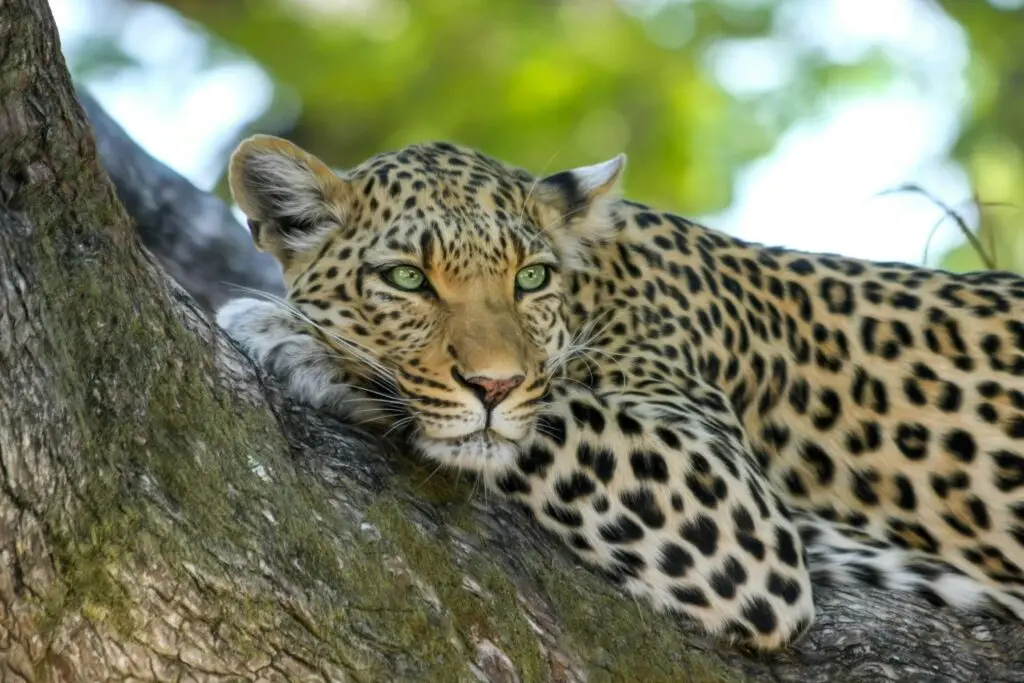
CAR’s landscapes are among the most diverse on the continent. In the south, dense tropical rainforests stretch endlessly, forming part of the Congo Basin, one of the world’s lungs and a biodiversity hotspot that supports countless plants and animals. These forests are home to western lowland gorillas, forest elephants, bongos, sitatungas, chimpanzees, leopards, parrots, and butterflies of every imaginable color. The rainforest is also home to Indigenous communities such as the BaAka, whose knowledge of the forest is unmatched and whose traditions, music, and cosmology remain deeply connected to the natural world. In the north, the terrain changes dramatically. Savannas dotted with acacia trees open toward the Sahel, where nomadic pastoralists, cattle herders, and farmers maintain traditional lifestyles. Rivers such as the Ubangi, Sangha, Ouham, Nana, and Kotto carve their way across the country, shaping ecosystems, supporting livelihoods, and sustaining wildlife.
Despite its struggles, the Central African Republic is a country of astonishing beauty and quiet dignity. Much of its wildlife is protected in remote national parks that feel like ancient worlds untouched by time. Dzanga-Sangha in the southwest, part of the larger Sangha Trinational UNESCO World Heritage Site, is one of the greatest wildlife sanctuaries in Africa and perhaps the most accessible window into the heart of the Congo rainforest. Here, visitors can stand at Dzanga Bai—a massive forest clearing where dozens of forest elephants gather daily, alongside bongos, sitatungas, monkeys, birds, and other species. The experience is often described as overwhelming, humbling, and deeply moving. It is one of the only places in the world where the secret life of elusive rainforest animals becomes visible.
CAR is also a land of rich cultural heritage. More than eighty ethnic groups live within its borders, each with unique languages, social structures, and traditions. Among them are the Gbaya, Banda, Mandjia, Sara, Bongo, Zande, and BaAka peoples. Their daily lives revolve around farming, fishing, hunting, cattle raising, craft-making, and community gatherings. While the capital, Bangui, has modern influences, much of the Central African Republic remains rural and deeply connected to ancestral customs. Music, storytelling, and ritual are central to identity, and many communities maintain spiritual beliefs tied to nature, ancestral spirits, and local cosmology.
Bangui, the capital city, sits along the Ubangi River and serves as the country’s main economic and cultural hub. Although modest and often chaotic, it has a unique charm shaped by markets, riverfront activities, and friendly residents who welcome travelers with curiosity and warmth. The city’s central market is full of energy, color, and noise—vendors sell everything from fruits, cassava, and spices to handicrafts, wooden sculptures, woven baskets, and fabrics. The riverfront provides a peaceful contrast to the busy streets, with canoes transporting goods across the water and fishermen casting nets at sunrise. The city’s colonial architecture, old churches, and administrative buildings serve as reminders of the French influence that shaped the region during colonial rule.
Beyond Bangui, villages and small towns reflect the rural soul of the country. Life is shaped by the rhythm of agriculture, livestock, fishing, and forest harvesting. People live in close connection to the land, and even today many communities survive without electricity, running water, or modern infrastructure. This simplicity, though challenging for daily life, also preserves traditional practices and a deep relationship with nature. Visitors who spend time in rural areas remark on the kindness, resilience, and hospitality of local residents who often share meals, stories, and music with newcomers.
The Central African Republic’s history is complex, marked by pre-colonial kingdoms, European exploitation, independence in 1960, and periods of instability. Despite these challenges, the people of CAR continue to rebuild and maintain cultural identity. There is a powerful sense of endurance and hope visible in everyday life—from women selling produce in local markets to children playing beside the river, from elders recounting oral histories to farmers tending fields in the early light of dawn. This spirit of resilience defines the heart of the Central African Republic.
One of the most extraordinary aspects of CAR is the relationship between humans and the rainforest. The BaAka people, also known as the Pygmy communities, are among the most knowledgeable forest dwellers in the world. Their traditional hunting techniques, botanical knowledge, musical traditions, and spiritual beliefs reflect millennia of coexistence with the Congo rainforest. Their polyphonic singing—an intricate, layered vocal music tradition—is recognized globally for its beauty and complexity. Travelers who spend time with BaAka communities often describe the experience as transformational. The forest walks, hunting demonstrations, medicinal plant explanations, and storytelling sessions reveal a worldview where nature, spirit, and identity are inseparable.
The rainforests of CAR are also among the most ecologically important ecosystems on Earth. They store massive amounts of carbon, support biodiversity found nowhere else, and regulate regional climate. Dzanga-Sangha, Nouabalé-Ndoki (across the border), Lobéké (in Cameroon), and the Sangha River form one of the last great untouched rainforest blocks on the continent. Conservation efforts in Dzanga-Sangha have become a model for community-based wildlife protection. Researchers, park rangers, and local communities work together to monitor gorillas, protect elephants from poaching, and preserve ancient forest landscapes. Visitors who trek through the dense vegetation to observe habituated lowland gorillas often describe the encounter as one of the most emotional experiences in wildlife travel.
The forest elephants of Dzanga Bai are among the most famous wildlife spectacles in Africa. Unlike savanna elephants, these smaller, tusk-straight forest elephants are shy and usually hidden within thick vegetation. But at Dzanga Bai, they gather in remarkable numbers to dig minerals from the soil. The sight of dozens of elephants—families, juveniles, and massive bulls—interacting, bathing, trumpeting, and moving through the clearing creates a surreal vision. The sounds echo through the trees: low rumbles, splashes, the snapping of branches, and the calls of birds overhead. This is natural Africa at its purest, without fences, crowds, or human interference.
Wildlife in CAR expands far beyond elephants. The country is home to bongos—one of Africa’s most beautiful antelopes with deep chestnut coats and white stripes. Sitatungas hide in marshes, red river hogs forage in the forest, and chimpanzees swing through the treetops with agile movements. Butterflies, moths, frogs, insects, reptiles, and countless bird species inhabit every ecological layer of the rainforest. Many of these species have never been photographed or studied closely, making CAR one of the last frontiers of biological discovery.
Moving northward into the savanna regions, travelers encounter completely different ecosystems. The landscape becomes dry and open, dotted with baobab trees, tall grasses, acacia shrubs, and seasonal riverbeds. This northern region is home to cattle herders and nomadic groups who migrate with the seasons, tending to livestock and maintaining traditional ways of life. Markets in northern towns feature livestock trading, handmade leather goods, woven mats, and dried foods. The northern culture is influenced historically by Sahel kingdoms and trans-Saharan trade routes, connecting CAR with Chad, Sudan, and beyond.
The wildlife of the north once included lions, cheetahs, and large herds of antelopes, but many populations have declined due to conflict, habitat loss, and poaching. However, conservation areas still hold wildlife potential, and with long-term protection, these ecosystems could be restored in the future.
Between the rainforest of the south and the savannas of the north lies a transition zone of rolling hills, bamboo forests, wetlands, and agricultural zones. Communities here grow cassava, bananas, maize, groundnuts, plantains, and vegetables. Land is fertile, and farming remains central to the economy. Villages along the rivers depend on fishing, while hunters and foragers collect forest resources. The landscape changes dramatically within short distances, offering travelers a continuous variety of scenery.
Rivers play an essential role in the geography and life of CAR. The Ubangi River, shared with the Democratic Republic of the Congo, is one of the major waterways of Central Africa. It supports fishing, transport, and agriculture, and provides important cultural identity for riverbank communities. Wooden pirogues, carved from single tree trunks, glide across the water with fishermen using hand nets, traps, or lines. Children play along the sandy banks, women wash laundry near the shallows, and traders transport goods between towns and villages. The river serves as a lifeline for countless communities and remains one of the most iconic landscapes in the country.
Food in the Central African Republic reflects a strong connection to agriculture, forests, and rivers. Cassava is one of the main staples, eaten boiled, roasted, or made into fufu, a dough-like accompaniment to stews. Plantains, sweet potatoes, beans, peanuts, maize, and leafy greens form the basis of most meals. Fresh fish from the Ubangi and other rivers is widely consumed, grilled over open fires or cooked in flavorful sauces made with tomatoes, onions, spices, and palm oil. In forest regions, diets expand to include bushmeat (where legal), wild fruits, honey, mushrooms, and roots harvested from the forest. Hospitality is central to Central African culture, and sharing food is a gesture of respect, friendship, and community.
Music and dance are essential elements of cultural expression in CAR. Traditional instruments include drums, harps, wooden xylophones, flutes, and a variety of stringed instruments. Music accompanies ceremonies, storytelling, community gatherings, and celebrations. The BaAka people are famous for their polyphonic singing, a complex vocal art form that incorporates layers of harmonies, rhythms, and sounds inspired by the forest. Their music has been studied by ethnomusicologists and shared at international festivals, gaining recognition for its beauty and sophistication.
The art of CAR includes woodcarving, pottery, weaving, basketry, and mask-making. Many communities produce symbolic masks used in rituals, ceremonies, and dances. These masks often represent spirits, animals, ancestors, or moral concepts. Sculptures made from wood depict human figures, animals, or mythological beings, each with specific cultural meaning. Art serves not only aesthetic purposes but also spiritual and social functions.
Climate in the Central African Republic varies widely depending on region. The rainforest areas receive heavy humidity and rains, making them lush and green year-round. Central regions experience a tropical savanna climate with clear wet and dry seasons. The north is hot and dry for most of the year, especially during the harmattan winds that bring dust from the Sahara. The diversity of climate creates rich ecological niches and seasonal rhythms that define agriculture, wildlife migration, and daily life.
Traveling through CAR requires patience, flexibility, and an adventurous spirit. Roads outside major cities can be rough, distances long, and infrastructure limited. But for travelers who embrace the journey, the rewards are unparalleled. It is a destination where every experience feels raw, authentic, and deeply connected to the earth. Whether watching gorillas in the rainforest, drifting along the Sangha River at sunset, sharing stories with BaAka elders, visiting remote villages, exploring hidden waterfalls, or walking through open savannas, travelers find that the Central African Republic offers a profound sense of wonder.
What sets CAR apart from other African destinations is its purity. The country lacks mass tourism, artificial attractions, or crowded parks. Nature here feels ancient and untouched, culture feels deeply rooted, and daily life unfolds according to rhythms that have remained unchanged for generations. For those who seek the rarest and most meaningful travel experiences—the kind that cannot be recreated anywhere else—CAR stands among the most extraordinary places on Earth.
The Central African Republic is a land of mystery, resilience, and breathtaking beauty. It is a nation where the forest breathes with life, where rivers carve pathways through the wilderness, where communities preserve millennia-old traditions, and where wildlife roams in some of the last true strongholds of natural Africa. For all its hardship, the country remains a place of hope, where conservation, culture, and community slowly transform challenges into opportunities.
Long after leaving, travelers remember the smell of rain on forest leaves, the sound of elephants at dusk, the songs of BaAka families deep in the forest, the sight of mist rising above the treetops, the taste of freshly grilled fish along the river, and the smiles of people who have endured much yet hold immense generosity of spirit. CAR is not a destination for everyone—but for those who seek depth, authenticity, and the raw beauty of the natural world, it is among the most unforgettable journeys one can take.
Related Amazing Bucketlist Articles
- 5 Once-in-a-Lifetime Floating Stays
- Hurawalhi Island Resort
- Top 10 Most Romantic Countries in the World for Couples