
Eswatini Complete Travel Guide
Eswatini, formerly known as Swaziland, is one of Africa’s smallest yet most culturally powerful nations, a land where royal traditions shape everyday life and where landscapes unfold in dramatic waves of mountains, valleys, grasslands, and forests. Nestled between South Africa and Mozambique, Eswatini is often overshadowed by its larger neighbors, but those who venture into this tiny kingdom discover a country overflowing with spirit, beauty, and authenticity. The moment travelers cross the border, they realize that Eswatini moves to its own rhythm—a gentle, warm rhythm guided by community, royalty, tradition, and nature. The country feels both ancient and modern, deeply rooted in rituals passed down for centuries while simultaneously embracing contemporary African identity. The flag, the ceremonies, the dance, the monarchy, the craftsmanship, the wildlife, the mountains—everything in Eswatini is intertwined, creating a cultural landscape that feels alive and emotionally resonant.
From its bold royal ceremonies to its gentle rural villages, from the rolling highveld to the warm savanna lowveld, Eswatini offers an immersive experience that feels untouched by mass tourism. This is a kingdom that invites travelers not only to observe but to feel—its music vibrating through the ground, its festivals rising like waves of color, its mountains whispering stories of ancestors, and its people offering smiles as warm as the midday sun. The intimacy of Eswatini is part of its charm; the small size of the country allows visitors to explore national parks, artisan markets, waterfalls, and cultural villages all within short distances. There is a sense of closeness here: closeness between communities, between people and nature, and between past and present. It is this closeness that creates the emotional depth travelers often describe when reflecting on their experience in the kingdom.
The Geography and Landscapes of Eswatini
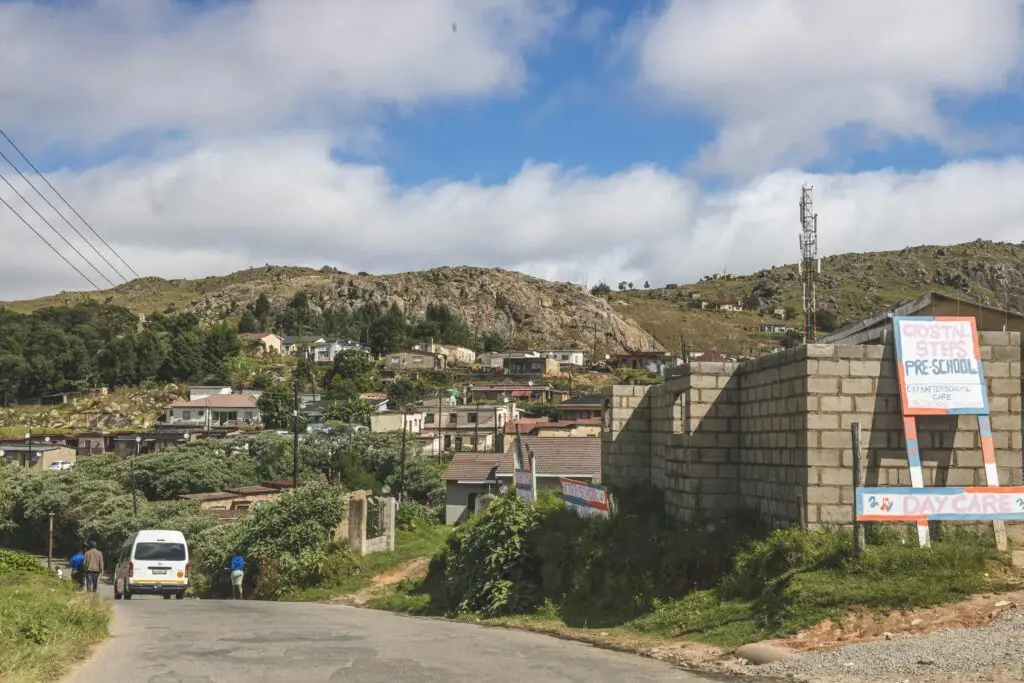
Eswatini’s landscapes shift dramatically as one moves from the cool highveld in the west to the hot lowveld in the east. The highveld, a region of rolling hills, rivers, forests, and dramatic granite peaks, resembles a tropical version of the Scottish Highlands—green, misty, and mysterious. The air here is cooler, fresher, and scented with eucalyptus and pine. Rivers flow through deep valleys, carving their way through ancient rock, and waterfalls tumble gracefully into natural pools. This is a region perfect for hiking, scenic drives, and exploration, where small villages cling to hillside slopes and where herders walk cattle along narrow mountain paths as they have for centuries.
Moving eastward, the landscape opens into broad savannas, thornveld, and warm grasslands dotted with acacia trees. The lowveld is home to Eswatini’s major wildlife reserves, where elephants, rhinos, lions, antelopes, zebras, giraffes, and countless birds roam freely. This region experiences hotter temperatures, with the sun casting long shadows across golden plains. The transition between landscapes is not abrupt but gentle, allowing travelers to watch the terrain shift and soften as altitude changes. This variety gives Eswatini a sense of geographical richness uncommon for a country of its size.
Rivers such as the Great Usutu, Ngwavuma, and Komati wind their way through the kingdom, bringing life to farmlands and villages. The rivers not only sustain agriculture but also shape local culture, providing places for fishing, ritual purification, and family gatherings. Along the banks, reeds grow tall, used by artisans to weave traditional baskets and mats—a craft deeply tied to Swazi identity. The interplay between water, mountain, grassland, and forest creates a mosaic of ecosystems that support a surprising variety of wildlife, plants, and communities.
Mbabane – The Mountain Capital
Perched high in the misty hills, Mbabane feels more like a mountain retreat than a capital city. The streets curve around steep slopes, flanked by clusters of colorful buildings, hotels, markets, and administrative centers. The weather here is cool compared to other parts of Eswatini, with fog rolling through the valleys in the mornings and evenings. This gives Mbabane a cozy, quiet charm that sets it apart from the noisy capitals of other African nations. Despite its administrative role, Mbabane retains a relaxed atmosphere; people walk unhurriedly, markets buzz gently, and the city never feels overwhelming.
The surrounding highlands give Mbabane stunning scenery. Granite domes rise like ancient guardians around the city, and mountain passes offer expansive views over valleys filled with fields and forests. Just outside the city lies the Mlilwane highlands, the Mdzimba Mountains, and numerous hiking trails, making Mbabane an excellent base for nature lovers. The city also contains a lively craft market, where artisans from across the kingdom sell woodcarvings, beaded jewelry, woven baskets, textiles, and pottery. These crafts represent the cultural heritage of Eswatini—objects shaped by hand, tradition, and ancestral knowledge.
Manzini – Markets, Trades, and Cultural Life
If Mbabane is the quiet administrative heart of the kingdom, Manzini is its vibrant commercial center. Known for its energetic market and bustling streets, Manzini pulses with local life. The market itself is a sensory experience: the smell of grilled corn and roasted meat, the bright colors of fabrics fluttering in the wind, the sound of vendors calling out prices, and the movement of people weaving between stalls. Traditional healers offer herbal remedies, women sell handwoven baskets, and children dart through the crowds with effortless agility. Manzini captures the essence of Swazi daily life—a blend of modern commerce and traditional trade that coexists seamlessly.
Despite the city’s busyness, Manzini also carries a warm and inviting atmosphere. Cafés, shops, craft stalls, and transport hubs create a sense of movement, but the pace is never rushed. It is a city where travelers can easily blend in, explore, and interact with locals. Manzini also serves as a gateway to rural areas, making it an important hub for transportation and culture.
Royal Heritage and the Monarchy of Eswatini
Eswatini is one of the world’s last remaining absolute monarchies, and the royal family plays a central role in national identity, cultural continuity, and ceremonial life. The monarchy is not just a political institution but a spiritual and cultural symbol that binds the nation together. The King, known as Ngwenyama (“the lion”), and the Queen Mother, Ndlovukazi (“the elephant”), represent balance, tradition, and the dual leadership that defines the Swazi system. This dual monarchy is rooted in ancient customs, where the king symbolizes power, unity, and leadership, while the queen mother embodies wisdom, fertility, and ancestral authority.
Royal ceremonies remain an essential part of Eswatini’s cultural fabric. These events bring together tens of thousands of people from across the kingdom, dressed in vibrant traditional attire, singing, dancing, and reaffirming cultural identity. The monarchy’s role in preserving these traditions makes Eswatini one of the most culturally cohesive nations in Africa. Visitors who witness these ceremonies often describe them as powerful, emotional, and transformative experiences—moments where the country’s soul reveals itself openly.
The Umhlanga Reed Dance – Celebration of Culture and Unity
The Umhlanga Reed Dance is perhaps the most famous cultural event in Eswatini. Held annually, it brings together tens of thousands of young women who gather reeds, present them to the Queen Mother, and then participate in days of singing and dancing in traditional attire. The sight of thousands of women dancing in unison is breathtaking; their movements, colors, and harmonies create a sense of unity and pride that resonates deeply. The Reed Dance reflects values of purity,Strength, solidarity, and respect for the monarchy. Although deeply traditional, the event feels overwhelmingly alive, a living testament to the kingdom’s cultural backbone.
Wildlife and National Parks of Eswatini
Eswatini’s wildlife reserves form the ecological heart of the kingdom, each sanctuary reflecting a different aspect of the country’s natural splendour. Despite its small size, Eswatini hosts some of Southern Africa’s most intimate and well-managed conservation areas, where animals roam freely across savannas, riverbanks, forests, and wetlands. These parks are not vast like Kruger or Serengeti, yet they offer something arguably more meaningful: closeness. In Eswatini, wildlife experiences feel personal, peaceful, and unhurried, allowing visitors to observe animals in a natural environment without crowds or noise. Because the reserves are smaller, wildlife sightings often feel more immediate; travellers find themselves face-to-face with grazing antelope, drinking elephants, curious giraffes, or rhinos resting in the shade of acacia trees.
The conservation philosophy in Eswatini reflects deep respect for tradition and land. Many reserves are managed through community-based initiatives or royal conservancies, ensuring that wildlife preservation is woven into national culture rather than existing as a separate system. The people of Eswatini understand that the land sustains them, and that animals are part of their ancestral identity. As a result, the parks feel protected not only by fences or regulations but by cultural pride and generational stewardship.
Hlane Royal National Park – Lions, Elephants, and Royal Wilderness
Hlane Royal National Park is the kingdom’s largest protected area and perhaps its most iconic. The name “Hlane” means “wilderness,” and the park lives up to its title with expansive savannas, ancient hardwood forests, and wide open plains where lions, elephants, rhinos, and numerous antelope species roam. Because Hlane is a royal reserve, its presence feels deeply tied to Eswatini’s heritage. The monarchy has long been involved in wildlife protection, and Hlane reflects this legacy through its careful conservation and respect for the natural environment.
Visitors entering Hlane immediately feel the shift—the air becomes stiller, the trees stand older, and the sense of ancient wilderness settles over the landscape. Lions often rest beneath shade trees, their golden coats blending with the dusty grass. The presence of these predators creates an atmosphere both exhilarating and humbling, reminding travellers that they are stepping into a realm shaped not by people, but by nature. Elephants wander slowly across the plains, shaking dust from their ears or drinking from waterholes. Rhinos graze with steady, powerful movements, their prehistoric forms adding a majestic weight to the scene. The birdlife is equally impressive, with vultures, eagles, hornbills, and kingfishers filling the skies and riverbanks.
Hlane feels like the soul of Eswatini’s wilderness—a place where the kingdom’s respect for nature becomes tangible.
Mlilwane Wildlife Sanctuary – History, Nature, and Peaceful Landscapes
Mlilwane Wildlife Sanctuary, Eswatini’s oldest protected area, carries a special significance within the kingdom. It is not just a reserve; it is a story of restoration. Before its establishment, the region suffered from overuse and deforestation. Visionaries and conservationists worked hand in hand with the royal family to restore balance to the land, reintroducing wildlife, rehabilitating ecosystems, and cultivating a sanctuary that is now one of the most serene protected areas in Southern Africa.
Mlilwane feels like a living museum of Eswatini’s natural heritage. Rolling hills, open grasslands, quiet lakes, and forests create a soft, inviting landscape ideal for walking, horseback riding, and slow exploration. Because Mlilwane is predator-free, travellers move freely along trails, encountering zebras grazing near rivers, warthogs trotting proudly, and antelope leaping gracefully across fields. The sanctuary’s peacefulness makes it a favourite for families, birdwatchers, and nature enthusiasts who want to connect deeply with the land.
The backdrop of Execution Rock, an imposing granite mountain, adds dramatic beauty to the sanctuary. Legends associated with the rock reveal cultural insights and traditional beliefs, connecting the natural world with Eswatini’s spiritual heritage. Mlilwane, more than any other reserve, blends culture and nature in a way that feels uniquely Swazi.
Mkhaya Game Reserve – Protecting Eswatini’s Rhinos
Mkhaya Game Reserve, located in the lowveld, is dedicated primarily to the protection of endangered species—especially black and white rhinos. Because the reserve operates as a controlled conservation zone, wildlife encounters here feel intimate and immersive. Travellers often describe their time at Mkhaya as one of the most unforgettable experiences in Eswatini, not because of dramatic landscapes but because of the emotional closeness to the animals themselves.
Within Mkhaya’s thornveld and riverine forests, rhinos wander in peace, protected from poaching by one of Africa’s most effective conservation systems. The reserve is also home to sable antelope, roan antelope, buffalo, giraffe, and many smaller species that thrive in this carefully protected environment. Vehicles move slowly through the reserve so that visitors can absorb the details: the sound of rustling leaves, the crunch of footsteps on dry earth, the way sunlight filters through thorn trees.
Mkhaya symbolizes Eswatini’s unwavering commitment to conservation—a small country with a big heart for wildlife protection.
The Highlands and Mountains of Eswatini
The western highlands of Eswatini form one of the most breathtaking natural regions in Southern Africa. Granite mountains rise steeply from the earth, covered in forests, grasslands, and mist that drifts across the peaks at dawn. The air carries freshness, scented with pine, eucalyptus, and flowering plants. Valleys open suddenly into sweeping views, creating landscapes that feel ancient, dramatic, and deeply peaceful.
The highveld’s rolling hills are dotted with rural homesteads, grazing cattle, and terraced fields. Farmers cultivate maize, sweet potatoes, and vegetables while maintaining traditional lifestyles rooted in community and family. The sound of cowbells echoes across hills, and children walk along dirt paths to school as the sun rises. This harmony between land and community gives the highveld a sense of authenticity that travellers rarely encounter elsewhere.
Eswatini’s mountains hold cultural significance as well. Many peaks are associated with legends, ancestral spirits, and oral history. The land is not only beautiful—it is storied. Local guides often share these narratives with visitors, giving depth to the scenery and creating a connection between cultural memory and physical landscape.
The Ezulwini Valley – The Valley of Heaven
Between Mbabane and Manzini lies the Ezulwini Valley, whose name translates to “Valley of Heaven,” a title that suits it perfectly. The valley stretches across fertile land surrounded by green mountains, creating a landscape that feels both serene and majestic. The golden light of sunrise illuminates the valley with a warm glow, casting long shadows over rolling fields and traditional homesteads. In the evenings, the valley fills with soft colors as the sun disappears behind the hills, creating a peaceful atmosphere that feels almost sacred.
Ezulwini is also the cultural heart of the kingdom. Here, royal residences, cultural villages, craft markets, and historical sites blend with modern hotels, restaurants, and gathering places. Travellers often describe Ezulwini as the perfect balance between tradition and modernity—a place where ancient rituals continue to thrive while contemporary Swazi life blossoms around them.
The valley’s forests, hiking trails, and rivers attract nature lovers, while its cultural attractions offer deep insight into Swazi identity. Ezulwini embodies the essence of Eswatini: a land rooted in heritage, surrounded by beauty, and guided by the warmth of its people.
Swazi Culture, Traditions, and Community Life
Eswatini’s cultural identity is one of the strongest and most cohesive in Africa, rooted in centuries-old customs, communal values, and deep respect for ancestry. Traditional beliefs and modern influences coexist peacefully, shaping a society where heritage is not merely preserved but lived. In rural villages, elders gather beneath the shade of large trees to discuss community matters, young men tend to cattle, and women weave baskets while sharing stories that have been passed down through generations. These scenes reflect the core of Swazi life: community, continuity, and connection to the land.
Swazi culture emphasizes respect—respect for elders, for family, for tradition, and for the monarchy. This cultural foundation is visible everywhere, from greetings shared in the streets to the way ceremonies are conducted on royal grounds. Hospitality forms a central pillar of Swazi identity; visitors are often welcomed with warmth, curiosity, and generosity. Sharing food, drink, music, and stories is an important part of social interaction, creating bonds that transcend background or nationality. The emphasis on togetherness means travellers rarely feel like outsiders, even in remote areas where modernity has only lightly touched daily life.
Traditional attire remains a significant expression of identity. The lihiya, a brightly colored cloth worn by both men and women during ceremonies, carries symbolic designs that reflect lineage, values, and belonging. Beadwork plays an important role in fashion and communication; each color and pattern holds meaning, representing love, grief, respect, or celebration. Music and dance, intertwined with spirituality, accompany nearly every important event, from weddings to harvest rituals. The Swazi people do not simply dance—they express emotion, pride, and connection to ancestors through movement.
Traditional Villages and Rural Heritage
In Eswatini’s countryside, traditional villages preserve the architecture and social organization of past generations. Homesteads typically consist of circular houses built from mud, grass, and timber, arranged around a central cattle enclosure known as the kraal. The kraal is more than just a functional space—it is the spiritual heart of the homestead, representing wealth, continuity, lineage, and ancestral connection. Cattle play a crucial role in Swazi society, serving not only as economic assets but also as symbols of honor and ritual importance.
Life in these villages unfolds with a rhythm that mirrors the rising and setting of the sun. Children wake early to help with chores, adults work in fields or tend livestock, and evenings are filled with communal gatherings where stories are shared, fires crackle, and drums echo in the distance. Travellers who visit rural communities often describe their experiences as grounding and humbling. The simplicity, authenticity, and warmth found in these areas reveal a lifestyle deeply attuned to nature and tradition—one that remains resilient despite the pressures of modernity.
Eswatini’s Festivals, Dance, and Living Traditions
Eswatini is famous for its annual cultural festivals, where thousands gather in displays of unity, history, and royal ceremony. Beyond the celebrated Umhlanga Reed Dance, the Incwala Ceremony stands as one of the most spiritually significant events in the kingdom. Often described as the “First Fruits Ceremony,” Incwala blends ancestral worship, renewal rituals, and royal symbolism into a powerful cultural event. The king participates in the ceremony as both a leader and a spiritual figure, representing unity, continuity, and the strength of the nation. The dances, songs, and rituals that take place during Incwala connect the living with the ancestors, reaffirming the kingdom’s spiritual foundations.
Swazi dance is one of the most captivating cultural expressions in the country. The rhythms of drums, the stamping of feet against the earth, the harmonious chanting, and the synchronized movements of dancers create performances that feel alive with energy. The sibhaca dance, performed by men, features powerful kicks, stomping, and deep chants, reflecting bravery and strength. Women’s dances, often part of ceremonies, emphasize grace, unity, and community. Music is performed with traditional instruments such as drums, rattles, and flutes, each adding layers of rhythm and emotion.
These festivals are not staged for tourists—they are living traditions, preserved and practiced by communities as expressions of identity and continuity. Travellers fortunate enough to witness them often speak of an overwhelming sense of connection, as if stepping into a world where time expands and heritage becomes tangible.
Craftsmanship, Markets, and Artisans of Eswatini
Eswatini’s craft culture is one of the most vibrant in Southern Africa. The kingdom’s artisans are known for their exceptional skill, creativity, and dedication to preserving ancestral knowledge. Craft markets across the country overflow with woven baskets, carved wooden sculptures, pottery, textiles, beadwork, candles, and traditional musical instruments. Each item reflects not only artistic talent but also the stories and traditions of the people who create them.
Basket weaving, in particular, is a revered craft. Artisans use reeds harvested from riverbanks, transforming them into intricate baskets, mats, and household items. The patterns and colors of these baskets often signify cultural symbolism, with some designs passed down through generations of weavers. Woodcarving is another important art form, producing masks, animals, utensils, and ceremonial objects. These carvings often depict stories from Swazi folklore, embodying the country’s mythological heritage in tangible form.
Among Eswatini’s most recognized cultural exports are its hand-poured candles, designed in bold patterns inspired by wildlife, nature, and traditional motifs. Candle-making has become both an art form and a major livelihood for many communities. Visitors are often drawn to the detail, creativity, and individuality of each candle, which feels as much a cultural artifact as a functional object.
Craftsmanship in Eswatini is more than economic activity—it is a continuation of heritage, a way of preserving identity, and a reflection of pride. Meeting artisans in their workshops provides a glimpse into the patience, skill, and storytelling that go into each creation.
Cuisine and the Flavors of Eswatini
Eswatini’s cuisine reflects its landscapes, cultural traditions, and agricultural heritage. Meals are typically simple yet rich in flavor, prepared using fresh ingredients sourced from local fields, gardens, and markets. Maize serves as the foundation of many dishes; it is often ground into mealies or prepared as sidvudvu, a soft pumpkin-and-maize dish that carries a comforting, earthy taste. Beans, sweet potatoes, spinach, pumpkin leaves, peanuts, and seasonal vegetables form essential components of Swazi diets, providing nourishment and variety.
Cattle hold significant cultural importance, so beef plays a major role in festive meals. Grilled or stewed meats, often seasoned with traditional herbs, are served during ceremonies, weddings, and communal gatherings. Chicken and goat dishes are also common, especially in rural areas where families raise their own livestock. Milk and dairy products, including sour milk known as emasi, are deeply valued for both nutrition and cultural meaning.
The warmth of Swazi cuisine comes not only from its flavors but from the communal nature of eating. Meals are shared, enjoyed slowly, and accompanied by conversation. Whether eating in a village, a lodge, or a family home, travellers experience dishes that reflect the heart of Eswatini—nourishing, humble, and deeply connected to the land.
Daily Life and Social Fabric
Life in Eswatini flows with a gentle rhythm shaped by land, tradition, and community. Mornings begin early, with roosters crowing, fires burning, and mist rising from the valleys. Children walk to school along dusty paths, waving as they pass by. Farmers head to the fields, women fetch water or tend to gardens, and elders greet neighbours while discussing village affairs. The simplicity of these routines creates a powerful sense of calm and grounding.
Evenings in rural communities are filled with warmth. Families gather outside their homesteads as the sun sets, cooking meals over open fires, sharing stories, and listening to the distant beat of drums. Stars fill the sky with extraordinary clarity due to the lack of light pollution, creating nights that feel vast and serene. Social connections are the backbone of Swazi life; neighbours look after one another, children play freely, and ceremonies bring the entire community together.
In urban areas like Mbabane and Manzini, life moves faster but retains the Swazi friendliness and warmth. Markets bustle with movement, minibuses weave through streets, and cafés fill with people discussing everything from football to politics. Despite modernization, the sense of community remains strong, grounding city life in cultural continuity.
Music, Spirituality, and the Rhythms of Swazi Identity
Music in Eswatini is more than entertainment—it is a living expression of identity, spirituality, and collective memory. The rhythms of Swazi drums echo through valleys during ceremonies, announcing not just celebration but continuity. Drumming carries symbolic weight, representing communication between the living and the ancestors, guiding dancers, and marking important transitions in the cycle of life. The deep, resonant beats of large cowhide drums create an emotional energy that travellers feel physically, vibrating through the ground and into the chest. These sounds have accompanied Swazi ceremonies for centuries, linking present generations with those who came long before.
Spirituality in Eswatini blends traditional belief systems with Christianity, creating a cultural landscape that feels layered, dynamic, and deeply rooted. Many Swazis attend church on Sundays, participating in services filled with singing, dancing, and community unity. Yet at the same time, traditional spiritual practices remain influential, especially in rural areas where ancestral guidance, herbal knowledge, and ritual practices play important roles in daily life. The belief that ancestors watch over families, guide decisions, and protect communities brings a sense of continuity between worlds. Travellers often sense this spiritual depth in the way Swazis speak about family, land, and tradition—everything is connected, balanced, meaningful.
Music shapes everyday life as well. From gatherings around evening fires to large festivals, harmonies emerge naturally. Singing is a communal act, blending voices into soundscapes that feel both soothing and powerful. Whether it is a lullaby sung to a child or the thunderous energy of a ceremonial dance, Swazi music carries an emotional quality that stays with travellers long after they leave the kingdom. The blend of drums, chants, call-and-response patterns, and melodic flutes reveals a people deeply attuned to rhythm, community, and the spiritual essence of life.
The Climate and Seasons of Eswatini
The climate of Eswatini contributes to its varied landscapes and the lifestyles shaped by them. Because the country sits at different elevations—from high mountain peaks to low savannas—the weather is diverse and changes significantly across regions. The highveld, where Mbabane and the western mountains are located, experiences cool, misty mornings, fresh breezes, and moderate temperatures throughout much of the year. Clouds often cling to mountaintops, creating dramatic scenes as sunlight breaks through, illuminating hills, forests, and valleys with golden light. Even in summer, the highveld maintains a refreshing coolness that contrasts sharply with the heat of the lowveld.
The middleveld, with its rolling hills and fertile lands, experiences warm yet comfortable conditions. Here, agriculture flourishes, producing crops that sustain rural communities. The green landscapes of the middleveld come alive during the rainy season, when afternoon showers nourish fields and fill rivers. The rain brings out the vibrancy of Eswatini’s flora, transforming hills and meadows into lush, colourful terrain.
In the lowveld, where national parks and game reserves dominate the landscape, the climate becomes hot and dry, particularly in the summer months. The sun casts long shadows across the savanna, and acacia trees stand silhouetted against bright skies. Dry seasons reveal the harsh beauty of the land, while rainy seasons transform the savanna with new grasses, blooming flowers, and replenished waterholes. The changing climate shapes animal behavior, making wildlife viewing different depending on the time of year. No matter the season, the lowveld carries its own charm—sometimes fiery and intense, other times soft and green, but always captivating.
Eswatini’s seasonal changes add depth and variety to the travel experience. Whether watching morning mist drift across the mountains, feeling the heat of the savanna under a vast sky, or hearing rain fall gently on thatched rooftops, visitors encounter a country whose climate enhances its emotional and geographical richness.
Rural Villages, Mountain Homesteads, and the Heart of Eswatini
The heart of Eswatini lies in its rural homesteads and mountain communities, where life unfolds slowly and meaningfully. Travellers driving through the highlands often see smoke rising gently from cooking fires, children herding goats along hillside paths, and farmers working terraced fields carved into the slopes. These scenes, framed by dramatic granite peaks and endless horizons, reflect a lifestyle deeply connected to nature. The land is not merely a resource—it is a living partner, respected, tended to, and relied upon for sustenance.
Traditional homesteads blend harmoniously into the landscape. Round huts with thatched roofs sit among fields of maize and vegetable gardens. Wooden fences encircle kraals where cattle rest, symbolic of wealth, heritage, and spiritual significance. The homestead is the center of social life—a place where families gather, elders offer wisdom, and children learn traditions that shape their identities. Evenings bring a sense of calm as families sit outside, sharing food, stories, and the warmth of companionship. The sky fills with stars, unaffected by light pollution, revealing the full brilliance of the southern night.
Travellers who spend time in rural communities often speak of the deep peace they feel. The absence of noise, the clarity of the air, and the authenticity of daily life create a sense of grounding. Eswatini’s rural areas offer more than scenery—they offer perspective. They encourage visitors to slow down, listen, observe, and appreciate the rhythm of life that has existed here for generations. In these mountain villages, one begins to understand that Eswatini’s beauty is not only physical but also emotional and cultural.
Modern Nature Reserves and Evolving Conservation Identity
While Eswatini honours its deep tradition, it also embraces modern ecological management. Conservation areas like Hlane, Mlilwane, and Mkhaya are constantly evolving, integrating scientific research with community involvement and royal oversight. The kingdom’s conservation philosophy is built on balance—balancing human needs with ecological health, tradition with progress, and wildlife protection with sustainable land use.
Many reserves work closely with local communities, offering employment, education, and long-term benefits that reinforce the importance of protecting the land. As a result, people feel connected to the reserves not just as visitors or observers, but as guardians. Conservation becomes a collective effort, rooted in pride and responsibility. This unique model allows Eswatini to maintain high levels of biodiversity despite its small size.
Travellers exploring the reserves encounter landscapes that feel carefully nurtured yet wild, serene yet powerful. The whisper of wind through tall grasses, the distant trumpet of an elephant, the soft splash of a fish breaking the surface of a river—all these sounds reveal the health of the ecosystem. Eswatini’s conservation identity is not about grand scale; it is about meaningful, measurable, and sustainable stewardship. This approach resonates strongly with travellers who value intimate, ethical wildlife experiences.
The Emotional Experience of Traveling Through Eswatini
Eswatini captivates travellers not only through its landscapes and culture but through its emotional resonance. The kingdom feels gentle yet powerful, humble yet confident, small yet expansive in spirit. Travellers often describe a sense of calm that settles over them as they journey through the mountains, walk through grasslands, or participate in cultural experiences. The pace of life slows, the noise of the outside world fades, and something deeper emerges—connection. Eswatini encourages visitors to feel deeply, to observe closely, and to appreciate the beauty of simplicity.
Whether it is the sound of traditional drums echoing across a valley, the sight of mist rising from green hills, the warmth of a family inviting strangers to share a meal, or the silent awe of standing before a grazing rhino, Eswatini speaks to the heart. It offers moments of stillness and moments of exhilaration, weaving them together into a journey that feels timeless. The emotional impact of Eswatini lingers long after travellers return home, shaping memories that remain vivid for years.
Why Eswatini Remains One of Africa’s Most Underrated Destinations
Eswatini is one of those rare destinations that leaves a deep, unexpected imprint on travellers. It is not a country shaped by towering skyscrapers, vast national parks, or dramatic coastlines, but by something far more intimate—its people, its rituals, its land, and its spirit. The kingdom’s power lies in its ability to invite visitors into a world where tradition is alive, where community still determines the rhythm of the day, and where nature stretches out in quiet, breathtaking forms. Travellers arrive expecting a quick stop between South Africa and Mozambique, but they leave with memories they carry for years. Eswatini is small, yes, but emotionally it is immense, offering connections that feel personal, soulful, and lasting. The kingdom’s landscapes—mountains wrapped in mist, golden savannas dotted with wildlife, deep forests echoing with bird calls—capture the imagination. But it is the warmth of the Swazi people, the intimacy of cultural experiences, and the sense of authenticity that linger most vividly.
Unlike destinations where tourism crowds overwhelm the experience, Eswatini offers space. Space to breathe. Space to listen. Space to watch the world unfold slowly. Travellers stand on a hillside at sunrise, watching the sky shift into hues of orange and pink as cattle move quietly across the fields. They sit by a riverbank as dragonflies skim the surface, or follow a dirt path into a village where children run barefoot, laughing freely. These moments add up to something profound—an understanding of life that is anchored in community, land, rhythm, and continuity. Eswatini is not a performance for visitors; it is a living world, honest and unfiltered.
A Kingdom Where Tradition Shapes Modern Life
What makes Eswatini particularly extraordinary is how seamlessly the past and present intertwine. The monarchy remains a central pillar of national identity, guiding cultural ceremonies and shaping the kingdom’s moral foundation. Traditional festivals such as the Umhlanga Reed Dance or the Incwala Ceremony do not exist to entertain travellers—they exist because they define the fabric of Swazi life. These ceremonies are expressions of unity, discipline, pride, and spirituality. They reveal the heartbeat of the nation in ways that feel deeply moving. Travellers who witness them often describe standing among thousands of singers, dancers, and drummers as one of the most powerful cultural moments of their lives.
Yet outside these grand ceremonies, tradition continues in quieter forms. Families gather each evening to share stories and meals. Artisans pass down weaving techniques to apprentices. Healers prepare herbal medicines using plants collected from nearby hillsides. Farmers mark the seasons with rituals linked to ancestral blessings. These everyday acts keep culture alive in a way that feels natural—not preserved for show, but lived with sincerity and purpose. Eswatini teaches visitors that tradition is not something to display; it is something to embody.
A Landscape That Feels Alive With Story and Spirit
Travellers who move through Eswatini’s mountains, forests, and savannas often describe an overwhelming sense of serenity. The land feels ancient, untouched, and sacred. The mountains seem carved by the hands of time, their granite faces weathered and wise. Valleys hide rivers where dragonflies glimmer in the afternoon sun. Grasslands sway in the wind, creating rippling waves of gold beneath a flawless sky. Wildlife adds life to every scene—zebras grazing peacefully, rhinos resting in the shade, hornbills flying low over the trees. Whether one is hiking, driving, or simply sitting and observing, the scenery feels like an embrace.
Even the silence in Eswatini is meaningful. In the highveld, the morning mist rolls across the hills like a slow breath. In the lowveld, the heat vibrates across the plains, distorting the horizon. Travellers feel the land in their bones—its quiet power, its resilience, its history. This connection is what makes Eswatini unforgettable. The kingdom becomes not just a place one has visited, but a place one has felt.
Encounters That Shape Memory
What truly defines Eswatini, beyond its nature and culture, is its people. The Swazi community is warm, open, and deeply respectful. Travellers are greeted with friendly waves, genuine conversations, and offers to share food or drink. Children run up to strangers with curiosity and joy, eager to practice a few English words or simply smile. Elders speak with wisdom, often sharing stories about traditions, family, and the importance of living in harmony with the land. Guides in the national parks share their knowledge with pride. Artisans speak passionately about their crafts. Families invite visitors into their homes with a level of kindness that feels humbling.
These interactions create the essence of Eswatini. Travellers leave not with a list of attractions visited but with faces, voices, and moments etched into their memory. A shared laugh at a local market. A quiet conversation beside a campfire. A moment of connection during a village ceremony. These emotional impressions shape the true story of the journey.
The Lasting Impression of the Kingdom
In the end, what makes Eswatini remarkable is that it offers something many destinations have lost: authenticity. Nothing here feels manufactured or rushed. Time moves at a gentler pace. People live in harmony with their land, respect their elders, honor their traditions, and embrace visitors with sincerity. Travellers often say that Eswatini feels like a world preserved—not frozen, but protected. It is a place where one can breathe deeply, reflect on what matters, and reconnect with the essence of life.
Eswatini is a kingdom of mountains and savannas, of drums and dances, of laughter and silence, of tradition and transformation. It is a land where the sunrise feels sacred, where community binds people together, and where nature unfolds in soft, meaningful ways. For those who seek not just to see a place but to feel it—Eswatini stands as one of Africa’s greatest treasures.
When travellers leave Eswatini, they carry with them a quiet sense of gratitude. Gratitude for the warmth of its people, the beauty of its landscapes, the depth of its culture, and the calm it brings to the soul. Eswatini is not just a country on a map. It is a kingdom of the heart—small in size, immense in spirit, and unforgettable in memory.
Related Amazing Bucketlist Articles
- 5 Once-in-a-Lifetime Floating Stays
- Hurawalhi Island Resort
- Top 10 Most Romantic Countries in the World for Couples