
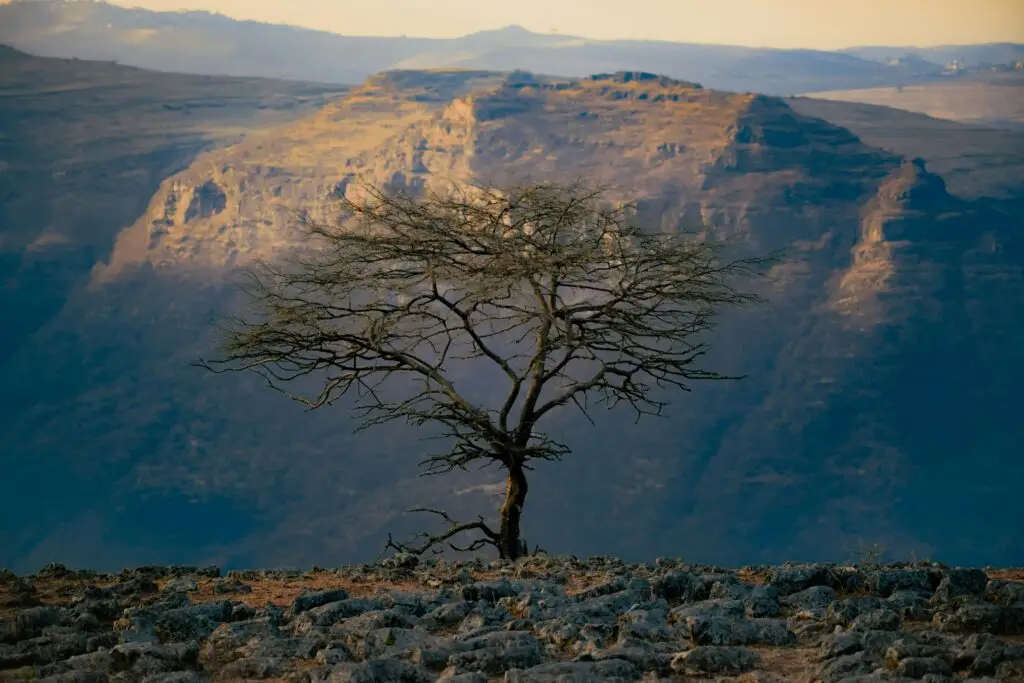
Ethiopia complete Travel guide
Ethiopia is one of the most historically rich, culturally vibrant and geographically dramatic countries on Earth. It is a nation where ancient civilizations flourished thousands of years before many European cultures even developed written language. It is a land of high plateaus, deep valleys, volcanic deserts, massive lakes, rock-hewn churches, medieval castles, wildlife-filled forests and vibrant cities. Ethiopia stands apart from every other African country due to its unique alphabet, its own calendar, its own time-keeping system, an ancient monarchy that traces its origins to the Queen of Sheba, and a rich religious heritage deeply woven into daily life.
The landscapes of Ethiopia are incredibly diverse. The Ethiopian Highlands rise above 3000 meters, forming one of Africa’s grandest mountain systems. The Danakil Depression descends far below sea level into one of the hottest environments on the planet. The Rift Valley cuts through the country with a chain of lakes teeming with birds and hippos. Waterfalls, deserts, volcanic craters, green hills and coffee forests create an endless tapestry of natural beauty. Ethiopia is also home to some of Africa’s most important archaeological sites, including discoveries that helped shape our understanding of human evolution.
Culturally, Ethiopia is a mosaic of more than eighty ethnic groups, each with its own language, traditions, music and cuisine. Amhara, Tigray, Oromo, Afar, Somali, Sidama and dozens of other cultures coexist within one nation. Christianity, Islam and traditional beliefs thrive side by side. Music is everywhere — from the rhythmic shoulder dances of the Amhara to the haunting melodies of Oromo flutes. Coffee ceremonies, traditional food served on injera bread, and hospitality rituals reflect a society built on community and respect.
Ethiopia is not only ancient — it is alive, dynamic and deeply welcoming. For travelers who seek a country filled with soul, diversity, majesty and stories, Ethiopia is one of the most captivating destinations in the world.
Addis Ababa: A Capital of Culture, Energy and Contrasts
Addis Ababa, the sprawling capital of Ethiopia, is a city of contrasts — modern skyscrapers beside traditional houses, bustling markets beside grand museums, coffee shops beside historic cathedrals. It is one of Africa’s most influential cities, serving as the headquarters of the African Union and a center of diplomacy.
The heart of Addis Ababa is Meskel Square, a massive open plaza that hosts celebrations, political gatherings and festivals. Traffic flows chaotically around the square, while pedestrians cross its wide concrete steps. Nearby museums, churches, hotels and shops create a vibrant urban core. The Ethiopian National Museum houses some of the world’s most important archaeological discoveries, including the famous skeleton of Lucy, a 3.2-million-year-old early human ancestor. Walking through its halls offers a deep sense of Ethiopia’s place in human history.
Addis Ababa is also home to the Ethnological Museum, located in the former palace of Emperor Haile Selassie. Its exhibits explore Ethiopia’s cultural diversity through music, crafts, ritual objects and daily tools. The Holy Trinity Cathedral, with its stained glass and imperial tombs, reflects the Ethiopian Orthodox faith that shapes much of the country’s identity.
Markets are another highlight. Merkato, one of Africa’s largest open-air markets, stretches across multiple districts. The market is a maze of stalls selling spices, coffee beans, textiles, baskets, pottery, jewelry, electronics, produce and traditional clothing. The air is filled with the smell of roasted coffee, incense and street food.
Addis is also a city of neighborhoods, each with its own character — from Bole’s modern cafes and restaurants to Piazza’s old Italian-style architecture. Coffee shops are essential to the city’s culture, offering some of the best coffee in the world. Ethiopian coffee ceremonies — roasting beans over charcoal, grinding them by hand, brewing in a jebena pot — remain a deeply meaningful ritual.
Addis Ababa is not just a gateway to the rest of the country. It reflects Ethiopia’s past, present and future, offering a fascinating introduction to its stories and spirit.
The Historic North: Ancient Kingdoms, Rock-Hewn Churches and Sacred Landscapes
Northern Ethiopia is one of the world’s greatest regions for history lovers. It contains medieval cities, ancient monoliths, rock-hewn churches, royal castles and archaeological wonders.
Lalibela: The New Jerusalem
Lalibela is one of Ethiopia’s most extraordinary destinations. Carved directly into solid rock during the 12th and 13th centuries, its eleven monolithic churches are masterpieces of architecture and devotion. The churches were built by order of King Lalibela, who intended to create a “New Jerusalem” after pilgrimage to the Holy Land became too dangerous.
Walking through Lalibela feels like stepping back in time. Pathways cut into the rock lead to sunken courtyards where churches rise from below ground level, their façades carved with windows, columns and arches. Inside, the air smells of incense and candle wax. Priests chant ancient liturgies in Ge’ez, the old liturgical language still used in the Ethiopian Orthodox Church.
Bete Giyorgis, the Church of Saint George, is the most iconic. Shaped like a perfect cross and surrounded by deep rock trenches, it stands untouched by time. The churches are active places of worship, especially during holidays like Timkat (Epiphany), when thousands of pilgrims gather in Lalibela dressed in white robes.
Axum: Birthplace of an Ancient Empire
Axum (Aksum) is one of Africa’s oldest cities, once the center of the powerful Axumite Empire. According to legend, it is also the resting place of the Ark of the Covenant, kept inside the Chapel of the Tablet next to the Church of Saint Mary of Zion. Only one guardian monk is allowed to see it.
Axum’s massive stone stelae fields feature towering monoliths carved from granite. The largest, now fallen, was over 30 meters tall. These stelae served as markers for ancient burial chambers and reflect extraordinary engineering skills. The ruins of ancient palaces, tombs and inscriptions reveal a civilization deeply connected to trade across Arabia, the Red Sea and Africa.
Gondar: Castles of the African Highlands
Known as the “Camelot of Africa,” Gondar was the capital during the 17th century. Its Royal Enclosure is filled with castles, palaces, banquet halls, libraries and ceremonial buildings built by successive emperors. Stone towers, arches and courtyards reflect a blend of Ethiopian, Portuguese and Indian architectural influences.
Nearby, Debre Berhan Selassie Church is one of Ethiopia’s most beautiful Orthodox churches. Its ceiling is covered with painted angels, each face unique, staring down from wooden panels.
The Simien Mountains
The Simien Mountains, a UNESCO World Heritage Site, are among Africa’s most dramatic landscapes. Peaks rise above 4000 meters, deep gorges slice through the plateau, and sheer cliffs drop into valleys far below. The mountains are home to unique wildlife, including:
Gelada baboons
Walia ibex
Ethiopian wolves
Many endemic birds
Hiking here offers breathtaking panoramas, crisp highland air and star-filled nights. The villages of the highlands reveal traditional lifestyles shaped by altitude, agriculture and pastoralism.
Northern Ethiopia is a region of towering achievements, both natural and human-made. It is where Ethiopia’s ancient soul feels most alive.
The Rift Valley Lakes: Wildlife, Culture and Warm Climate
The Great Rift Valley cuts through Ethiopia with a chain of lakes surrounded by forests, savannas, wetlands and volcanic landscapes. Each lake has its own character.
Lake Ziway, the northernmost, is filled with birds — pelicans, cormorants, herons, fish eagles — and fishermen who paddle reed boats across the water. Islands in the lake contain monasteries with ancient manuscripts and relics.
Lake Langano is popular for its brown-colored but swimmable waters, with resorts offering calm beaches, birdwatching and peaceful scenery. Nearby hot springs flow from volcanic ground.
Lake Awassa (Hawassa) is known for its morning markets where fishermen sell fresh tilapia as thousands of birds gather to feed. The shores are lined with palm trees, while hippos surface at dusk.
The southern lakes, including Abijatta and Shalla, sit inside a national park with flamingos, ostriches, hyenas, jackals and dramatic volcanic cliffs.
The Rift Valley offers warm temperatures, water activities, wildlife watching and relaxing escapes from the highlands.
The Omo Valley: Cultural Diversity and Ancient Traditions
Southern Ethiopia is home to one of the most culturally diverse regions in Africa — the Omo Valley. Dozens of tribes live here, each with distinct languages, dress, body art, rituals and social structures.
The Hamar are known for their bull-jumping initiation ceremony and ochre-covered hairstyles. The Mursi are famous for lip plates worn by some women and elaborate scarification. The Karo decorate their bodies with ash, chalk and ochre patterns. The Dassanech, Nyangatom, Ari, Benna, and Konso each contribute to the region’s incredible cultural mosaic.
Traditional markets bring tribes together to trade goats, honey, grains, tools and jewelry. Music and dance shape celebrations and ceremonies. Most communities practice agro-pastoral lifestyles, combining farming with cattle herding.
The Omo Valley offers a rare chance to witness ancient cultural traditions that have survived for centuries.
Harar: Walled City of History and Hyenas
Harar in eastern Ethiopia is a UNESCO World Heritage Site and one of the continent’s oldest Islamic cities. Known for its colorful alleys, mosques, markets and unique traditions, Harar has a distinct atmosphere shaped by Arab, African and Indian influences.
The city’s old town is surrounded by thick walls with narrow gates leading into a maze of passageways painted in vibrant blues, reds, greens and yellows. More than eighty mosques and shrines fill the old town, making Harar one of the most religious cities in East Africa.
Harar is also famous for its hyena feeding tradition. For generations, local men have fed wild hyenas outside the city walls at night, believing the animals bring spiritual protection. Visitors can watch hyenas approach calmly to eat scraps offered by hand or on wooden sticks.
Markets in Harar offer coffee, spices, baskets, textiles, khat leaves and handmade crafts. The city’s blend of history, architecture, culture and wildlife makes it unforgettable.
The Danakil Depression: Fire, Salt and Extreme Landscapes
The Danakil Depression in northeastern Ethiopia is one of the most extreme environments on Earth. It is a place of lava lakes, salt flats, sulfur fields, hot springs and volcanoes — a surreal landscape that feels almost extraterrestrial.
Temperatures can exceed fifty degrees Celsius. The ground often shimmers with neon yellow, green, orange and white mineral formations created by volcanic gases reacting with salt and sulfur. Pools bubble. Steam vents hiss. Crystals grow from the earth.
Erta Ale volcano contains one of the world’s few permanent lava lakes, glowing orange in the night. The trek to the crater crosses black volcanic rock and hardened lava fields. Watching molten rock swirl in an open lake of fire is one of Ethiopia’s most spectacular experiences.
Nearby, salt miners work in long caravans of camels, cutting blocks of salt from the earth and transporting them across the desert. This traditional trade has existed for centuries.
The Danakil Depression is challenging, remote and hot, but it offers some of the planet’s most astonishing natural wonders.
Wildlife and Natural Diversity
Ethiopia’s ecosystems range from high mountains to lowland savannas, cloud forests and deserts. This diversity supports a wide range of wildlife.
Unique Ethiopian species include:
Gelada baboons
Walia ibex
Ethiopian wolf
Mountain nyala
Menilik’s bushbuck
Blue-winged goose
Prince Ruspoli’s turaco
Savanna regions in the east and south support giraffes, lions, elephants, antelope, hyenas and zebras. The birdlife is especially rich — Ethiopia is one of Africa’s top birdwatching destinations, with colorful species appearing in every region.
Forests in the southwest hide coffee plants originally wild-grown in Ethiopia’s highlands. This is the birthplace of coffee, and traditional ceremonies celebrate its preparation and drinking.
Cuisine and Coffee Culture
Ethiopian cuisine is flavorful and communal. The base of most meals is injera, a spongy sourdough pancake made from teff flour. Upon this, stews called wot are served, made with lentils, chicken, lamb, beef, vegetables, spices and herbs. Berbere — a bright red spice blend — gives Ethiopian food its signature heat and aroma.
A typical meal is shared among diners, who tear pieces of injera and scoop up stews with their hands. Vegetarian dishes are common, especially during Orthodox fasting periods.
Ethiopia’s coffee culture is sacred. The coffee ceremony involves roasting beans on a metal pan, grinding them with a mortar, brewing them in a clay jebena, and serving three rounds of coffee in small cups. Incense burns during the ceremony, and neighbors gather to talk, laugh and share stories. Coffee is not just a drink — it is a symbol of hospitality, friendship and community.
Travel Practicalities
Travel in Ethiopia requires awareness of regional differences. Roads vary in quality. Distances between destinations are long. Weather changes drastically between highlands and lowlands. The best travel seasons are typically from October to March.
Amharic is the official language, but English is widely spoken in major cities. Local languages dominate rural regions.
Transport includes domestic flights, buses, private vehicles and minibuses. Food is fresh, flavorful and widely available.
Hospitality is a major cultural value — visitors are often welcomed warmly.
Why Ethiopia Leaves a Lasting Impression
Ethiopia is not simply a country — it is a world unto itself. A world of ancient stone churches hidden in mountains. A world of highlands where wolves run through Afro-alpine meadows. A world of deserts made of fire and salt. A world where cultures thrive with deep pride. A world of music, rhythm, spirituality and hospitality. A world where history stretches back to the dawn of humanity.
Ethiopia inspires, challenges, surprises and moves travelers with its beauty, diversity and soul.
It is one of the most remarkable countries on Earth.
 Related Articles
- Kakslauttanen Arctic Resort
- Top 10 Most Unique Places to Stay in Europe
- 10 Incredible Castles Around the World