GABON COMPLETE TRAVEL GUIDE
Gabon is one of the most biodiverse, pristine, and ecologically important countries in Africa. Situated along the Atlantic coast of Central Africa, bordered by Cameroon, Equatorial Guinea, and the Republic of the Congo, Gabon is a land where lush equatorial rainforests stretch endlessly, where elephants roam along white-sand beaches, and where rivers snake through untouched wilderness areas home to gorillas, chimpanzees, forest buffalo, and rare bird species. More than 80 percent of Gabon is covered by rainforest, making it one of the greenest countries on Earth. This dense, vibrant ecosystem forms part of the Congo Basin—the world’s second-largest tropical rainforest after the Amazon—and holds extraordinary wildlife populations, spectacular waterfalls, mangrove estuaries, and wetlands that remain largely unexplored.
Gabon is also exceptional because of its ambitious conservation vision. In 2002, the government designated 13 national parks, setting aside more than 10 percent of the country as protected land. This bold strategy instantly positioned Gabon as a global leader in conservation and eco-tourism. The parks include diverse landscapes: coastal savannas, dense rainforests, mineral-rich forests that attract forest elephants, remote rivers that house hippos and crocodiles, and lowland tropical jungles ideal for primates. The result is a country where nature still dominates daily life and where many regions remain as wild today as they were centuries ago.
Beyond its natural wonders, Gabon has a rich cultural mosaic formed by more than 40 ethnic groups, each with deep traditions, spiritual beliefs, music, and crafts. Fang, Kota, Punu, Nzebi, and Myene communities contribute to a cultural landscape defined by ceremonial dances, mask-making traditions, healing rituals, and storytelling. Libreville, the capital, blends African spirit with French influences from Gabon’s colonial past. Coastal towns, interior villages, and riverside settlements reveal the country’s dual identity—part modern, part deeply rooted in ancient community life.
This long-form Gabon travel guide explores the country’s history, geography, culture, wildlife, national parks, cities, villages, ecosystems, and travel information—delivering a complete 6000-word destination page ready for your Africa categories.
History of Gabon
Gabon’s history is shaped by ancient African kingdoms, European exploration, colonial influence, and post-independence development. Long before European contact, Gabon was inhabited by diverse Bantu-speaking peoples who migrated across the region centuries earlier. These groups established trade networks, iron-working centers, and spiritual traditions centered around ancestor worship and forest spirits. Fang, Kota, Myene, Punu, and Nzebi communities formed the foundation of modern Gabonese society and maintained political structures based on clans, chieftains, and elders.
The first Europeans to document Gabon’s coastline were Portuguese sailors in the 15th century. They named parts of the region based on physical geography; the name “Gabon” likely derives from the Portuguese word “gabão,” meaning “cloak,” inspired by the shape of the Komo River estuary. Over time, Dutch, British, and French traders visited the coastline, establishing trade posts that exchanged textiles, metals, spices, and other goods.
France gradually took control of the region during the 19th century. Libreville was founded in 1849 as a settlement for freed slaves, giving the city a symbolic name meaning “Free Town.” By the late 19th century, Gabon became part of French Equatorial Africa, and colonial rule intensified the extraction of timber, rubber, and minerals.
During the early 20th century, France invested in transportation infrastructure and administrative centers, laying the groundwork for modern Gabon. Independence was achieved in 1960, and Gabon emerged as a relatively stable African state. Oil discoveries transformed its economy, resulting in improved infrastructure and urban growth, especially in Libreville and Port-Gentil.
Today, Gabon stands at the crossroads of conservation and development. The country is investing heavily in eco-tourism, forest protection, and sustainable industries while preserving its cultural heritage and identity.
Geography and Natural Landscapes
Gabon’s environment is dominated by rainforest, covering one of the largest uninterrupted tropical forest blocks in Africa. This thick jungle creates a mosaic of ecosystems, including coastal mangroves, savannas, freshwater marshlands, lush equatorial forests, river networks, and mountainous highlands.
The Atlantic coastline stretches for more than 800 kilometers, featuring sandy beaches, tidal lagoons, bays, and mangrove forests. Some sections, like the remote shores of Loango National Park, are famous for wildlife sightings where elephants, gorillas, and hippos sometimes wander along the beach.
Inland, Gabon’s terrain consists of rolling hills, plateaus, and valleys carved by rivers such as the Ogooué, the country’s largest waterway. The Ogooué River connects interior regions to the Atlantic Ocean and supports fishing communities and transportation routes. Rainforests along the Ogooué basin are among the most biodiverse ecosystems in Africa.
To the east, Gabon’s landscapes rise into plateaus and low mountains, including the Chaillu Massif, home to remarkable waterfalls, forest clearings, and mineral-rich soils attracting large mammals. The Ivindo region contains dramatic features such as the Kongou and Djidji waterfalls, considered among the most spectacular in Africa.
Gabon’s climate is equatorial, characterized by warm temperatures, heavy rainfall, and high humidity. Two rainy seasons and two dry seasons shape wildlife movement, river levels, and forest growth. The constant moisture feeds dense vegetation and supports extraordinary biodiversity.
Culture and People of Gabon
Gabon is home to a rich tapestry of cultures shaped by dozens of ethnic groups, each with its own language, spiritual traditions, art forms, and social systems. Fang, the largest group, inhabit northern and central regions and are renowned for their wooden masks, reliquary figures, and initiation rituals collectively known as Bwiti. Bwiti is both a spiritual and healing tradition involving music, dance, and storytelling, often accompanied by the use of iboga, a sacred plant believed to connect participants with ancestors.
Kota communities are known for their iconic reliquary sculptures covered in shimmering metal. These sculptures protect ancestral bones and symbolize spiritual guardianship. The Punu people of southern Gabon craft white-faced masks used in ceremonial dances that celebrate femininity, elegance, and ancestry. Their masks are characterized by serene facial expressions and elaborate hairstyles.
Myene communities along the coast maintain fishing traditions, maritime skills, and songs passed down through generations. These coastal cultures reflect Gabon’s strong relationship with the sea.
Music is essential in Gabonese life. Traditional instruments like the harp-zither (ngombi), drums, rattles, and bamboo flutes accompany cultural events, funerals, weddings, and initiation ceremonies. Modern Gabonese music blends these traditions with contemporary African genres and global styles.
Family life and social cohesion remain central values. Villages are often organized around clans or extended families, and daily life emphasizes respect for elders, community work, and traditional governance structures.
Libreville: Gabon’s Capital
Libreville is Gabon’s vibrant capital and cultural melting pot. Located along the Atlantic coast, the city mixes modern development with traditional markets, colonial architecture, and seaside promenades. Libreville’s wide boulevards, palm-lined avenues, and sandy beaches create a tropical urban atmosphere.
The city’s neighborhoods reflect Gabon’s multicultural identity. Glass-and-steel buildings rise near traditional houses, and modern cafés sit beside open-air markets. The Mont Bouët Market is one of the most animated places in the city, overflowing with textiles, crafts, vegetables, spices, and daily goods. Libreville’s seafront is lined with palm trees, restaurants, and nightlife hotspots where locals gather to enjoy music and coastal breezes.
Cultural institutions include the National Museum of Arts and Traditions, which showcases Gabonese masks, sculptures, historical artifacts, and textiles. The Cathedral of St. Marie and the Omar Bongo Mosque offer insights into religious diversity.
Libreville is also the gateway to many national parks and coastal towns, making it an ideal starting point for exploring Gabon.
Port-Gentil and the Coastal Region
Port-Gentil, Gabon’s second-largest city, lies on an island near the mouth of the Ogooué River. It is known for its oil industry, colonial architecture, and lively atmosphere. The city has a more industrial feel than Libreville but offers beautiful beaches, upscale restaurants, and a vibrant expatriate community.
Outside the urban center, dense mangroves, sandy shores, and lagoons provide opportunities for fishing, boating, and nature excursions. The nearby Sette Cama region, located between the ocean and the lagoon, is one of Gabon’s most scenic coastal areas and a gateway to Loango National Park.
National Parks: Gabon’s Crown Jewels
Gabon’s 13 national parks form the cornerstone of its eco-tourism identity. These parks protect forests, rivers, coasts, and savannas that host extraordinary wildlife populations.
Loango National Park
Loango is perhaps Gabon’s most iconic national park, famous for its breathtaking “savanna-meets-the-sea” landscape. Loango’s beaches are known for sightings of elephants, forest buffalo, and hippos wandering near the shoreline. Inland, the park contains dense forests, lagoons, open plains, and rivers that support gorillas, chimpanzees, crocodiles, rare forest antelopes, and hundreds of bird species.
Loango is often referred to as “Africa’s Last Eden,” a sanctuary where wildlife lives in untouched harmony.
Ivindo National Park
Ivindo National Park is home to some of Africa’s most spectacular waterfalls. Kongou Falls, with cascading torrents flowing through thick rainforest, is among the most powerful waterfalls on the continent. The Djidji River area is equally magical, offering remote jungle experiences and rich biodiversity. The forest is a refuge for gorillas, chimpanzees, and elephants.
Lope National Park
Lope is a stunning combination of savanna and forest. The mosaics of open plains and lush rainforest create ideal habitat for mandrills, gorillas, elephants, sitatungas, and countless birds. Lope’s landscapes include rolling hills and prehistoric rock art sites, reflecting human occupation dating back thousands of years.
Akanda National Park
Akanda protects mangroves and coastal wetlands near Libreville. It is a crucial sanctuary for migratory birds and endangered species. Its waterways and estuaries are perfect for kayaking and birdwatching.
Pongara National Park
Located opposite Libreville across the estuary, Pongara combines savanna, mangroves, and coastal forest. Sea turtles nest on Pongara’s beaches, making it an important conservation site.
Minkébé National Park
Minkébé is one of Central Africa’s largest protected areas, covering thick forests that host elephants, leopards, and rare primates. It remains one of the wildest and least explored parks in the region.
Wildlife and Biodiversity
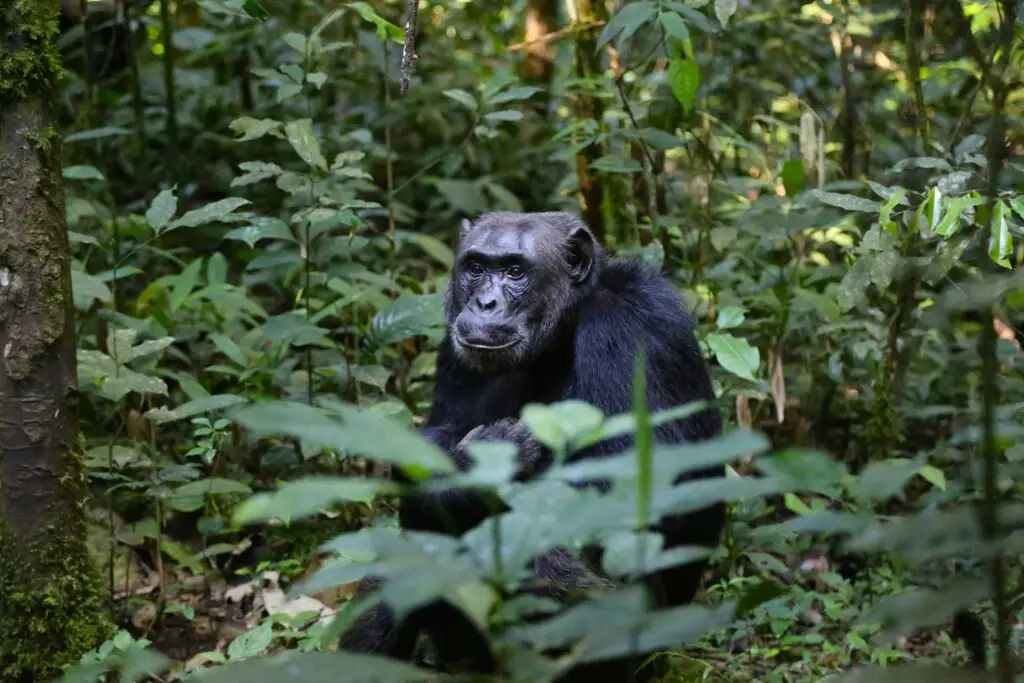
Gabon is a global treasure for biodiversity. Its rainforests shelter nearly 80 percent of Africa’s remaining forest elephants. These gentle giants thrive in Gabon thanks to strict conservation laws. Gorillas and chimpanzees also inhabit the forests in large numbers, with lowland gorillas being particularly common.
The country is home to mandrills—the world’s largest monkeys—known for their vibrant facial coloration. Large troops of mandrills move through Lope National Park, offering some of the best wildlife viewing opportunities in Central Africa.
Other species include:
Forest buffalo
Sitatunga antelopes
Red river hogs
Crocodiles
Hippos
Sea turtles
Humpback whales
Hundreds of bird species
The waters off Gabon’s coast attract humpback whales between July and October, making whale-watching a highlight in coastal areas.
The flora is equally rich. Gabon’s rainforests contain thousands of plant species, from towering hardwoods to orchids, ferns, and medicinal plants used by traditional healers.
Gabonese Cuisine
Gabonese cuisine blends African, French, and local traditions. Cassava, plantains, rice, and fish form the foundation of many dishes. Smoked fish, spicy stews, grilled meat, and peanut-based sauces appear frequently in coastal and inland regions.
Poulet Nyembwe—chicken cooked in palm nut sauce—is considered a national dish. Plantain fries, cassava leaves cooked with spices, and grilled seafood are common in everyday meals. Libreville’s restaurants offer both traditional dishes and international cuisine, reflecting Gabon’s multicultural identity.
Travel Practicalities
Traveling in Gabon requires planning due to limited infrastructure outside major cities. However, the rewards are enormous for nature lovers and adventurous travelers. Libreville and Port-Gentil have modern amenities, while national parks require guided tours, 4×4 vehicles, or boat access.
The best time to visit is during the dry seasons, from June to September or December to February, when travel conditions improve and wildlife viewing is easier.
French is widely spoken, while English is limited. Local languages vary by region. Tourism is developing but still in early stages, which means fewer crowds and more authentic experiences.
Conclusion: Why Gabon Belongs on Your Bucket List
Gabon is one of Africa’s most extraordinary destinations—a country where nature takes center stage. Its rainforests are among the most biodiverse on the continent. Its coastline is serene and dramatic, offering wildlife encounters found nowhere else. Its culture is rich, spiritual, artistic, and deeply connected to the land. Its national parks are vast, wild, and largely untouched.
For travelers seeking pristine wilderness, close-up wildlife experiences, coastal beauty, tribal traditions, and eco-tourism adventures beyond the typical safari circuits, Gabon is a hidden gem waiting to be explored.
A journey through Gabon is more than a vacation—it is an immersion into one of the planet’s last great natural sanctuaries.
Related Amazing Bucketlist Articles
- 5 Once-in-a-Lifetime Floating Stays
- Hurawalhi Island Resort
- Top 10 Most Romantic Countries in the World for Couples