
The Gambia Complete Travel Guide
The Gambia, affectionately known as “The Smiling Coast of Africa,” is one of the continent’s smallest yet most culturally vibrant and emotionally engaging countries. Stretching like a thin ribbon along the Gambia River and embraced on all sides by Senegal except for its Atlantic coast, The Gambia feels both intimate and expansive. Its landscapes, though compact, offer a surprising diversity—golden beaches that glow at sunset, mangrove-lined riverbanks echoing with bird calls, endless rice paddies tended by local farmers, palm-dotted villages where time moves gently, and bustling towns filled with the music, laughter, and warmth that define Gambian identity. Travellers who arrive expecting a simple beach destination quickly discover a country rich in history, culture, stories, and soul.
What sets The Gambia apart is its atmosphere. Life here feels unhurried, open, and welcoming. Conversations begin easily, often with a smile or a friendly “How are you?” Street vendors, fishermen, children, elders, and market traders all share a sense of hospitality so natural that visitors feel instantly at ease. This spirit of kindness gives The Gambia a rare emotional depth—travellers don’t just explore landscapes, they connect with the people who shape them. Villages along the river welcome visitors with music and dance, fishermen wave from narrow wooden boats, and local communities share stories about traditions, daily life, and the history of a nation shaped by the river that flows through its heart.
Despite its small size, The Gambia carries a long and complex history marked by trade routes, colonial empires, cultural migrations, and the legacy of the transatlantic slave trade. The Gambia River, once a highway for traders, merchants, and enslavers, now stands as a powerful symbol of resilience and remembrance. Along its banks lie historical sites and communities that remember both hardships and triumphs. Travellers exploring these areas often find themselves deeply moved, discovering not only historical insights but also the strength and dignity of the Gambian people.
The Geography and River Landscapes of The Gambia
The Gambia’s landscape is defined by its river—an impressive waterway stretching more than 1,100 kilometers from the Fouta Djallon highlands in Guinea to the Atlantic Ocean. As it flows through The Gambia, the river widens, slows, and transforms into a serene ribbon of life that nourishes forests, floodplains, rice fields, and wildlife-rich mangroves. This river is the lifeblood of the country, shaping ecosystems, transportation routes, agricultural systems, and cultural traditions. Life revolves around its currents: fishermen cast nets at sunrise, women paddle long canoes through quiet channels, and hippos surface briefly before disappearing beneath the gentle ripples.
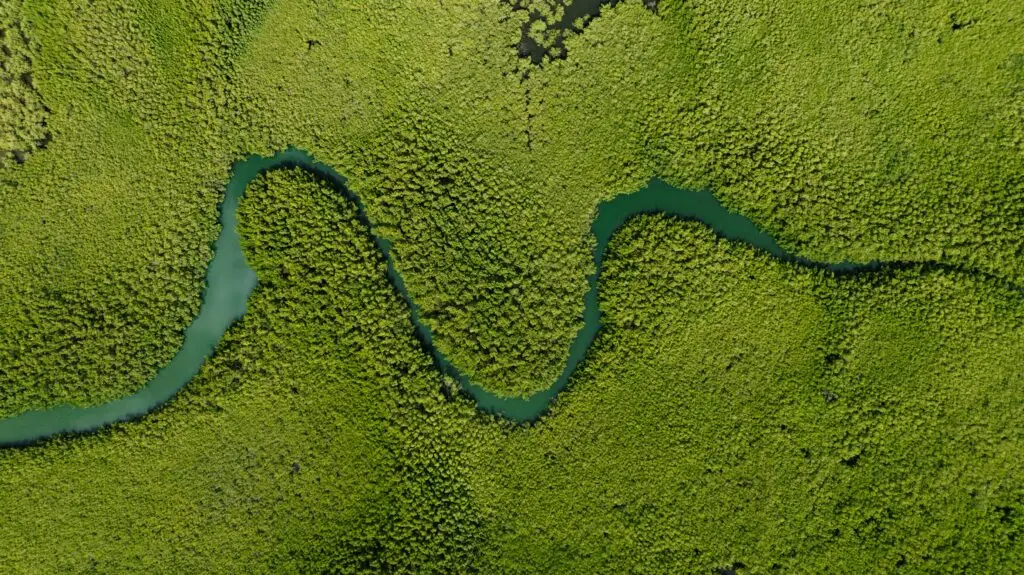
Along the riverbanks, lush forests form green corridors filled with monkeys, exotic birds, crocodiles, and plant life that changes with the seasons. The mangrove forests are especially significant, creating a tranquil, otherworldly environment where roots rise like sculptures from the water. These mangroves support fish populations, protect wildlife, and offer a peaceful refuge from the outside world. In many areas, small villages sit close to the river’s edge, their rhythms of life deeply connected to fishing, farming, and river travel.
Moving away from the river, the landscape transitions into farmlands, grasslands, and small forests dotted with baobab and palm trees. The Gambian countryside has a beautiful simplicity—wide, open spaces where cattle graze, narrow paths where women walk carrying baskets or water containers on their heads, and clusters of traditional mud-brick homes surrounded by fields of millet, cassava, and groundnuts. This rural landscape offers travellers a glimpse into the daily realities of Gambian life, where communities rely on the land and respect the cycles of nature.
On the western edge of the country, the Atlantic coastline stretches across scenic beaches of golden sand, calm blue waters, and tall palms swaying in the ocean breeze. This coastal region combines laid-back beauty with cultural vibrancy, forming one of The Gambia’s most well-known areas. The beaches are not simply tourist attractions—they are places where fishermen haul boats, children play football, families gather in the evenings, and traders sell fruit, crafts, and fresh seafood. The sounds of ocean waves blend with music, laughter, and the distant hum of village life.
Banjul – A Capital Between Ocean and River
Banjul, the capital of The Gambia, sits on a small island at the mouth of the river, surrounded by mangroves, ocean breezes, and waterways. Though compact and quieter than many African capitals, Banjul carries enormous historical and cultural importance. Its streets, lined with colonial-era buildings, old mosques, bustling markets, and colorful storefronts, reveal layers of the country’s past. The rhythm of Banjul is gentle yet busy, with taxis moving through narrow roads, vendors selling textiles and spices, and musicians performing traditional melodies that echo across the marketplace.
The heart of the city beats strongest at Albert Market, a lively space filled with energy, color, and activity. Here, everything from fresh produce to handcrafted goods, vibrant fabrics, wooden carvings, and traditional instruments is sold. Walking through the market reveals the soul of Gambian commerce—negotiations punctuated by laughter, friendly greetings, and the ever-present warmth that defines the country.
Beyond its markets, Banjul carries a quiet dignity. The city’s colonial architecture, historic landmarks, and proximity to the river create a sense of gentle nostalgia. Although not a sprawling metropolis, Banjul offers a glimpse into Gambian identity: open, humble, interconnected, and welcoming.
Serekunda – The Lively Urban Pulse of The Gambia
A short distance inland lies Serekunda, the largest urban center in the country and a bustling tapestry of culture, trade, and activity. While Banjul is the political and historical heart, Serekunda is the beating pulse of daily Gambian life. The streets are filled with movement—mini-buses decorated with bright colors, roadside stalls selling everything from mobile phones to grilled meat, tailors stitching vibrant African fabrics, and children weaving through neighborhoods in playful groups.
Serekunda reveals modern Gambian identity: energetic, diverse, creative, and deeply rooted in communal life. The city’s markets buzz with life, offering an endless variety of goods, including fresh produce, clothing, crafts, and household items. The air carries the scents of spices, grilled fish, roasted peanuts, and the sweetness of tropical fruit.
Despite the lively atmosphere, Serekunda retains the friendliness that defines The Gambia. People greet each other warmly, conversations begin with ease, and the community atmosphere permeates everything. For travellers, Serekunda provides insight into modern urban culture while still feeling true to the nation’s gentle, welcoming character.
Beaches of The Smiling Coast – Atlantic Beauty and Coastal Life
The Gambia’s coastline, known for its soft golden sands and calm ocean waters, is one of the country’s most iconic features. The beaches stretch along the western edge of the country, forming a scenic line of palm trees, fishing boats, ocean breezes, and sunlight that glitters across the waves. Unlike many overdeveloped coastal areas around the world, Gambian beaches retain an authentic, grounded charm. They are places where life truly happens—where fishermen push their painted wooden boats into the surf, where families gather to relax at sunset, where fruit sellers stroll the sand balancing baskets on their heads, and where travelers unwind beneath the shade of palms.
The coastal atmosphere is both relaxing and lively. In the mornings, the beaches are quiet, waves rolling gently as fishermen return with the day’s catch. By afternoon, local games, music, and social gatherings bring energy to the shoreline. As the sun sets, the sky melts into shades of orange, gold, pink, and purple, casting a warm glow over everything. The evenings often carry the distant sound of drums, the laughter of families, and the hum of night markets lighting up nearby streets.
Rural Villages and Daily Life Along the River
Beyond the coast and the urban centers, The Gambia reveals its truest self in the rural communities that stretch along the riverbanks, rice fields, and forest edges. These villages are the heartbeat of the nation—a place where traditions remain strong, where neighbors are family, and where the rhythm of life follows the sun, the seasons, and the river that sustains them. Early mornings begin with roosters crowing, smoke rising gently from cooking fires, and the sound of pestles pounding millet in wooden mortars. Children skip barefoot along sandy paths on their way to school, men set out to fish or tend to fields, and women gather at communal wells to draw water while exchanging stories, news, and laughter that echoes across the quiet landscape.
Homes in rural Gambia are often built from mud bricks or clay, shaped into warm earthy tones that blend perfectly with the surrounding environment. Courtyards serve as living spaces, shaded by mango trees or palm fronds, with handwoven mats laid out for meals, rest, and conversation. Animals roam freely—goats, chickens, and donkeys moving through the village in a gentle, unhurried rhythm. The sense of community is profound; life is lived not in isolation but in connection. People look after one another, share resources, celebrate together, mourn together, and make decisions collectively. For travellers, stepping into a Gambian village feels like stepping into a world where simplicity becomes beauty, and where human connection is valued above all else.
The river influences everything. Along its banks, small rice paddies stretch into fertile plains where farmers work meticulously, planting, watering, and harvesting by hand. The land is nourished by the river’s seasonal floods, creating rich soil that sustains generations. Women paddle narrow wooden canoes through calm channels lined with mangroves, gathering oysters, transporting goods, or visiting neighboring villages. Fishermen cast nets at dawn, their silhouettes reflected softly on the glassy surface of the water. Life here is slow and grounded, shaped by centuries of tradition and a deep respect for nature.
The History of the Gambia River – Trade, Culture, and Memory
The Gambia River is more than a geographical feature—it is the historical spine of the nation. For thousands of years, the river served as a natural highway, connecting inland communities with traders, travelers, and migrating cultures from across West Africa. Its waters carried goods, ideas, languages, and traditions, shaping the cultural diversity that defines The Gambia today. Long before colonial history marked its banks, the river was home to thriving kingdoms, bustling markets, and powerful rulers who controlled trade routes stretching deep into the interior of the continent.
But the river also carries a darker legacy—the transatlantic slave trade. European powers, particularly the British, established trading posts along its banks, using the river to transport enslaved Africans to coastal ships destined for the Americas. Forts and colonial buildings still stand as witnesses to this painful chapter. The most well-known of these is Kunta Kinteh Island (formerly James Island), a UNESCO World Heritage Site that marks the center of Gambia’s involvement in the slave trade. Travellers visiting the island often describe the experience as emotionally heavy—standing in the ruins, hearing the stories, feeling the weight of memory carried by the river that once transported countless individuals away from their homeland.
Yet The Gambia’s history is not defined solely by suffering. The resilience of its people, the preservation of oral histories, and the strong cultural identity that continues to thrive today all testify to survival, strength, and renewed purpose. The river has now become a symbol of life and hope, its waters nourishing farms, supporting wildlife, and carrying the laughter of children playing along its banks. Travellers who explore the river often feel this duality—an awareness of the past, paired with the beauty and vitality of the present.
Kiang West National Park – Wilderness Along the River
Deep in the interior of the country lies Kiang West National Park, one of The Gambia’s largest protected areas and a sanctuary of savannas, riverine forests, wetlands, and tidal creeks. The park’s landscapes feel raw and untouched, offering travellers a quiet, authentic wilderness far from the coast. The sun filters through palm trees, birds call from dense vegetation, and the sound of rustling leaves hints at monkeys, antelope, or warthogs passing through the brush. Unlike large African parks known for their big predators, Kiang West offers a subtler, more intimate experience—a chance to appreciate the delicate balance of ecosystems that thrive along the river.
Wildlife here includes baboons, patas monkeys, mongooses, hyenas, crocodiles, hippos, and a wide variety of antelope species. The park is also a refuge for rare and endangered species, thanks to conservation efforts focused on protecting fragile habitats. What makes Kiang West unique is its solitude. Travellers often find themselves alone on a path, accompanied only by birdsong and the distant murmur of running water. Sunsets here are particularly striking; the sky glows in shades of gold and crimson as the heat fades and nocturnal animals begin their quiet movements.
River Gambia National Park – The Home of Primates and Forest Life
River Gambia National Park, located within the central river region, is an archipelago of forested islands surrounded by calm waters. Known particularly for its rehabilitated chimpanzee population, the park plays a crucial role in conservation and species recovery. The islands offer dense forests where primates swing through branches, birds nest in canopy layers, and crocodiles sunbathe along muddy banks. Travellers exploring the park by boat often describe the experience as dreamlike; the water reflects towering trees, the air feels cool and shaded, and the forest’s silence is broken only by the calls of monkeys or the splash of a hippo resurfacing.
The conservation project here focuses on protecting primates, including the chimps that live freely on the islands but remain safeguarded from human contact. The lush forests shelter red colobus monkeys, baboons, and countless bird species. The combination of water, forest, and wildlife creates a sanctuary unlike any other in the country—a world suspended between river and jungle, peace and energy. River Gambia National Park embodies the country’s deep connection to nature and its commitment to protecting endangered ecosystems.
Niumi National Park – Where River Meets Ocean
At the northern edge of the country, near the Senegalese border, lies Niumi National Park, a protected region where the Gambia River meets the Atlantic Ocean. This unique landscape contains mangroves, sand dunes, coastal forests, lagoons, and open beaches. The meeting of saltwater and freshwater creates an environment rich in biodiversity. Flamingos, pelicans, storks, herons, and hundreds of migratory birds visit the area each year, turning the wetlands into a colorful spectacle of movement and sound.
The coastal atmosphere here feels wild and free. Waves crash softly along isolated beaches, mangrove roots twist into natural sculptures, and the wind carries the scent of salt and earth. The park’s remoteness allows travellers to experience nature in near silence, disturbed only by the calls of birds or the rustle of wind through coastal vegetation. Niumi is a reminder of the timeless connection between land and sea—a connection that defines the identity of the country’s western regions.
Mangroves, Birds, and the Soul of Gambian Nature
Birdlife is one of The Gambia’s greatest natural treasures. The country is home to more than 560 species, making it one of the most important birding destinations in Africa. Mangroves, forests, savannas, rice fields, and wetlands create a mosaic of habitats that attract birds year-round. Travellers often find themselves surrounded by vibrant wings—kingfishers diving boldly into water, bee-eaters flashing vivid colors, herons gliding calmly above reeds, and hornbills perched proudly on tall branches. Whether walking through forests or sailing quietly along mangrove-lined channels, birdlife seems to animate every corner of the country.
Mangroves, especially along the Tanbi Wetlands and the river estuary, form some of the most serene and biologically rich ecosystems in The Gambia. Their sprawling roots filter water, provide shelter for fish, and create habitats for monkeys, crabs, reptiles, and a countless array of birds. Travellers navigating the mangrove channels often describe a sense of deep peace—the gentle splash of paddles, the rustle of leaves, the distant call of an osprey or egret. These wetlands feel timeless, untouched, and sacred, offering a glimpse into the quiet beauty of Gambian nature.
Culture, Ethnic Heritage, and the Spirit of Gambian Identity
The Gambia is a mosaic of cultures, ethnic groups, and languages that coexist in extraordinary harmony. Mandinka, Wolof, Fula, Jola, Serahule, and Serer communities each contribute their own traditions, histories, and artistic expressions to the national identity. Despite their differences, Gambians share an overarching cultural philosophy built on respect, hospitality, music, storytelling, and community ties. These shared values give the country its famous warmth—travellers often remark that they have never felt so welcomed in any other place. In The Gambia, people greet each other not simply out of politeness but out of genuine interest in one another’s wellbeing.
Cultural life is deeply intertwined with daily routines. Rituals, greetings, traditional ceremonies, and community gatherings create a social fabric that feels both grounded and dynamic. Names carry meaning, ancestry is honored, and histories are preserved through oral storytelling. Elders play an essential role as keepers of memory and cultural authority. Their wisdom helps guide communities through decisions, disputes, and celebrations. The intergenerational bond is strong, with grandparents often helping raise children, ensuring that knowledge, tradition, and values pass seamlessly from one generation to the next.
Family structures in The Gambia form the backbone of society. Families extend beyond the walls of a single household, encompassing cousins, neighbors, and community members who share resources, responsibilities, and emotional connections. Celebrations such as naming ceremonies, weddings, and religious holidays draw entire communities together in scenes filled with music, dancing, shared meals, and heartfelt blessings. Unity is not a concept here—it is a lived experience, felt every day in the way people interact, support one another, and celebrate life as a collective.
Music, the Kora, and the Storytellers of The Gambia
The soul of Gambian culture lives in its music—rhythms, melodies, and ancient stories passed down through generations. Music is woven into every aspect of life, from religious ceremonies and weddings to village gatherings and market celebrations. The Gambia is famous for its griots, known locally as jaliyaa, the hereditary storytellers and musicians who serve as historians, poets, and guardians of tradition. Their role is not merely artistic; griots preserve the cultural memory of entire communities, recounting genealogies, heroic tales, spiritual wisdom, and the lessons of the past through songs that have been sung for centuries.
The kora, a 21-string West African harp-lute, is one of the country’s most iconic instruments. Its gentle, fluid sound feels like flowing water—soft, melodic, and deeply emotional. Hearing a skilled kora player perform beneath a baobab tree or in a quiet village courtyard is one of the most unforgettable experiences a traveller can have in The Gambia. The instrument’s harmonies accompany stories of ancestors, kings, journeys, victories, and life’s emotional movements. Each note carries history. Each performance becomes a bridge between the present and the past.
Drums also play a vital role in Gambian music. The djembe, sabar, and tama create rhythms that vibrate through the body and energize the spirit. Drumming circles often form spontaneously, especially during celebrations, with dancers responding to each beat in movements filled with joy, strength, and cultural pride. Singing, meanwhile, is a communal act—women, men, and children often join voices in rich harmonies that express emotion, unity, and identity. Music in The Gambia is not performed; it is lived.
Cuisine and the Flavors of Gambian Life
Gambian cuisine reflects the country’s landscapes, cultural diversity, and agricultural traditions. Meals are hearty, flavorful, and shared among family and friends, turning food into a symbol of community. The most iconic Gambian dishes often feature rice as a staple, served with rich sauces made from tomatoes, onions, peppers, fish, chicken, and local spices.
One of the country’s most beloved dishes is domoda, a groundnut stew made with peanuts, vegetables, and either fish or meat simmered until the flavors meld into a warm, comforting harmony. Benachin, sometimes called “Jollof rice,” is another popular meal, cooked in one pot with fish or chicken, vegetables, and spices that create a fragrant, savory dish. Yassa, made with marinated onions, lemon, garlic, and mustard, brings a bright, tangy flavor often served with grilled or stewed chicken.
In river communities, fish plays a central role in daily meals. Women smoke, grill, or fry freshly caught fish along riverbanks, creating aromas that drift across villages. Oysters harvested from mangrove roots are a delicacy, enjoyed in stews or grilled over an open flame. Fruits such as mangoes, papayas, baobab, and cashew apples add sweetness to the Gambian palette, especially during harvest seasons.
Meals are typically eaten communally from large bowls, with everyone gathering around to share food and conversation. Eating together reinforces bonds, encourages generosity, and reflects the Gambian belief that joy increases when shared. For travellers, experiencing Gambian cuisine becomes a way to understand the culture more deeply—simple, flavorful, and rooted in centuries of tradition.
Spirituality, Religion, and the Ties That Bind Communities
Spirituality is a central pillar of Gambian society, shaping values, decisions, relationships, and daily life. Islam is the predominant religion, practiced by the majority of the population, and Islamic principles influence everything from prayer routines to community ethics. Five daily prayers punctuate the day, creating a rhythm that blends devotion with daily responsibilities. Mosques, both large and small, serve as centers of worship, learning, and social life. Friday prayers, in particular, draw communities together, reinforcing unity and shared moral grounding.
Yet spirituality in The Gambia goes beyond formal religion. Indigenous beliefs, ancestral reverence, and traditional practices coexist with Islamic traditions, creating a cultural identity that feels layered and deeply rooted. Many families maintain spiritual ties to ancestors, believing that they guide, protect, and watch over the living. Rituals marking birth, coming-of-age, marriage, and death often incorporate both religious and traditional elements, blending prayer, music, dance, and storytelling into ceremonies that feel sacred and celebratory.
The practice of generosity, hospitality, and compassion reflects the country’s spiritual heart. People share what they have, offer help readily, and treat visitors with genuine respect. Spirituality becomes not just a belief system but a code of daily conduct, expressed in kindness, patience, and openness. Travellers often feel this energy in small gestures—a greeting from a stranger, an invitation to join a family meal, or a blessing offered by an elder. These moments reveal the depth of Gambian spirituality, rooted in community and shaped by centuries of cultural continuity.
Climate, Seasons, and Natural Atmosphere
The Gambia’s climate is shaped by its position along the river and the Atlantic coast, resulting in two distinct seasons: a dry season and a rainy season. Each transforms the landscape in ways that influence daily life, agriculture, and the natural beauty of the country. During the dry season, from November to May, the air is warm and clear. The skies turn a brilliant blue, the beaches glow with soft sunlight, and the river landscapes shimmer with golden hues. Mornings are cool and refreshing, perfect for exploring markets, nature reserves, and coastal villages. By midday, the sun warms the land, yet coastal breezes soften the heat.
The rainy season, from June to October, brings dramatic change. Afternoon showers roll in with rumbling clouds, covering the country in fresh, earthy scents. The land transforms—rice fields become lush and green, forests deepen in color, and flowers bloom across the countryside. The river swells gently, feeding farms and mangroves. Wildlife becomes more active, birdlife increases, and the landscape vibrates with vitality. For many communities, the rainy season is a time of renewal, growth, and preparation for harvest. Travellers who visit during this season often speak of the beauty of storms sweeping across the river, leaving behind vibrant sunsets and cool evenings.
Both seasons offer their own kind of magic—the dry season with its clarity and warmth, the rainy season with its lushness and emotional depth. Together, they shape a natural atmosphere that feels deeply connected to the country’s identity.
Life in the Countryside – Rhythm, Land, and Community
In the Gambian countryside, time unfolds slowly and deliberately. Days follow the rhythm of the sun, and life is lived close to the land. Villages are surrounded by fields of millet, groundnuts, cassava, and rice, their green and golden hues shifting gently with the seasons. Farmers walk to their fields at dawn, balancing tools over their shoulders or guiding oxen along sandy paths. Women work side by side, tending gardens, preparing meals, or weaving baskets under the shade of mango trees. Children play outside with improvised toys, chasing each other along dusty roads or climbing baobab trees with contagious laughter. This rural world feels grounded in simplicity, tradition, and a sense of belonging that has endured for generations.
The soundscape of rural Gambia is unmistakable. Birds call from treetops, goats bleat in nearby kraals, donkeys bray in the distance, and the rhythmic pounding of grain echoes from courtyards. At sunrise, the air is cool and filled with the scent of dew settling on the earth. As the day warms, heat rises in shimmering waves across open fields, and the breeze carries the smell of cooked rice and smoked fish from village kitchens. Evenings bring a soft calmness as fires crackle, stars emerge one by one, and families gather outside for conversation, storytelling, and rest. These quiet moments become some of the most meaningful experiences for travellers, who often describe rural Gambia as a place where they rediscover the beauty of slowness and simplicity.
Rural communities preserve customs that define the country’s cultural identity. Naming ceremonies, harvest celebrations, marriages, and collective gatherings remain essential parts of social life. Music and drumming accompany many of these events, with dancers moving in rhythms that feel ancient yet perfectly alive. The combination of tradition, land, and community forms the soul of the countryside—an environment where history lives not in books but in everyday actions, carried gently from one generation to the next.
Modern Gambian Life – Towns, Energy, and Everyday Movement
While rural life represents the country’s ancestral roots, towns like Brikama, Serekunda, Bakau, and Lamin offer a vibrant picture of modern Gambian society. Here, tradition and modernity blend seamlessly. Minibuses decorated in bold colors weave through traffic, moving people between markets, schools, and neighborhoods. Clothing stalls display bright fabrics that swirl in the wind as women choose patterns for new dresses. Mobile-phone shops, barber huts, tailors, and small cafés line the streets. The music of mbalax, reggae, Afrobeats, and traditional kora melodies spill from speakers, merging into a lively urban soundtrack.
Markets are the beating heart of these towns. Vendors arrange fruits in pyramids—mangoes, oranges, papayas, bananas—while others sell spices, fish, handcrafted goods, and everyday essentials. The atmosphere is energetic yet friendly, with familiar greetings exchanged constantly: “How are you?” “You’re welcome.” “Peace be upon you.” The sense of community remains strong, even amidst the bustle of modern life. People stop to help one another without hesitation, children dart between stalls with unfiltered joy, and elders sit together under shady verandas observing the flow of daily life.
Modern Gambian cities are not defined by skyscrapers or massive infrastructure, but by human energy and cultural continuity. The informal economy thrives, creativity blossoms, and the warmth of the population keeps the urban environment from ever feeling overwhelming. For travellers, these towns offer opportunities to witness everyday life—colorful, lively, and filled with stories.
The Atlantic Coast – Where Ocean and Culture Meet
The coastal zone of The Gambia is one of the country’s most captivating regions, defined by the endless stretch of the Atlantic Ocean meeting golden sand and palm-lined beaches. The atmosphere here feels both relaxed and alive. Ocean waves break with a gentle rhythm, fishing boats painted in vibrant colors glide across the water, and beach bars hum softly with music as the sun dips toward the horizon. Travellers often describe Gambian sunsets as dreamlike—the sky turning shades of amber, rose, and violet as the heat fades from the day.
But the coast is more than scenery. It is a cultural hub where fishermen, vendors, families, and travellers come together. Early mornings reveal fishermen pulling heavy nets to shore while women wait to collect the catch for market stalls. The energy is bustling yet harmonious, filled with shouts, laughter, and the smell of fresh saltwater. By midday, the coastline transforms into a social space. Families gather to relax in the shade, young men play football on the sand, and vendors sell coconuts, grilled fish, and handmade jewelry. As evening arrives, music drifts across the shore—drumming, singing, and conversations blending into a soundtrack of coastal life.
The ocean shapes Gambian identity. It provides livelihood, food, connection, and beauty. Communities along the coast carry a deep respect for the sea, understanding its power and its gifts. For travellers, spending time here offers a window into the country’s cultural heartbeat—a place where nature and humanity coexist in a rhythm as constant as the tides.
National Identity, Peace, and the Unity of The Gambian People
The Gambia is known worldwide as “The Smiling Coast,” a name that is not a slogan but an accurate reflection of the spirit of its people. Peaceful coexistence among diverse ethnic groups, religions, and communities defines the essence of Gambian identity. Hospitality is ingrained in everyday life—meeting someone for the first time often feels like reconnecting with an old friend. Greetings are exchanged generously, not rushed but meaningful, expressing genuine care and acknowledgment.
This cultural unity is one of the country’s greatest strengths. Despite its complex history, The Gambia has fostered a national spirit built on mutual respect, patience, and resilience. Gambians value community harmony, and this is reflected in their daily interactions, their traditions, and their approach to life. For travellers, witnessing this unity becomes one of the most memorable aspects of the journey. The country may be small in size, but emotionally it is vast—overflowing with compassion, humor, and a welcoming spirit that stays with visitors long after they leave.
The Gambia’s national identity is also deeply connected to the river, the land, and the ocean. These natural elements shape daily routines, influence culture, and inspire art, music, and storytelling. They create a sense of belonging—a feeling that life is intertwined with nature’s rhythms. The blend of peaceful landscapes, friendly communities, and cultural depth forms a national character that feels both grounded and uplifting.
The Emotional Journey of Traveling Through The Gambia
Travelling through The Gambia is a journey that touches the heart as much as it stimulates the senses. It is a place where small moments leave lasting impressions—a gentle conversation with a grandmother in a village courtyard, the laughter of children inviting a visitor to join a game, the sound of a kora floating on the evening air, the quiet ripple of the river as a canoe glides through mangroves, the warmth of a family insisting a traveller stay for lunch. These experiences weave themselves into a tapestry of emotion and memory, creating a connection to the country that feels personal and profound.
The landscapes of The Gambia—rivers, forests, beaches, fields—offer serenity. The culture offers depth, resilience, and beauty. The people offer warmth, humility, and genuine kindness. Together, these elements shape a travel experience that feels transformative. Many travellers speak of finding clarity, peace, or inspiration during their time here. The country has a way of slowing the mind, softening the heart, and revealing what truly matters: connection, simplicity, humanity, and gratitude.
Why The Gambia Remains One of Africa’s Most Soulful Destinations
What makes The Gambia truly unforgettable is not its size, nor its popularity, nor any single landmark—but its soul. This small stretch of land along a great river has a way of opening itself to travellers with an honesty and warmth rarely found in the world. It is a place where simplicity becomes beauty, where community becomes strength, where culture becomes memory, and where the smallest interactions become the most meaningful. Travellers often arrive expecting beaches, sunshine, or a quick stop between Senegal or Cape Verde, but they leave carrying something far deeper: the feeling of having been welcomed, understood, and embraced.
The Gambia’s landscapes may be modest in scale, but they are vast in emotional impact. The river flows like a living thread through the heart of the country, nourishing forests, villages, farms, and generations of stories. The mangroves whisper with life, the savannas breathe under the sun, and the ocean offers endless horizons where the day melts into golden light. These natural environments feel peaceful, intimate, and restorative—a contrast to the noise of the modern world. Travellers find themselves slowing down, listening more carefully, seeing more clearly, and feeling more deeply.
Yet even more powerful than the landscapes are the people. Gambians possess a warmth that cannot be taught or replicated—it comes from a cultural world built on empathy, respect, kindness, and community. Hospitality here feels instinctive. It is not ceremony, not obligation, not performance; it is simply who they are. A stranger becomes a friend in minutes. A traveller becomes part of a family simply by sitting in the shade and sharing tea. Conversations begin with genuine curiosity and end with laughter, blessings, and a sense of connection that lingers long after the moment has passed.
A Country Where Culture Lives in Every Gesture
Culture in The Gambia is not something preserved in museums or performed for tourists—it is lived. It is in the music of griots who sing the histories of ancestors. It is in the rhythms of drums echoing across village courtyards. It is in the taste of domoda shared from a communal bowl. It is in the quiet strength of women walking to the fields at dawn. It is in the voices of elders telling stories under starlit skies. It is in the way children greet visitors with bright smiles, eager to share their world.
This living culture invites travellers to not simply observe, but to feel. The Gambia teaches that heritage is not a relic of the past—it is a heartbeat that sustains the present. It is the foundation upon which communities stand, the wisdom through which they navigate life, and the joy they bring into every celebration. The beauty of Gambian culture lies in its authenticity—nothing here feels artificial or staged. Instead, life unfolds naturally in front of travellers with sincerity, pride, and grace.
A Landscape of Light, Water, and Quiet Wonder
The natural world in The Gambia is rich with quiet wonder. The river holds reflections of ancient trees, sunlit clouds, and passing fishermen. Its surface glimmers like polished metal at sunrise and glows with fire at sunset. In the forests and wetlands, birds call with brilliant color in their wings, creating an orchestra of sound and motion. In the mangroves, the water moves gently like breath, hidden creatures stirring beneath its surface. On the beaches, waves roll endlessly while the evening sky dissolves into pink, gold, and violet hues that bring a sense of peace that words rarely capture.
Travellers often recall moments of deep emotional clarity—a silent boat ride at dusk, a peaceful walk through rice fields, the first vibrant sound of a kora being played, or the warmth of sand beneath their feet as the ocean wind brushes their face. These moments are simple yet powerful, grounding yet uplifting. They remind visitors that beauty does not always need grandeur; sometimes it exists in the smallest details, in the softness of light, in the rhythm of footsteps, or in the gentle flow of a river.
Encounters That Stay With You Forever
What truly defines a journey through The Gambia are the encounters—those small, human connections that take root in the heart. It may be the fisherman who teaches a traveller how to mend a net, the grandmother who shares stories from her youth, the child who insists on holding your hand as you walk through the village, the young musician who proudly demonstrates the sound of his kora, or the market vendor who laughs cheerfully as you try your first Wolof or Mandinka greeting. These interactions are meaningful not because they are rare, but because they are constant. They shape every day of travel in The Gambia.
Visitors often speak of leaving the country with a sense of gratitude, reflection, and emotional warmth. They recall not only what they saw, but what they felt—calm, connected, welcomed, inspired. The Gambia becomes more than a destination; it becomes a memory carried gently in the heart.
The Lasting Impression of The Smiling Coast
In the end, The Gambia is a country that teaches travellers something profound: that joy can be simple, that generosity costs nothing, that culture thrives through community, and that a small nation can hold an enormous spirit. The beauty of The Gambia lies in its people, its river, its music, its history, its landscapes, and most of all, in its gentle ability to touch those who walk its paths.
Travellers may come for the beaches or the sunshine, but they leave remembering the warmth of a smile, the rhythm of a drumbeat, the hush of a mangrove forest, and the glow of a sunset melting into the Atlantic. They leave with stories that they will tell for years, shaped by a country that is small on the map but vast in heart.
The Gambia is not just a place to visit—it is a place to feel. A place to breathe. A place to rediscover the beauty of simplicity and humanity. It is a country that stays with you long after you have gone, a place where the river carries not only water but memory, connection, and the quiet magic of life lived with kindness.
Related Amazing Bucketlist Articles
- 5 Once-in-a-Lifetime Floating Stays
- Hurawalhi Island Resort
- Top 10 Most Romantic Countries in the World for Couples