
Ghana Complete Travel Guide
Ghana is one of West Africa’s most welcoming, vibrant and culturally rich countries. Known for its stable democracy, colorful festivals, diverse ethnic traditions, Atlantic coast, wildlife parks, rainforest canopies, ancient kingdoms and lively cities, Ghana offers travelers an incredibly rewarding experience. It is a country where music fills the air, where markets overflow with color, where palm-fringed beaches stretch endlessly, and where history is preserved in coastal forts that once played central roles in global trade. Ghana blends ancient heritage with modern energy, making it one of the most engaging destinations on the continent.
Geographically, Ghana is diverse. The south features tropical forest, cocoa farms, waterfalls and sandy coastlines. The central region contains historic towns and rolling hills. The north opens into semi-arid savannas dotted with baobab trees, traditional compounds and national parks. Rivers like the Volta, Ankobra and Pra converge toward Lake Volta, one of the world’s largest man-made lakes and a lifeline for many communities. This variation in climate, landscape and culture makes Ghana feel like many countries in one.
Culturally, Ghana is extraordinary. More than one hundred ethnic groups live within its borders, each with distinct languages, dress styles, ceremonies and traditions. The Akan, Ewe, Dagomba, Mole-Dagbani, Ga-Dangme, Fante and many others contribute to a mosaic of customs that shape Ghanaian identity. Chiefs and queen mothers hold symbolic authority in local governance, while festivals like Homowo, Hogbetsotso, Akwasidae and Panafest draw thousands in celebration of heritage. Music and dance are integral to daily life — from highlife and hiplife in the cities to traditional drumming and chanting in rural villages.
Ghana’s history is deeply intertwined with the rise and fall of powerful kingdoms, the transatlantic slave trade, colonial rule and the post-independence leadership of figures like Kwame Nkrumah. The nation became the first sub-Saharan African country to gain independence in 1957, marking a turning point for African liberation movements. Today, Ghana remains a symbol of peace, pride and progressive development.
For travelers, Ghana is warm, safe, friendly and full of experiences ranging from historical exploration to outdoor adventure, cultural immersion and relaxation. Whether you’re walking through bustling Accra, visiting ancient Ashanti palaces, hiking to waterfalls, meeting artisans, dancing at street festivals or exploring wildlife reserves, Ghana leaves a deep and lasting impression.
Accra: A City of Energy, Culture and Creativity
Accra, Ghana’s capital, is one of West Africa’s most dynamic urban centers. It is a city of contrasts — modern shopping malls beside informal markets, contemporary art galleries beside historic forts, beach resorts beside fishing villages. The city’s rhythm is fast, energetic and creative.
Urban Life and Neighborhoods
Osu is one of the most popular neighborhoods for visitors, with lively streets filled with restaurants, bars, boutiques, craft shops and nightclubs. Oxford Street serves as its main artery, pulsing with movement day and night. Labone and East Legon are more upscale, offering stylish cafes, creative spaces and residential communities.
Jamestown, one of the oldest neighborhoods, offers a glimpse into colonial-era Accra. Here, old lighthouses, fishing harbors, boxing gyms and murals paint a picture of daily life. Jamestown is also the site of the annual Chale Wote Street Art Festival — a vibrant celebration of music, dance, graffiti, performance art and urban culture.
History and Culture
Accra contains historic landmarks tied to Ghana’s colonial and independence periods. The Kwame Nkrumah Memorial Park honors Ghana’s first president with statues, fountains and a museum dedicated to his life. Nearby, Independence Square stands as a symbol of liberation, overlooked by the Black Star Gate.
The National Museum of Ghana houses artifacts ranging from Ashanti gold weights and masks to archaeological finds and textiles, offering insight into the country’s cultural depth. Art lovers can explore contemporary galleries like Artists Alliance Gallery, Nubuke Foundation and galleries in Osu showcasing Ghana’s booming modern art scene.
Markets, Beaches and City Atmosphere
Accra’s markets are among its most colorful experiences. Makola Market is a huge open-air maze selling clothing, beads, food, textiles, shoes and handcrafted goods. Vendors call out to customers while aromas of spices, fried plantains and fresh fruit fill the air.
Along the coast, Labadi Beach and Kokrobite offer lively atmospheres with live drumming, dancing, horseback rides and seaside relaxation. Fishing communities along the shoreline pull in nets at dawn, demonstrating traditional techniques that have existed for generations.
Accra embodies the soul of Ghana — energetic, creative, multicultural and always evolving.
Cape Coast & Elmina: History, Memory and Scenic Coastlines
The coastal towns of Cape Coast and Elmina are among the most historically significant sites in West Africa. They are home to well-preserved colonial forts that once played central roles in the transatlantic slave trade. Visiting these sites is deeply emotional, offering space for reflection and learning.
Cape Coast Castle
Cape Coast Castle is one of the largest and most visited slave trade forts in Africa. Built by the Swedes in the 17th century and later controlled by the British, the castle served as a major holding point for enslaved Africans before they were shipped across the Atlantic. Guided tours lead visitors through dungeons, narrow corridors, the “Door of No Return” and historical rooms filled with memorials and exhibits. The juxtaposition of the castle’s whitewashed walls against the intense historical tragedy inside leaves a profound impact.
Elmina Castle
Elmina Castle is older and equally significant. Constructed by the Portuguese in 1482, it is the oldest European building in sub-Saharan Africa. The fort’s courtyard, chambers, governor’s balcony and cliffside ocean views contrast with the cruelty that occurred inside its walls. Elmina’s fishing harbor, just outside the castle, is filled with colorful boats and lively activity.
Coastal Villages and Beaches
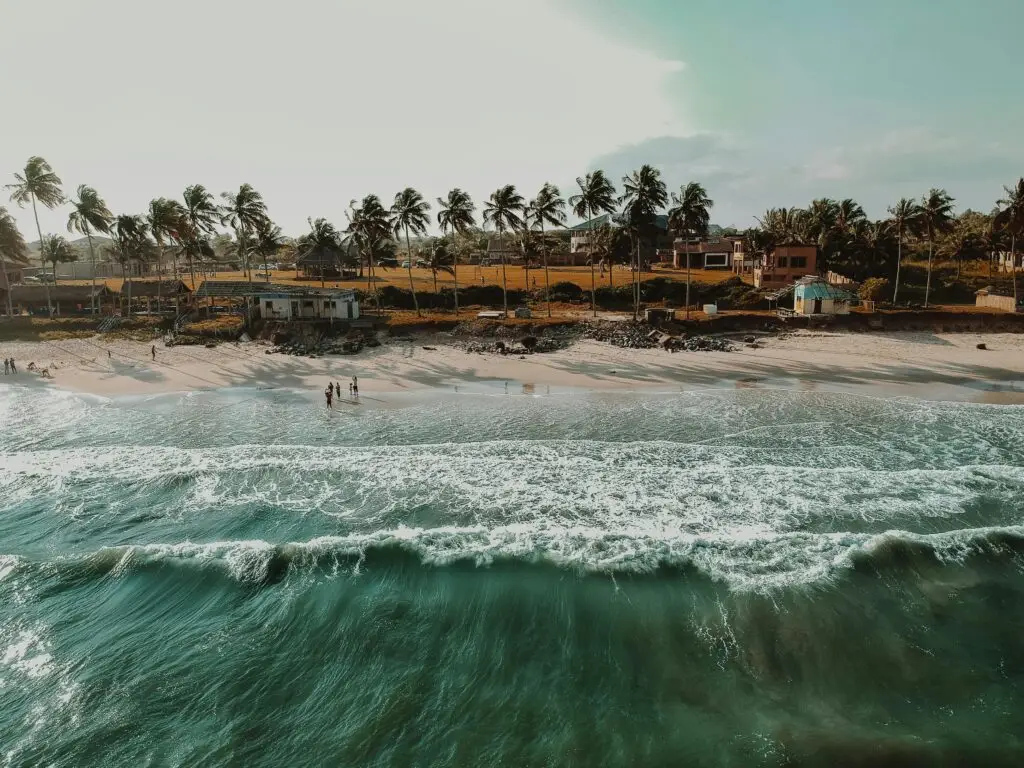
The coastline from Cape Coast to Elmina features long sandy beaches, coconut palms, fishing settlements and guesthouses overlooking the Atlantic. Villages like Brenu Akyinim and Ankwanda offer peaceful atmospheres, with fishermen mending nets and children playing along the shore.
Cultural Heritage
Cape Coast is also home to universities, traditional shrines and annual festivals. The area plays a major role in Ghana’s diaspora tourism, with thousands visiting each year to reconnect with ancestral roots.
The Cape Coast region is both beautiful and emotionally profound, offering a balance of history, culture and coastal charm.
Kumasi & the Ashanti Kingdom
Kumasi, the cultural capital of the Ashanti Kingdom, is located in central Ghana and remains one of the country’s most important historical regions. The Ashanti people once ruled one of West Africa’s most powerful pre-colonial empires, known for its gold, military strength, craftsmanship and unique governance.
Manhyia Palace
Manhyia Palace is the official residence of the Asantehene, the King of the Ashanti. The old palace now functions as a museum showcasing royal artifacts, ceremonial drums, gold regalia, photographs and thrones. The palace complex reflects the enduring influence of the Ashanti monarchy.
The Kejetia Market
Kumasi’s Kejetia Market is one of the largest open-air markets in West Africa. It is a labyrinth of stalls selling everything imaginable — beads, cloth, food, carved stools, herbs, jewelry, pottery, clothing and traditional medicines. The market’s scale and energy reflect the city’s role as a major commercial hub.
Craft Villages
Surrounding Kumasi are craft villages specializing in traditional Ashanti art forms. In Bonwire, artisans weave kente cloth, one of Africa’s most famous textiles, characterized by its bold colors and symbolic patterns. In Ntonso, craftsmen produce adinkra cloth stamped with traditional symbols expressing proverbs and wisdom. In Ahwiaa, woodcarvers create masks, stools, sculptures and ceremonial items.
Lake Bosomtwe
Lake Bosomtwe, located southeast of Kumasi, is a large crater lake surrounded by green hills and small villages. It is a sacred place for the Ashanti people. Visitors come here for canoeing, swimming, fishing and relaxation.
Kumasi offers profound cultural immersion into one of Africa’s most influential civilizations.
Volta Region: Mountains, Waterfalls and Traditional Villages
The Volta Region in eastern Ghana is known for its scenic landscapes — mountains, forests, waterfalls, rivers, lakes and traditional villages. It feels peaceful, green and culturally rich.
Wli Waterfalls
Wli Waterfalls, the tallest in Ghana, cascade down cliffs surrounded by lush rainforest. The hike to the falls passes through forest pathways where monkeys, colorful birds and butterflies can be seen. The upper falls require a challenging climb, but the views are stunning.
Mount Afadja
Mount Afadja (Afadjato) is one of Ghana’s highest peaks, located near the Togo border. The climb is steep but quick, offering panoramic views of rolling hills, villages and green valleys.
Lake Volta
Lake Volta, one of the world’s largest reservoirs, is central to Ghana’s geography and economy. Fishing communities live along the lake’s shores, and boats ferry goods and people across its waters. The lake’s islands and quiet shores create soothing natural environments.
Cultural Traditions
The Ewe people of this region maintain strong musical and ceremonial traditions. Drumming ensembles, dances and festivals shape community life. Colorful markets display textiles, food, crafts and herbs.
The Volta Region is ideal for travelers seeking nature, hiking, tranquility and cultural authenticity.
Northern Ghana: Savannas, Wildlife and Traditional Life
Northern Ghana contrasts sharply with the forested south. The landscape opens into vast savannas dotted with baobab trees, mud architecture, traditional compounds, and cattle herds. The region feels more rustic, traditional and connected to ancient customs.
Mole National Park
Mole National Park is Ghana’s largest wildlife reserve. It is home to elephants, antelope, buffalo, warthogs, baboons, crocodiles and numerous bird species. Guided walking safaris allow visitors to observe wildlife up close — particularly elephants, which frequently visit waterholes near the park’s lodge.
The park’s savanna scenery, hills and watering points create classic African landscapes, peaceful and wild.
Larabanga Mosque
Larabanga, one of Ghana’s oldest Islamic communities, features a mud-and-stick mosque built in the Sudanese architectural style. Its whitewashed walls and timber beams give it a distinctive appearance. The mosque is considered one of West Africa’s most historic religious structures.
Tamale
Tamale is the cultural and political center of northern Ghana. It is known for its craft markets, leather goods, traditional hats, woven fabrics, and relaxed atmosphere. The city is predominantly Muslim and features mosques, friendly communities and delicious northern cuisine.
Bolgatanga and the Upper East
In the far north, Bolgatanga is famous for its basket weaving, leather work and traditional compounds built from mud, clay and thatch. The surrounding region offers views of rocky landscapes and farmland.
Northern Ghana gives travelers a sense of authenticity and ancient rhythm — a place where traditions remain strong.
Nature, Wildlife and Biodiversity
Ghana’s natural diversity includes rainforests, savannas, wetlands, mountains, rivers and coastlines. Kakum National Park in the south is known for its canopy walkway suspended high above the forest floor. The park is home to monkeys, forest elephants, birds, butterflies and medicinal plants.
Wetlands along the coast support migratory birds, while marine life includes sea turtles and dolphins. Waterfalls, caves, crater lakes and river deltas add to Ghana’s natural beauty.
The country’s mix of forest and savanna ecosystems creates habitats for a wide range of species, making Ghana ideal for ecotourism.
Cuisine and Local Food Culture
Ghanaian cuisine is diverse and flavorful. Staples include jollof rice, fufu, banku, kenkey, plantains, cassava, yams, beans and stews made with tomatoes, onions, chili and spices. Popular dishes include waakye, groundnut soup, light soup, tilapia and grilled meats.
Street food is popular in cities — grilled plantains, kelewele (spiced fried plantains), roasted corn and fresh fruit. Meals are often shared communally, reflecting Ghana’s emphasis on togetherness.
Why Ghana Captivates Travelers
Ghana is one of Africa’s most welcoming destinations. It is a country filled with joy, rhythm, warmth and depth. Its landscapes vary from beaches to mountains, from forests to savannas. Its culture is rich, vibrant and proudly preserved. Its history is powerful and deeply moving. Its people are friendly, expressive and connected to their traditions.
Ghana offers travelers a journey through nature, heritage, music, stories and everyday life. It is a destination that stays with you — a place of meaningful encounters, colorful experiences and unforgettable memories.
 Related Articles
- Kakslauttanen Arctic Resort
- Top 10 Most Unique Places to Stay in Europe
- 10 Incredible Castles Around the World