
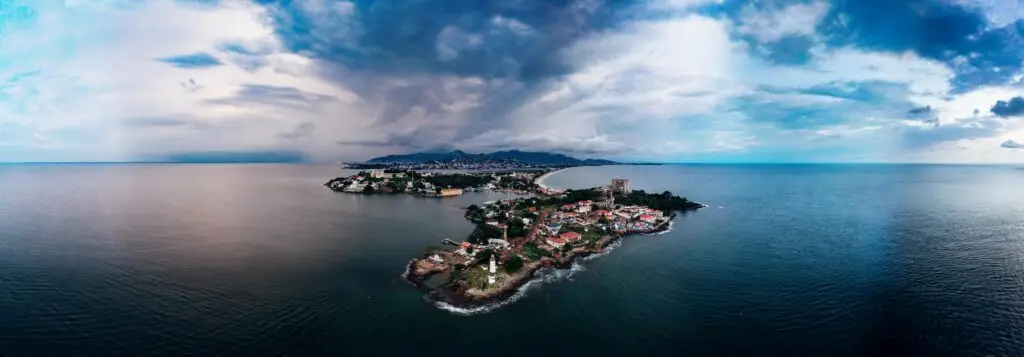
Guinea-Bissau Complete Travel Guide
Guinea-Bissau is one of West Africa’s most overlooked treasures, a country that quietly protects some of the continent’s richest cultural traditions, wildest island landscapes, warmest people, and most untouched natural atmospheres. It is a land shaped by water, forests, music, and resilience, where life moves at a slower, gentler rhythm. Travellers who come here do not encounter the crowds, resorts, or glossy tourism that define many destinations. Instead, they step into a world that feels raw, intimate, and deeply human. Guinea-Bissau is a place where communities still live by ancient customs, where fishermen glide between mangroves in dugout canoes, where the evenings glow with soft light, and where each island carries a personality shaped by centuries of culture and tradition.
The essence of Guinea-Bissau lies in its authenticity. People welcome travellers with warmth and curiosity, proud to share their food, music, stories, and way of life. The country’s landscapes are humble in scale yet immense in emotion: red-earth roads stretching through cashew plantations, villages shaded by towering palm trees, forests filled with birdsong, tidal creeks winding through thick mangroves, and beaches so empty and peaceful that they feel entirely untouched. But the crown jewel of the nation is the Bijagós Archipelago—an extraordinary cluster of islands that seem suspended between land, sea, and spirit. This archipelago is one of the last places on Earth where human life, wildlife, and ancestral beliefs remain intertwined.
Guinea-Bissau is not a destination that tries to impress. It simply is—natural, humble, timeless, and deeply rooted in identity. And that is precisely what makes it unforgettable.
Geography and the Natural Atmosphere of Guinea-Bissau
Guinea-Bissau’s landscapes reveal a gentle beauty that becomes more striking the longer you spend in the country. Much of the land is low-lying, fertile, and green, shaped by rivers, tidal channels, wetlands, and coastal plains. During the dry season, the grasses turn golden beneath the sun, creating warm tones that shimmer across the savanna. When the rains arrive, the earth transforms into vibrant shades of green as rice fields flood, forests deepen in color, and wildlife returns in abundance. The red sandy soil, common across the countryside, contrasts vividly with the lush vegetation and the bright blue sky.
The mangrove forests are among the most distinctive features of the landscape. Their roots rise above the water in intricate patterns, forming living cathedrals that shelter fish, oysters, crabs, monkeys, and countless birds. Travellers paddling through mangrove-lined waterways often describe a feeling of complete serenity. The water lies still beneath the canoe, the air is cool and shaded, and the only sounds are the rustle of leaves, the call of a bird, or the soft splash of a paddle. These mangroves are vital to local life—protecting coastlines, providing food, and shaping the spiritual beliefs of many Indigenous communities.
Further inland, cashew plantations stretch for miles. Cashews are the nation’s main export, and during harvest season the air becomes sweet with the scent of ripe fruit. Small villages appear along dusty roads—clusters of round, thatched homes surrounded by gardens, wells, and tall trees that provide shade from the heat. These rural regions offer an authentic view of the country: peaceful, grounded, and connected to nature.
And then there are the islands—mysterious, beautiful, wild. The Bijagós Archipelago lies like a scattered necklace off the coast, each island with its own traditions, ecosystems, and rhythms. These islands, protected by UNESCO, are among the most unspoiled natural environments in Africa. They are home to sea turtles, hippos that swim in saltwater, sacred forests, and communities whose spiritual traditions remain deeply connected to the land.
Bissau – A City of Color, Rhythm, and Daily Life
Bissau, the capital of Guinea-Bissau, is a small but vibrant city where Portuguese colonial heritage blends with West African culture. The atmosphere is softer and quieter than in many African capitals. Streets are lined with pastel-colored buildings, old mango trees offering shade, and markets full of life. Women wear brightly patterned fabrics, vendors arrange fruits in tall pyramids, fishermen bring in their morning catch, and music spills from cafés and street corners.
The heart of the city is the market. Here, people gather to buy vegetables, fish, spices, cashew nuts, palm oil, and handwoven goods. The air is filled with a mix of scents—smoke from grilled fish, sweet ripe fruit, earthy spices, and the warm smell of the red soil. Conversations rise and fall in Creole, Portuguese, and the many Indigenous languages of the country. Markets are more than places of commerce—they are social spaces, centers of community where people meet, exchange news, laugh, and share life.
Bissau’s colonial quarter, with its faded yet elegant buildings, reveals the country’s complex history. Some structures are in ruins, others restored, but all contribute to the charm of a city where time seems to pass slowly. In the evenings, the city changes character. Music fills the air, people gather in open-air bars, and the tropical night brings a soft breeze. Even in its simplicity, Bissau radiates warmth—its beauty is subtle, but deeply felt by those who walk its streets with curiosity and respect.
Rural Villages and Traditional Life Across the Mainland
Leaving the capital and driving into the countryside reveals another world entirely—a world where tradition defines daily life. Rural villages are built around circular family compounds made of earth, wood, and thatch. Homes are often arranged in clusters, reflecting the importance of unity and cooperation. Life here follows natural rhythms: sunrise to sunset, rains to dry seasons, planting to harvest.
In the mornings, roosters crow as smoke rises from cooking fires. Women fetch water from wells, pounding rice or cassava in wooden mortars while chatting and laughing together. Men prepare to work in the fields or set out to fish along rivers and creeks. Children run barefoot along sandy paths, playing with homemade toys or chasing animals between the houses. The simplicity of rural life is not a lack of progress—it is a cultural choice rooted in community, identity, and connection to the land.
Traditions are preserved with pride. Ceremonies marking birth, coming of age, marriage, and harvest are woven into the calendar. Drums echo across villages during celebrations, dancers move with power and grace, and elders lead rituals that restore balance, honor ancestors, and strengthen community ties. Guinea-Bissau’s rural life is one of the most authentic cultural environments in West Africa—untouched by mass tourism and held together by a deep respect for heritage.
The Bijagós Archipelago – Islands of Mystery, Spirit, and Wild Beauty
No description of Guinea-Bissau is complete without the Bijagós Archipelago—one of the most extraordinary island systems in the world. Scattered across the Atlantic Ocean, these islands appear almost untouched by time. Palm forests sway in the wind, sandy beaches stretch endlessly, rivers flow into turquoise lagoons, and wildlife moves freely between land and sea. Many islands are inhabited by communities whose spiritual beliefs, customs, and social structures form some of the most unique Indigenous cultures in Africa.
The Bijagós people hold deep respect for nature. Sacred forests are protected as places where spirits reside. Rituals mark important stages of life, leadership, and social responsibility. Women often hold significant roles in community decision-making, and matriarchal structures continue to guide daily life. This blend of tradition, spirituality, and nature gives the islands a mystical atmosphere that travellers feel instantly.
Wildlife thrives in this untouched environment. Saltwater hippos wade through lagoons, sea turtles nest on remote beaches, manatees glide through quiet waters, and thousands of birds breed in the mangroves. At sunrise, the islands glow with soft pastel colors; at sunset, golden light spreads across miles of untouched coastline. The Bijagós are not simply beautiful—they are sacred, alive, and emotionally powerful.
Cuisine and the Flavors of Guinea-Bissau
Guinea-Bissau’s cuisine is hearty, flavorful, and shaped by both land and sea. Rice is central to most meals, served with rich sauces made from tomatoes, onions, peppers, fish, or chicken. Staple dishes include caldos, hearty stews, grilled fish seasoned with local spices, vegetables simmered in palm oil, and dishes made with cashews or peanuts. Fresh seafood is abundant—oysters harvested from mangrove roots, barracuda grilled over open fires, and fish stews flavored with coconut or lime.
Meals are shared communally. Eating is not just nourishment; it is a social ritual, a way to connect, communicate, and celebrate. The flavors of Guinea-Bissau reflect its landscapes—earthy, coastal, fresh, warm, and full of emotion.
Culture, Music, and the Spirit of the People
Guinea-Bissau is a country where culture lives in every movement, every celebration, and every moment of daily life. Music is a powerful expression of identity, blending traditional rhythms with Portuguese influences, Creole melodies, and the rich heritage of the many ethnic groups that call the country home. Drums set the pace of village ceremonies, while songs in Kriol fill the air during gatherings and celebrations. Dance is not entertainment—it is a spiritual act, a way to honor ancestors, express unity, and preserve memory.
Hospitality is the foundation of social life. People welcome visitors into their homes, offer food and drink, share stories, and create connections that feel sincere and lasting. Kindness here is instinctive. It is not performed or forced—it is simply natural, a reflection of a culture built on community, resilience, and generosity.
Climate, Seasons, and the Natural Rhythm of the Land
Guinea-Bissau experiences two main seasons—dry and rainy—and each transforms the landscape in profound ways. The dry season brings warm sunlight, dusty red roads, clear skies, and peaceful breezes from the sea. The rainy season renews everything: forests deepen in color, rice fields turn brilliantly green, and wetlands swell with life. Storm clouds roll across the sky in dramatic displays, followed by sunsets that glow with intense color.
Throughout the year, the air carries the scent of the ocean, the earth, and tropical vegetation. The climate shapes not only nature but also culture—harvest cycles, fishing seasons, and ceremonies all follow the rhythm of the weather.
The Emotional Experience of Traveling Through Guinea-Bissau
To travel through Guinea-Bissau is to slow down, breathe deeply, and reconnect with the essence of life. It is a journey filled with small, powerful moments: a fisherman smiling as he repairs his net, children running to greet you in a village, the quiet sound of a canoe gliding through mangroves, the glow of sunset over a deserted beach, the warmth of a family inviting you to share a meal, or the deep harmony of traditional music played beneath the stars.
This is not a country of grand monuments or luxury hotels. It is a country of emotion, connection, simplicity, and beauty that reveals itself gently. Guinea-Bissau stays with you—not as a series of sights, but as a feeling. A feeling of peace, authenticity, community, and the quiet magic of a land where tradition and nature remain deeply intertwined.
For those willing to explore beyond the beaten path, Guinea-Bissau is one of the most meaningful destinations in all of Africa—small in size, but vast in spirit.
Related Amazing Bucketlist Articles
- 5 Once-in-a-Lifetime Floating Stays
- Hurawalhi Island Resort
- Top 10 Most Romantic Countries in the World for Couples