Ivory Coast Travel Guide
Ivory Coast, officially known as Côte d’Ivoire, is one of West Africa’s most diverse, culturally expressive and geographically varied countries. It is a land where vibrant cities pulse with music and creativity, where beaches stretch endlessly along the Atlantic coast, where cocoa farms carpet the countryside, where traditional kingdoms preserve ancient customs, and where savannas, rainforests and waterfalls shape the natural world. This nation, once a French colonial stronghold and long known as one of West Africa’s most prosperous economies, blends modern urban life with deep-rooted traditions, creating a dynamic and unforgettable travel experience.
The country is divided into contrasting regions. The south is tropical, humid and lined with palm-fringed beaches and lagoons. The central belt is rich agricultural land, producing cocoa, coffee, palm oil, bananas and timber. The west features rugged mountain ranges and some of the lushest forests in the region. The north transitions into savanna and Sahel grassland, home to traditional communities and wildlife reserves. These natural contrasts, combined with cultural diversity, make Ivory Coast feel like a tapestry of experiences—each region telling its own story.
Culturally, Côte d’Ivoire is powered by more than sixty ethnic groups, including the Baoulé, Sénoufo, Dan, Bété, Agni, Malinké and Akan-related peoples. Their languages, music traditions, masks, festivals, spiritual ceremonies and craftsmanship reveal an incredibly rich heritage. Ivory Coast is also the birthplace of Coupé-Décalé, Zouglou and other influential African music genres that define nightlife in Abidjan and beyond. Traditional dance, drumming and masquerades remain essential in rural communities.
Ivory Coast has faced periods of instability, but today it is one of West Africa’s fastest-growing economies, with rapidly developing tourism, infrastructure and cultural industries. Beaches, national parks, artistic traditions, markets and mountainous escapes attract adventurous travelers seeking authenticity, beauty and local connection. From the glow of Abidjan’s skyline reflected on the Ébrié Lagoon to the sacred forests of the west, Ivory Coast delivers a vibrant and immersive journey into West African life.
Abidjan: The Beating Heart of Modern West Africa
Abidjan is one of Africa’s most dynamic, exciting and modern cities. Known as the “Paris of West Africa” during the 1960s and 1970s, the city continues to be a hub of energy, creativity and fast-paced life. Built around the Ébrié Lagoon, Abidjan is a city of bridges, waterways, skyscrapers, markets, cultural districts and nightlife that never sleeps.
Le Plateau
Le Plateau is Abidjan’s central business district, featuring high-rise buildings, banks, corporate headquarters, government institutions and tree-lined avenues. The skyline glitters at night, reflecting modernity and ambition. Streets bustle with cars, motorcycles, taxis and pedestrians navigating the urban world.
Cocody
Cocody is a residential and diplomatic district known for its white villas, embassies, luxury hotels, trendy cafes, boutiques and cultural institutions. The district is home to the National Museum of Abidjan, which houses traditional masks, statues, textiles and artifacts representing the country’s ethnic diversity.
Treichville and Marcory
South of the lagoon lies Treichville, one of Abidjan’s most colorful neighborhoods. Its markets sell vibrant fabrics, spices, shoes, beauty products, artwork, electronics and local food. Maquis—open-air restaurants—serve grilled fish, attiéké, chicken with spices and cold drinks. Marcory, a nearby district, blends nightlife with shopping malls, modern cafes and residential zones.
Nightlife and Music
Abidjan’s nightlife is legendary. The city is the heart of Coupé-Décalé and Zouglou music, with clubs hosting live bands, DJs and performers. Bars in Zone 4, rooftops in Plateau, lounges in Cocody and maquis across the city create an atmosphere filled with rhythm and movement.
Villages Along the Lagoon
Despite modern development, parts of Abidjan retain a village-like feel. Wooden houses on stilts line lagoon edges. Fishermen cast nets from dugout canoes. Markets float on the water. This contrast makes Abidjan unique—a metropolis woven together with traditional life and natural beauty.
Abidjan is the cultural and economic engine of Ivory Coast, a city both modern and deeply connected to its roots.
Grand-Bassam: Colonial Elegance and Atlantic Breezes
Grand-Bassam, located east of Abidjan, is a UNESCO World Heritage Site and one of the most charming coastal towns in West Africa. Once the French colonial capital, the town features elegant mansions, tree-lined boulevards, historic churches, museums, craft markets and endless sandy beaches.
Historic Quarter
The historic center of Grand-Bassam contains 19th-century colonial architecture with wide porches, arches, balconies and colorful shutters. The buildings evoke a time when the town was a major administrative and trading center. Nature has slowly reclaimed parts of the architecture, giving the area a mysterious, atmospheric beauty.
Museums and Culture
The National Costume Museum showcases traditional clothing from different Ivorian cultures—woven fabrics, ceremonial outfits, jewelry, masks and textiles. The museum provides insight into the country’s craftsmanship and artistic expression.
Local artists sell wood carvings, paintings, jewelry and textiles along the roads. Visitors can watch artisans carve masks or weave patterns using traditional techniques.
Beaches
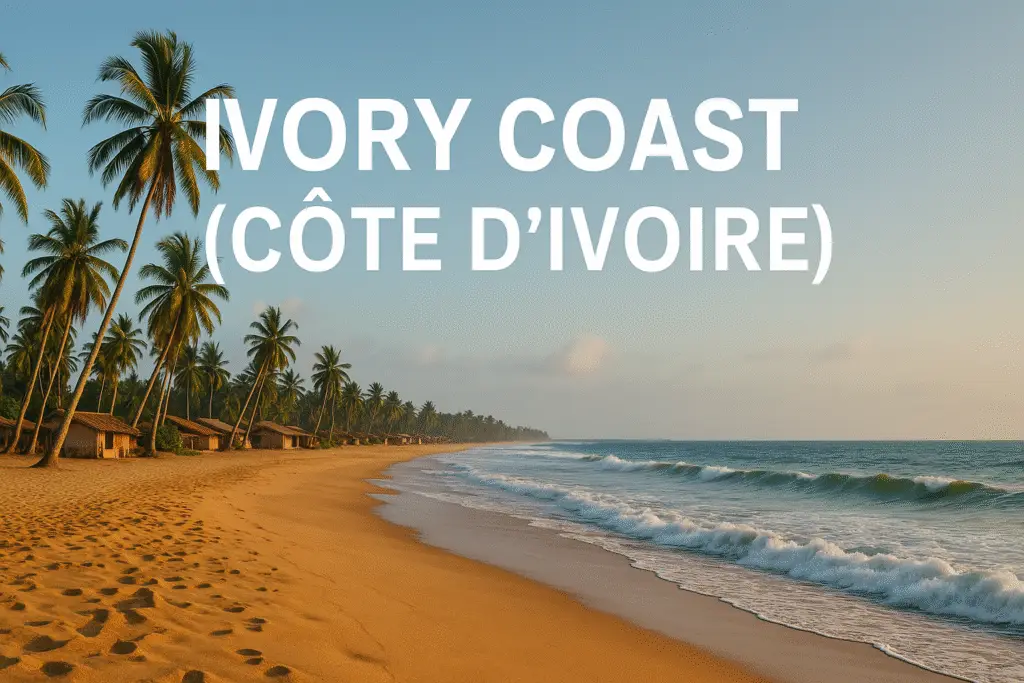
Grand-Bassam’s beach is long, windy and lined with palm trees. Waves crash along the shoreline, creating a refreshing coastal escape from the heat of Abidjan. Beach bars serve grilled fish, fresh coconuts and drinks. Fishermen drag nets onto the sand while children play football along the shore.
Grand-Bassam blends history, relaxation and culture, creating one of the country’s most romantic destinations.
Assinie: Luxury, Mangroves and Island Escapes
Assinie, located along the coast near the Ghana border, is Ivory Coast’s premium beach destination. The resort town is set between the Atlantic Ocean and a peaceful lagoon, creating a narrow strip of land filled with luxury villas, private beaches, palm groves and mangrove forests.
Assinie-Mafia Lagoon
Boat trips along the lagoon reveal mangroves, fishing villages, wooden houses on stilts and calm waters. Pirogues glide slowly past birds resting on branches, while fishermen check nets in the early morning sun.
Beaches and Resorts
Assinie’s ocean beaches are wide, clean and lined with coconut palms. Upscale resorts, beach clubs and private villas cater to guests seeking comfort and tranquility. Jet skis, surfing, paddleboarding and boating are popular activities.
Village Life
Inland from the resorts, Assinie’s villages maintain traditional rhythms. Women smoke fish near the water’s edge. Children play among wooden huts. Cultural ceremonies take place under palm trees. The contrast between luxury tourism and traditional life offers an interesting look into the region’s dual identity.
Assinie is a peaceful coastal paradise with a blend of modern comforts and local culture.
Yamoussoukro: A City of Monuments and Political History
Yamoussoukro, the political and administrative capital of Ivory Coast, is known for its grand architectural landmarks, wide avenues, artificial lakes and tranquil, spacious layout. Unlike Abidjan, Yamoussoukro is calm, spread out and symbolic.
Basilica of Our Lady of Peace
The Basilica of Our Lady of Peace is one of the largest churches in the world. Inspired by St. Peter’s Basilica in Vatican City, it features enormous marble columns, stained-glass windows and a vast dome rising above the savanna. The basilica dominates the landscape with its serene presence and architectural grandeur.
Crocodile Lake
Near the presidential palace lies a lake filled with crocodiles. The reptiles bask along the shore while visitors observe from a safe distance. This unusual landmark symbolizes power and tradition, often tied to stories of local chiefs and political figures.
Wide Avenues and Palm Trees
Yamoussoukro’s boulevards are lined with palm trees and government buildings. The city was the hometown of Félix Houphouët-Boigny, Ivory Coast’s first president, who invested heavily in its development.
Yamoussoukro feels surreal and majestic, a city designed to inspire awe.
Man & the Western Mountains: Waterfalls, Masks and Green Hills
Western Ivory Coast is one of the country’s most beautiful regions. Its landscapes include mountains, cliffs, forests, valleys, waterfalls and cocoa farms. The area around Man and Danané is also known for its traditional mask cultures and rich ceremonies.
Man
The city of Man sits between forested mountains, making it a cool and scenic retreat. Surrounding hills include the sacred La Dent de Man, a rocky peak often covered in mist. Hikers climb through lush vegetation to reach viewpoints overlooking the region.
Waterfalls
The Cascades waterfalls near Man are surrounded by greenery, bamboo forests and tropical plants. The region’s humidity and high elevation create a refreshing atmosphere, ideal for nature lovers.
Mask Culture
The Dan and Guéré ethnic groups of western Ivory Coast are renowned for their masks, used in ceremonies to represent spirits, ancestors, animals and cosmic forces. Masks can appear carved, elongated, intricate or painted, each with symbolic meaning. Performances involve drumming, dance, acrobatics and spiritual invocation. Travelers who witness such a ceremony see one of the country’s most powerful cultural traditions.
Western Ivory Coast is a land of natural beauty and ancient culture blended into one unforgettable experience.
Korhogo & the North: Crafts, Savannah and Tradition
Korhogo, the cultural center of the Sénoufo people, is one of the north’s most important cities. The region features savanna landscapes, traditional villages, weaving centers, sacred sites and wildlife reserves.
Sénoufo Art and Crafts
The Sénoufo are famous for wood carving, bronze casting, weaving, pottery and mask-making. Artisans create figurines, masks, stools, jewelry and textiles using traditional methods passed down through generations. Their art is highly symbolic, often tied to initiation rituals and spiritual beliefs.
Poro Society
The Poro secret society plays a central role in Sénoufo life. It oversees initiation rites, education, spiritual ceremonies and social hierarchy. Though not open to outsiders, its influence appears in music, dance, masks and community structure.
Savanna Landscapes
Northern Ivory Coast features open plains dotted with baobab trees, mud-brick houses and farmlands growing millet, yams and cotton. Life here is slower and deeply rooted in tradition.
Korhogo provides cultural immersion, artisan encounters and savanna tranquility.
Bouaké and Central Ivory Coast
Bouaké is the second-largest city after Abidjan and an important commercial center. Known for its craft markets, music, textiles and friendly atmosphere, Bouaké represents the heart of the country’s Akan and Baoulé culture.
Nearby villages practice weaving, pottery, bead-making and timber carving. The region’s fertile farmlands produce cocoa, coffee, cashews and plantains. Bouaké’s markets display a colorful mix of goods—clothing, beads, perfume, leather products, traditional cloth and fresh produce.
Bouaké is a gateway to both the forests of the south and the savannas of the north.
Nature, Parks and Wildlife
Ivory Coast is home to several national parks and reserves protecting its forests, savannas, wetlands and wildlife.
Taï National Park
Taï National Park is a UNESCO World Heritage Site and one of the last primary rainforests in West Africa. Its biodiversity includes:
chimpanzees
pygmy hippos
forest elephants
duikers
rare birds
butterflies
The forest is dense, humid and filled with giant trees.
Comoé National Park
Comoé in the north is one of West Africa’s largest protected areas. Its landscapes transition from forest to savanna and support:
lions
elephants
hippos
antelopes
monkeys
rare reptiles
Rivers and wetlands make this park ecologically rich.
Ivory Coast’s parks provide rare opportunities for eco-tourism and wildlife exploration.
Cuisine and Food Culture
Ivorian cuisine is flavorful, hearty and communal. Staple dishes include:
attiéké (fermented cassava couscous)
alloco (fried plantains)
foutou (pounded yam or plantain)
grilled tilapia
palm nut stew
peanut sauce
rice with spicy fish or chicken
Street food is popular—spiced meat skewers, fried snacks, roasted corn and fresh fruit sold in markets and along roadsides.
Meals are often shared, emphasizing togetherness and hospitality.
Why Ivory Coast Captivates Travelers
Ivory Coast is a country of contrasts—modern cities and ancient villages, buzzing nightlife and quiet forests, mountains and coastline, festivals and wildlife, tradition and innovation. Its cultural diversity is immense, its landscapes enchanting, its people warm and expressive.
Travelers leave Ivory Coast with memories of rhythmic music, vibrant markets, peaceful beaches, sacred forests, artistic traditions and welcoming communities. It is a place of discovery, emotion and connection—a destination that captures the heart with color, energy and authenticity.
 Related Articles
- Kakslauttanen Arctic Resort
- Top 10 Most Unique Places to Stay in Europe
- 10 Incredible Castles Around the World