
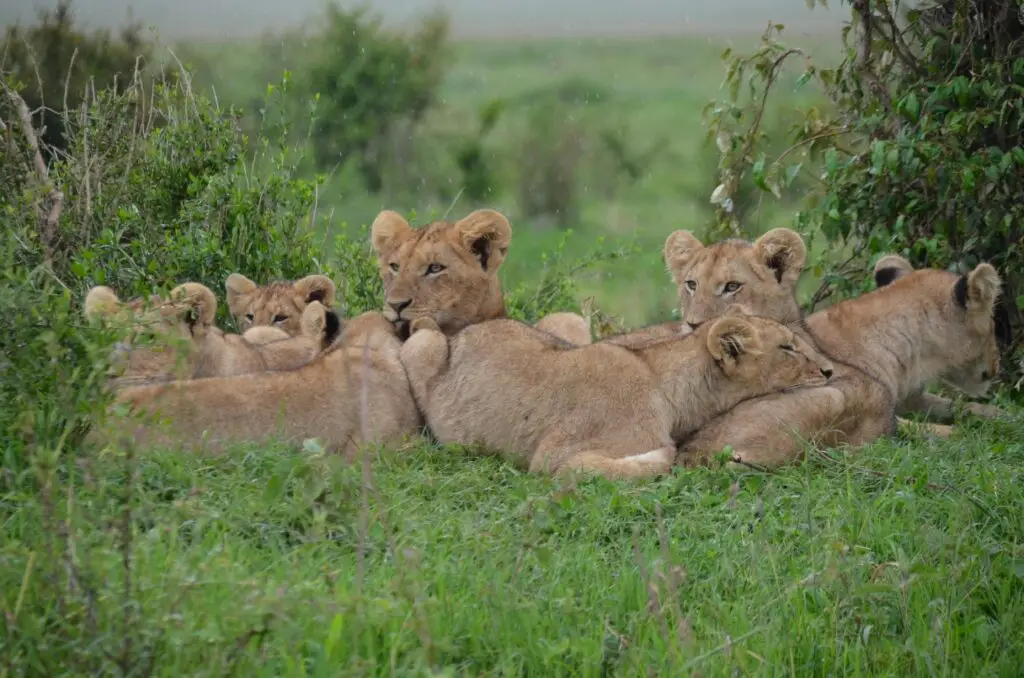
KENYA COMPLETE TRAVEL GUIDE
Kenya is one of the most iconic, diverse, and culturally fascinating countries in Africa. Known worldwide for its epic wildlife, sweeping savannas, dramatic Rift Valley landscapes, snow-capped mountains, tropical beaches, ancient Swahili culture, rich tribal heritage, and vibrant cities, Kenya is a country that captures the imagination of every traveler. It is the birthplace of the modern safari, the home of the Maasai, Samburu, Kikuyu, and dozens of other communities, and a land that has inspired explorers, conservationists, photographers, filmmakers, and adventurers for over a century. Kenya is where you can wake up to lions roaring in the Maasai Mara, explore lush tea plantations in the highlands, climb volcanic mountains along the Rift Valley, relax on white-sand beaches washed by the turquoise waters of the Indian Ocean, or wander through ancient Swahili ruins along the coast.
The sheer diversity of Kenya is astonishing. In one journey, travelers can experience golden grasslands filled with elephants, leopards, cheetahs, giraffes, and buffalo; tropical islands with coral reefs and dhow boats; coffee highlands scented with eucalyptus; bustling cities filled with art, music, and culinary energy; and deserts in the far north where nomadic pastoralists live in traditions passed down for centuries. Kenya’s landscapes change dramatically from region to region, creating one of the most visually dynamic countries on the continent. Its wildlife reserves are among the most famous in the world, including the Maasai Mara, Amboseli, Tsavo East and West, Meru, Samburu, and the Aberdares. These parks are home to the “Big Five,” as well as rare species such as Grevy’s zebra, reticulated giraffe, beisa oryx, and the critically endangered black rhinoceros.
The country is also a cultural mosaic. Kenya’s people represent more than 40 ethnic groups, each with unique languages, traditions, clothing, music, and rituals. Coastal communities reflect a blend of African, Arab, Persian, and Indian influences that have shaped Swahili culture for centuries. Inland communities such as the Maasai, Samburu, Rendille, Turkana, and Pokot maintain pastoral traditions rooted deeply in land and livestock. Agricultural communities such as the Kikuyu, Luhya, and Luo form the economic backbone of the country, while Kenya’s urban youth culture drives innovation, music, fashion, and entrepreneurship.
Kenya is a country of stories—stories of migration, empire, colonialism, independence, conservation, innovation, and resilience. It is a country where ancient traditions live side by side with modern technology, where communities celebrate elaborate cultural ceremonies, and where wildlife conservation efforts are some of the most advanced in Africa. Kenya is also deeply connected to human history, with archaeological discoveries in Turkana and the Great Rift Valley revealing ancient fossil evidence that suggests early humans may have first evolved here.
This comprehensive 9000-word guide explores every aspect of Kenya: its history, geography, wildlife, tribal cultures, cities, coast, mountains, national parks, cuisine, travel logistics, and more. It is designed as a complete country page for your Africa Destinations section on amazingbucketlist.com.
History of Kenya
The history of Kenya is rich, complex, and central to the broader story of East Africa. The region has been inhabited by human ancestors for millions of years. In fact, some of the most significant archaeological discoveries in human evolution come from northern Kenya, particularly around Lake Turkana. Fossils discovered by the Leakey family and other researchers—including Homo habilis, Homo erectus, and early Homo sapiens—suggest that Kenya is part of the cradle of humankind.
Over thousands of years, diverse communities migrated into Kenya from different directions. Cushitic-speaking people arrived from the north, Nilotic-speaking people migrated from southern Sudan, and Bantu-speaking communities came from West Africa, bringing iron-working skills, agriculture, and complex social systems. These migrations created a cultural mosaic that still defines Kenya today.
By the first millennium CE, the East African coast became an important part of Indian Ocean trade. Arab, Persian, and later Indian traders established settlements along the coast, giving rise to Swahili civilization. Cities such as Lamu, Mombasa, Pate, and Malindi flourished as centers of commerce, exporting ivory, gold, spices, mangrove timber, and even enslaved people, while importing textiles, ceramics, glassware, and Islamic scholarship. This era shaped Kenya’s coastal architecture, language, cuisine, and culture.
European involvement intensified in the 19th century when Portuguese, Omani, British, and German powers competed for control of the East African trade routes. Eventually, Britain established dominance, and Kenya became part of the British Empire. Colonial rule led to large-scale settlement of Europeans, particularly in the fertile highlands, creating land disputes and socioeconomic tensions. African resistance grew, culminating in the Mau Mau uprising of the 1950s, a major anti-colonial movement that contributed to Kenya’s push for independence.
Kenya gained independence in 1963, with Jomo Kenyatta becoming the first President. Throughout the late 20th and early 21st centuries, Kenya experienced political transitions, economic growth, challenges such as corruption, regional tensions, and periods of social unrest. Despite these complexities, Kenya remains one of Africa’s most influential nations—economically, culturally, diplomatically, and technologically.
Today, Kenya is a regional hub for innovation, wildlife conservation, tourism, agriculture, and culture. Its history continues to inspire pride, reflection, and ongoing national development.
Geography and Natural Landscapes
Kenya’s geography is defined by breathtaking diversity. From the Indian Ocean coastline to the Great Rift Valley, from the snow-capped peak of Mount Kenya to the deserts of Turkana and Marsabit, Kenya offers one of the most varied landscapes of any African nation.
The Great Rift Valley cuts dramatically through the country from north to south. Its lakes—including Naivasha, Nakuru, Baringo, Bogoria, and Magadi—provide some of the most important bird habitats in the world. Flamingos, pelicans, storks, and birds of prey thrive in these ecosystems. The Rift Valley escarpments create towering cliffs and viewpoints overlooking patchwork farmland and volcanic landforms.
To the east of the Rift, the land rises to the Kenyan Highlands, home to fertile soil, sprawling tea plantations, coffee farms, and cool temperate climates. The highlands are also home to Mount Kenya, the country’s highest peak at 5,199 meters. Mount Kenya is a UNESCO World Heritage Site, featuring lush forests, glaciers, alpine meadows, and unique Afro-alpine vegetation such as giant lobelias and senecios.
To the north, Kenya transitions into semi-desert and desert landscapes, including the regions of Turkana, Samburu, Marsabit, and Moyale. These areas feature rugged mountains, volcanic craters, lava fields, and dramatic plains inhabited by nomadic pastoralists and unique wildlife species.
To the south, Kenya’s landscapes open into the savannas of Maasai land, where the Maasai Mara National Reserve stretches across rolling grasslands famous for lions, cheetahs, elephants, and the Great Migration. This is one of the most iconic safari destinations on Earth.
The coastal region is entirely different—tropical, humid, green, and deeply influenced by Swahili culture. Palm-fringed beaches, coral reefs, mangrove forests, and ancient ruins define the coastline from Lamu to Diani.
From rainforests in Kakamega to the open plains of Tsavo, from mountain moorlands to coral islands, Kenya’s geography is a stunning display of natural contrasts.
Culture and Tribes of Kenya
Kenya’s culture is a vibrant tapestry woven from over 40 ethnic groups, each with unique languages, clothing, traditions, and worldviews. These include Bantu, Nilotic, and Cushitic communities whose histories, livelihoods, and spiritual practices remain deeply connected to the land.
The Maasai, perhaps the most internationally recognized Kenyan community, live in the southern regions near the Tanzania border. Their culture centers around cattle herding, pastoral life, colorful shuka cloth, beadwork, jumping dances, and strong traditional ceremonies. Despite modern influences, the Maasai retain a powerful cultural identity.
The Samburu, related to the Maasai, live in the northern highlands. Their bright clothing, beaded necklaces, camel pastoralism, and initiation ceremonies reflect traditions that have been preserved for generations.
The Kikuyu, Kenya’s largest ethnic group, inhabit the central highlands. Their culture emphasizes farming, entrepreneurship, family structures, and traditional beliefs tied to Mount Kenya.
The Luo people around Lake Victoria have strong fishing traditions, storytelling customs, and musical heritage. The Luhya, Kisii, and Kamba represent additional large Bantu communities with rich agricultural traditions.
In the coastal region, the Swahili people maintain a culture deeply shaped by centuries of Indian Ocean trade. Their architecture, cuisine, language, poetry, music, and Islamic traditions create one of the most distinct cultural identities in Africa.
Pastoral communities of the north—such as the Turkana, Rendille, Borana, and Gabra—live in harsh, arid environments, maintaining camel herding lifestyles, oral traditions, and elaborate dress.
Kenyan culture is also expressed vividly through music and dance. Styles such as benga, taarab, genge, ohangla, Maasai chants, and Swahili poetry have shape modern Kenyan identity. Kenya’s art scene thrives in Nairobi through galleries, craft markets, and cultural centers.
All these traditions coexist within a modern state that embraces both ancient customs and contemporary innovation.
Nairobi: East Africa’s Dynamic Capital
Nairobi, Kenya’s capital, is one of Africa’s most important and energetic cities. Known as the “Green City in the Sun,” it blends modern skyscrapers with parks, forests, markets, museums, and vibrant cultural neighborhoods. It is a hub for business, technology, diplomacy, and regional travel.
Nairobi’s Central Business District contains colonial architecture, government buildings, and bustling streets filled with matatus, street vendors, cafés, and shops. The Karen and Lang’ata neighborhoods feature leafy suburbs, cultural centers, wildlife sanctuaries, and the famous Karen Blixen Museum. Westlands and Lavington are modern, trendy areas with restaurants, malls, nightlife, and art venues.
One of the most unique features of Nairobi is Nairobi National Park, located just minutes from the city center. Giraffes, lions, rhinos, buffalo, and zebra roam freely against a skyline of office towers—an iconic sight found nowhere else in the world.
Nairobi is also home to the Nairobi National Museum, the Railway Museum, Uhuru Park, Karura Forest, and vibrant craft markets such as Maasai Market. The city’s art and music scenes are some of the most dynamic in East Africa.
Despite its traffic, complexity, and contrasts, Nairobi is one of the most exciting cities on the continent.
The Maasai Mara: The Heart of Safari
The Maasai Mara National Reserve is one of the world’s most famous safari destinations. Known for its vast savannas, abundant predators, large herbivore populations, and dramatic seasonal migrations, the Mara is iconic. It is home to lions, leopards, cheetahs, elephants, buffalo, giraffes, hyenas, hippos, crocodiles, wildebeest, and countless bird species.
Every year, between July and October, the Great Migration arrives from the Serengeti. This natural spectacle involves millions of wildebeest, zebra, and gazelle crossing the Mara River. The river crossings are among the most dramatic wildlife scenes on Earth, with crocodiles waiting in the water and predators stalking the herds on land.
The Mara’s open plains are ideal for photography. Sunrises reveal silhouettes of giraffes and acacia trees, while sunsets ignite the savanna in glowing gold.
The region around the Mara is also Maasai land, and travelers often visit Maasai villages to learn about culture, cattle herding, beadwork, and traditional ceremonies.
Amboseli National Park: Land of Giants
Amboseli is one of Kenya’s most iconic parks, famous for its large elephant herds and breathtaking views of Mount Kilimanjaro across the Tanzanian border. This is one of the best places in Africa for close-up elephant encounters. The marshes, fed by underground water from Kilimanjaro’s glaciers, attract wildlife all year.
Amboseli’s landscapes include dry plains, acacia woodlands, wetlands, lakes, and the dramatic backdrop of Africa’s tallest mountain.
Elephants, lions, cheetahs, hyenas, buffalo, zebras, wildebeest, and numerous bird species thrive here. Photographers come from around the world to capture elephants walking beneath the towering snow-capped peak.
Tsavo East and Tsavo West: Kenya’s Wild Frontier
Tsavo East and Tsavo West together form one of the largest wildlife areas in Africa. These vast parks are wilder and more rugged than the Mara or Amboseli, offering dramatic landscapes, red-earth elephants, volcanic formations, baobab trees, and a sense of wilderness that feels untouched.
Tsavo East is known for its wide open plains, enormous elephant herds bathed in red dust, and the Yatta Plateau, one of the world’s longest lava flows. Tsavo West is known for Mzima Springs, where crystal-clear underground water emerges to form pools inhabited by hippos and crocodiles. Chyulu Hills, with their rolling green volcanic slopes, form another highlight.
Tsavo is where travelers go to experience the raw, untamed side of Kenya.
Samburu: Land of Unique Wildlife
Samburu National Reserve, located in northern Kenya, offers a completely different safari experience. The landscapes are semi-arid, with acacia woodlands, rocky outcrops, riverine forests, and dramatic hills. Because of the dry environment, Samburu is home to unique wildlife not found in the southern parks.
The “Samburu Special Five” include the reticulated giraffe, Grevy’s zebra, Somali ostrich, gerenuk antelope, and beisa oryx. Elephants are abundant, and lions, leopards, and cheetahs also thrive here.
Samburu culture is another highlight. The Samburu people, closely related to the Maasai, maintain pastoral lifestyles, vibrant ceremonial dress, and rich traditions.
Mount Kenya and the Highlands
Mount Kenya is Africa’s second-highest mountain and one of its most beautiful. The mountain features forests filled with elephants and leopards, bamboo zones, alpine moorlands, glaciers, and volcanic peaks. Trekking routes offer multi-day hiking experiences through diverse landscapes, culminating in sunrise views from Point Lenana—a favorite among trekkers.
Surrounding the mountain, the highlands are covered with tea plantations, coffee farms, rolling hills, and rivers. Towns such as Nanyuki, Nyeri, and Meru offer access to both nature and culture.
The Aberdare Range, located southwest of Mount Kenya, features moorlands, forests, waterfalls, and wildlife. It is known for treehouse-style lodges where guests can watch elephants and buffalo gather at waterholes.
Kenya’s Coast: Swahili Culture, Beaches, and Tropical Beauty
Kenya’s coastline is an enchanting world of white-sand beaches, turquoise seas, palm trees, coral reefs, mangrove forests, and ancient Swahili settlements. The coast has a completely different atmosphere from the interior—relaxed, humid, tropical, and infused with centuries of Indian Ocean culture.
Mombasa, Kenya’s oldest city, is a historic port where African, Arab, Persian, Portuguese, and Indian influences blend. Old Town features narrow streets, carved wooden doors, mosques, temples, and markets. Fort Jesus, a UNESCO World Heritage Site, stands as a reminder of Portuguese presence and centuries of coastal conflict.
North and south of Mombasa lie some of Kenya’s most beautiful beaches, including Nyali, Shanzu, Diani, Tiwi, and Bamburi. These areas offer luxury resorts, kite-surfing, diving, dhow cruises, and relaxing tropical scenery.
Further north lies the Lamu Archipelago, one of the cultural gems of East Africa. Lamu Old Town, a UNESCO World Heritage Site, is the oldest and best-preserved Swahili settlement in the region. Donkey caravans move through narrow alleys, dhows glide across the water, and centuries-old houses reveal intricate Swahili architecture.
Lamu Island, Manda Island, and Pate Island are peaceful, atmospheric, and steeped in history.
Lake Victoria Region
Western Kenya borders Lake Victoria, one of the largest freshwater lakes in the world. The region is lush, green, and rich in Luo culture. Kisumu, the largest city, combines lakeside charm with markets, museums, and nightlife. The region is filled with papyrus swamps, fishing villages, hippo habitats, and sunset viewpoints along the water.
Nearby attractions include Ndere Island, Ruma National Park, and Kakamega Forest.
Kakamega Forest
Kakamega Forest is a rare remnant of equatorial rainforest in East Africa. It is home to colobus monkeys, blue monkeys, hornbills, giant butterflies, and ancient trees. The forest has a mystical feel, with hiking trails winding beneath towering canopies, and rivers carving through thick vegetation.
It is one of Kenya’s best destinations for birdwatching and ecological immersion.
Turkana and the Northern Frontier
Northern Kenya offers some of the most dramatic and culturally rich landscapes in Africa. Lake Turkana, the world’s largest desert lake, stretches across volcanic plains, barren lava fields, and rugged mountains. The lake is a UNESCO World Heritage Site due to its archaeological significance and unique environment.
Communities such as the Turkana, Rendille, Gabra, and Samburu maintain strong pastoral traditions. Cultural ceremonies, beadwork, camel caravans, and ancestral customs remain central to daily life.
The Chalbi Desert, near the Ethiopian border, features expansive white salt flats, mirages, dunes, and oases. The region feels remote, wild, and untouched.
Kenyan Wildlife and Biodiversity
Kenya’s wildlife is among the most diverse in Africa. The country is home to elephants, rhinos, lions, cheetahs, leopards, buffalo, giraffes, hippos, crocodiles, zebras, wildebeest, and countless antelope species. Its birdlife exceeds 1,100 species, making it a major destination for birdwatchers.
Unique species include Grevy’s zebra, reticulated giraffe, Somali ostrich, gerenuk, and hirola antelope. Coastal and marine life includes dolphins, sea turtles, coral species, reef fish, and occasional humpback whales.
Kenya is also a global leader in wildlife conservation. Organizations such as Ol Pejeta Conservancy, Lewa Wildlife Conservancy, and the Sheldrick Wildlife Trust lead groundbreaking efforts to protect elephants, rhinos, cheetahs, and other species.
Cuisine
Kenyan cuisine is flavorful, diverse, and regionally varied. Staples include ugali (maize meal), chapati, nyama choma (grilled meat), sukuma wiki (greens), pilau rice, matoke, and coconut-based coastal dishes. Swahili cuisine is famous for biryani, seafood curries, mandazi, and spiced tea. Inland regions emphasize grilled meats, stews, and fresh vegetables.
Travel Practicalities
Kenya is one of Africa’s top travel destinations thanks to good infrastructure, domestic flights, safari circuits, hotels ranging from budget to luxury, and a welcoming culture. English and Swahili are widely spoken. Roads vary, but major routes are well maintained.
The best time to visit is during the dry seasons from January to March and July to October. The Great Migration occurs in the Maasai Mara between July and October.
Kenya is safe for travelers who follow normal precautions, use reputable guides, and stay aware of surroundings.
Conclusion: Why Kenya Should Be on Your Bucket List
Kenya is one of the world’s most remarkable travel destinations—diverse, beautiful, culturally rich, and full of adventure. It offers world-class safaris, volcanic mountains, tropical beaches, vibrant cities, ancient Swahili history, and some of the warmest hospitality in Africa. From the Maasai Mara to Lamu, from Mount Kenya to Amboseli, from the Samburu wilderness to the Rift Valley lakes, the country is a tapestry of unforgettable experiences.
For travelers who want wildlife, culture, landscapes, history, and authenticity all in one destination, Kenya is unmatched. It is a country that inspires awe, curiosity, wonder, and deep connection.
A journey through Kenya is a journey through the heart of Africa.
Related Amazing Bucketlist Articles
- 5 Once-in-a-Lifetime Floating Stays
- Hurawalhi Island Resort
- Top 10 Most Romantic Countries in the World for Couples