
Liberia Travel Guide
Liberia is one of West Africa’s most intriguing, overlooked and historically unique countries. It is a nation shaped by a remarkable blend of Indigenous cultures, dramatic natural landscapes, Atlantic beaches, dense rainforests, vibrant markets and an extraordinary history linked to both Africa and the Americas. Founded in the early 19th century by formerly enslaved African Americans who returned to the continent, Liberia developed a political and cultural identity that differs significantly from its neighbors. Its flag resembles that of the United States, its capital Monrovia is named after an American president, and many Liberians have familial, linguistic and cultural ties to the African diaspora.
But Liberia is also deeply rooted in tradition. More than a dozen Indigenous ethnic groups—including the Kpelle, Kru, Bassa, Mano, Gio, Grebo, Loma and Vai—maintain rich languages, spiritual customs, masks, dances, farming systems and storytelling practices. The result is a country where two worlds merge: African heritage and diaspora heritage, rainforest communities and coastal settlements, modern urban life and rural village culture.
Geographically, Liberia is blessed with some of the most beautiful and unspoiled natural environments in West Africa. Over 40% of the land is covered by tropical rainforest, making it part of the Upper Guinean Rainforest, one of the world’s biodiversity hotspots. Its roaring rivers, mangrove wetlands, mountain slopes, national parks and wildlife reserves shelter elephants, chimpanzees, hippos, pygmy hippos, forest buffalo, crocodiles and hundreds of bird species. Along the coast, long stretches of golden sand meet warm Atlantic waves, and palm trees sway in the tropical breeze.
Though Liberia has endured civil conflict in the past, the last two decades have brought stability, rebuilding and renewed pride. Today, the country welcomes adventurous travelers seeking authenticity, community warmth, untouched nature and experiences far beyond the typical tourist trail. Liberia is raw, real, soulful and unforgettable.
Monrovia: A Capital of Resilience, Energy and Cultural Fusion
Monrovia, Liberia’s capital, is a coastal city bursting with life, movement, history and color. Built on a peninsula surrounded by the Atlantic Ocean and the Mesurado River, Monrovia combines markets, beaches, historical landmarks, informal settlements, political buildings, restaurants, vibrant street life and the rhythm of daily Liberian culture.
Historical Identity
Monrovia’s history is woven into every street. The city was originally settled by African Americans who returned to Africa in the 1820s. Their descendants—known as Americo-Liberians—brought Western architecture, English-language documents, churches, schools and political institutions. The Capitol Building, modeled after the U.S. Capitol, remains a symbol of this connection. Other landmarks include the Centennial Pavilion, where presidents are sworn in, and the National Museum, which showcases cultural artifacts, historical artifacts, textiles, masks, documents and photographs detailing Liberia’s journey.
City Life
Monrovia’s streets buzz with energy. Market women balance baskets on their heads as they navigate traffic. Taxis and motorbikes weave through narrow roads. Street vendors sell oranges, cassava, roasted corn, dried fish and handmade goods. Children play soccer in sandy fields. People gather in bars and restaurants to dance, talk and watch football matches.
Waterside Market
Waterside Market is one of Monrovia’s busiest commercial hubs. Stalls overflow with fabrics, shoes, electronics, fresh produce, beauty products, crafts and seafood. The atmosphere is chaotic but exciting, offering visitors a glimpse into everyday commerce.
Beaches
Liberia’s coastline begins right in the capital. Beaches like Banjor, ELWA, Thinker’s Village and Kendeja offer golden sand, palm trees and strong waves. Locals gather in the evenings to relax, play music and enjoy the ocean breeze.
Monrovia is not polished—but its character, resilience, warmth and cultural fusion make it one of West Africa’s most fascinating cities.
Robertsport: Surfing, Fishing Villages and Coastal Beauty
Robertsport, in the northwest near the Sierra Leone border, is Liberia’s surfing paradise. The town sits on a peaceful peninsula surrounded by lagoons, mangroves, beaches and rolling waves. Its long, sweeping coastline attracts surfers from around the world seeking uncrowded breaks and warm water.
Surf Culture
Surfing in Robertsport began decades ago but grew significantly in recent years. Waves roll cleanly along rocky points, creating consistent breaks ideal for both beginners and professionals. The peaceful environment, sandy coves and fishing canoes pulled onto the shore create a beautiful backdrop.
Fishermen’s Life
Robertsport remains a traditional fishing community. Every morning, fishermen push brightly painted dugout canoes into the waves. Nets are repaired on the sand. Kids help pull catches ashore. The combination of surf culture and traditional coastal life creates a charming atmosphere.
Colonial Heritage
Robertsport also retains colonial-era architecture from the time of Liberia’s expansion inland. Old churches, government buildings and settlements add historical character.
For travelers seeking calm beaches, friendly locals, surf culture and coastal scenery, Robertsport is a must-visit.
Buchanan: A Port City with Quiet Beaches
Buchanan, southeast of Monrovia, is Liberia’s second-largest port city. It has a relaxed, tropical feel and is known for its clean beaches, palm-lined roads and friendly atmosphere.
Beaches and Nature
The coastline near Buchanan is lined with golden sand beaches that are often nearly empty. Gentle waves roll onto the shore, and palm trees cast shade over visitors. The area feels peaceful and remote despite its proximity to the city.
Local Life
Buchanan’s markets sell fresh fish, vegetables, handmade crafts and traditional foods. The pace is slow. People gather at beachside bars to enjoy grilled fish and music.
Rivers and Wetlands
The region surrounding Buchanan includes rivers, mangroves, forests and wetlands where birds, reptiles and monkeys can be spotted.
Buchanan is ideal for travelers seeking tranquility and authentic Liberian coastal life.
Sapo National Park: Liberia’s Wild Rainforest Heart
Sapo National Park is the largest protected rainforest in Liberia and one of the most biodiverse regions in West Africa. Dense jungle, giant trees, vines, swamps, rivers and forest clearings create a prime habitat for rare wildlife.
Pygmy Hippos
One of Liberia’s most famous species is the pygmy hippo—an elusive and endangered animal found only in West Africa. Liberia has one of the largest remaining populations. Spotting one is extremely rare, but just knowing the forest houses these creatures adds mystery to the experience.
Chimpanzees and Monkeys
Chimpanzees live deep in the forest canopy, along with Diana monkeys, colobus monkeys and mangabeys. Their calls echo through the jungle at dawn and dusk.
Forest Elephants
Forest elephants are smaller and more elusive than savanna elephants. They inhabit remote parts of the park, leaving footprints and feeding trails.
Birdlife
Colorful birds, including hornbills, turacos, kingfishers and eagles, fill the sky and forest understory. Butterflies, insects and amphibians thrive in the humid ecosystem.
Rainforest Trekking
Trekking through Sapo feels like entering a world untouched by modern life. Rivers wind through thick vegetation. Fallen logs serve as bridges. The forest hums with insects and rustling leaves. Paths are natural and often challenging, but incredibly rewarding for adventurous travelers.
Sapo is Liberia’s ecological crown jewel—wild, remote and breathtaking.
Lofa County: Mountains, Culture and Cool Highlands
Lofa County, in Liberia’s far north near Guinea and Sierra Leone, features rolling hills, misty mountains, cool temperatures and strong cultural traditions. It is home to the Loma, Kisi, Gbandi and Mandingo peoples, each with unique customs, textiles, rituals and communal practices.
Forests and Rivers
Forested hills shelter villages, farms and wildlife. Rivers flow through valleys, providing water for agriculture and daily life. Bamboo bridges cross streams, and footpaths connect communities.
Voinjama
Voinjama is the main town in Lofa County. It serves as a regional center for trade, agriculture and cultural events. Its market sells rice, pepper, cassava, kola nuts, meat, fabrics and crafts.
Traditional Life
Ceremonial dances, storytelling, ancestor rituals, farming cycles and communal gatherings shape social life. Artisans produce masks, drums, woven textiles and carved figures.
Lofa offers a glimpse into Liberia’s highland cultures and natural beauty.
Nimba Mountains: Dramatic Landscapes and Sacred Hills
The Nimba Mountains, on the border with Guinea and Ivory Coast, form a dramatic landscape of peaks, ridges, valleys, forest patches and rolling grasslands. The region is designated as a UNESCO World Heritage Site due to its biodiversity and unique habitats.
Wildlife
The mountains shelter rare species, including Nimba otter shrews, chimpanzees, frogs, birds and endemic plants.
Cultural Heritage
Local communities consider parts of the mountains sacred. Rituals, initiation ceremonies and traditional beliefs are tied to the land.
Hiking
Trails offer sweeping views over West Africa, scattered forest patches, rock formations and grasslands.
The Nimba Mountains provide some of Liberia’s most stunning natural scenery.
Gbarnga and Central Liberia
Central Liberia is a region of hills, farming villages, forests and small towns. Gbarnga, one of the main towns, serves as a cultural and academic center.
Markets
Markets sell palm oil, rice, vegetables, pepper, cassava, bush meat, fabrics and local crafts.
Universities and Institutions
Gbarnga is home to universities and training centers that serve the region’s youth.
Agricultural Landscapes
Farms, rice fields, cocoa farms and palm plantations stretch across rolling terrain.
Gbarnga and central Liberia showcase the country’s rural life and agricultural roots.
Culture, Ethnic Traditions and Spiritual Identity
Liberia is one of the most culturally diverse countries in West Africa. More than a dozen major ethnic groups contribute to the nation’s traditions, languages, arts and social structures.
Masks and Rituals
Many groups use wooden masks in ceremonies representing spirits, ancestors, animals, wisdom and natural forces. Dances, drumming and chanting accompany these rituals.
Secret Societies
The Poro (male) and Sande (female) societies play important roles in education, initiation, morals and community identity. Their ceremonies influence daily life.
Storytelling
Oral tradition is vital. Griots, elders and storytellers pass down myths, history, lessons and spiritual beliefs.
Music and Dance
Liberian music includes drumming, folk songs, rhythm-and-blues influences, gospel, hip-co (Liberian hip-hop) and traditional melodies. Dance expresses joy, unity, celebration and spirituality.
Liberia’s culture is layered, expressive and deeply rooted.
Cuisine and Local Foods
Liberian cuisine is flavorful, comforting and based on rice—the national staple. Meals combine local vegetables, spices, seafood, meat and palm products.
Popular dishes include:
- jollof rice
- cassava leaf stew
- palm butter soup
- fufu with pepper soup
- dry rice with fish
- fried plantains
- potato greens stew
Street food—roasted meat, plantains, rice dishes and pastries—is widely enjoyed.
Meals are shared communally, reflecting Liberia’s emphasis on hospitality.
Nature, Rivers and Outdoor Adventure
Liberia’s rivers—including the St. Paul, St. John, Cestos, Mano and Cavalla—are central to travel experiences. Canoeing, fishing and boat trips reveal mangroves, villages, wetlands and wildlife. Waterfalls, forest reserves, hiking routes, and mountain trails offer adventure.
The country’s biodiversity makes it a paradise for eco-tourists seeking untouched nature.
Why Liberia Captivates Travelers
Liberia remains one of West Africa’s most authentic and unexplored destinations. Travelers are drawn to its:
- warm, welcoming people
- soulful history
- powerful cultural traditions
- golden beaches
- wild rainforests
- mountain scenery
- lively cities
- peaceful villages
- music and storytelling
- rare wildlife
It is a country that feels real, raw and refreshingly uncommercialized. Liberia is not a typical tourist destination—it is a place of genuine connection, emotion, beauty and discovery.
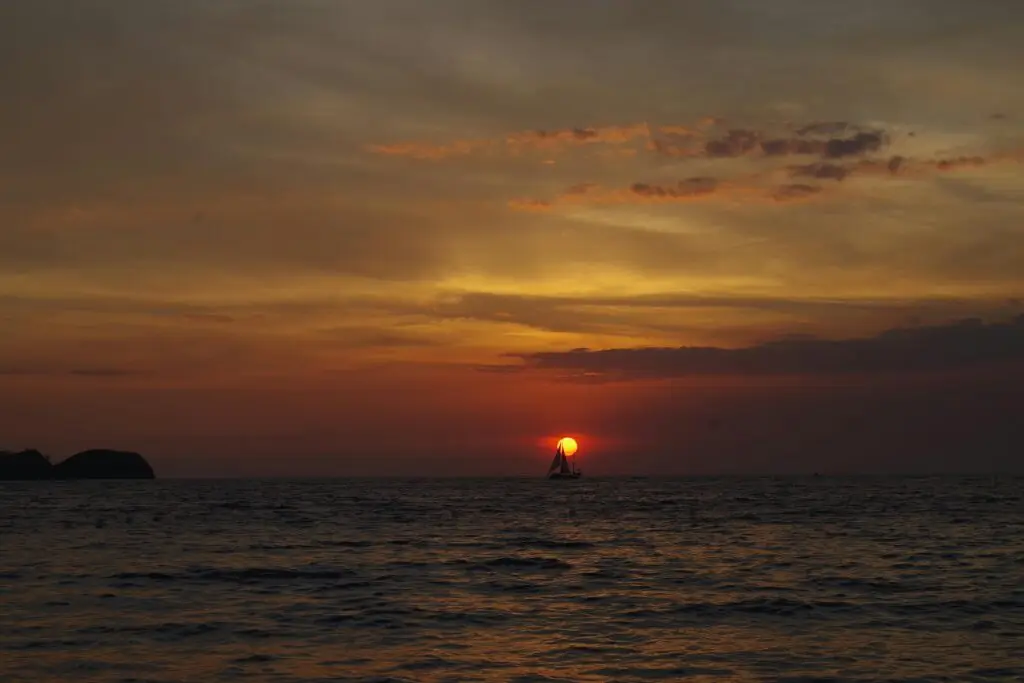
Visitors leave with memories of ocean sunsets, rainforest walks, friendly faces, drumming at night, quiet villages and a sense of having seen a part of Africa that few others have experienced.
Liberia is unforgettable.
It is a journey into nature, culture and humanity itself.
 Related Articles
- Kakslauttanen Arctic Resort
- Top 10 Most Unique Places to Stay in Europe
- 10 Incredible Castles Around the World