
Madagascar Complete Travel Guide
Madagascar – The Red Island of Wonder, Spirit, and Endless Discovery
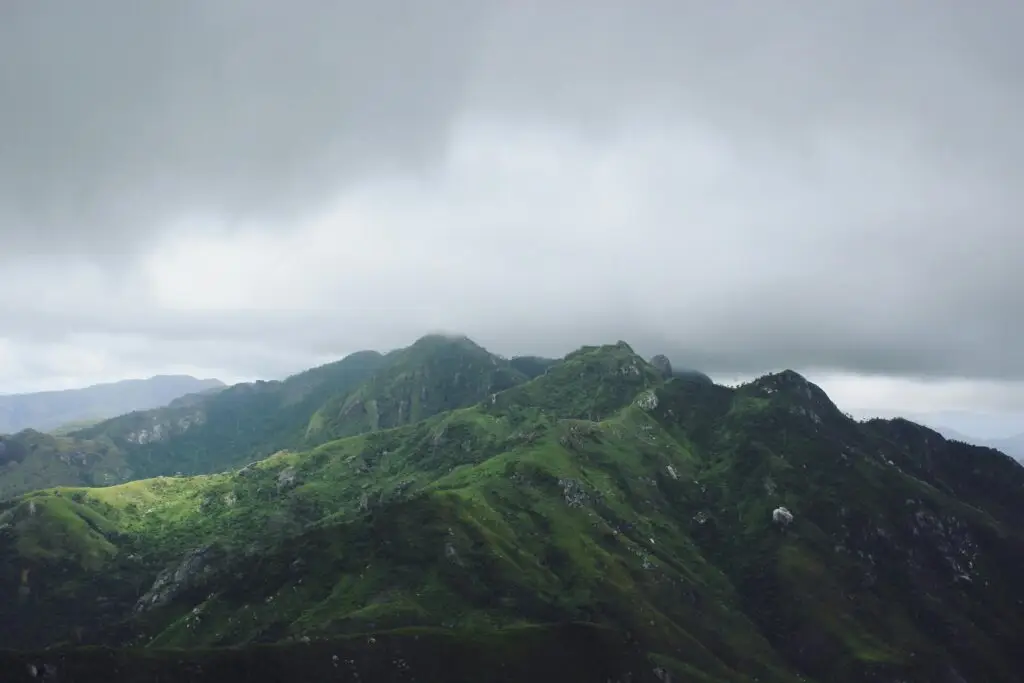
Madagascar is a world unto itself, a place so unique, so biologically rich, and so culturally profound that it often feels like a separate planet stitched onto the edge of the African continent. Known as the “Red Island” because of its rust-colored earth, Madagascar is a land sculpted by ancient rainforests, spiny deserts, towering baobabs, high plateaus, turquoise shores, coral reefs, volcanoes, and landscapes that shift with each region like chapters in an extraordinary book. Separated from mainland Africa for nearly 90 million years, the island developed species found nowhere else on Earth—lemurs that leap like acrobats between trees, chameleons the size of a fingernail, ancient baobabs standing like wise giants, and forests that hum with the sound of creatures both strange and enchanting.
But Madagascar is more than biodiversity. It is a nation shaped by spirit, ancestry, and identity. The Malagasy people, descendants of both African and Austronesian roots, create a cultural mosaic unlike any other. Their languages, music, traditions, beliefs, and social customs reflect an ancient respect for the land, the ancestors, and the forces of nature. Here, the living and the departed coexist harmoniously in daily thought and ritual. Traditional ceremonies honoring ancestors are woven into the rhythm of life, guiding decisions, community bonds, and spiritual balance. Hospitality is warm and instinctive, expressed through smiles, shared meals, and a gentle curiosity toward visitors.
Madagascar does not overwhelm with cities or grand monuments. Instead, it reveals its beauty through atmosphere, discovery, and encounters—quiet mornings in misty highlands, the call of birds echoing through rice terraces, fishermen pushing wooden pirogues through crystal-clear lagoons, children laughing as they run barefoot along sandy paths, and the distant sound of waves breaking on coral-fringed shores. Traveling through Madagascar is not simply about sightseeing. It is about understanding a land shaped by ancient isolation, cultural resilience, ecological marvels, and human warmth. It is a journey into a world that captivates the senses, nourishes the imagination, and lingers emotionally long after you leave.
The Geography and Natural Atmosphere of Madagascar
Geographically, Madagascar is breathtaking in its diversity. The island is the fourth largest in the world, stretching over 1,500 kilometers from north to south, with landscapes that shift dramatically from one region to the next. The central highlands form the backbone of the island, filled with rolling hills, terraced rice fields, volcanic peaks, and rural villages perched above valleys carved by rivers. The air in the highlands is cool and refreshing, carrying the scent of eucalyptus, pine, and damp earth. Mist often settles over the hills in the early mornings, creating scenes that feel suspended between dream and reality.
To the east, the landscape descends into dense tropical rainforests. Here, the vegetation grows thick and ancient—towering palm trees, giant ferns, orchids that bloom in the branches, and tangled vines that hang like curtains along muddy paths. Rain falls frequently, feeding rivers that plunge into waterfalls and filling the forest with a constant sense of movement and life. The atmosphere is humid, lush, and filled with the hum of insects, the calls of lemurs, and the soft flutter of wings.
In contrast, the western and southern regions shift into dry forests, grasslands, and spiny deserts—a surreal environment where thorny plants twist upward into bizarre shapes and baobabs rise like colossal guardians against the horizon. The spiny forest is one of the strangest landscapes on Earth, a place where evolution took a different path. The soil glows red beneath the sun, the heat vibrates across the land, and the plants appear sculpted by survival itself.
Madagascar’s coastlines are equally captivating. The eastern shoreline faces the Indian Ocean, where waves crash onto long beaches bordered by coconut palms and dense forest. The western coast is more tranquil, with calm waters, mangrove estuaries, fishing villages, and sunsets that ignite the sky in shades of gold, rose, and deep violet. In the northwest and southwest, coral reefs stretch for kilometers, home to marine life as vibrant and diverse as the island’s wildlife on land.
Every part of Madagascar feels distinct, as if the island is a collection of worlds woven into a single landmass. The variety is not only geographical—it is emotional. Travellers feel different energies in each region: the serenity of the highlands, the mystery of the rainforests, the stillness of the deserts, the warmth of the coasts, and the magic of the islands offshore.
Antananarivo – A Capital of Layers, History, and Human Movement
Antananarivo—often called “Tana”—is a capital full of contrasts. Built across steep hills, the city unfolds in layers: colorful houses, narrow stairways, lively markets, colonial buildings, sacred royal sites, and bustling streets where life pulses with movement and sound. Tana is not a polished or easy city; it is chaotic, artistic, energetic, and filled with personality. It blends tradition and modernity in a way that is uniquely Malagasy.
Walking through Antananarivo feels like stepping into a living tapestry. Markets overflow with fruits, vegetables, spices, textiles, handmade crafts, and street food whose aromas drift through the air. Rickshaws and taxis navigate winding roads, children play football in open streets, and vendors call out with a rhythm that becomes part of the city’s soundtrack. Above it all, historical buildings overlook the city—the Rova (Queen’s Palace) perched on the highest hill, colonial-era homes with delicate wooden balconies, and vibrant neighborhoods that spread across slopes and valleys.
Despite the density and movement, Antananarivo maintains a sense of warmth and community. Conversations flow easily, greetings are exchanged with sincerity, and even in the busiest parts of the city, there is a human softness that defines Malagasy culture. Tana serves as the cultural and administrative heart of the island, a place where traditions merge, languages meet, and the rhythms of modern Malagasy life beat strongly.
Yet the city is only a beginning. Beyond its borders, the landscapes open dramatically into rural hills, rice terraces, and endless natural beauty—a reminder that Madagascar’s soul is found not in its urban centers, but in its earth, forests, and people.
The Central Highlands – Rice Terraces, Villages, and the Heart of Malagasy Life
The central highlands are the cultural and agricultural center of Madagascar—a region shaped by terraced rice paddies, red-clay houses, volcanic lakes, and winding roads that pass through picturesque countryside. This region feels peaceful and grounded, with cool temperatures, gentle breezes, and views that stretch for kilometers. Villages sit atop hills like clusters of warm-colored stones, surrounded by fields where farmers work from dawn to dusk, guided by traditions passed down through generations.
Rice is the lifeline of the highlands, forming not only the basis of Malagasy cuisine but also the landscape itself. Terraces carved into mountainsides create breathtaking patterns, reflecting sunlight in pools of water or glowing green during planting season. Farmers tend these fields with patient care, often accompanied by zebu (Madagascar’s iconic humped cattle), which play a crucial role in agriculture and ritual life.
Life in the highlands is slow and communal. Families gather in courtyards, women weave mats and baskets, children climb trees or run over grassy hills, and elders tell stories that preserve ancestral memory. Houses, built from red laterite clay, give the landscape its signature warm color. Church bells ring on Sundays, and markets fill with handmade goods, fresh produce, and lively conversations.
The highlands hold a spiritual significance as well. Many Malagasy tribes believe their ancestors reside in the hills, fields, and earth itself. Rituals held in these regions—particularly the famadihana, a ceremony honoring and rewrapping the remains of ancestors—demonstrate the deep connection between people and heritage. In the highlands, spirituality, family life, and agriculture intertwine seamlessly, creating a cultural identity rooted in earth and tradition.
Rainforests of the East – Ancient Green Worlds Filled With Life
Madagascar’s eastern rainforests are among the most biologically diverse ecosystems on the planet—ancient, humid, and alive with thousands of species found nowhere else. These forests stretch like a green spine down the eastern edge of the island, nourished by heavy rainfall and warm tropical air. Walking into one of these forests feels like entering another realm.
The air is thick with moisture, the canopy stretches high above, and sunlight filters through leaves in soft, shimmering patterns. Moss covers trunks, orchids cling to branches, frogs croak from unseen hiding spots, and the forest floor rustles with life. Lemurs leap through the treetops—sometimes shy, sometimes curious—moving with incredible agility across branches. Their calls echo through the forest, creating an atmosphere both mysterious and alive.
The eastern rainforests contain many unique species, including:
Leaping lemurs with bright eyes and expressive faces
Chameleons that change color to blend with the forest
Leaf-tailed geckos disguised perfectly as tree bark
Vivid butterflies with delicate wings
Rare birds whose songs fill the dawn
The plants here are equally extraordinary—giant ferns, pandanus palms, flowering vines, and medicinal herbs used by local communities for centuries.
For travellers, the rainforests of Madagascar are emotional experiences. The silence is deep except for bursts of natural sound. The air feels ancient, pure, and rejuvenating. And every path, stream, or clearing reveals life that evolved in isolation for millions of years. The rainforests remind visitors that Madagascar is not simply a country—it is an ecological treasure of global importance.
The Western and Southern Landscapes – Baobabs, Spiny Forests, and Red-Earth Beauty
In contrast to the lush east, Madagascar’s western and southern regions are dry, hot, and sculpted by a different kind of beauty. The iconic Avenue of the Baobabs near Morondava stands as one of the island’s most recognizable images—a dirt road lined with enormous baobab trees that rise like prehistoric giants against the sky. At sunrise and sunset, the trees cast long shadows across the red earth, and the sky glows in hues of gold, purple, and orange. The atmosphere here feels timeless, sacred, and awe-inspiring.
Baobabs are ancient trees, some hundreds to thousands of years old. Their trunks store water to survive long dry seasons, and their thick, smooth bark and spindly branches give them an unmistakable silhouette. Local legends describe baobabs as trees planted upside down, their roots reaching toward the sky.
Further south lies the spiny forest, one of the most unusual and surreal ecosystems on Earth. The plants here evolved to survive scorching heat, drought, and sandy soil, resulting in shapes that resemble living sculptures—thick trunks covered in thorns, twisted branches reaching upward, and succulents that store water like desert jewels. The forest is home to lemurs, reptiles, birds, and insects adapted perfectly to this harsh yet strangely beautiful environment.
The western and southern regions embody Madagascar’s dramatic contrasts—where beauty emerges from resilience, survival, and the ancient creativity of nature itself.
The Islands and Coastlines of Madagascar – Coral Reefs, Fishing Villages, and Turquoise Worlds
Madagascar’s coastlines offer some of the most enchanting seascapes in the Indian Ocean. Each region along the coast vibrates with its own mood, culture, and natural identity, shaped by centuries of maritime life and the ever-changing rhythms of the sea. The western coast is warm and calm, washed by gentle tides and rich with golden beaches, lagoons, and mangroves. Fishermen here rely on traditional wooden pirogues, their sails catching the wind as they glide silently across turquoise water. Sunsets fill the horizon with colors so intense they seem painted—deep orange, purple, and rose melting into an endless sea. The coastline feels peaceful, timeless, and grounded in tradition.
The eastern coast faces the full power of the Indian Ocean. Waves crash on long, palm-fringed beaches, and trade winds sweep across the shoreline, creating a wilder, more dramatic atmosphere. Here, the rainforest almost touches the sand, giving the region a lush, tropical character. Coastal villages live in harmony with the ocean, drying fish under the sun, weaving fishing nets, and gathering coconuts in a landscape that feels vibrant and full of life. The smell of salt, sweet fruit, and warm sand fills the air.
To the north and southwest lie Madagascar’s crown jewels—its offshore islands. These islands, surrounded by coral reefs and crystal-clear waters, form some of the most breathtaking marine environments in the region. Their energy is different from the mainland. Life feels slower, lighter, brighter. The wind carries the scent of the ocean, the sound of children playing in the surf, and the distant hum of village life. Nights are filled with stars, waves, and the soft rhythm of island living.
Nosy Be – The Perfumed Island of Light, Coral, and Music
Nosy Be, the most famous island off Madagascar’s northwest coast, is a world of warm breezes, coral gardens, and soft golden light. Known as the “Perfume Island,” it carries the scent of ylang-ylang blossoms, vanilla, sugarcane, and tropical flowers. Life on Nosy Be moves gently. Villages lie along white-sand beaches where fishermen mend their nets in the shade of palm trees. Children chase crabs on the shore, and the ocean sparkles with blues and greens so clear that boat hulls reflect in the water like mirrors.
Marine life thrives in the warm, shallow seas surrounding the island. Coral reefs stretch across the seafloor, home to colorful fish, turtles, rays, and occasionally migrating whales. Snorkeling here feels like floating above an underwater tapestry—fields of branching coral, swaying anemones, and shimmering schools of fish moving like clouds beneath the surface. The reefs remain some of the most pristine in the Indian Ocean, protected by the island’s remoteness and the traditions of local fishing communities.
On land, Nosy Be offers rolling hills, sacred lakes, and pockets of forest where lemurs leap between branches. Evenings bring the sound of traditional music, often accompanied by rhythmic drumming and singing. The island’s energy is mellow but full of life—perfect for travellers seeking both relaxation and cultural connection.
Île Sainte-Marie – A Romantic Island of History, Coconut Palms, and Whale-Song
On the opposite side of the country lies Île Sainte-Marie, an island that feels like a living poem. Lush, green, and incredibly peaceful, it is a place where coconut palms lean over soft beaches, fishing canoes drift through quiet lagoons, and villages sit gracefully beneath the shade of breadfruit trees. The island is famous for its history—once a haven for pirates who sailed the Indian Ocean, it still contains remnants of their lives: old gravestones, ruined hideouts, and legends whispered through the generations.
But the most magical aspect of Sainte-Marie appears between July and September, when humpback whales migrate through the channel separating the island from Madagascar’s mainland. Travellers can stand on the shore and see the ocean erupt in plumes of spray as whales breach, slap their tails, and sing beneath the waves. The sound echoes across the water, creating an experience that feels spiritual and unforgettable. Watching whales move gracefully through the sea becomes one of the most powerful emotional encounters in Madagascar.
Life on Sainte-Marie is slow. Villagers fish, weave baskets, grow fruit, and gather at dusk to socialize as the sky turns gold. Travelers often describe feeling a profound sense of calm here—a kind of peace carried by the sound of waves, the softness of the sand, and the island’s gentle spirit.
The Southwest – Toliara, Vezo Culture, and Endless Sapphire Seas
The southwest of Madagascar, especially around Toliara, is a world where earth, sea, and wind blend into a landscape that feels ancient and elemental. The Vezo people, known as “the people of the sea,” have lived along this coastline for centuries, relying entirely on fishing for survival. Their connection to the ocean is deep and spiritual. They navigate traditional wooden outrigger canoes with sails made from stitched cloth, gliding across calm, clear waters that shimmer like sapphire.
The beaches here are long, quiet, and bathed in warm sunlight. The water is shallow, bright, and filled with coral gardens. The atmosphere is peaceful, shaped by the steady rhythm of waves and the crackle of cooking fires in nearby villages. Life revolves around tides, winds, and the cycles of the ocean. Every morning, fishermen push their boats into the sea, returning hours later with fish that will be shared, sold, or prepared for family meals. The sound of laughter, paddles hitting water, and children playing in the sand gives the coastline a warm, communal vibe.
Further south, the landscape shifts dramatically into spiny forest, desert dunes, and otherworldly rock formations. The contrast between sea and desert creates a surreal environment that feels untouched by time.
Lemurs – Madagascar’s Living Symbols of Evolution, Emotion, and Magic
Lemurs are the emotional heart of Madagascar’s wildlife—creatures found nowhere else on Earth, each species carrying its own personality, behavior, and charm. There are more than 100 species of lemurs, ranging from the tiny mouse lemur (small enough to sit in the palm of your hand) to the indri, the largest living lemur, whose haunting calls echo through eastern rainforests like ancient songs.
Seeing lemurs in the wild is an experience that touches travellers deeply. They leap gracefully between branches, their eyes wide with curiosity and intelligence. Their movements are acrobatic yet gentle, filled with energy but never chaotic. Many species live in close family groups, communicating through complex vocalizations, gestures, and scents. Watching them interact reveals a world of emotion—mothers grooming babies, males calling to their partners, groups basking together in patches of sunlight.
Some of the most iconic species include:
The ring-tailed lemur, with its black-and-white tail held high like a flag as it moves through dry forests.
The indri, whose powerful, echoing calls rise like music across the treetops at dawn.
The sifakas, known for their dancing movements as they hop sideways across the ground with their arms raised in a graceful balance.
The aye-aye, a mysterious nocturnal lemur believed in some traditions to bring omens and spiritual messages.
Lemurs are more than animals—they are symbols of Madagascar’s fragile ecological miracle. They remind travellers that the island is a world shaped by millions of years of isolation, evolution, and harmony with nature. Seeing them up close is one of the most magical and emotional experiences Madagascar offers.
Chameleons, Birds, Reptiles, and the Island’s Surreal Wildlife
Madagascar’s wildlife goes far beyond lemurs. The island is home to half of the world’s chameleon species, including the smallest chameleon ever discovered—so tiny it can sit on the tip of a matchstick. Their colors shimmer with greens, reds, blues, and golds, shifting with mood, light, and temperature. Watching a chameleon move slowly across a branch, its eyes turning independently in all directions, is like observing a living jewel of evolution.
Birdlife is equally remarkable. Bright red fodies flash between trees, vangas sing melodic calls, herons glide above wetlands, and ground-rollers hunt in the shadows of forest floors. Many of these species exist nowhere else in the world.
Reptiles, frogs, insects, and plants add to the island’s astonishing biodiversity. Leaf-tailed geckos mimic tree bark so perfectly they vanish against the trunk. Frogs glow with neon patterns. Orchids bloom in trees and cliffs. Every corner of Madagascar’s wilderness reveals something extraordinary—something that reminds travellers that nature here is ancient, rare, and utterly irreplaceable.
Food and Daily Life – A Culture of Warmth, Rice, and Malagasy Hospitality
Malagasy cuisine is shaped by rice, spices, fresh vegetables, tropical fruit, and coastal ingredients. Rice is eaten with nearly every meal, often accompanied by stews made with chicken, beef, fish, or zebu. Sauces are seasoned with ginger, garlic, tomatoes, coconut milk, or local greens. Along the coasts, grilled fish, octopus, prawns, and lobster are common, often seasoned lightly and served with lime, cassava, and rice.
Daily life in Madagascar is communal and warm. Families gather outdoors to cook, talk, and share meals. Children play freely in open fields or sandy paths, their laughter carrying through villages. Markets are lively and colorful, selling everything from fresh fruit and spices to handmade baskets and embroidered fabrics. Music fills the air during festivals, ceremonies, and celebrations.
Hospitality is an essential part of Malagasy culture. Visitors are welcomed with smiles, food, and genuine kindness. Even in the most remote areas, travellers are often invited into homes, offered tea, or included in conversations. These moments reveal the heart of Madagascar—kind, patient, proud, and connected.
Ancestral Beliefs, Rituals, and the Spiritual Depth of Malagasy Culture
Spirituality is central to life in Madagascar. Many Malagasy people practice ancestor veneration, believing that the spirits of their ancestors watch over them, guide them, and protect their communities. This belief shapes daily decisions, cultural values, and major life events.
One of the most profound rituals is the famadihana—the turning of the bones. During this ceremony, families gather to honor the ancestors by retrieving their remains from family tombs, rewrapping them in fresh cloth, and celebrating with music, dance, food, and joy. It is a moment of unity, memory, and deep emotional connection. The ceremony symbolizes the ongoing bond between the living and the departed.
Other traditions involve protective charms, sacred places, taboos known as fady, and community rituals that honor spirits and ensure harmony between humans and nature. Spiritual practices vary between ethnic groups and regions, but they share common themes: respect for the past, balance with the natural world, and the belief that life is part of a larger, ongoing journey.
Climate, Seasons, and the Natural Rhythm of Madagascar
Madagascar’s climate shifts dramatically across the island. The east is humid and rainy year-round, feeding dense rainforests. The highlands experience cooler temperatures, misty mornings, and seasonal rains. The west and south are dry, warm, and shaped by long sunny seasons.
Cyclones occasionally reach the eastern coast, bringing strong winds and heavy rain. Dry seasons create warm breezes and clear skies perfect for exploring beaches and savannas. Rainy seasons turn the land green and lush, filling rivers and awakening wildlife.
Throughout the year, Madagascar’s changing climate adds depth, emotion, and drama to the landscape—quiet mornings in the highlands, rain-soaked afternoons in the forests, bright sunsets along the coast, and cool breezes sweeping through villages at night.
The Emotional Experience of Traveling Through Madagascar
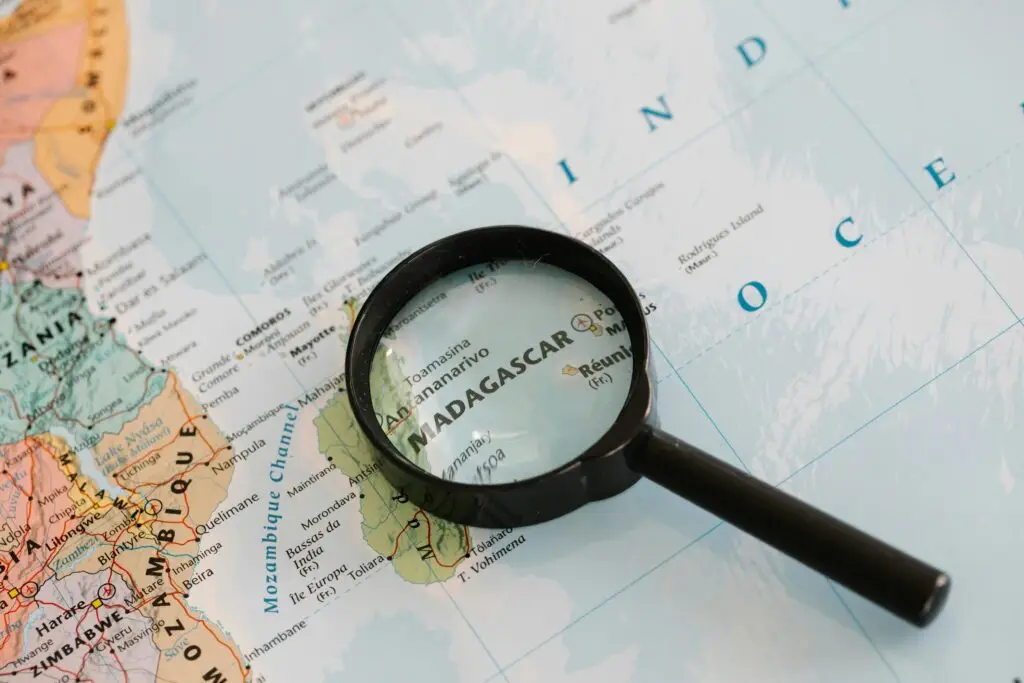
Madagascar is not just a destination—it is a revelation. Travellers come expecting beauty and leave having experienced something far deeper. This is a land where the ancient and modern coexist, where nature feels sacred, and where every region carries a distinct spirit. Walking through a rainforest at dawn, hearing the distant call of an indri, watching lemurs leap across branches, or seeing a chameleon shimmer with color—all feel like encounters with magic.
In villages, simple acts become meaningful: sharing a meal, listening to traditional music, learning local customs, or exchanging smiles with children who radiate joy. On the coast, the rhythm of the ocean calms the mind. In the spiny forest, the strangeness of evolution inspires wonder. In the highlands, the quiet hills and terraced fields bring a sense of grounding and connection.
Madagascar teaches travellers about resilience, diversity, beauty, heritage, and the fragility of ecosystems. It invites reflection, curiosity, and gratitude. It stays in the heart long after you leave—an emotional imprint shaped by nature, culture, and moments of breathtaking simplicity.
Related Amazing Bucketlist Articles
- 5 Once-in-a-Lifetime Floating Stays
- Hurawalhi Island Resort
- Top 10 Most Romantic Countries in the World for Couples