
Malawi Travel Guide
Malawi, often called “The Warm Heart of Africa,” is one of the continent’s most peaceful, welcoming, and naturally captivating destinations. Nestled between Zambia, Tanzania and Mozambique, the country may be small on the African map, but it holds vast emotional and visual landscapes. Its reputation comes not only from its breathtaking scenery—towering mountains, lush plateaus, fertile valleys, wildlife-filled reserves and glistening waters—but also from the kindness and openness of its people, whose smiles and hospitality shape every visitor’s experience.
The soul of Malawi is Lake Malawi, one of the world’s largest, deepest and clearest freshwater lakes. Its turquoise waters stretch across the entire eastern half of the country, fringed by sandy beaches, fishing villages, forested islands and rocky bays. Under its surface lives the planet’s greatest diversity of freshwater fish species, especially the vibrantly colored cichlids that make the lake a natural aquarium. Many travelers come to Malawi for this lake alone, and yet the country offers so much more: highland hiking, cultural experiences, wildlife safaris, scenic drives, historic towns, tea estates and heartfelt human connection.
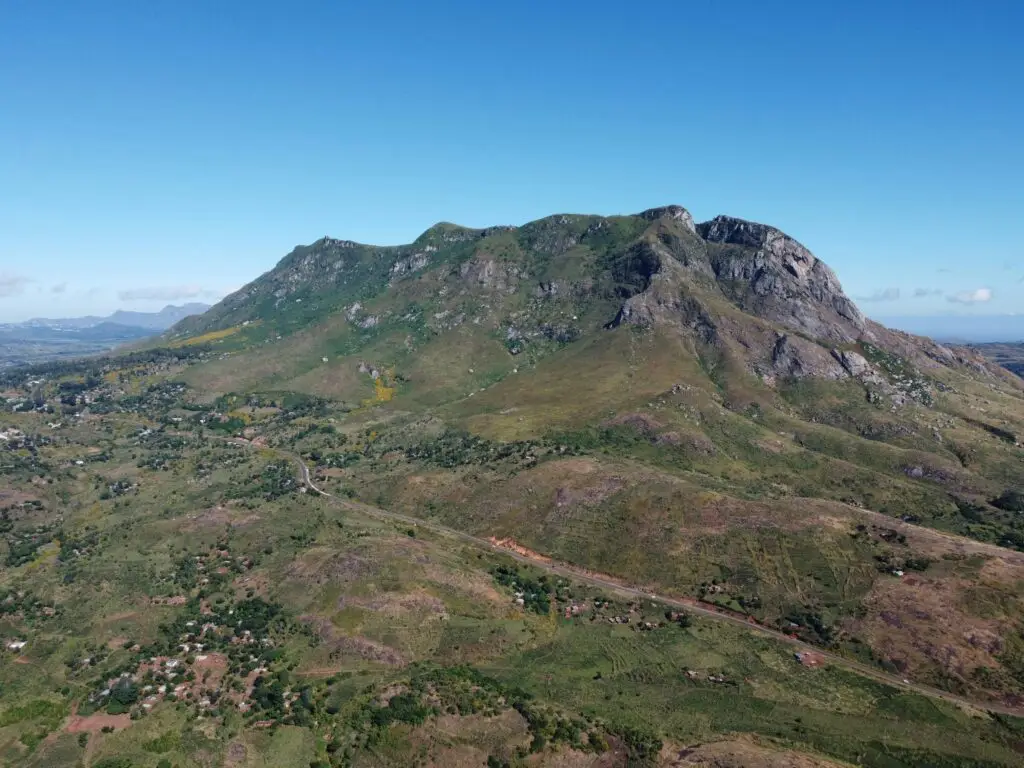
Malawi’s landscapes transition from the northern highlands, where rolling green hills and forests carpet the mountains, to the central plains dotted with villages and farmland, to the dramatic heights of Mount Mulanje and the Zomba Plateau in the south. Wildlife is returning thanks to some of Africa’s most successful conservation projects, transforming national parks like Liwonde and Majete into thriving havens for elephants, rhinos, lions and diverse birdlife.
Culturally, Malawi is home to groups such as the Chewa, Yao, Tumbuka, Lomwe, Sena and others, each with traditions, dances, ceremonies, masks and storytelling that enrich the national identity. Music is central to life in Malawi—whether drums echoing through villages or modern Afro-pop playing in minibuses traveling from town to town.
Malawi is a country of simplicity and beauty, of warmth and nature, of peace and cultural depth. It is a destination that welcomes every traveler with open arms, offering pure authenticity and experiences that stay in the heart long after the journey ends.
Lilongwe: A Green Capital of Markets, Villages and Modern Growth
Lilongwe, Malawi’s capital, is a city unlike many others in Africa. It is calm, green, spread out, and divided into two distinct sections—Old Town and Capital City—each with its own character. While Lilongwe is not flashy or chaotic, it offers a relaxing introduction to Malawian life, blending local markets, modern developments, government buildings and natural beauty.
Old Town
Old Town is the livelier half of the city. Streets buzz with minibuses, taxi drivers call out destinations, market vendors sell vegetables and crafts, and small restaurants serve local dishes like nsima, rice, beans and grilled chicken. The Old Town Market is a maze of stalls overflowing with produce, clothing, fish, spices, charcoal, household goods and traditional crafts. The atmosphere is energetic yet friendly, giving travelers a chance to immerse themselves in daily life.
Nearby, small guesthouses, cafes, banks and shops form a comfortable base for visitors. Walking through Old Town includes the scent of fried food, the sound of bargaining and the sight of bright chitenje fabrics swirling through the market streets.
Capital City
A few kilometers north lies Capital City, the political and administrative zone built in the 1970s. Wide avenues, landscaped gardens, embassies, ministries, modern buildings and commercial centers define this area. There are restaurants serving international cuisine, hotels, corporate offices and green spaces shaded by tall trees.
Nature in the City
Lilongwe is remarkably green. Trees grow along nearly every street, and the Lilongwe Nature Sanctuary, located in the middle of the city, offers hiking paths and wildlife viewing. Antelope, small mammals and birds roam through woodland and grassland. The sanctuary is also home to the Lilongwe Wildlife Centre, a rehabilitation hub for rescued animals.
City Atmosphere
Lilongwe is peaceful rather than dramatic. It reflects Malawi’s character—warm, relaxed, welcoming and filled with good-hearted people. Many travelers use Lilongwe as a gateway, staying briefly before heading to Lake Malawi, the central highlands or the southern parks.
Blantyre: Malawi’s Commercial Heart and Southern Influence
Blantyre, the country’s commercial capital, is one of Malawi’s oldest cities and sits among scenic hills in the southern region. It has a deeper historical foundation than Lilongwe and a busier, more urban energy. Blantyre grew from missionary settlements, colonial structures and trade routes connecting Malawi’s fertile lands to ports in Mozambique.
Historic Buildings
Blantyre’s architecture reflects its history. St. Michael and All Angels Church, built in the late 19th century by missionaries using handmade bricks, is one of the country’s most beautiful and important historical buildings. Its intricate design, crafted without written architectural plans, stands as a testament to local craftsmanship and determination.
Nearby, the Mandala House, the oldest European building in Malawi, originally served as a trading post. Today it hosts a cultural center, gallery, library and cafe surrounded by gardens.
Markets and Neighborhoods
Blantyre’s markets are lively, offering local produce, fish, crafts, fabrics and street food. The city’s streets blend old-world charm with modern traffic, shops and urban life. Neighborhoods like Limbe show strong influence from Indian, Muslim and multicultural communities whose shops, restaurants and markets shape the city’s rhythm.
Surrounding Nature
Just outside Blantyre, rolling hills stretch toward Mount Mulanje and the tea estates of Thyolo and the Shire Highlands. This makes the city a great base for exploring southern Malawi’s natural wonders.
Blantyre is both historic and dynamic—a place where commercial activity meets cultural depth.
Lake Malawi: The Shimmering Soul of the Nation
Lake Malawi is the defining feature of the country and one of Africa’s most spectacular natural wonders. Stretching more than 580 kilometers from north to south, it contains some of the clearest freshwater on Earth. Sunlight filters through the blue depths, revealing rocks, sand and the colorful cichlids that made the lake world-famous.
The lake’s beaches often resemble tropical oceans—golden sand, swaying palms, warm water, gentle waves and villages along the shore. Yet the atmosphere is uniquely Malawian. Fishermen paddle dugout canoes into the sunrise. Nets dry along the beach. Children run barefoot through the sand. Women carry water from the shore. The lake is life—cultural, economic and emotional.
Cape Maclear
Cape Maclear, located at the southern tip of the lake, is one of Malawi’s most popular destinations. Nestled between hills and the water, the village offers stunning scenery, relaxed beach life, vibrant sunsets and lush islands offshore. Activities include snorkeling, canoeing, hiking, sunset cruises and visiting the islands of Lake Malawi National Park, Africa’s first freshwater national park and a UNESCO World Heritage Site.
Likoma Island
Likoma Island feels like stepping into another world. Located deep within Mozambican waters but politically part of Malawi, the island is known for its peaceful beaches, traditional villages and the magnificent St. Peter’s Cathedral, one of the largest churches in Africa. Sandy paths connect communities, and fishermen bring in fresh catches each day.
Nkhata Bay
Nkhata Bay in the north is a backpacker-friendly town perched on rocky hills that drop dramatically into the lake. Its turquoise water, craft markets, boat rides, forest hikes and vibrant social scene make it a beloved spot for travelers seeking both beauty and community.
Salima and Senga Bay
Closer to Lilongwe, the beaches of Senga Bay offer easy access to warm water, golden sand and lake activities. Resorts, local lodges, fishermen and markets shape the shoreline.
The Lake Experience
Wherever you go along Lake Malawi, you feel a sense of peace and timelessness. It is a place to slow down, connect with nature and witness the gentle rhythm of Malawian life.
Mount Mulanje: A Granite Giant of Adventure
Mount Mulanje, often called “The Island in the Sky,” rises dramatically from the southern plains near the Mozambique border. Its sheer cliffs, sprawling plateaus and peaks create one of Africa’s greatest mountain landscapes. The highest summit, Sapitwa Peak, stands at 3,002 meters and is the tallest point in Malawi.
Landscape and Trails
Mulanje’s landscapes vary from thick forests and rocky slopes to grass plateaus and hidden waterfalls. Cedar forests—the famous Mulanje Cedar—once covered large areas of the mountain and still grow in protected pockets. Streams rush through valleys, and mist often wraps the peaks during morning hours.
Hiking Mulanje ranges from gentle day walks to multi-day treks connecting mountain huts known as “chisos.” Trails weave through ravines, across granite slabs and into high-altitude meadows.
Cultural and Natural Importance
The mountain is considered sacred by some communities, tied to myths and spiritual legends. Wildlife includes small mammals, birds, butterflies and endemic plant species.
Mulanje is the ultimate adventure destination in Malawi—wild, beautiful and filled with mystery.
Zomba Plateau: Misty Forests and Colonial Echoes
The Zomba Plateau rises above the old capital city of Zomba with dramatic cliffs, rolling forests, waterfalls and panoramic viewpoints. It was once the center of colonial administration, and its cool climate made it a retreat for British officers.
Landscape
The plateau features pine forests, indigenous woodland, streams, rivers, natural pools and scenic cliffs overlooking green plains. Peaks and viewpoints like Chingwe’s Hole and Queen’s View reveal sweeping vistas across southern Malawi.
The air is cool and fresh, often wrapped in mist that gives the plateau an enchanting, almost mystical atmosphere.
History
Zomba town still retains colonial buildings, tree-lined avenues and a charming old-world ambiance.
The plateau is a place for hiking, horseback riding, picnicking and relaxing in one of Malawi’s most tranquil environments.
Liwonde National Park: Wildlife Revival on the Shire River
Liwonde National Park is one of Malawi’s top wildlife destinations. Located along the Shire River, the park features palm savannas, woodlands, wetlands and riverbanks teeming with life.
River Safaris
Boating along the Shire River brings you close to elephants, hippos, crocodiles, waterbirds, antelope and riverine vegetation. The smooth water and glowing sunsets create unforgettable scenes.
Conservation Success
In the past decade, Liwonde has undergone one of Africa’s most successful wildlife restorations. Lions, cheetahs, rhinos and large herds of elephants have returned thanks to dedicated conservation work.
Landscape and Atmosphere
The mixture of waterways, forests and open plains creates a diverse and peaceful environment perfect for wildlife viewing.
Majete Wildlife Reserve: A Complete Big Five Destination
Majete, located in the Lower Shire Valley, was once depleted of wildlife but has become a conservation success story. It is now home to the Big Five—elephant, lion, leopard, buffalo and rhino—along with antelope, giraffes, zebras and abundant birdlife.
Landscape
The reserve features woodlands, hills, the Shire River and scenic valleys. It feels remote, wild and untouched.
Atmosphere
Majete is calm, scenic and rich in life—a testament to Malawi’s conservation renaissance.
Central Malawi: Villages, Farms and Cultural Heritage
The central region is the heart of Malawian rural life. Rolling hills, maize fields, villages, markets and traditional ceremonies shape the landscape.
Dedza and Mua Mission
Dedza is known for pottery workshops, highland scenery and cultural institutions. Mua Mission, home to the KuNgoni Centre, showcases centuries of Malawian art, masks, history and traditions.
Kasungu
Kasungu town and the surrounding region offer hills, tobacco farms, forests and access to Kasungu National Park.
Central Malawi is rich in tradition and community connection.
Northern Malawi: Highlands, Culture and Remote Beauty
Northern Malawi feels wilder and more dramatic than the central and southern regions. Mountains rise sharply, valleys stretch endlessly, and large plateaus dominate the horizon.
Nyika National Park
Nyika Plateau is unlike any other landscape in Africa. Rolling grasslands stretch across high-altitude hills, dotted with zebra, antelope, leopards, hyenas and hundreds of bird species. The air is crisp and cool, the skies vast and open.
Nyika feels more like East Africa or even Scotland—but with African wildlife.
Livingstonia
Livingstonia, perched high above Lake Malawi, offers breathtaking views and historical buildings from the Scottish missionary era. The journey up the escarpment passes waterfalls, forests and panoramic viewpoints.
Rumphi and the North Highlands
The northern region offers endless beauty—remote villages, fertile farming areas, mountain ranges and forested slopes where the pace of life is slow and connected to nature.
Culture and Traditions
Malawi’s cultural richness comes from diverse groups with strong identities.
Chewa
The Chewa are known for the Gule Wamkulu, a masked dance ceremony symbolizing ancestral spirits.
Yao
The Yao have deep Islamic traditions and are known for their artistry and storytelling.
Tumbuka
The Tumbuka are known for Vimbuza healing dances and rich oral history.
Music and Dance
Drumming, singing, traditional dances and modern Afro-pop shape Malawi’s musical landscape.
Cuisine
Malawian cuisine is simple, flavorful and centered on nsima (maize porridge). It is eaten with vegetables, fish, chicken, beans, pumpkin leaves and local sauces. Chambo fish from Lake Malawi is a beloved dish.
Markets offer fresh fruit, grilled corn, mandasi (doughnuts), sweet potatoes and seasonal produce.
Why Malawi Captivates Travelers
Malawi is not a country of extreme tourism or luxury—it is a country of heart, peace, nature and authenticity. Travelers return talking about:
the warmth of the people
the beauty of Lake Malawi
the mountains and plateaus
the wildlife revival
the gentle pace of life
Malawi is pure, sincere and deeply memorable.
 Related Articles
- Kakslauttanen Arctic Resort
- Top 10 Most Unique Places to Stay in Europe
- 10 Incredible Castles Around the World