
Mauritania Complete Travel Guide
Mauritania – Land of Desert, Wind, Silence, and Timeless Strength
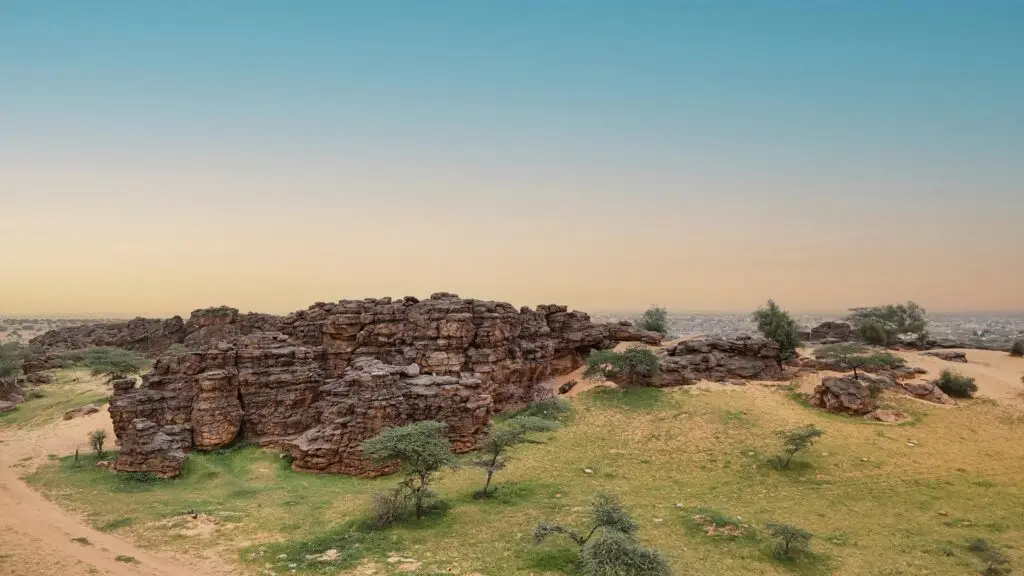
Mauritania is a land shaped by vastness—endless dunes rolling toward the horizon, ancient caravan routes cutting through barren plains, rocky plateaus rising from the desert floor, and oases shimmering beneath the sun like illusions made real. It is a country defined by space, silence, and the deep resilience of the people who call this land home. Here, the Sahara is not a backdrop—it is the heart of the nation. The sand, the wind, the shifting dunes, and the star-filled nights form the emotional and physical identity of Mauritania, a place where the landscape feels eternal and the human presence feels humble in comparison.
Travellers who journey into Mauritania quickly realize that beauty here is not loud or obvious. It is subtle, vast, and profound. It lies in the quiet moments—the morning light spreading across dunes, the soft colors of the sky reflecting off stone plateaus, the call to prayer echoing in desert towns, the scent of mint tea rising from a metal pot heated over glowing coals. It lies in the hospitality of the Mauritanian people, who maintain traditions rooted in nomadic life, honor, family unity, and respect for guests. It lies in the ancient cities of Chinguetti and Ouadane, where desert winds glide through centuries-old alleyways and manuscripts record knowledge from a time when Mauritania was a center of Islamic scholarship.
Mauritania is not a country of bustling cities or lush forests. It is a country of quiet greatness—a place where the earth seems sculpted by time, where history feels alive in every grain of sand, and where visitors encounter a sense of humility and awe that cannot be replicated anywhere else. To travel through Mauritania is to step into a world where nature dominates, where human life adapts gracefully, and where the desert reveals its truth to those patient enough to listen.
The Geography and Atmosphere of Mauritania – A Kingdom of Sand and Stone
Mauritania’s geography is overwhelmingly shaped by the Sahara, which covers more than two-thirds of the country. The desert appears in endless forms: towering dunes that glow orange at sunrise, flat gravel plains that stretch beyond sight, rocky massifs rising sharply from empty horizons, and ancient riverbeds long dried by time. These landscapes create an atmosphere of profound stillness. The silence is so deep that even a small gust of wind feels like a sound breaking through a sacred space. The colors of the desert change continuously—from pale gold to deep red, from soft beige to nearly white—depending on the light, season, and region.
In the north, the dunes become enormous, forming sculpted shapes that look like waves frozen in time. These dunes move slowly with the wind, shifting over months and years, creating landscapes that are never exactly the same twice. The desert is alive, breathing, and always changing. Travellers walking across soft sand feel the warmth beneath their feet and the breeze cooling their skin, experiencing a connection to nature that is both intimate and humbling.
To the east, rocky plateaus dominate the land. These are ancient geological formations—flat-topped mountains and broken stone cliffs that rise dramatically above the sands. The Adrar region, in particular, is known for its breathtaking combination of rock, sand, and oasis valleys. The contrast between harsh stone and soft palm groves creates a visual harmony that feels almost miraculous. Life here has survived for centuries due to underground water sources, creating fertile pockets of green surrounded by vast emptiness.
The coastal region along the Atlantic offers a different type of landscape—windswept beaches, dunes meeting the sea, and coastal wetlands where migratory birds gather. The Banc d’Arguin National Park, one of the most ecologically important areas in Africa, lies along this shoreline. Thousands of birds migrate here each year, and the Imraguen fishing communities preserve traditional techniques that reflect balance and respect for nature.
Mauritania’s geography is not just a physical environment. It is a spiritual one. The desert teaches patience, reflection, resilience, and humility. It slows time, clears the mind, and reveals emotions that often get lost in the noise of modern life. Travellers who embrace the silence find themselves deeply moved by the power and purity of the Sahara.
Nouakchott – The Capital Between Desert and Sea
Nouakchott, Mauritania’s capital, sits on the edge of the Sahara where dunes drift toward the Atlantic Ocean. It is a city shaped by migration, history, and the meeting of traditional and modern life. Nouakchott is not glamorous, crowded, or architecturally grand. Instead, it reflects the quiet adaptability of Mauritania itself. Streets are wide and sandy, buildings low and sun-worn, markets lively but not overwhelming, and the atmosphere distinctly calm compared to many African capitals.
Daily life in Nouakchott flows with a rhythm shaped by the desert environment. Fishermen return from the ocean in brightly painted pirogues, carrying their catch to the bustling fish market where seagulls circle overhead. Women in colorful melfas (traditional wraps) move through the markets with grace, selecting vegetables, spices, and fabrics. Tea shops fill with men drinking small glasses of strong, sweet mint tea—poured high to create foam, served in three rounds representing bitterness, strength, and sweetness. The call to prayer echoes across the city, blending with the hum of traffic and the sound of the sea.
The neighborhoods near the coast offer a glimpse into the soul of Nouakchott. Fishing communities line the beach, their boats pulled onto the sand, their nets drying in the sun. Children run along the shoreline, and vendors sell grilled fish fresh from the ocean. The light at sunset casts long golden shadows, giving the city an almost dreamlike warmth.
Nouakchott serves as a gateway to the desert regions of the interior, but it also stands as a cultural crossroads. Here, traditional nomadic heritage meets the modern world, creating a city that feels both rooted in history and connected to the future. The pace is slow, the people welcoming, and the environment shaped by the gentle balance between sand and sea.
Chinguetti – The Ancient City of Wind, Manuscripts, and Golden Silence
Chinguetti is one of the most extraordinary places in Mauritania—a city built from stone and sand, shaped by centuries of scholarship, trade, and devotion. Founded around the 13th century as a major caravan hub, Chinguetti became one of the great centers of Islamic learning, attracting scholars from across North Africa and the Middle East. For generations, travellers crossed the Sahara not only to trade goods but also to seek knowledge held in the libraries of Chinguetti.
Today, the city feels like a living monument to history. The narrow alleyways, houses built from reddish-brown stone, and ancient mosques blend seamlessly with the surrounding desert. Sand drifts between the buildings, slowly encroaching on the city as if trying to reclaim it. The sky is vast, the silence profound, and the wind carries the whispers of centuries past.
The famed libraries of Chinguetti house thousands of handwritten manuscripts—texts on astronomy, mathematics, philosophy, theology, medicine, and law. These books, some over 900 years old, are preserved by families who have safeguarded them across generations. Visiting these libraries is an emotional experience. The manuscripts are not hidden behind glass or preserved in modern facilities—they are living treasures kept in simple rooms, protected by devotion and tradition rather than technology.
The mosque of Chinguetti, with its square minaret and sand-colored walls, is one of the most iconic symbols of the Sahara. Its architecture reflects purity, simplicity, and harmony with its environment. Many consider it one of the oldest mosques in continuous use anywhere in the region.
Time in Chinguetti feels suspended. The desert surrounding the city is vast and silent, and nights reveal skies dense with stars. Travellers often describe Chinguetti as a place that changes them—where history, spirituality, silence, and nature converge into a profound emotional experience.
Ouadane – A Desert Fortress of Stone and Memory
Not far from Chinguetti lies Ouadane, another ancient city shaped by stone, sand, and centuries of caravan history. Perched on the side of a rocky hill, Ouadane is a labyrinth of crumbling houses, narrow passageways, and fortified walls that once protected traders traveling across the Sahara. The city was an important stop along the trans-Saharan trade routes, serving as a hub for gold, salt, dates, and manuscripts.
Today, Ouadane feels almost abandoned, but its ruins tell stories that remain alive in the silence of the desert. Walking through its empty streets is like stepping into the past—a place where the wind, stone, and memories form a living museum. The landscape surrounding Ouadane is breathtaking: black rock formations contrasting sharply with golden sand, and wide valleys that disappear into the horizon.
The town carries an emotional weight for visitors. The beauty here is stark, ancient, and haunting. The sense of time is overwhelming—centuries collapse into a feeling of eternal presence. The combination of ruined architecture, desert solitude, and historical significance makes Ouadane one of the most moving places in Mauritania.
The Adrar Region – Canyon Worlds, Plateaus, and Desert Oases
The Adrar region is one of Mauritania’s most spectacular landscapes—a world of cliffs, plateaus, canyons, dunes, and valleys that seem sculpted by both wind and time. The region is sprinkled with palm-filled oases, ancient rock paintings, traditional villages, and dramatic geological formations.
The desert here feels alive with color and texture. Reddish cliffs rise above sandy plains, palm groves shimmer with soft green leaves, and hidden springs bring cool water to communities that have survived for centuries in this harsh environment. These oasis towns are peaceful, shaded by date palms, and filled with mud-brick houses that blend harmoniously with the earth.
Travellers walking through the Adrar discover a sensory world shaped by desert winds, warm sunlight, and the scent of palm trees. Nights are cool and serene, with stars so bright they seem close enough to touch. The region reveals the deep connection between Mauritanians and their environment—a relationship built on respect, adaptation, and tradition.
The Banc d’Arguin Coast – Birds, Wind, and the Spirit of the Ocean
The Banc d’Arguin National Park is one of Africa’s most remarkable coastal environments—an enormous protected zone where ocean, desert, and sky meet in a landscape of extraordinary ecological significance. Shallow waters, islands, tidal flats, and dunes create habitats for millions of migratory birds that travel between Europe, Africa, and the Arctic. Flamingos stand elegantly in quiet lagoons, terns dive into the sea, and pelicans glide across the water with powerful wings.
The Imraguen people, who live along this coast, practice traditional fishing methods that have changed little over centuries. They use hand-woven nets and work closely with the tides, dolphins, and the natural rhythms of the sea. Their lifestyle is simple, sustainable, and deeply respectful of nature’s balance.
The atmosphere at Banc d’Arguin is peaceful, raw, and poetic. The silence of the desert merges with the sound of crashing waves, and the light shifts throughout the day in mesmerizing ways. Sunsets paint the sky in muted pinks and soft golds, while mornings bring crisp breezes and the calls of thousands of birds waking with the tide.
Nomadic Heritage, Camel Culture, and the Heart of Mauritanian Tradition
Mauritania’s cultural identity is rooted in its nomadic heritage. For centuries, families traveled across the desert with their camels, tents, and livestock, following seasonal routes in search of water and pasture. Although many Mauritanians now live in cities and villages, the values and traditions of nomadic life remain deeply ingrained.
Camels are central to this culture. They symbolize survival, wealth, independence, and dignity. They carry loads across long distances, provide milk, and serve as companions in the harshest environment on earth. Watching a caravan move across the desert evokes a sense of timelessness—a reminder that for millennia, people have mastered the art of living in harmony with the Sahara.
Nomadic society values hospitality, honor, poetry, music, and oral storytelling. Tea is an essential ritual, prepared slowly and shared ceremonially. Poets recite verses about love, tradition, and the beauty of the desert. Families gather around fires at night, listening to stories that connect the present to ancestors and history.
Travellers welcomed into nomadic tents often experience some of the warmest hospitality in the world. Guests are offered tea, food, and comfort without hesitation, even in places where resources are scarce. This generosity reflects a deep cultural belief: in the desert, survival depends on solidarity.
Cuisine and Daily Life – Tea, Dates, Rice, and the Rhythm of Community
Mauritanian cuisine blends Arab, Berber, West African, and nomadic influences. Meals are simple but flavorful, built around rice, couscous, goat, fish, vegetables, tea, and dates. Along the coast, fish is abundant and prepared in spicy stews or grilled over open fires. In the interior, rice dishes served with meat, onions, and herbs form the core of many family meals.
Tea is at the center of daily life. The traditional Mauritanian tea ceremony involves three servings, each symbolizing a stage of life: the first bitter, the second strong, the third sweet. Preparing the tea is slow and deliberate, a moment of connection and conversation. Families gather around teapots throughout the day, sharing thoughts, jokes, stories, and silence.
Daily life in Mauritania reflects a balance between tradition and adaptation. Women lead households, raise children, and preserve cultural values. Men often work as herders, traders, fishermen, or drivers across the desert. Children play freely in open spaces, running across sand dunes or gathering near wells where families fetch water. Life is simple, but it carries a profound sense of community and resilience.
Islam, Ancestry, and the Spiritual Identity of Mauritania
Islam plays a central role in Mauritanian culture, shaping values, traditions, and daily rhythms. Mosques stand at the heart of towns and villages. The call to prayer echoes across desert settlements five times a day, blending with the sound of wind and movement. Religion in Mauritania is peaceful, reflective, and intertwined with social life.
But spirituality here also includes deep respect for ancestors, elders, and history. Oral traditions preserve stories of tribes, families, scholars, and explorers. Wisdom is passed down through generations, and decisions are often guided by collective memory. The desert itself holds spiritual significance—it is a place of contemplation, purification, and closeness to the divine.
Visitors often feel the spiritual atmosphere immediately. The desert creates a sense of stillness that encourages reflection. The hospitality, generosity, and kindness of the people reflect moral values rooted in faith and tradition. Every interaction carries dignity and respect, giving travellers a sense of calm and belonging.
Climate, Seasons, and the Natural Rhythm of the Sahara
Mauritania’s climate is shaped by desert extremes. Days can be hot, especially in summer when temperatures rise dramatically. Nights are cool and refreshing, especially in winter when desert winds sweep across the dunes and stars shine with astonishing clarity.
Rain is rare and unpredictable. When it does fall, the desert transforms—plants bloom, valleys fill with life, and animals emerge in abundance. Oases become greener, palm trees more vibrant, and nomadic families rejoice as wells refill.
The changing seasons add emotional depth to the landscape. Summer brings intensity, winter brings peace, and the rare rainy months bring renewal. The sky plays a central role—its colors shifting from brilliant blue to golden dusk, from soft pastels to deep indigo nights lit with countless stars.
Nature’s rhythm shapes daily life, cultural traditions, and the emotional atmosphere of the country.
The Emotional Experience of Traveling Through Mauritania
Travelling through Mauritania is unlike traveling anywhere else. It is a journey of silence, reflection, and discovery. The desert slows the mind and opens the heart. The vastness creates humility. The hospitality creates warmth. The history inspires wonder.
Visitors speak of moments that stay with them:
Walking barefoot on cool desert sand under a sky filled with stars.
Hearing the wind whisper through canyons and dunes.
Sharing tea with a nomadic family in a tent made of woven goat hair.
Watching sunrise paint the sand in shades of pink and gold.
Standing in the ancient libraries of Chinguetti, holding centuries of human knowledge in their hands.
Feeling peace so profound it becomes indescribable.
Mauritania reveals beauty that is not loud, not flashy, not commercial—beauty that is pure, timeless, and spiritual. It is a country that invites travellers to look inward, to appreciate simplicity, to feel the vastness of the earth, and to connect with humanity in its most humble and generous form.
Mauritania is not just a place on the map. It is an experience of the soul. A land of quiet miracles. A kingdom of sand, history, and heart. A destination that lingers in memory long after the journey ends.
Related Amazing Bucketlist Articles
- 5 Once-in-a-Lifetime Floating Stays
- Hurawalhi Island Resort
- Top 10 Most Romantic Countries in the World for Couples