
Mozambique Complete Travel Guide
Mozambique – A Land of Ocean, Rhythm, Beauty, and Deep Humanity
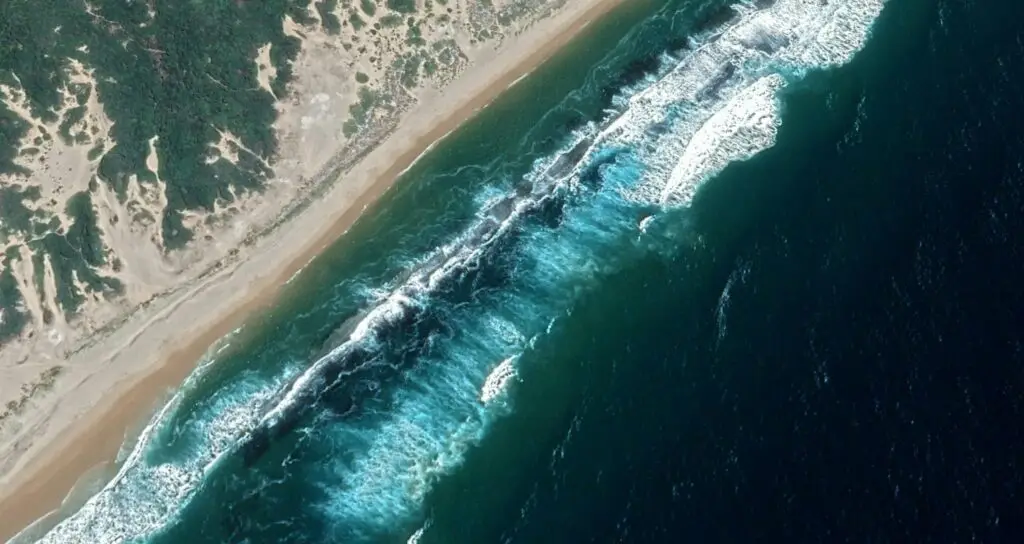
Mozambique is a country where the Indian Ocean shapes everything: the culture, the landscapes, the rhythm of daily life,is a country where the Indian Ocean shapes everything: the culture, the landscapes, the rhythm of daily life, and even the emotions that travellers experience. It is a land of white-sand beaches stretching endlessly along one of the longest coastlines in Africa, a coastline kissed by warm turquoise water, decorated by coral reefs, and alive with fishing boats whose bright sails glide gently across the horizon. Beyond the beaches lies a nation rich in music, history, wildlife, and culture. Mozambique’s identity is woven from centuries of African, Portuguese, Arab, and Indian influences—an intricate tapestry of languages, traditions, cuisine, and community life that feels both ancient and ever-evolving.
But what makes Mozambique unforgettable is not just its beauty. It is the people. They are warm, expressive, joyful, and resilient, carrying a spirit shaped by struggle, hope, and unity. Music fills the air in markets, villages, and cities. The sound of drums, marimba, and singing echoes during celebrations, forming the heartbeat of Mozambican life. Hospitality flows naturally, with smiles that feel genuine, conversations that open easily, and a sense of community that welcomes travellers into everyday life.
Mozambique is a land of contrasts. Its islands are pure paradise, its national parks wild and vast, its rivers wide and powerful, its cities bursting with history and color, and its rural landscapes filled with peaceful villages, farmland, and forests. The country has endured hardship—from colonial occupation to years of conflict—but it stands today as one of the most culturally rich and emotionally powerful nations in Africa. Travellers who come here do not only see beauty—they feel connection, authenticity, and a deeper understanding of the continent’s diversity.
Mozambique is not simply a destination. It is a feeling—an atmosphere carried by the sea breeze, expressed through dance and music, reflected in the calm of the islands and the strength of the people.
The Geography and Natural Atmosphere of Mozambique
Mozambique stretches more than 2,500 kilometers along the southeastern edge of Africa, bordered by the Indian Ocean on one side and rolling highlands, plateaus, and river valleys on the other. This long coastline defines the country’s character. Beaches transition from untouched stretches of soft white sand to dramatic dunes, mangrove forests, and palm-lined bays. The vibrant coral reefs offshore are among the most diverse in the world, hosting turtles, manta rays, whale sharks, dolphins, and thousands of fish species.
The interior landscapes form a world of their own. Northern Mozambique is rugged and wild, with granite mountains rising sharply from the earth and forests filled with waterfalls, hidden lakes, and wildlife. The Zambezi River flows across the center of the country, its vast waters carving fertile floodplains that sustain agriculture and communities. Central Mozambique contains wide savannas, river valleys, and forests that hold elephants, lions, antelope, and countless birds. The western border meets Zimbabwe’s Eastern Highlands and the southern edge of Lake Malawi, where the water glows with shades of green and blue.
Whether along the coast or in the interior, Mozambique’s nature has a way of slowing time. The light is soft, the skies wide, and the atmosphere infused with a quiet warmth. This is a country where nature is not separate from life—it is part of every routine, every tradition, every community, and every emotion.
Maputo – A Capital of Color, Music, Architecture, and Coastal Spirit
Maputo, the capital of Mozambique, is one of the most vibrant cities in southern Africa. It is a place where Afro-Latin culture thrives, where colonial-era architecture meets modern life, and where the city’s energy blends with the calm presence of the ocean. Palm trees line wide, sunlit avenues. Art deco buildings stand beside outdoor markets overflowing with crafts, spices, fruit, and fresh seafood. Music drifts from cafés, bars, and street corners, carried by marimba rhythms, jazz influences, and Afro-Portuguese melodies.
The city is full of personality. Vendors sell cashew nuts roasted on street corners, fishermen unload their morning catch at the harbor, and families gather along the waterfront to enjoy the sea breeze. The Municipal Market is a living portrait of daily life—colorful piles of vegetables, vibrant fabrics, baskets, pottery, and the sounds of conversation flowing with laughter and rhythm. Maputo feels social, expressive, and artistic. Its cultural energy reflects Mozambique’s long history of blending African and Portuguese identities into something uniquely its own.
The architecture of Maputo tells stories of the past: pastel-colored colonial homes with ornate balconies, grand buildings designed by Portuguese architects, and street art expressing modern Mozambican identity. The iron-framed Maputo Central Train Station, partly designed by Gustave Eiffel, stands as one of the most iconic buildings in the city. The wide boulevards, seaside promenades, and open-air cafés give the city a laid-back elegance that feels refreshing and genuine.
Yet for all its movement and color, Maputo retains a sense of calm. The ocean softens the heat, the rhythm of life is unhurried, and the people radiate friendliness. Maputo is not overwhelming like many capitals—it is warm, creative, and deeply human.
The Islands of Mozambique – Paradise Shaped by Water, Sand, and Tradition
Mozambique’s islands are among the most beautiful in the world. They carry an atmosphere of tranquility, purity, and natural wonder that feels almost spiritual. Each island has its own identity, shaped by coral reefs, white sandbars, turquoise lagoons, and the simple, peaceful lifestyle of fishing communities.
The Bazaruto Archipelago – Dunes, Reefs, and Dreamlike Water
The Bazaruto Archipelago is a vision of paradise. Its islands glow with soft white sand, rolling dunes, and water that shifts between translucent blue, emerald green, and rich turquoise. The reefs surrounding the islands are vibrant, alive with fish, rays, turtles, and corals in every shape and color. Dugongs—rare marine mammals similar to manatees—still glide through these waters, making Bazaruto one of the few places on Earth where they can still be seen.
The islands feel untouched. Villages lie quietly along the shore, fishermen sail traditional dhows across the water, and the dunes rise in soft curves that reflect the changing light of sunrise and sunset. Walking across Bazaruto at dawn feels like stepping into a dream—the air cool, the sand soft beneath your feet, and the ocean glowing with gentle pastel light.
Ilha de Moçambique – History, Culture, and Ocean Spirit
Further north lies Ilha de Moçambique (Island of Mozambique), a UNESCO World Heritage Site and one of the most culturally rich places in the country. The island carries centuries of history—African, Arab, Indian, and Portuguese influences blending into a timeless atmosphere. Stone Town, with its narrow alleys, carved doors, churches, mosques, forts, and pastel-colored houses, reflects the island’s role as a major Indian Ocean trading port.
Life here moves slowly. Children play along the shore, fishermen repair nets in the shade, and women in bright capulanas cook meals in courtyards surrounded by bougainvillea. The ocean is always present, its calm waters wrapping around the island like a protective embrace. Traditions, music, and spirituality remain strong, and the island radiates cultural warmth and beauty.
The Quirimbas Archipelago – Coral Islands at the Edge of the World
The Quirimbas Archipelago in the far north is a chain of remote islands where mangroves, lagoons, and coral reefs create one of the most pristine marine environments in the Indian Ocean. The islands are wild, peaceful, and deeply connected to local fishing cultures. Dhow boats glide between islands, passing over shallow turquoise water where coral gardens glow beneath the surface.
At night, the sky fills with stars so bright they reflect on the water like scattered diamonds. The Quirimbas remain largely untouched by tourism, giving travellers a sense of discovering a hidden world shaped only by the ocean, the tides, and the gentle rhythm of village life.
Wildlife and National Parks – Elephants, Birds, Savannas, and Restoration
Mozambique is home to diverse ecosystems—mangrove forests, savannas, wetlands, woodlands, mountain ranges, and rivers. Although wildlife suffered during past conflicts, the country has made remarkable progress in restoring its national parks. Today, Mozambique is emerging as one of Africa’s most inspiring conservation success stories.
Gorongosa National Park – Nature’s Great Rebirth
Gorongosa is one of the most extraordinary natural restoration projects in Africa. Once devastated by war, the park has come back to life through dedicated conservation efforts. Today, Gorongosa’s plains, forests, and wetlands are filled with wildlife: elephants roaming in herds, lions hunting on the savanna, antelope grazing in open fields, baboons moving through the trees, and hundreds of bird species filling the sky with color.
The landscape is breathtaking. Fields glow gold in the sunlight, mountains rise in the distance, and rivers wind peacefully through thick forests. Gorongosa is not just a national park—it is a symbol of hope, renewal, and the incredible resilience of nature.
Niassa Reserve – Wilderness Without End
Niassa Reserve in northern Mozambique is one of the largest protected areas in Africa. It is wild, untouched, and remote—a landscape of forests, granite mountains, river plains, and endless savanna. Elephants, lions, leopards, wild dogs, and buffalo roam freely through the reserve, and the sense of wilderness is profound. Niassa feels ancient, primal, and powerful, a reminder of Africa’s raw natural beauty.
Rural Life and Communities – Tradition, Joy, and Resilience
Mozambique’s rural communities are the heart of the country. Villages are built from mud brick, thatched grass, and timber, forming small clusters surrounded by farmland, coconut palms, and cashew trees. Life revolves around agriculture, fishing, family, and community cooperation.
Women play a central role in rural life—growing crops, preparing meals, caring for children, and preserving cultural traditions. Men work the land, fish, build homes, and participate in communal decisions. Children run freely through fields and sandy paths, playing games, singing songs, and helping with chores. Life is simple but full of warmth, unity, and resilience.
Evening brings a peaceful atmosphere. Families gather around fires, cooking cassava, rice, beans, and seafood. The air fills with the scent of wood smoke and the sound of crickets. Music and storytelling are cherished traditions, and villagers often sing or play drums beneath the stars.
Travellers welcomed into rural communities often describe it as the most meaningful part of their journey—an experience that reveals the sincerity, generosity, and humanity of the Mozambican people.
Culture, Music, Dance, and the Soul of Mozambique
Mozambique is one of the most musical countries in Africa. Music is woven into daily life, celebrations, ceremonies, and storytelling. The marimba, a wooden xylophone, creates warm, rhythmic melodies. Drums echo during dances, rituals, and festivals. Singing is common everywhere—from villages to markets, from schools to fishing boats.
Traditional dances express emotion, heritage, and identity. Movements are energetic and joyful, often performed in colorful clothing and accompanied by powerful drumming. Cultural expressions vary by region, reflecting the diversity of Mozambique’s ethnic groups, languages, and traditions.
Poetry, storytelling, and community gatherings play an important role in preserving culture. Elders pass down history, proverbs, and lessons to younger generations. Identity is collective, shaped by shared experiences, music, community, and connection to the land and sea.
Cuisine and the Flavors of Mozambique
Mozambican cuisine combines African, Portuguese, and Indian influences into dishes full of warmth, spice, and simplicity. Food is often cooked outdoors over open fires, filling the air with delicious aromas. Along the coast, seafood dominates—grilled prawns, octopus stews, calamari, crab curries, and fish marinated in garlic, lime, and chili. The famous piri-piri sauce adds heat and flavor, reflecting Portuguese influence.
Staples include rice, cassava, beans, maize, and leafy greens cooked slowly with coconut milk. Fresh fruit is abundant—mango, pineapple, coconut, papaya, banana, and cashew fruit. Meals are shared communally, reinforcing the strong sense of family and community that defines Mozambican life.
Religion, Spirituality, and Identity
Mozambique is religiously diverse, with Islam, Christianity, and traditional beliefs coexisting peacefully. Spirituality is expressed through rituals, ceremonies, music, and community gatherings. Many people maintain ancestral traditions involving respect for spirits, nature, and elders. The blending of beliefs reflects the country’s long history of cultural exchange and openness.
Faith is woven into daily life—churches and mosques stand peacefully in both cities and villages, prayer calls blend with birdsong, and ceremonies mark births, marriages, funerals, and community milestones.
Climate, Seasons, and the Rhythm of Nature
Mozambique’s tropical climate brings heat, humidity, monsoon rains, and long sunny seasons. The coastline experiences warm weather year-round, with ocean breezes cooling the air and creating perfect beach conditions. Rainy seasons bring thunderstorms that light up the sky, nourishing landscapes and feeding rivers. Dry seasons offer warm days, cool evenings, and turquoise seas perfect for swimming, diving, and sailing.
The natural rhythm of the seasons shapes fishing, farming, festivals, and community life. Whether during calm sunny days or dramatic tropical storms, Mozambique’s climate adds emotion and atmosphere to the landscape.
The Emotional Experience of Traveling Through Mozambique
Traveling through Mozambique is an emotional journey—one shaped by beauty, rhythm, warmth, and connection. Standing on a beach at sunset, watching fishermen sail home across glowing water, creates a sense of peace that stays with you. Walking through markets alive with music and color reveals the country’s vibrant spirit. Exploring islands where time seems to slow brings moments of deep reflection and wonder.
Meeting Mozambicans—smiling children, welcoming families, musicians playing at dusk—leaves travellers with memories that feel personal and profound. Nature inspires awe. Culture creates joy. Hospitality creates belonging. Mozambique touches the heart because it is genuine, open, warm, and deeply human.
This is a country where the ocean sings, where the land breathes, and where the people shine. Mozambique is not just a place—it is a feeling that lingers long after the journey ends.
Related Amazing Bucketlist Articles
- 5 Once-in-a-Lifetime Floating Stays
- Hurawalhi Island Resort
- Top 10 Most Romantic Countries in the World for Couples