Namibia Travel Guide
Namibia is one of the most visually striking and geographically diverse countries in the world — a land of vast silence, dramatic landscapes, ancient deserts, wildlife-filled savannas, rugged mountains, coastal dunes and endless horizons. Located in southwestern Africa, bordered by the Atlantic Ocean, Angola, Zambia, Botswana and South Africa, Namibia is a country defined by space. It is a place where nature feels larger than life, where the sky seems impossibly wide, and where the desert meets the sea in a collision of natural wonders found nowhere else on Earth.
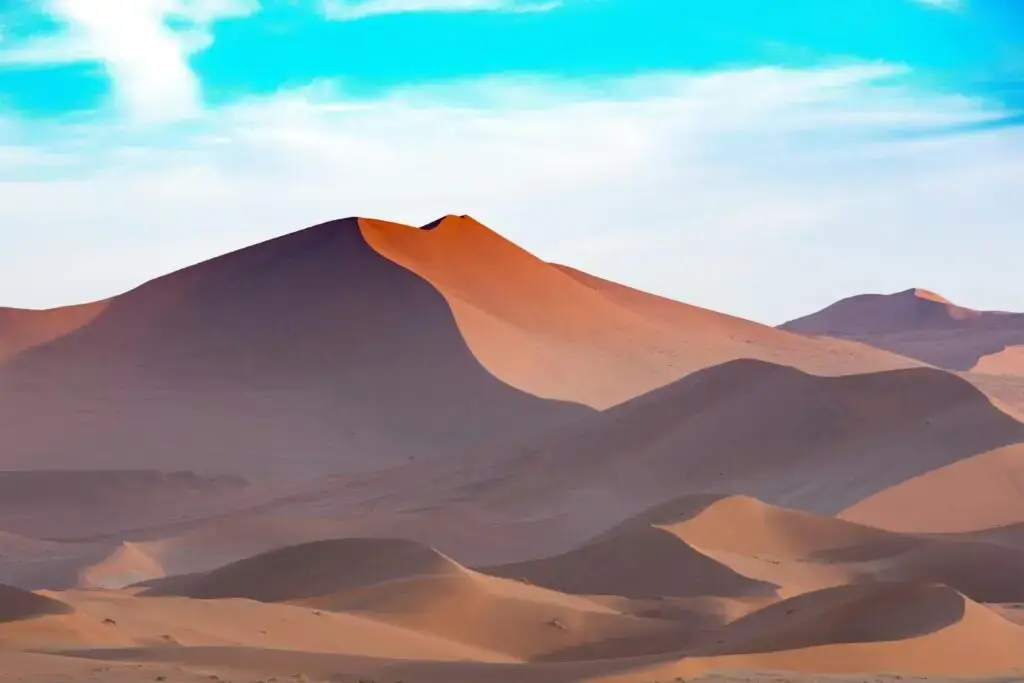
Namibia is famous for the Namib Desert, one of the oldest deserts in the world, home to towering sand dunes, fossilized trees and surreal salt pans. The iconic landscapes of Sossusvlei, with dunes that glow orange at sunrise, have become symbols of Africa’s raw beauty. Equally spectacular is Etosha National Park, where wildlife gathers around shimmering waterholes set in an immense white salt pan. The park is one of the best places on the continent to observe elephants, lions, giraffes, zebras, rhinos and countless birds in a dramatic open setting.
Along the coast, the Skeleton Coast offers shipwrecks, fog, rolling dunes, desert lions and colonies of Cape fur seals. Inland, the rugged mountains of Damaraland reveal prehistoric rock engravings, desert-adapted elephants, and geological formations shaped by time. In the far northeast, the rivers of the Zambezi Region bring lush greenery, hippos, crocodiles and a different rhythm of life.
Namibia’s culture is as rich as its landscapes. The Himba people, known for their red ochre body paint and intricate hairstyles, maintain traditional pastoral lifestyles. The Herero, San Bushmen, Damara, Kavango and Nama each contribute to the country’s linguistic, artistic and spiritual heritage. German colonial influence remains visible in architecture, food and language, especially in towns such as Swakopmund and Windhoek.
Namibia is a country for travelers who seek space, wilderness, wildlife and true adventure. It is a land of freedom, stillness and spectacular contrasts — a country where every day feels like a scene from a nature documentary.
Windhoek: A Gateway City in the Heart of the Country
Windhoek, Namibia’s capital, sits in a valley surrounded by hills and mountains. It is one of Africa’s cleanest, calmest and most organized capital cities, combining German colonial architecture, modern buildings, wide roads, green parks and lively districts. While not as dramatic as Namibia’s natural sites, Windhoek offers a gentle introduction to the country’s culture, food, history and lifestyle.
Historical and Cultural Landmarks
Windhoek’s most recognizable landmark is the Christuskirche, a German Lutheran church built in 1910. Its stone façade, stained-glass windows and pointed tower stand proudly at the city’s center. Nearby, Parliament Gardens offer a peaceful green space surrounded by palm trees and sculptures.
The Independence Memorial Museum tells the story of Namibia’s liberation struggle. Its modern glass structure stands next to the Alte Feste, a historic German fort that symbolizes colonial history. Together, these sites reflect Namibia’s journey from colonization to independence in 1990.
City Life
Windhoek has a relaxed but lively atmosphere. Cafes serve coffee and German-style pastries, while restaurants offer a mix of Namibian, African, European and international cuisine. Markets sell crafts, leather products, beads, clothing, carvings and jewelry reflecting the country’s cultural diversity.
Windhoek is also known for its craft breweries, lively nightlife, and friendly locals. Although many travelers only stay briefly, the city provides context and comfort before exploring Namibia’s wild landscapes.
Sossusvlei and the Namib Desert: A World of Sand, Silence and Light
The Namib Desert is one of the world’s oldest deserts, stretching along the Atlantic coast for more than 2,000 kilometers. Its most iconic area, Sossusvlei, is a masterpiece of nature — massive dunes rising hundreds of meters above a white clay basin, their shapes forever changing with the wind.
Dune 45 and Big Daddy
Dune 45, shaped like a perfect wave of sand, glows deep red and orange at sunrise. Climbing its ridge reveals endless dunes stretching toward the horizon. Big Daddy, one of the highest dunes in the world, towers above Deadvlei, a surreal white pan filled with the skeletal remains of ancient camelthorn trees. These trees, more than 900 years old, are preserved by the dry desert air and stand frozen in time beneath a blazing blue sky.
Deadvlei
Deadvlei might be one of the most visually iconic places on Earth. The cracked white clay pan contrasts with blackened trees, red dunes and cloudless skies. The silence here is profound—no wind, no animals, only stillness. Every photograph taken in Deadvlei feels like art.
Sesriem Canyon
Carved by the Tsauchab River, Sesriem Canyon offers shaded corridors, rock walls and the rare presence of water in an otherwise dry landscape. Walking through the canyon provides a refreshing contrast to the dunes’ vast openness.
The Namib at Sunset
As the sun sinks, the desert transforms into a landscape of long shadows, glowing ridges and shifting colors. The air cools, and the silence becomes poetic. The Namib Desert feels eternal, ancient and deeply humbling.
Swakopmund: Ocean Breeze Meets Desert Adventure
Where the desert meets the sea, Swakopmund appears like a European seaside town planted on African sand. Its German colonial buildings, pastel colors, palm-lined avenues and ocean fog create an atmosphere both surreal and charming.
Desert and Ocean Landscape
Swakopmund is surrounded by sand dunes on one side and the Atlantic Ocean on the other. Mornings often begin with cool fog drifting inland, created by the collision of desert heat and cold Benguela currents. The result is one of Namibia’s most unique climates.
Architecture and Culture
German influence is strong here. Buildings resemble Bavarian architecture, with timber frames, domed towers and pastel facades. Bakeries offer pretzels and cakes, while restaurants serve both European and Namibian dishes.
Activities and Exploration
Swakopmund is an adventure hub. Travelers explore the dunes by quad bike or 4×4, ride camels, sandboard down steep slopes, kayak with seals or take scenic flights over the Skeleton Coast. The town is also home to craft markets selling Namibian gems, leather products and wood carvings.
Swakopmund blends relaxation with adventure, culture with wilderness, making it one of Namibia’s most beloved destinations.
Walvis Bay: Flamingos, Dunes and Lagoon Life
Just south of Swakopmund lies Walvis Bay, a quiet town known for its beautiful lagoon filled with flamingos and pelicans. The lagoon’s shallow waters reflect soft colors at sunrise and sunset, making it one of the country’s most peaceful natural sites.
Birdlife
Thousands of flamingos gather here, feeding in the shallow waters with synchronized movement. Pelicans glide gracefully across the lagoon, while other coastal birds rest on sandbars.
Dune 7
One of the tallest dunes in the area, Dune 7 rises dramatically above the desert floor. Climbing it rewards travelers with sweeping views of the sand sea.
Desert Wildlife
The surrounding desert is home to oryx, geckos, chameleons, beetles, snakes and other animals adapted to survive in extreme conditions.
Walvis Bay is a perfect blend of desert beauty, maritime life and gentle atmosphere.
Skeleton Coast: Fog, Shipwrecks and Desert Lions
The Skeleton Coast is one of the most hauntingly beautiful and remote environments on Earth. Stretching along the northwestern coast, it is known for thick fog, cold ocean currents, scattered shipwrecks, rolling dunes and wildlife adapted to harsh conditions.
Shipwrecks
Throughout history, many ships ran aground on the Skeleton Coast due to strong winds, powerful waves and dense fog. Their rusted frames lie decaying in sand, symbolizing the coastline’s legendary danger.
Cape Cross Seal Reserve
Here, one of the largest Cape fur seal colonies in the world gathers on rocky shores. Tens of thousands of seals bark, swim, bask and interact in a lively display of coastal wildlife.
Desert Lions and Elephants
Northern sections of the Skeleton Coast are home to desert-adapted lions and elephants, remarkable animals that survive in a place with almost no water. These creatures symbolize nature’s resilience.
Endless Landscapes
The Skeleton Coast feels mysterious, powerful and otherworldly — a journey through sand, wind, waves and silence.
Damaraland: Ancient Art, Rock Formations and Desert Wildlife
Damaraland is a region of dramatic landscapes: red-rock mountains, deep valleys, dry riverbeds, boulder fields and open plains. It is one of Namibia’s most culturally and geologically rich areas.
Twyfelfontein Rock Engravings
Twyfelfontein is a UNESCO World Heritage Site featuring one of the largest concentrations of ancient rock art in Africa. Thousands of engravings depict animals, tracks, hunting scenes and spiritual symbols carved by San hunter-gatherers thousands of years ago.
Brandberg Mountain
Brandberg, Namibia’s highest mountain, houses the famous “White Lady” rock painting. The mountain’s granite cliffs glow pink at sunset, adding to the region’s beauty.
Desert Elephants
Damaraland is one of the few places where elephants have adapted to desert conditions. They migrate through dry riverbeds, finding water hidden deep beneath the ground.
Petrified Forest
Fossilized tree trunks, millions of years old, lie scattered across the landscape, preserved in stone.
Damaraland is remote, ancient, vast and mesmerizing.
Etosha National Park: Wildlife and Salt Pans
Etosha National Park is one of Africa’s greatest wildlife destinations. At its center lies the Etosha Pan, a massive salt flat that shimmers white under the sun. During the rainy season, the pan floods and attracts thousands of flamingos and birds. During the dry season, animals gather around waterholes, creating some of the best wildlife viewing opportunities in Africa.
Waterholes
Etosha is famous for its waterholes, where elephants, giraffes, zebras, lions, rhinos, wildebeests, antelopes and hyenas gather daily. Observing wildlife here feels cinematic.
Landscape
Open plains, thornbush savannas, mopane woodlands and shimmering pans provide diverse environments. The light is incredibly clear, making wildlife photography exceptional.
Nighttime
Some waterholes have nighttime viewing platforms, allowing visitors to see secretive animals — especially rhinos and leopards — under the stars.
Etosha is a place of life, movement and drama set against a vast, shimmering backdrop.
Zambezi Region (Caprivi Strip): Rivers, Wetlands and Lush Wilderness
In Namibia’s far northeast lies the Zambezi Region, a thin corridor of land bordering Angola, Zambia and Botswana. Unlike the rest of Namibia, this region is green, lush and river-fed.
Rivers
The Kwando, Zambezi and Chobe rivers create wetlands, floodplains and forests filled with wildlife. Hippos grunt in the water. Crocodiles sunbathe on the banks. Elephants migrate through the region.
Birdlife
Hundreds of bird species — kingfishers, storks, fish eagles, bee-eaters — thrive in the wetlands.
Cultural Diversity
Local communities speak diverse languages and practice varied traditions, making the region culturally rich.
The Zambezi Region provides a refreshing contrast to Namibia’s deserts and savannas.
The Himba, San and Other Cultural Groups
Namibia’s cultural diversity is extraordinary.
Himba
The Himba of the northwest live traditionally, covering their skin and hair with red ochre mixed with butterfat. Their villages, livestock practices, jewelry and hairstyles tell stories of identity, family and heritage.
San Bushmen
The San people are among the oldest cultures in Africa. Their click languages, tracking skills, dances and rock art form a deep connection to the land.
Herero
The Herero are known for their Victorian-inspired dresses and colorful headpieces symbolizing cattle horns.
Nama and Damara
These groups contribute music, dance, storytelling, crafts and spiritual traditions.
Namibia’s cultures enrich the landscape with meaning and emotion.
Cuisine
Namibian food blends African, German and South African influences. Meals include grilled meats, stews, potjies, maize porridge, breads and fresh fish along the coast. German pastries, sausages and cakes are common in cities.
Fresh game meats (such as kudu, oryx and springbok) are also part of traditional cuisine.
Why Namibia Captivates Travelers
Namibia is unforgettable because it is unlike anywhere else. It is a land of:
towering dunes
infinite horizons
salt pans
wildlife
mountains
canyons
shipwrecks
desert tribes
teal-blue lagoons
misty coastlines
peaceful silence
warm people
It is a place where the world feels both ancient and alive. Namibia touches the soul — through its beauty, its space, and its stillness.
 Related Articles
- Kakslauttanen Arctic Resort
- Top 10 Most Unique Places to Stay in Europe
- 10 Incredible Castles Around the World