
Nigeria Complete Travel Guide
Introduction to Nigeria – A Nation of Energy, Spirit, Diversity, and Endless Stories
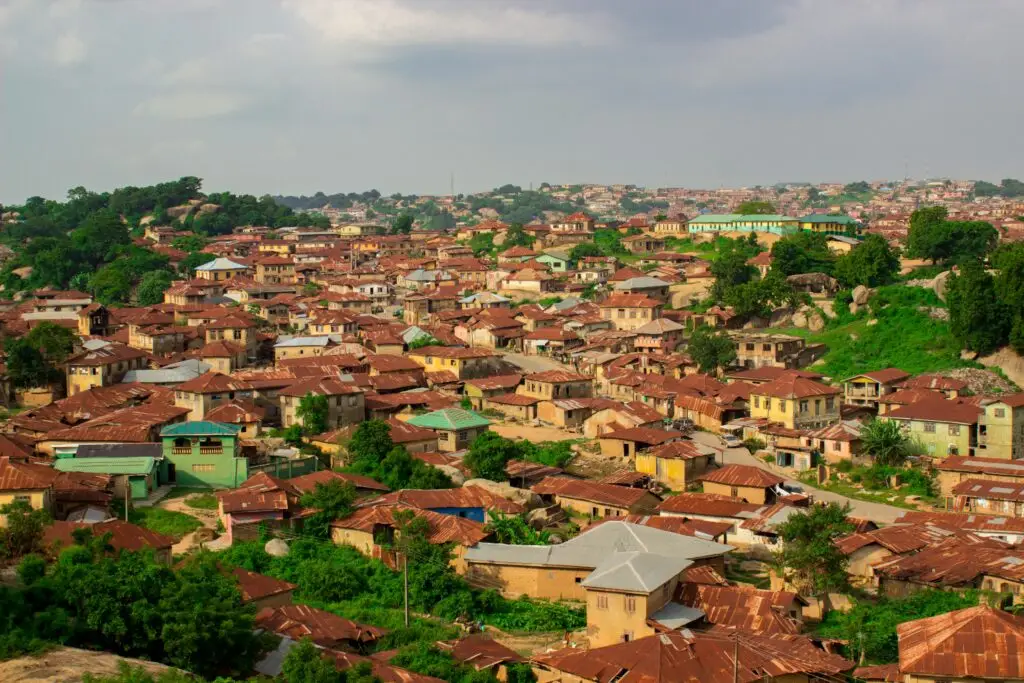
Nigeria Complete Travel Guide span from tropical coastlines to northern deserts, from sprawling megacities to calm rural villages, from ancient kingdoms to futuristic skylines, and from quiet palm-fringed beaches to roaring marketplaces filled with music and life. It is the beating heart of West Africa, a place where over 200 million people live with a level of creativity, passion, resilience, and cultural pride that is unmatched on the continent. Nigeria is not simply a country—it is a world of its own, a place where languages, traditions, histories, religions, landscapes, and personalities intertwine into a complex but beautiful mosaic.
Travelers who arrive in Nigeria often feel the nation’s energy instantly. It vibrates through the streets, echoes in the rhythm of Afrobeat drums, dances through the markets, flows through conversations with strangers, and shines in the brilliance of Nigerian art, fashion, literature, and storytelling. Everything feels alive here—every moment, every movement, every encounter. But behind that intensity is another Nigeria: quiet villages shaded by mango trees, ancient palaces preserved in red earth, peaceful mosques rising above desert towns, fishermen paddling canoes across calm waters at dawn, and families sitting together beneath the evening sky sharing food, stories, and laughter.
Nigeria’s power comes from its diversity. Over 250 ethnic groups form the cultural foundation of the nation: Yoruba, Igbo, Hausa, Fulani, Tiv, Kanuri, Edo, Ibibio, and many others. Each group carries its own identity, language, ceremonies, music, dress, and sense of belonging. Religion also plays a profound role, with Islam and Christianity flourishing alongside traditional spiritual practices that honor ancestors, nature, and heritage. This cultural variety is not always simple—it can be loud, complex, chaotic, and challenging—but it is also what makes Nigeria extraordinary. It is a nation full of contradictions that somehow form a whole: modern yet traditional, fast-paced yet slow in its rituals, spiritually grounded yet boldly innovative, rooted in history yet constantly reinventing itself.
Nigeria is not a place you observe from afar. It is a place you enter fully—with curiosity, openness, patience, and respect. And once inside, it rewards you with experiences and emotions that stay with you forever.
The Geography and Natural Atmosphere of Nigeria
Nigeria’s geography spans multiple ecological zones, each with its own atmosphere, identity, and emotional impact. The southern region is tropical, humid, and lush, dominated by rainforests, mangroves, swamps, and rivers that flow into the Gulf of Guinea. Palm trees sway above quiet beaches, fishing villages sit along estuaries, and the air often carries the scent of saltwater, woodsmoke, and fruit. Inland, the forests grow dense and alive with wildlife, waterfalls, and thick canopies that filter sunlight in delicate golden beams.
The central region transforms into a mix of savanna, plateaus, and hills. Here, the climate is cooler and drier, the land stretching into open plains dotted with rock formations and ancient geological marvels. Rivers carve through the landscape, forming gorges, valleys, and fertile farmland worked by communities whose traditions remain deeply tied to the land.
The north is shaped by the Sahel and Sahara influences—endless horizons, dry winds, desert towns, and landscapes where sand, stone, and sky blend together. Agriculture follows the rhythm of the short rainy season, while centuries-old trade routes still influence village life. Mosques rise above ancient streets, markets are filled with spices, textiles, and leather goods, and the culture carries echoes of the great empires that once ruled the region.
Nigeria’s natural diversity is a reflection of its cultural diversity—vast, layered, and powerful.
Lagos – A Megacity of Movement, Creativity, Rhythm, and Endless Dreams
Lagos is not just a city—it is an experience, a world, a storm of energy and ambition. With over twenty million residents, it is one of the fastest-growing and most influential cities in Africa. Lagos has a pulse, a rhythm, a force that cannot be described—it must be felt. Cars, motorcycles, buses, and people flood the streets, markets buzz with life, music pours from open bars and passing taxis, and the ocean breeze sweeps across seaside districts like Victoria Island and Lekki.
Yet Lagos is far more than chaos. It is the cultural engine of modern Africa—a center for music, Nollywood film, fashion, art, food, nightlife, and innovation. Nigerian Afrobeat, Afropop, and Afrofusion artists—now global superstars—rose from these neighborhoods, shaping world music with rhythms born in clubs, studios, and open-air concerts across the city.
Every part of Lagos has its personality. Victoria Island is polished and modern, with cafés, galleries, and high-rise towers. Lekki blends luxury with local life, its beaches lined with palm trees and resorts. Ikoyi carries elegance and quiet wealth. Surulere keeps the heart of old Lagos alive, vibrant and creative. Yaba is a tech hub buzzing with students, coders, and entrepreneurs. And the markets—Balogun, Oshodi, Makoko—pulse with the raw soul of the city.
But Lagos also has quiet moments: fishermen paddling at dawn, waves breaking softly on Tarkwa Bay, artists sketching by the water, and families gathering to share roasted corn or suya (spiced grilled meat) as the sun sets across the Atlantic. Lagos overwhelms, inspires, challenges, excites, and transforms. It is Nigeria in concentrated form.
Abuja – The Calm, Clean, Modern Heart of the Nation
If Lagos is fire, Abuja is air. Clean, planned, spacious, and balanced, Abuja offers a sense of calm that contrasts strongly with the intensity of Lagos. Built as a capital to unify the nation, Abuja sits in the center of Nigeria, surrounded by hills, plateaus, and huge granite rock formations like Zuma Rock, which towers above the landscape like a silent guardian.
The city’s architecture is modern and symbolic—broad avenues, government buildings, embassies, mosques, churches, and residential areas designed with space and symmetry. The National Mosque and National Christian Centre stand as powerful symbols of coexistence. Parks offer greenery and peace, while markets reveal everyday life filled with color and warmth.
Abuja’s calmness doesn’t make it dull. It is home to diplomats, artists, entrepreneurs, and families from every Nigerian region, making it a place where cultures blend naturally. Conversations flow easily, neighborhoods feel safe and welcoming, and the city remains grounded in a peaceful, steady rhythm.
Northern Nigeria – Ancient Cities, Desert Traditions, and Sahelian Spirit
Northern Nigeria feels like a different world—spiritual, historical, traditional, and shaped by centuries of desert culture. The cities here tell stories of great empires, scholars, warriors, traders, and ancient architectural masterpieces built from clay and earth.
Kano is one of the oldest continually inhabited cities in Africa. Its old city walls, bustling markets, dye pits, traditional palaces, and centuries-old mosques form a living museum of Hausa culture. The air is filled with the scent of spices, leather, hot sun, and desert wind.
Katsina, Sokoto, Zaria, and Maiduguri each carry their own historical weight—centers of Islamic learning, craft traditions, and royal heritage. Palaces carved from earth stand in harmony with mosques built in Sudanese-Sahelian style. Markets overflow with textiles dyed in indigo, intricately embroidered clothing, leatherwork, metal crafts, and traditional pottery.
The north’s link to the Sahara is visible everywhere. Camels still travel through desert paths. Salt traders carry on centuries-old routes. Villages built from clay sit beneath wide skies and warm winds. Dates, grains, nuts, and traditional dishes reflect the climate and culture. Nights in the desert are filled with stars and silence so deep it feels sacred.
The Middle Belt – Hills, Rivers, Rock Formations, and Cultural Harmony
Nigeria’s central region is a land of striking natural beauty—rolling hills, waterfalls, cool weather, and rock formations that rise dramatically from the plains. Communities here are among the most culturally diverse in the country, with dozens of ethnic groups living side by side in a landscape that feels calm, green, and welcoming.
Jos Plateau, with its cool climate and fertile hills, is famous for its serene atmosphere. Granite boulders and strange rock formations create a landscape that looks sculpted by ancient forces. Farmlands blanket the hillsides in patchwork colors, while forests and rivers flow gently through valleys.
Benue, Kogi, Taraba, and Nasarawa are rich in rivers, agriculture, and cultural festivals that preserve thousands of years of tradition. The Benue River acts as a lifeline, feeding villages and farmland along its banks. The Mambilla Plateau in Taraba rises to cool heights covered in mist and greenery—an elevated paradise of cattle ranches, waterfalls, and calm, peaceful communities.
Eastern Nigeria – Culture, Enterprise, Forests, and Spiritual Strength
Eastern Nigeria is the homeland of the Igbo people—famous for their entrepreneurial spirit, academic excellence, artistic traditions, and strong sense of identity. The region is green, humid, and shaped by rivers, forests, farmland, and vibrant cities like Enugu, Owerri, and Aba.
Enugu, known as the “Coal City,” is calm, leafy, and beautifully set among rolling hills. Owerri is known for nightlife, hospitality, and expressive culture. Aba is a powerhouse of creativity and commerce, where homemade fashion, mechanical innovation, and locally built machinery show the ingenuity of the people.
Traditional Igbo culture remains deeply influential—ceremonies honoring ancestors, masquerade dances filled with symbolism, and festivals that celebrate harvest, identity, and continuity. Markets are lively and social, filled with art, clothing, crafts, and delicious food such as yam, plantain, soups, vegetables, and fish dishes seasoned with ancestral techniques.
The atmosphere in Eastern Nigeria is warm and expressive, with a deep sense of pride and community.
Niger Delta – Mangroves, Rivers, Islands, and the Spirit of the Sea
The Niger Delta is a world of its own—a maze of creeks, islands, mangrove forests, floating villages, and water routes that form one of the most environmentally rich regions in Africa. Life here revolves entirely around the water. Canoes glide along quiet channels where palm trees, reeds, and thick vegetation reflect in the still surface.
Communities build homes on stilts, cast nets from narrow boats, gather seafood, prepare meals over wood fires, and navigate waterways with a deep understanding of tides and currents. The air is thick with the scent of salt, smoke, and wet earth. Children paddle canoes effortlessly, while adults fish at dawn and dusk.
The culture here blends ancient traditions with modern influences, shaped by both the generosity and challenges of the region. Despite adversity, the Niger Delta remains one of the most emotionally captivating parts of Nigeria—lush, alive, mysterious, and deeply connected to nature.
Southern Nigeria – Forests, Palm Groves, and Coastal Culture
Southern Nigeria blends forest landscapes, calm villages, historic towns, and seaside communities shaped by centuries of trade and cultural exchange. Edo State, home of the historic Benin Kingdom, carries immense heritage—bronze sculptures, royal rituals, artistic traditions, and architecture that reflect a powerful empire known across the world.
Rivers, swamps, and farmlands stretch across the south. Villages glow with red earth and green vegetation. Families gather beneath mango trees, harvest cassava, fish in slow-moving rivers, and participate in festivals honoring ancestors, kings, and harvest cycles.
The air feels warm and humid, carrying the scent of palm oil, spices, and wood smoke. Evenings in the south are magical—fireflies glowing above streams, crickets singing in the grass, and villagers gathering to share food, music, and stories.
Wildlife, Forests, and National Parks
Nigeria’s wildlife is more diverse than many people realize. Its ecosystems include rainforests filled with monkeys, birds, butterflies, reptiles, and rare species such as forest elephants and pangolins. National parks and reserves provide refuge for animals threatened by habitat loss, including:
Rainforest primates leaping through the canopy,
Birds with brilliant plumage filling the air with song,
Savanna wildlife roaming through grasslands,
Marine life thriving in coastal waters and mangroves.
Yankari National Park is the nation’s most famous reserve, known for elephants, hot springs, baboons, antelope, and rugged savanna landscapes. Cross River National Park protects some of the world’s most biodiverse rainforests, home to chimpanzees, gorillas, and rare species found nowhere else.
Nature in Nigeria is subtle yet emotionally powerful—filled with birdsong, rustling leaves, river sounds, and the warm glow of sunlight filtering through ancient trees.
Cuisine – Flavor, Spice, Heat, and Communal Joy
Nigerian cuisine is bold, flavorful, spicy, and deeply communal. Meals bring families together, and food reflects cultural identity. Jollof rice glows with tomato, pepper, and spice. Suya sizzles on open grills with groundnut seasoning. Soups made with vegetables, fish, meat, pepper, and spices form the heart of many meals—egusi, ogbono, nsala, ewedu, vegetable soup, okra, and pepper soup.
Plantains fry to golden sweetness. Yam is pounded into smooth, stretchy fufu. Rice, beans, coconut, cassava, and leafy greens appear in countless dishes. Along the coast, seafood—fish, shrimp, crab, and lobster—graces the table, infused with heat and herbs.
Food in Nigeria carries emotion—warmth, togetherness, and a deep sense of home.
Music, Dance, Art, Literature, and Nigerian Soul
Nigeria is one of the cultural giants of the world. Its music—Afrobeat, Afropop, Fuji, Highlife, Hip-hop, Gospel—dominates African airwaves and global charts. Its dance forms are expressive, energetic, and rooted in tradition. Its artists create sculptures, paintings, textiles, and performances that reflect identity and emotion. Its literature, from Chinua Achebe to Chimamanda Ngozi Adichie, reveals stories that resonate globally.
Creativity is part of daily life. Children drum rhythms on plastic buckets. Choirs rehearse beneath mango trees. Fashion designers reimagine traditional fabrics with modern style. Painters, poets, singers, and dancers fill Nigeria with color, sound, movement, and beauty.
Religion, Spirituality, and the Power of Community
Nigeria is one of the most religious countries in the world, where faith shapes identity, morality, tradition, and community life. Churches and mosques thrive across the nation, their services filled with song, prayer, energy, and devotion. Traditional beliefs honoring ancestors, spirits, and nature remain influential, bringing depth and symbolism to ceremonies and cultural practices.
Religion brings people together. It provides hope, healing, strength, and unity.
Climate, Seasons, and Atmosphere
Nigeria’s climate varies from tropical humidity in the south to dry desert conditions in the north. Rainy seasons bring dramatic thunderstorms, lush greenery, and fertile farmland. Dry seasons bring warm days, cool nights, dusty winds, and the soft golden light that defines many Nigerian landscapes. The weather shapes festivals, agriculture, fishing, and daily routines.
Even during hot months, mornings and evenings feel pleasant—filled with birdsong, ocean breezes, and the smell of cooking fires.
The Emotional Experience of Traveling Through Nigeria
Traveling through Nigeria is an emotional, sensory, transformative journey. It is feeling the power of Lagos, the calm of Abuja, the depth of Kano, the beauty of Enugu, the peace of the villages, the rhythm of the markets, the generosity of the people, and the spirit of a nation that never stops moving.
It is tasting spicy dishes shared with strangers who become friends.
It is dancing to drums beneath the stars.
It is walking through forests alive with ancient mysteries.
It is hearing prayers echo across sunrise-lit towns.
It is feeling joy, intensity, warmth, and humanity everywhere you go.
Nigeria stays with travellers long after they leave. It inspires, challenges, teaches, and transforms. It is a land of immense spirit—a nation whose story continues to unfold with power, pride, and resilience.
Nigeria is not just a destination.
It is an experience of the heart.
A world that feels alive.
A memory that lasts forever.
Related Amazing Bucketlist Articles
- 5 Once-in-a-Lifetime Floating Stays
- Hurawalhi Island Resort
- Top 10 Most Romantic Countries in the World for Couples