
Senegal Complete Travel Guide
Senegal – A Land of Teranga, Rhythm, Ocean Wind, and Deep Cultural Soul
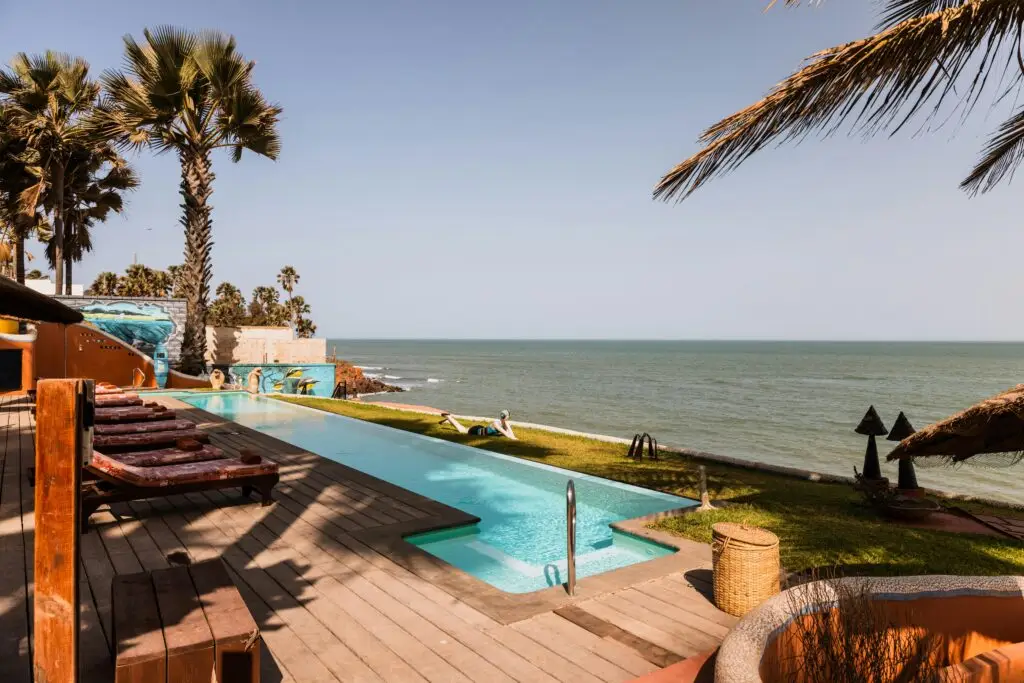
Senegal is a country that immediately feels alive—not in a chaotic way, but in a warm, welcoming, deeply human way that envelops travellers from the moment they arrive. Known across West Africa and the world for its legendary spirit of teranga—a cultural code of hospitality, generosity, and kindness—Senegal is a country where strangers become friends quickly, where conversations open easily, and where communities remain tightly woven through respect, tradition, and pride. Senegal’s identity is shaped by a remarkable blend of history, language, music, dance, religion, cuisine, and landscapes that stretch from golden Sahel plains to lush mangroves, from bustling cities to quiet desert dunes, and from peaceful islands to vibrant fishing villages along the Atlantic.
This is a land of rhythm. Drums echo in villages, markets sway with sound and color, and the rich musical heritage of the country—led by genres like mbalax, Afro-pop, traditional Sufi chants, and modern hip-hop—creates a continuous soundtrack to daily life. You hear Senegal before you fully understand it, through music that expresses joy, resilience, nostalgia, and ancestral memory. You are welcomed with open arms through its culture of teranga, which is not a slogan but a way of life—an instinctive kindness that reveals the country’s soul.
Senegal is both ancient and modern. Its historic kingdoms shaped regional politics for centuries. Its colonial heritage left cities like Dakar and Saint-Louis with a unique blend of French and African character. Its contemporary influence is seen across Africa in fashion, art, sport, and music. Yet, behind the modern world lies a deeper Senegal: a Senegal of griots who preserve history through song; of fishermen who read the ocean like a living text; of Sufi brotherhoods who guide daily life; of desert settlements shaped by sand and wind; and of islands where nature, religion, and tradition meet.
Travelers come to Senegal for many reasons—its beaches, its wildlife, its culture, its history. But they leave with something more powerful: a feeling of connection, warmth, and emotional resonance that defines Senegal’s spirit.
The Geography and Natural Atmosphere of Senegal
Senegal sits at the westernmost edge of Africa, where the Atlantic Ocean shapes the coastline with crashing waves, soft breezes, and sunsets that glow with deep oranges and golds. Inland, the landscape gradually transitions into the Sahel—a semi-arid region of grasslands, baobab trees, and acacia forests that reflect centuries of adaptation to both rain and drought. Rivers form lifelines through the country, from the Casamance River in the south, to the Senegal River in the north, to the inland wetlands that host birds, cattle, and traditional communities.
The northern region contains dunes, deserts, and vast open plains where livestock graze under endless sky. The heat is dry, the wind carries the scent of sand, and the atmosphere feels ancient, quiet, and grounded. Toward the south, the land becomes more humid and green, filled with rice paddies, palm groves, forests, and rich vegetation sustained by seasonal rains. These two climatic extremes—the dry north and the lush south—shape culture, agriculture, architecture, and even social traditions.
Senegal’s coastal landscapes are among its most breathtaking. Miles of beaches, mangroves, lagoons, and estuaries define daily life for fishing communities. The waves of the Atlantic create a constant rhythm, a heartbeat that echoes through coastal towns. In the Petite Côte, warm water and soft sand create an atmosphere of calm and beauty. In the Grande Côte, powerful waves and wide beaches produce dramatic, cinematic scenery.
The Casamance region, located in the southern part of the country, feels like another world altogether—green, tropical, fertile, and alive with forests, fruit trees, rivers, and mangroves. It is one of the most beautiful regions in West Africa, deeply rooted in tradition and cultural expression. Everywhere you go in Senegal, nature tells stories in different languages—sand, sea, wind, forest, river—and each holds its own emotional atmosphere.
Dakar – A City of Culture, Art, Music, Motion, and Ocean Energy
Dakar is one of the most dynamic cities in Africa—a place alive with movement, creativity, color, and sound. Built on the Cape Verde Peninsula, Dakar is surrounded on three sides by the Atlantic Ocean, giving the city a sense of openness and constant motion. Waves crash against volcanic cliffs, fishermen sail colorful pirogues from beach to beach, markets buzz with activity, and the streets fill with taxis, music, and fashion that reflect the country’s vibrant identity.
Dakar is more than a capital; it is the cultural heartbeat of West Africa. Musicians rehearse in small studios hidden in narrow alleys. Painters display brilliant works in local galleries. Designers create fashion that blends tradition with modern flair. Film festivals, dance performances, and art exhibitions take place throughout the year. Even everyday street life feels expressive—people wear bright fabrics, speak multiple languages, and greet one another with warmth and familiarity.
The city’s neighborhoods each have their personality. The Plateau district contains colonial-era buildings, government offices, and elegant European-style avenues. Medina is one of Dakar’s cultural centers—lively, expressive, authentic, and filled with markets, shops, murals, and street food vendors. Ouakam and Mamelles blend artistic communities with beautiful coastal views, while Ngor offers beaches, nightlife, restaurants, and access to Ngor Island. Yoff, with its spiritual heritage, is home to the Layene Sufi brotherhood and carries a deep sense of peace despite the urban setting.
The African Renaissance Monument stands atop a hill overlooking the city—a towering figure symbolizing African identity, pride, and progress. Meanwhile, the island of Gorée lies just offshore, reminding visitors of a darker history. Dakar’s ability to carry both joy and memory, both modernity and tradition, defines its emotional depth.
Gorée Island – Memory, History, Pain, and the Power of Remembrance
Gorée Island is one of the most emotionally powerful places in Senegal and perhaps in all of Africa. Just offshore from Dakar, it is a small island filled with pastel-colored colonial houses, narrow cobblestone streets, bougainvillea climbing over walls, and the sound of waves gently brushing against the harbor. Its beauty creates a striking contrast with its history.
Gorée was one of the major slave trading posts on the West African coast, and the House of Slaves stands as a painful symbol of the trans-Atlantic slave trade. The “Door of No Return,” an opening that faces the ocean, marks the place where enslaved Africans were forced onto ships bound for the Americas. Standing in that doorway, feeling the breeze from the ocean and imagining the millions of lives forever altered, is an experience that stays with visitors long after they leave.
Despite its tragic legacy, Gorée today is a place of peace, reflection, and resilience. Artists fill the streets with crafts and paintings. Children play soccer in open squares. History guides speak with emotion and dignity. The island’s atmosphere is both soft and profound—a reminder of humanity’s darkest past and its enduring capacity to learn, heal, and honor memory.
Saint-Louis – A Colonial Gem of Music, Bridges, and Gentle Elegance
Saint-Louis, in northern Senegal, is a UNESCO World Heritage city that carries the charm of its French colonial past mixed with the rhythm of Senegalese life. Built on an island in the Senegal River, it feels frozen in time—in a beautiful, poetic way. Colorful colonial houses with wrought-iron balconies line quiet streets where horse-drawn carriages pass slowly. The iconic Faidherbe Bridge connects the island to the mainland, its metal arches gleaming in the sunlight.
Saint-Louis is filled with art, music, and culture. Jazz has a long tradition here, and the city’s annual jazz festival draws musicians from around the world. The atmosphere is gentle and nostalgic—soft breezes flow from the river, fishermen return with boats filled with fresh catch, and residents walk along shaded streets carrying baskets of fruit or fabric dyed in deep, warm colors.
The city’s architecture reveals its layered history, from elegant French buildings to traditional Senegalese homes. Palm trees sway in courtyards, and the afternoon sun casts golden light on buildings faded by time. Saint-Louis is more than a beautiful town—it’s a cultural sanctuary that feels both historic and emotionally serene.
The Sine-Saloum Delta – Mangroves, Birds, Villages, and the Peace of the Water
The Sine-Saloum Delta is one of the most magical regions in Senegal—a network of mangrove forests, saltwater channels, islands, sandbanks, fishing villages, and wetlands that create an atmosphere of deep tranquility. Life here moves at the rhythm of the water. Fishermen guide pirogues through winding channels covered by mangrove roots that rise like living sculptures. Birds take flight in enormous flocks, filling the sky with movement. Dolphins sometimes glide through the calm surface.
The Serer people, one of Senegal’s most culturally rich ethnic groups, call much of this area home. Their traditions, rituals, and spirituality remain deeply connected to the land, the ancestors, and the environment. Tombs, sacred trees, and historic sites appear throughout the region, reflecting a deep respect for heritage.
Villages in the delta feel timeless. Houses built from wood, straw, and clay sit near the water where children play, families cook outdoors, and elders sit in the shade telling stories. The sound of wind rustling through mangroves, the gentle movement of water against the shore, and the distant call of birds create a peaceful atmosphere that feels healing.
The Sine-Saloum is not just a destination for nature—it is a place where travelers feel a sense of grounding, calm, and connection.
The Petite Côte – Beaches, Palm Trees, Culture, and Coastal Life
South of Dakar lies the Petite Côte, a long stretch of coastline filled with some of the most beautiful beaches in West Africa. Soft sand, warm water, palm groves, and seaside villages create a feeling of gentle serenity. The ocean breeze is constant, carrying the smell of salt, grilled fish, and woodsmoke from beachside kitchens. Waves crash softly against the shore, and fishermen return from the sea with fresh catch.
Saly is the most well-known resort area, with restaurants, cafés, markets, and vibrant nightlife. Nearby Somone offers peaceful mangrove lagoons where pirogue rides reveal birds, oysters, fish, and lush scenery. Further south, Popenguine and Toubab Dialaw attract artists, musicians, and travelers who seek quiet moments and cultural immersion. Toubab Dialaw in particular has become a center for dance, theater, and artistic expression.
The Petite Côte embodies relaxation, comfort, and cultural fusion—where nature and community meet the ocean in harmony.
Casamance – Forests, Rivers, Beauty, and Deep Tradition
Casamance is the emotional heart of Senegal for many travelers. Located between The Gambia and Guinea-Bissau, this region is lush, green, tropical, fertile, and rich in culture. Rice fields stretch across valleys, palm trees sway gently in the wind, and the Casamance River flows like a peaceful artery through the land.
The Diola (or Jola) people represent the cultural foundation of Casamance—skilled farmers, musicians, artisans, and guardians of ancient traditions. Their ceremonies, initiation rituals, masked dances, and spiritual practices connect the community deeply to nature, ancestors, and social bonds. Villages are built beneath tall trees, with rounded houses and courtyards where families cook, dance, and gather.
Ziguinchor is the main urban center, a calm and welcoming town where wide boulevards are lined with mango trees and colonial buildings. The region’s hospitality is legendary—people smile often, conversations open quickly, and visitors are treated with warmth.
Casamance feels emotionally different from the rest of Senegal—softer, greener, slower, and deeply connected to the earth. For many, it is the most beautiful part of the country.
Lompoul Desert – Sand, Silence, and Star-Filled Nights
Between Dakar and Saint-Louis lies the Lompoul Desert—a small but stunning Sahara-like landscape of golden-orange dunes sculpted by wind. The dunes rise and fall in soft curves, glowing in warm colors at sunrise and sunset. Staying overnight in Lompoul is an emotional experience—music around a fire, traditional tea, camel rides, and a night sky overflowing with stars.
The silence here is pure. The air feels cool and clean. The desert creates a sense of peace and introspection that contrasts beautifully with Senegal’s coastal and urban energy.
Wildlife, National Parks, and Natural Wonders
Senegal’s wildlife may not be as famous as East Africa’s, but the country hosts remarkable biodiversity. National parks protect mangroves, savannas, forests, wetlands, and desert ecosystems. Niokolo-Koba National Park, in the southeast, is home to lions, hippos, elephants, antelope, monkeys, crocodiles, and hundreds of bird species. The Saloum Delta and Djoudj National Bird Sanctuary attract migratory birds from Europe and beyond—giant pelicans, flamingos, herons, and countless others.
Whether along riverbanks, inside forests, or across savannas, wildlife in Senegal is subtle, peaceful, and often intertwined with village landscapes. Nature feels part of daily life, not a distant world reserved for safaris.
Cuisine – Flavor, Warmth, Family, and Senegalese Soul
Senegalese cuisine is fragrant, flavorful, and deeply communal. Meals are often shared from large bowls, bringing families together. Fish plays a central role—grilled, marinated, stewed, or stuffed with spices and vegetables. The national dish thieboudienne combines rice, fish, tomato, vegetables, and spices into a rich, comforting meal. Yassa poulet (grilled chicken in onion and lemon sauce) and mafé (peanut stew) reveal the country’s diverse culinary roots.
Spices, fresh produce, mangoes, coconuts, hibiscus juice, and peanuts enrich meals across the country. Food carries emotion—family, celebration, hospitality, and pride.
Music, Dance, Art, and Storytelling
Senegal is one of the cultural powerhouses of Africa. Its music shapes global trends, led by icons such as Youssou N’Dour, Baba Maal, Ismaël Lô, and contemporary Afrobeats artists. Drums like the sabar and djembe create hypnotic rhythms. Dance is expressive, powerful, and filled with athletic movement.
Griots, traditional storytellers, preserve history through song, poetry, and memory. They are guardians of cultural identity, shaping ceremonies, festivals, and family milestones.
Art is everywhere—murals on walls, sculptures along streets, handcrafted jewelry, fabric dyed in vibrant colors, and paintings that capture the soul of Senegalese life.
Religion, Faith, and Spiritual Harmony
Senegal is one of the most peacefully religious countries in Africa. Islam—and especially Sufi brotherhoods—shape social and spiritual life. The Mouride, Tijani, Qadiri, and Layene orders promote values of peace, hospitality, unity, and devotion. Saint-Louis, Touba, Tivaouane, and Yoff are spiritual centers.
Christian communities also play a meaningful role, especially in the south, alongside traditional beliefs honoring ancestors, spirits, and nature. Senegal’s religious harmony is one of its most inspiring qualities.
Climate, Seasons, and Atmosphere
Senegal’s climate shifts from dry desert winds in the north to humid tropical breezes in the south. Rainy seasons bring green landscapes, full rivers, and thunderstorms that light up the sky. Dry seasons create golden light, warm days, cool ocean breezes, and clear nights filled with stars.
The atmosphere is emotionally rich—sunrises glowing over beaches, sunsets setting the sky on fire, and the constant sound of the ocean creating a sense of serenity.
The Emotional Experience of Traveling Through Senegal
Traveling through Senegal is an experience that stays with you long after you leave. It is sitting by the ocean at sunset listening to waves and drums. It is sharing a bowl of thieboudienne with new friends. It is walking through Gorée Island feeling the weight of history. It is hearing the call to prayer drifting across Dakar’s rooftops. It is dancing in the streets during a festival. It is feeling the warmth of teranga in every conversation, every smile, every home.
Senegal is a country that welcomes deeply, moves slowly, sings loudly, and lives fully.
It is a country of spirit, emotion, resilience, and beauty.
A place that touches the heart, inspires the mind, and connects the traveler to a world of culture, nature, and humanity.
Senegal is not just a destination.
It is a feeling.
A rhythm.
A memory.
A story that becomes part of you.
Related Amazing Bucketlist Articles
- 5 Once-in-a-Lifetime Floating Stays
- Hurawalhi Island Resort
- Top 10 Most Romantic Countries in the World for Couples