
Sudan Complete Travel Guide
Sudan – A Land of Nubian Kingdoms, Desert Silence, Nile Life, and Deep Human Warmth
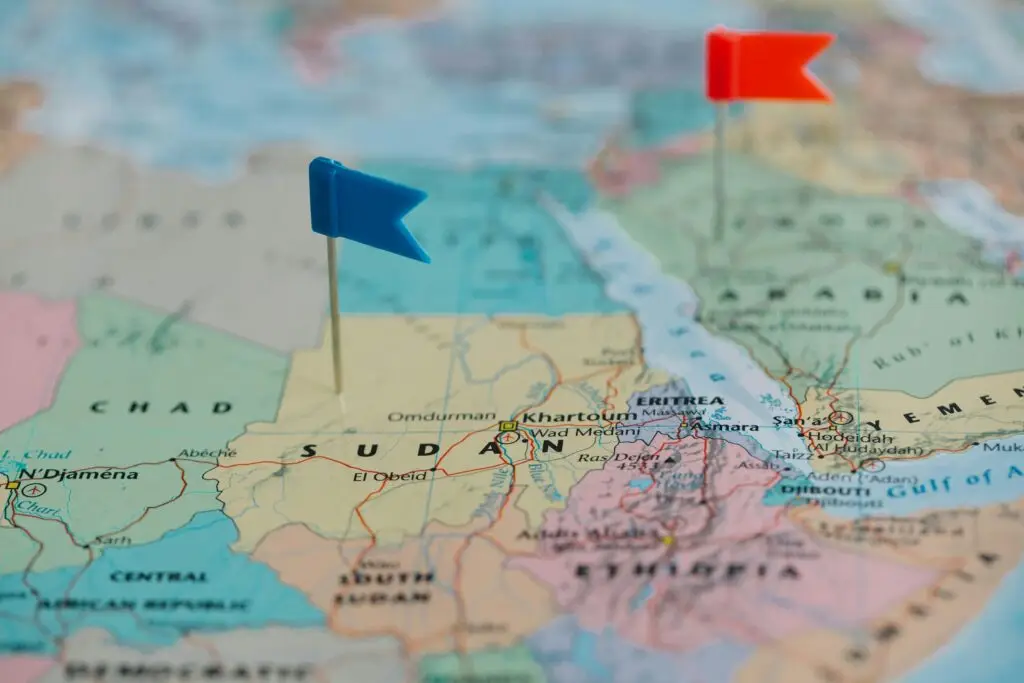
Sudan is a country of immeasurable depth—a place where the silence of the desert meets the heartbeat of the Nile, where ancient pyramids rise from golden sand, where palm groves line riverbanks, and where traditions shaped by thousands of years continue to guide daily life. It is a land that has known both glory and hardship, yet it carries a strength, dignity, and warmth that surprises even the most experienced traveler. Sudan is not loud or overwhelming; its beauty is subtle, powerful, and emotional. It reveals itself slowly, through the kindness of its people, the vastness of its landscapes, the legacy of its kingdoms, and the soft rhythm of life along the Nile.
From the Nubian pyramids of Meroë to the tea ladies preparing hot ginger drinks in Khartoum’s streets, from nomadic herders crossing desert plains to fishermen rowing across still water, Sudan is a tapestry of cultures, languages, histories, and atmospheres. It is a country where African, Arab, and indigenous traditions blend into something unique and deeply human. Travelers who arrive in Sudan often come with little expectation, but they leave with profound memories—of hospitality that is generous beyond words, of landscapes that feel infinite, of archaeological sites that stand untouched by tourism, and of a gentle, respectful culture that places enormous value on community, honor, and welcome.
Sudan is one of Africa’s most misunderstood countries, yet one of its richest in heritage. It is a land of pyramids older than Egypt’s, of kingdoms that shaped history, of deserts that stretch into eternity, and of rivers that bring life to millions. Sudan touches the heart because it is a place where authenticity remains untouched, where stories live in the sand and the water, and where every moment feels connected to something ancient and enduring.
Geography and Natural Atmosphere of Sudan
Sudan is huge—one of the largest countries in Africa—stretching across desert, savanna, mountain ranges, and fertile riverbanks. Its landscapes are defined by one element more than any other: the Nile. The river splits into the White Nile and the Blue Nile before merging in Khartoum, then continues northward through ancient Nubia, passing temples, villages, farms, and palm groves before entering Egypt. Along the Nile, life flourishes. Villages are filled with date palms, lush crops, cattle, and children playing beside the water. Boats drift slowly across its calm surface at dawn, fishermen casting nets with practiced ease.
Away from the Nile, Sudan becomes a world of sand and sky. The Sahara dominates the north—dunes, rocky plateaus, acacia trees, and silence so deep it feels almost spiritual. Sunlight paints the landscape in gold, orange, and red. Desert wind moves softly across the dunes, carrying the scent of dry air, stone, and wild herbs. Small camps of nomads appear like mirages in the distance, their camels resting in the shade as families cook meals over open fires.
In the south and east, the landscape shifts to savanna, grassland, and mountains. Rainfall becomes heavier, creating fertile regions where agriculture thrives. The Nuba Mountains rise above the plains, forming a mosaic of villages, farms, cattle herds, and forest patches. The Red Sea coast in the far east offers coral reefs, mangrove forests, and warm turquoise water that contrasts with the arid interior.
Sudan’s geography is diverse and emotionally evocative—quiet, vast, warm, ancient, and humbling. It is a place where nature shapes lifestyle, tradition, architecture, and identity.
Khartoum – A City of Rivers, Culture, History, and Gentle Social Rhythm
Khartoum, Sudan’s capital, sits at one of the most important geographical points in Africa—the confluence of the Blue Nile from Ethiopia and the White Nile from Uganda and South Sudan. This meeting of waters is both symbolic and atmospheric, creating a city shaped by rivers, bridges, and breezes that soften the desert heat. The air feels lighter near the water, and the sound of waves gently touches the riverbanks.
Khartoum is a mixture of modern buildings, colonial architecture, bustling markets, and quiet residential neighborhoods. It is not chaotic like many African capitals; instead, it has a calm, steady rhythm. Tea ladies sit beneath umbrellas along city streets preparing spiced tea, coffee, and ginger drinks for passersby. Families gather on the grassy banks of the Nile to picnic, talk, and relax. The smell of grilled meat, bread, and incense drifts through the evening air.
Omdurman, on the west bank of the Nile, carries the emotional heart of Sudanese culture. It is a city of traditional markets, Sufi gatherings, craftsmen, storytellers, and families who have preserved the customs of past generations. The Omdurman Souq is full of color, movement, and sound—gold shops, spice stalls, leather goods, textiles, and traditional clothing. Every Friday, the Hamid el-Nil Sufi ceremony attracts crowds who gather to watch dancers whirl in spiritual devotion.
Khartoum and Omdurman together form a cultural, historical, and emotional center—a place where rivers meet, where traditions remain strong, and where the warmth of the Sudanese people feels immediate and sincere.
Northern Sudan – Nubia, Pyramids, Desert Kingdoms, and Timeless Beauty
Northern Sudan is the cradle of ancient Nubia—a civilization that flourished along the Nile for thousands of years and built some of the most remarkable archaeological sites in Africa. Here, the desert reveals its secrets in the silence: pyramids standing alone on the sand, temples carved with inscriptions, forgotten cities buried beneath dunes, and villages that preserve Nubian culture through language, architecture, and daily life.
The Nubian pyramids of Meroë are among the most iconic sights in Sudan. Unlike the massive pyramids of Egypt, the pyramids of Meroë are slender, steep, elegant, and grouped together across vast stretches of golden desert. They were built by the Kushite Kingdom, which ruled much of the region for centuries and even conquered Egypt at one point. Visiting Meroë is an emotionally powerful experience—not just because of the history, but because the site is rarely crowded. Travelers often find themselves completely alone among the pyramids, listening only to the wind and birds overhead.
Further north, the ruins of Nuri, El-Kurru, and Jebel Barkal showcase the spiritual and political heart of ancient Nubia. Jebel Barkal, a sacred mountain, rises dramatically above the desert, its cliffs glowing red at sunset. At its base lie temples dedicated to gods worshipped by the Kushite kings. The atmosphere feels mystical—like stepping into a chapter of history that has remained untouched.
Nubian villages along the Nile are some of the friendliest places in Sudan. Homes are often painted in bright colors, decorated with geometric patterns, and built to stay cool in the desert heat. People speak Nubian languages, prepare meals from local crops and fish, and welcome guests with a sincerity that feels both humble and generous. Life here moves slowly, beautifully, peacefully.
Northern Sudan is one of the most special regions in Africa—majestic, ancient, soulful, and unforgettable.
The Red Sea and Eastern Sudan – Coral Reefs, Beja Culture, and Desert Mountains
Eastern Sudan offers a completely different atmosphere. The Red Sea coast near Port Sudan is a world of turquoise water, coral reefs, colorful fish, and warm breezes. The underwater life is extraordinary—vibrant corals, sea turtles, dolphins, reef sharks, and schools of fish moving through crystal-clear water. The reefs here rival those of the Red Sea in Egypt but remain untouched by mass tourism, making the region one of the world’s hidden marine paradises.
Inland, the landscape shifts quickly to desert mountains and rocky plains inhabited by the Beja people—an ancient ethnic group known for their unique language, nomadic traditions, and distinctive hairstyles. Their communities are built from mobile shelters, camels graze the land, and daily life follows the rhythm of grazing, gathering, and moving. The Beja are strong, proud, and hospitable, carrying centuries of cultural knowledge that has survived through changing times.
The eastern region feels raw, wild, and beautifully isolated. It is a land where mountains meet sea, where desert meets coral, and where ancient culture meets natural wonder.
Southern Sudan (North Sudan Side) – Savanna, Farms, Villages, and River Life
Southern regions of Sudan, still within the borders of Sudan after the separation from South Sudan, offer lush landscapes shaped by rainy seasons, agriculture, and river systems. The land becomes greener, dotted with cattle herds, farms, mango trees, and small villages with thatched roofs and mud walls.
Here, traditions differ from those in the north. People celebrate harvests, prepare meals with sorghum and millet, and maintain strong rural communities built around kinship, cooperation, and respect for elders. The air feels humid and warm, birds fill the sky, and thunderstorms during rainy seasons create dramatic, cinematic scenes across the savanna.
Southern Sudan reveals the diversity of the country—its cultural, ecological, and social richness.
Nomadic Life – Camels, Cattle, Migration, and Desert Knowledge
Nomads represent a vital thread of Sudanese culture. For centuries, families have traveled across desert and savanna with livestock, guided by seasonal patterns, ancestral wisdom, and deep knowledge of the land. Their lifestyle is one of movement, independence, adaptability, and community.
Camels carry water, goods, and dignity. Cattle are symbols of wealth, honor, and identity. Temporary homes made from cloth, wood, and woven materials rise and fall with each migration. Daily routines revolve around caring for animals, finding pasture, cooking simple but aromatic meals, and sharing stories around fires beneath the stars.
Nomadic life is hard, but it is also poetic—filled with traditions that preserve knowledge, values, and survival strategies that have endured for thousands of years.
Sudanese Hospitality – Tea Culture, Warmth, and the Spirit of Welcome
Sudanese hospitality is among the most generous in the world. Guests are treated with honor, offered tea, food, conversation, and comfort without hesitation. Tea ladies, known as jabana women, prepare coffee infused with ginger, cinnamon, and cardamom in small clay pots. Tea stalls become social hubs where people gather to talk, debate, laugh, and share stories.
Meals are communal, centered on dishes like kissra (fermented bread), ful (fava beans), grilled meat, fresh fish, and stews flavored with spices. Dates, hibiscus tea, and sesame sweets are common treats. Food symbolizes generosity and togetherness, making dining in Sudan a deeply emotional experience.
Music, Dance, Art, and Sudanese Creativity
Sudanese culture is rich in music and dance. Traditional rhythms come from drums, tambourines, and string instruments. Songs reflect themes of love, history, nature, and faith. Dance accompanies celebrations—weddings, harvest festivals, and community gatherings—filled with joy, movement, and connection.
Artistic expression appears in pottery, textiles, jewelry, architecture, and murals. Sudanese poetry, particularly from Sufi traditions, carries spiritual depth and emotional sensitivity.
Religion, Faith, and Spiritual Life
Islam plays a central role in Sudanese society. Mosques fill cities and villages, the call to prayer echoes across the landscape, and spiritual practices shape daily life. Sufi brotherhoods guide rituals, chants, and communal gatherings centered on devotion, music, and peace.
At the same time, older Nubian traditions, desert customs, and local spiritual beliefs continue to influence identity and culture. Sudan’s religious landscape is diverse, layered, and deeply rooted in history.
Climate, Seasons, and the Atmosphere of the Land
Sudan’s climate is dominated by heat, dry winds, and long sunny seasons. The desert regions experience extreme temperatures, glowing sunsets, and star-filled skies that feel infinite. Rainy seasons bring sudden storms, refreshing the land and turning river valleys green.
The atmosphere changes dramatically depending on the region—cool breezes along the Nile, humid air in the south, salty winds along the Red Sea, and warm dry air in the desert. Each climate carries its own emotional tone, shaping the daily rhythm of life.
The Emotional Experience of Traveling Through Sudan
Traveling through Sudan is not simply sightseeing; it is a journey into silence, memory, hospitality, and ancient heritage. It is walking among pyramids with no other visitors in sight. It is drinking sweet tea on the banks of the Nile as boats glide past. It is listening to stories from elders who speak of history with pride. It is watching camels move across golden plains. It is being welcomed into homes with kindness that feels overwhelming. It is seeing sunsets over deserts so wide and empty they make the world feel still.
Sudan is a country of emotional resonance. It humbles, inspires, teaches, and touches the heart.
It is a place of vast landscapes, deep culture, and unwavering humanity.
Sudan is not just a destination.
It is a feeling of calm.
A memory of ancient worlds.
A connection to the desert, the river, and the past.
A reminder of the quiet strength of the human spirit.
Related Amazing Bucketlist Articles
- 5 Once-in-a-Lifetime Floating Stays
- Hurawalhi Island Resort
- Top 10 Most Romantic Countries in the World for Couples