
Tunisia Complete Travel Guide
Tunisia – A Land of Desert Mystique, Mediterranean Beauty, Ancient Civilizations, and Deep Cultural Warmth
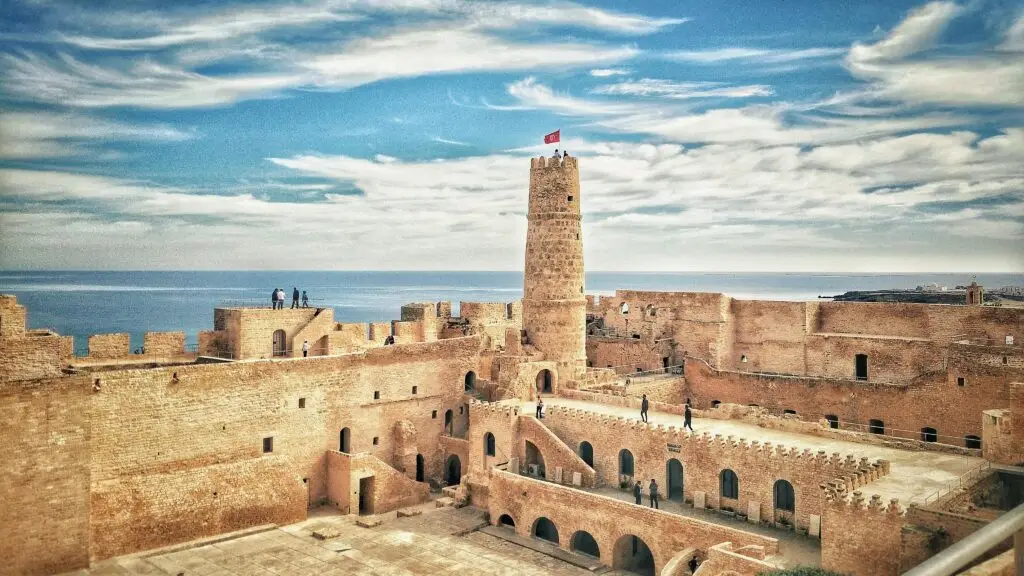
Tunisia is a country where worlds meet. It is a place where the Sahara stretches endlessly into waves of golden silence, where the Mediterranean washes against soft beaches and whitewashed villages, where Roman ruins rise from olive groves, where Berber heritage echoes through mountain towns, and where Islamic architecture blends seamlessly with millennia of history. Tunisia is a land of contrasts—sun-soaked, ancient, peaceful, and emotionally rich. It invites travelers into a world shaped by desert winds, olive trees, turquoise water, and the warmth of a culture built on hospitality, resilience, and pride.
Tunisia feels both familiar and entirely unique. Its coastal towns evoke the charm of southern Europe, with blue-painted doors, climbing bougainvillea, and sea views that sparkle beneath the sun. Its desert landscapes recall the timelessness of North Africa, carrying echoes of caravans, nomads, and long-lost kingdoms. Its Roman sites—some of the best preserved in the world—tell the story of a civilization that once rivaled the greatest powers on Earth. Its Islamic heritage appears in mosques, minarets, courtyards, and vibrant medinas where life flows through narrow alleys full of color, fragrance, and sound.
Yet, the heart of Tunisia lies with its people. Known for their kindness, humor, and openness, Tunisians welcome visitors with an ease that makes the country feel safe, comfortable, and emotionally warm. Tea is shared freely, conversations unfold naturally, and everyday interactions carry a sense of human connection that defines Tunisian identity. Travelers leave Tunisia not only with memories of landscapes and cities, but with memories of moments—moments of laughter with locals, of sunsets over the Sahara, of quiet mornings in coastal towns, and of walking through ancient ruins in solitude.
Tunisia is a destination where history, nature, culture, and emotion exist side by side. It is a land of stories, spirit, and beauty—a place that remains with you long after your journey ends.
Geography and Natural Atmosphere of Tunisia
Tunisia’s geography is beautifully diverse despite its small size. The north is lush and green, filled with hills, forests, fields, and lakes that come alive during winter rains. The Mediterranean coastline stretches for more than 1,100 kilometers, creating soft sandy beaches, fishing ports, bays, cliffs, and crystal-clear water that shifts between shades of cobalt blue and turquoise. Coastal breezes cool the air, carrying the scent of salt, jasmine, and citrus blossoms.
Moving inland, Tunisia transitions into farmland and olive groves that blanket the landscape in neat rows. Olive trees are sacred in Tunisia—they represent heritage, agriculture, identity, and resilience. Families have cultivated them for generations, and the slow rhythm of countryside life feels deeply peaceful. Stone walls, shepherds, goats, and small villages appear among gentle hills, where the pace of life remains connected to tradition.
Further south, the land becomes dry, rocky, and sandy—entering the realm of the Sahara. Here, palm oases rise like green jewels in a sea of desert. Sand dunes shimmer beneath the sun. Camels walk along ancient caravan routes. The silence is vast and powerful, carrying a sense of timelessness that touches the soul. Travelers who arrive in the Sahara often describe it as a spiritual experience—an encounter with nature in its most raw and majestic form.
Tunisia’s landscapes tell a story of diversity—Mediterranean calm, fertile fields, desert wilderness, and mountains that overlook ancient cities. It is a country that feels larger than it is, rich in variety and atmosphere.
Tunis – A City of History, Culture, Faith, and Mediterranean Breeze
Tunis, the capital of Tunisia, is a city where ancient medinas and modern neighborhoods coexist in harmony. Its energy is gentle yet vibrant, shaped by a mix of Arab, Berber, European, and Mediterranean influences. The city’s heartbeat is the Medina of Tunis—a UNESCO World Heritage Site filled with narrow alleyways, historic mosques, souks, palaces, and traditional cafés. The medina is a maze of life, where the scent of jasmine, spices, and grilled street food drifts through the air; where artisans work with leather, textiles, ceramics, and brass; and where locals greet one another with warmth that reflects centuries of cultural pride.
Outside the medina, the Ville Nouvelle showcases French colonial architecture—wide boulevards, elegant façades, palm-lined streets, and cafés where people sit for hours drinking coffee and discussing politics, football, or philosophy. The Bardo National Museum, one of the most important museums in Africa, houses extraordinary Roman mosaics, Islamic art, and artifacts from every era of Tunisian history. Each mosaic tells a story—of gods, heroes, harvests, and everyday life in ancient Roman Africa.
Tunis carries an atmosphere of openness. The call to prayer rises from minarets while church bells ring in nearby neighborhoods. The sea breeze from the Gulf of Tunis cools the air. Everyday life feels calm, social, and rooted in history. Tunis is not overwhelming—it is a city that embraces you gently, offering layers of culture, beauty, and human connection.
Carthage – Ancient Power, Roman Elegance, and Sea-Facing Ruins
Just outside Tunis lies Carthage, one of the most legendary cities in world history. Once the heart of the Carthaginian Empire—home to the famed Hannibal—Carthage was a powerful economic and military force that rivaled Rome. After its dramatic destruction, Rome rebuilt it as a wealthy imperial city, leaving behind ruins that today overlook the Mediterranean in stunning silence.
Walking through Carthage is an emotional journey. Columns rise against the backdrop of blue sea and sky. Roman villas stretch across green hills. The Antonine Baths—one of the largest bath complexes of the Roman world—stand as remnants of a civilization that mastered architecture, engineering, and beauty. The Punic ports, cleverly designed for naval power, remain visible, their circular shape still impressive thousands of years later.
Carthage is not just an archaeological site—it’s a connection to ancient civilizations whose stories shaped the Mediterranean. The air feels heavy with memory, and the views across the sea are both majestic and gentle.
Sidi Bou Said – Blue Doors, White Walls, Bougainvillea, and Mediterranean Magic
Sidi Bou Said is one of the most iconic places in Tunisia—a village perched on a cliff above the sea, painted entirely in white and blue. It feels like a postcard come to life. Blue doors decorated with ironwork, whitewashed houses shining beneath the sun, flowers climbing along walls, and cobbled streets leading to viewpoints where the Mediterranean stretches endlessly toward the horizon.
The atmosphere here is slow, artistic, and romantic. Musicians play traditional tunes along the streets. Cafés serve mint tea with pine nuts—an unforgettable Tunisian specialty. Artists paint scenes of the village. Travelers wander slowly, taking photos, enjoying the breeze, or simply sitting to admire the sea.
Sidi Bou Said feels like a dream—a peaceful, elegant, emotionally calming place that captures the beauty of Tunisian coastal life.
The Sahara – Dunes, Oases, Desert Silence, and Timeless Landscapes
The Sahara is the soul of Tunisia’s interior. It begins with rocky desert landscapes and gradually transforms into towering dunes, golden sand seas, and wide valleys shaped by wind and time. The desert is quiet, vast, and humbling. It carries an emotional weight that travelers describe as spiritual, meditative, and transformative.
Douz, known as the “Gateway to the Sahara,” is a desert town surrounded by palm groves and endless sand. From here, travelers enter the dunes by camel or 4×4, encountering landscapes untouched by human hands. The sand shifts in color throughout the day—yellow at midday, orange at sunset, pink at dawn, and brown beneath starlit skies.
Chott el Jerid, a massive salt lake, stretches across the desert like a mirror. When the sun rises, the salt reflects the sky in surreal, dreamlike colors that blur the boundary between earth and sky.
The oases of Tozeur and Nefta are worlds of their own—dense palm groves, ancient irrigation systems, traditional brick architecture, and villages that feel like desert sanctuaries. Date farming thrives here, and the sweet, golden Deglet Nour dates from this region are considered some of the best in the world.
The Sahara in Tunisia is not just a landscape—it is an emotional experience, a place where silence speaks more profoundly than words.
Matmata and Berber Heritage – Underground Homes and Mountain Traditions
In the rugged mountains of southern Tunisia lies Matmata, a Berber village famous for its underground homes carved into the earth. These troglodyte houses are cool in summer and warm in winter, designed to withstand the harsh climate of the desert mountains. Walking around Matmata feels like stepping into a hidden world—courtyards sunken into the ground, rooms carved from clay, and pathways connecting families who have preserved this architectural heritage for centuries.
The Berber culture in southern Tunisia is rich with traditions—woven carpets, jewelry, storytelling, music, and festivals that celebrate community, harvest, and identity. Villages are built from stone and wood, blending naturally into the landscape. The hospitality of the Berber people is legendary—they welcome travelers with kindness, tea, and stories of their ancestors.
Matmata’s beauty lies not just in its architecture, but in its sense of timelessness.
Kairouan – Spiritual Depth, Islamic Architecture, and Ancient Learning
Kairouan is one of the holiest cities in Islam and a UNESCO World Heritage Site that radiates spiritual depth and architectural beauty. Its Great Mosque, founded in the 7th century, is one of the oldest and most influential Islamic buildings in the world. Its massive courtyard, elegant arches, carved wooden doors, and quiet prayer rooms create an atmosphere of peace and reflection.
The medina of Kairouan is filled with cobbled streets, artisan shops, carpets, ceramics, and courtyards shaded by fruit trees. The city is known for its rugs—handwoven in patterns that carry symbolic meaning and cultural identity. Walking through Kairouan feels like a step back in time, into a world of scholars, artisans, and spiritual devotion.
El Jem – The Roman Colosseum of Africa
El Jem is home to one of the most astonishing Roman amphitheaters in the world—a massive, well-preserved structure that rivals the Colosseum in Rome. Built in the 3rd century, the amphitheater could hold more than 30,000 spectators. Today, it stands in silence, its arches glowing in the sun and its tunnels echoing faintly with the past.
Standing inside El Jem is an emotional experience. The scale is immense, the atmosphere serene, and the sense of history overwhelming. It reminds travelers of Tunisia’s importance in the Roman world and the depth of civilizations that flourished here.
The North – Hills, Forests, Vineyards, and Mediterranean Air
Northern Tunisia is a world of green hills, cork forests, rivers, beaches, and villages with stone houses. The region feels more European in climate and atmosphere, with mild winters, warm summers, and landscapes filled with olive groves, wheat fields, and vineyards. Cities like Bizerte and Tabarka combine historic forts, clear water, fishing harbors, and mountainous scenery.
The Ichkeul National Park, a UNESCO site, attracts migratory birds from across Europe and Africa—flamingos, ducks, storks, and countless others. The peaceful atmosphere, wide lake, and surrounding hills make it one of the most beautiful natural sanctuaries in Tunisia.
Tunisian Cuisine – Fragrance, Spice, Olive Oil, and Mediterranean Warmth
Tunisian cuisine is fragrant, colorful, and full of flavor. It blends Mediterranean, Berber, Arab, Ottoman, and African influences into dishes that are warm, hearty, and emotionally comforting. Couscous is a national staple, served with vegetables, fish, or meat. Harissa, the famous chili paste, adds heat and depth to almost every dish. Olive oil flows generously—used in salads, stews, bread, and dips.
Seafood is abundant along the coast—grilled fish, calamari, shrimp, and seafood couscous. Inland, lamb stews, pigeon pastilla, and vegetable dishes play a central role. Street food includes brik (a crispy pastry with egg and tuna), grilled lamb sausages, and traditional breads baked in clay ovens.
Tea is sweet and aromatic, often served with mint or pine nuts. Coffee is strong, dark, and shared in long conversations that reveal the social soul of Tunisia.
Religion, Spirituality, and Cultural Identity
Islam shapes daily life in Tunisia. Mosques, minarets, and religious schools appear in every village and city. Faith guides values of hospitality, modesty, respect, and community. Yet Tunisia also embraces modernity, education, women’s rights, and artistic expression. The blend of tradition and progress creates a social atmosphere that feels balanced, open, and welcoming.
Climate, Seasons, and Tunisian Atmosphere
Tunisia’s Mediterranean climate creates warm summers, mild winters, and long, sunny seasons. The coast enjoys cool sea breezes, while the desert experiences dramatic temperature shifts—hot days and cool nights illuminated by thousands of stars. Spring brings flowers, green fields, and fresh fruit. Autumn brings golden sunsets, calm seas, and gentle warmth.
The atmosphere of Tunisia feels clean, bright, and emotionally soothing—sunlight reflecting on white walls, desert horizons glowing at dusk, and ocean breezes carrying the scent of salty air.
The Emotional Experience of Traveling Through Tunisia
Traveling in Tunisia is an emotional journey—one shaped by ancient history, natural beauty, warm hospitality, and cultural richness. It is walking through Roman amphitheaters in silence. It is watching the sun rise over dunes that glow in gold. It is wandering through medinas filled with color and fragrance. It is sitting in a café in Sidi Bou Said drinking mint tea while the Mediterranean breeze cools your skin. It is exploring mosques filled with centuries of devotion. It is hearing stories from locals who welcome you with sincerity and pride. It is experiencing moments of peace in palm-filled oases, and moments of awe in ruins that have stood for thousands of years.
Tunisia is not simply a destination—it is an emotion.
A blend of history, warmth, beauty, and spirit.
A memory painted in sunlight, desert colors, and Mediterranean blue.
A country that opens itself to travelers who seek authenticity, depth, and connection.
Related Amazing Bucketlist Articles
- 5 Once-in-a-Lifetime Floating Stays
- Hurawalhi Island Resort
- Top 10 Most Romantic Countries in the World for Couples