
Zambia Complete Travel Guide
Zambia is one of Africa’s most extraordinary destinations—vast, wild, peaceful, welcoming, and filled with natural wonders that rank among the greatest on Earth. Known for the legendary Victoria Falls, mighty Zambezi River, pristine national parks, remote wilderness regions, diverse cultures, and warm people, Zambia offers an authentic travel experience that feels raw yet incredibly enriching. For many travelers, Zambia represents the essence of Africa: wide-open landscapes, wildlife-filled plains, thunderous rivers, red-ochre sunsets, traditional villages, and a sense of solitude that is increasingly rare in today’s world. Yet what makes Zambia stand out is not only its physical beauty but its atmosphere. The country has an energy that is calm and genuine, shaped by a deep cultural heritage, a strong connection between people and nature, and an environment that remains largely untouched by mass tourism.
Zambia is a landlocked country in south-central Africa, bordered by Zimbabwe, Botswana, Namibia, Angola, Tanzania, Malawi, and Mozambique. Despite being enclosed by other nations, it contains some of the continent’s richest water systems and most ecologically dynamic regions. The Zambezi, Kafue, and Luangwa Rivers carve through the country, shaping entire ecosystems, supporting wildlife migrations, and providing water to millions of people. The landscapes of Zambia are varied and dramatic—sweeping savannas, miombo woodlands, deep river valleys, escarpments, wetlands, and rock formations create a mosaic of environments that change from one region to the next.
Although Victoria Falls is Zambia’s most famous attraction, the country has far more to offer. Zambia’s national parks are among the wildest and least crowded in Africa, particularly South Luangwa, Kafue, North Luangwa, Liuwa Plains, Lower Zambezi, Sioma Ngwezi, and Kasanka. These parks protect massive wildlife populations, including lions, elephants, leopards, wild dogs, cheetahs, hippos, buffalo, hartebeest, puku, kudu, wildebeest, and hundreds of bird species. The country is also known as one of the best walking-safari destinations in the world, thanks to its long heritage of professional guiding and unmatched wilderness quality.
Culturally, Zambia is equally rich. The country has more than seventy ethnic groups, each with unique traditions, music, languages, dances, and ceremonies. The Bemba, Tonga, Lozi, Chewa, Ngoni, Lunda, Kaonde, Tumbuka, and Luvale are among the largest groups, but smaller ethnic communities also contribute to a diverse cultural landscape. Traditional ceremonies such as Kuomboka, Nc’wala, Mutomboko, Chakwela Makumbi, and Shimunenga are colorful expressions of heritage, community, and identity. Many traditions remain strong despite modern influences. The communal way of life, respect for elders, and connection to the land are still deeply rooted in Zambia’s social fabric.
Whether visiting the mist-filled viewpoint of Victoria Falls at sunrise, walking through golden grasslands of the Kafue, drifting along the Zambezi as elephants drink from the riverbanks, hiking the escarpments of the Luangwa Valley, exploring traditional villages, or spending quiet afternoons watching hippos on the river, travelers discover that Zambia is a place where nature feels alive and abundant. The country’s combination of wilderness, culture, peace, and warmth makes it a destination that stays with visitors long after they leave.
Geography, Landscapes, and Natural Beauty
Zambia’s geography is one of its most defining features. The country sits on a high plateau between 1,000 and 1,600 meters above sea level, giving it a moderate climate compared to many tropical nations. This elevated landscape stretches across vast distances and is broken by deep river valleys, rolling hills, and escarpments that create dramatic natural scenes.
The Zambezi River is perhaps the most iconic geographical feature. Flowing from northwestern Zambia and forming borders with Angola, Namibia, Botswana, and Zimbabwe, the river eventually plunges over Victoria Falls, one of the world’s most spectacular waterfalls. Beyond the falls, the Zambezi carves through the Lower Zambezi Valley, creating fertile floodplains, thick forests, and wildlife-rich habitats.
The Luangwa River system forms one of Africa’s most important wildlife corridors. The Luangwa Valley features river channels, oxbow lagoons, riparian forests, and savannas that attract large numbers of herbivores and predators. The valley’s isolation has preserved an ecosystem that feels ancient and untouched.
The Kafue River is another major waterway. It feeds the Kafue Flats, one of the largest wetlands in Africa, and supports biodiversity in Kafue National Park, a wildlife sanctuary known for its size and ecological variety.
Zambia’s terrain also includes the Muchinga Escarpment and Zambezi Escarpment, dramatic geological formations that run along the Luangwa and Lower Zambezi regions. These escarpments create steep valley walls, rocky cliffs, waterfalls, and panoramic viewpoints.
The wetlands and floodplains of the north and west—such as the Bangweulu Wetlands and Liuwa Plains—are among the most ecologically valuable regions in Africa. The Bangweulu Wetlands host the rare shoebill stork and vast herds of black lechwe, while Liuwa Plains is home to Africa’s second-largest wildebeest migration.
This blend of plateaus, valleys, forests, wetlands, and rivers makes Zambia a land of striking natural contrasts. Within a single journey, travelers can move from misty waterfalls to dry savannas, from lush forests to open floodplains, and from river gorges to semi-mountainous plateaus. Few African countries offer such variety in a relatively peaceful and uncrowded environment.
Victoria Falls – The Smoke That Thunders
Victoria Falls, known locally as Mosi-oa-Tunya—“The Smoke That Thunders”—is one of the seven natural wonders of the world and Zambia’s most famous attraction. Created by the Zambezi River plunging into a narrow gorge, the waterfall spans more than 1,700 meters and drops up to 108 meters, generating powerful mist and thunderous sound that can be seen and heard from kilometers away.
Zambia offers some of the most intimate and immersive viewpoints of the falls. The trails inside Mosi-oa-Tunya National Park take visitors close to the edge, where the mist forms rainbows that arch through the air. During the rainy season, the falls become a roaring curtain of water, while the dry season reveals layers of basalt rock and multiple cascades.
One of the most dramatic viewpoints is the Knife-Edge Bridge, where visitors stand surrounded by sprays of mist. Another is the Boiling Pot, accessible through a steep trail that descends into the gorge. The water turbulence here creates swirling whirlpools, particularly during high-water periods.
During the dry season, when water levels are lower, brave travelers can visit the Devil’s Pool, a natural rock pool perched at the edge of the falls. While thrilling, the experience reveals the incredible power of the Zambezi and the natural forces that shaped one of the world’s greatest geological wonders.
Victoria Falls is not just a scenic attraction but a cultural and spiritual site. Local communities have long believed the falls are inhabited by river spirits, and ceremonies historically honored the Zambezi as a sacred river. Today, travelers experience a blend of natural wonder, cultural narratives, and the raw power of Africa’s landscapes.
National Parks and Wildlife – Zambia’s Great Wilderness
Zambia is one of the best wildlife destinations in Africa. Unlike countries with heavy tourism footprints, Zambia’s parks feel remote, wild, and uncrowded. Many areas offer a sense of solitude where travelers can observe wildlife without large groups or noise pollution.
South Luangwa National Park
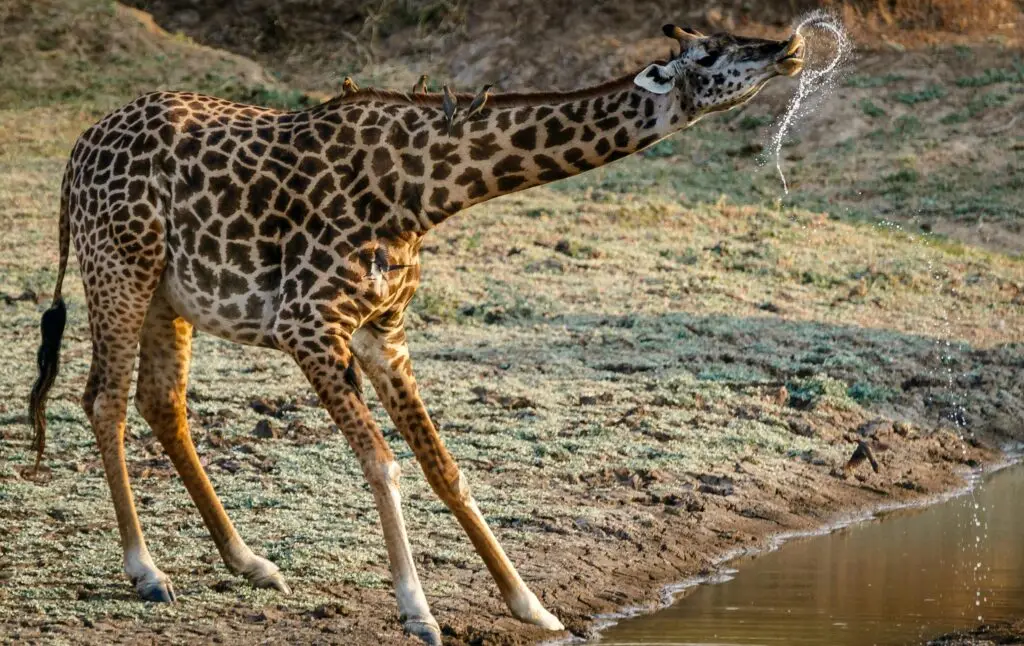
South Luangwa is considered one of the finest wildlife destinations in Africa. The Luangwa River sustains an ecosystem that supports massive populations of hippos, crocodiles, elephants, buffalo, leopards, giraffes, zebras, and antelopes. The park is especially famous for its leopards, which are seen more frequently here than in many other African parks.
The river’s oxbow lagoons create ideal habitats for birdlife, herbivores, and predators. During the dry season, the Luangwa shrinks, forcing wildlife to gather along the riverbanks in spectacular numbers. Night drives reveal a world of nocturnal species—genets, civets, porcupines, hyenas, and leopards moving under the cover of darkness.
South Luangwa is also the birthplace of the walking safari, a style of wildlife exploration that focuses on tracking, understanding animal behavior, and connecting with the environment on foot. Guided by expert rangers, these walks offer one of the deepest wildlife experiences available anywhere in Africa.
North Luangwa National Park
North Luangwa is far more remote and wild than its southern counterpart. It is one of Africa’s last strongholds for true wilderness, with limited access and strict conservation regulations. Black rhinos were reintroduced in recent years, creating a significant conservation success story. The park’s landscapes feel primordial—isolated, quiet, and rich with wildlife that has minimal exposure to humans.
Kafue National Park
Kafue National Park is massive. Larger than some European countries, it encompasses woodlands, wetlands, savannas, and river systems. The Busanga Plains, located in the northern part of the park, are particularly famous for their lion populations, large herds of antelope, and dramatic sunrise mists that roll across the grasslands. Cheetahs and wild dogs roam the plains, making Kafue one of the few parks in Africa where travelers can see all three major predators—lions, leopards, and cheetahs.
Lower Zambezi National Park
Lower Zambezi is another iconic park known for its river scenery. The Zambezi River flows slowly between Zambia and Zimbabwe, creating channels, islands, and floodplains rich with wildlife. Elephants gather on the riverbanks, hippos submerge themselves in the channels, and buffalo herds graze beneath the trees. Canoeing on the Zambezi offers an immersive experience where travelers can glide past basking crocodiles and watch wildlife from the water.
Liuwa Plain National Park
Liuwa Plain is home to Africa’s second-largest wildebeest migration. Vast grasslands stretch across the park, offering one of the most surreal and peaceful landscapes in Africa. The park is also known for hyena clans, birdlife, and dramatic skies during the wet season. Liuwa’s remoteness means that only a handful of travelers visit each year, preserving a sense of untouched wilderness.
Kasanka National Park and the Bat Migration
Kasanka is famous for one of the world’s most astonishing natural events: the annual fruit bat migration, where millions of straw-colored fruit bats gather in the park’s swamp forests. The spectacle transforms the sky, creating one of nature’s greatest aerial displays. The park is also home to sitatunga antelope, shoebills, and diverse wetlands.
Rivers, Waterfalls, and Natural Wonders Beyond Victoria Falls
Zambia is a country shaped by its water. Beyond Victoria Falls, travelers find numerous waterfalls, gorges, and rapid systems across the country. The Kalambo Falls on the border with Tanzania form one of the tallest single-drop waterfalls in Africa. The Kundalila Falls, Ngonye Falls, Lumangwe Falls, and Mumbuluma Falls are among the many waterfalls scattered throughout Zambia’s northern and western regions.
The Bangweulu Wetlands offer an ecosystem where water merges with grassy plains to form habitats for rare birds, including the shoebill—a prehistoric-looking species that fascinates birdwatchers worldwide.
The Zambezi River, beyond the falls, continues to shape Zambia’s identity. Boat trips, fishing excursions, and wildlife observation from the water reveal the richness of its ecosystems.
Culture, Heritage, and Traditional Life
Zambia’s cultural identity is shaped by more than seventy ethnic groups, each contributing distinct practices, languages, and traditions. Despite the diversity, the country is known for its unity and peaceful coexistence.
Traditional ceremonies remain central to Zambia’s cultural life. The Kuomboka Ceremony of the Lozi people is one of the most famous. It marks the movement of the Litunga (the Lozi king) from his flooded plains residence to higher ground, symbolizing resilience, leadership, and cultural unity. The ceremony involves royal boats, music, dancing, and traditional dress.
The Nc’wala Ceremony of the Ngoni celebrates the first harvest and honors the ancestors. The Mutomboko Ceremony of the Lunda people reenacts the historical conquest that led to the formation of the Lunda kingdom. The Kulamba Ceremony brings together Chewa chiefs from Malawi, Zambia, and Mozambique, highlighting cross-border cultural ties.
Zambian music includes vibrant styles such as Kalindula, gospel, traditional drumming, and modern Afro-fusion genres. Instruments like the silimba (a traditional xylophone), drums, and flutes play important roles during celebrations.
Daily life in Zambia varies between urban and rural areas. Cities like Lusaka and Ndola are busy, energetic, and growing rapidly, while rural areas retain traditional structures centered around agriculture, family, and community. Villages often consist of clusters of mud-brick houses, fields of maize or sorghum, and communal gathering spaces.
Zambian hospitality is legendary. Travelers often mention how warmly they are welcomed in villages and towns, with locals eager to share stories, meals, and cultural traditions.
Cities, Towns, and Regional Discoveries
Zambia’s cities offer a blend of modern development and African vibrancy. Lusaka, the capital, is a dynamic city with markets, universities, cultural centers, and lively neighborhoods. The city has grown quickly in recent decades, becoming a commercial hub with shopping centers, restaurants, and nightlife.
Livingstone, near Victoria Falls, is Zambia’s tourism capital. It offers museums, colonial-era buildings, cultural villages, and easy access to the falls. Many travelers begin or end their journeys in Livingstone, using it as a base to explore the Zambezi and Mosi-oa-Tunya National Park.
Copperbelt cities such as Kitwe and Ndola reflect Zambia’s industrial heritage and mining economy. These cities are urban, energetic, and culturally diverse.
Smaller towns—such as Mfuwe, Kafue, Mongu, Mpika, Mansa, and Chinsali—serve as gateways to wildlife areas, waterfalls, and rural communities.
Climate, Seasons, and When to Visit
Zambia has three main seasons: a cool dry season, a hot dry season, and a rainy season. The cool dry season, from May to August, offers pleasant temperatures and clear skies. The hot dry season brings rising heat, particularly in the valleys. The rainy season transforms the landscape into lush green scenery with full rivers and dramatic skies.
Wildlife viewing is best during the dry months, but waterfalls and wetlands are most spectacular during the rainy season. Travelers visiting Victoria Falls will find the highest water levels from February to May and the clearest rock formations from September to December.
The Zambia Travel Experience – Why It Feels Different
What makes Zambia special is not one single attraction, but the combination of wilderness, culture, warmth, and authenticity. Zambia feels peaceful, wild, and deeply connected to nature. The country is large enough to offer endless exploration and quiet enough to maintain a sense of untouched beauty.
Visitors often describe Zambia as a place where the sunsets feel brighter, the rivers flow deeper, and the landscapes seem endless. Whether watching elephants bathe at dusk, listening to the distant roar of the falls, walking through tall grass in Luangwa, or sharing a meal in a rural village, travelers feel that Zambia offers something rare—genuine Africa without crowds, rush, or artificial tourism
Related Amazing Bucketlist Articles
- 5 Once-in-a-Lifetime Floating Stays
- Hurawalhi Island Resort
- Top 10 Most Romantic Countries in the World for Couples