
Zimbabwe Complete Travel Guide
Zimbabwe – A Land of Waterfalls, Ancient Kingdoms, Untamed Wilderness, and Unbreakable Spirit
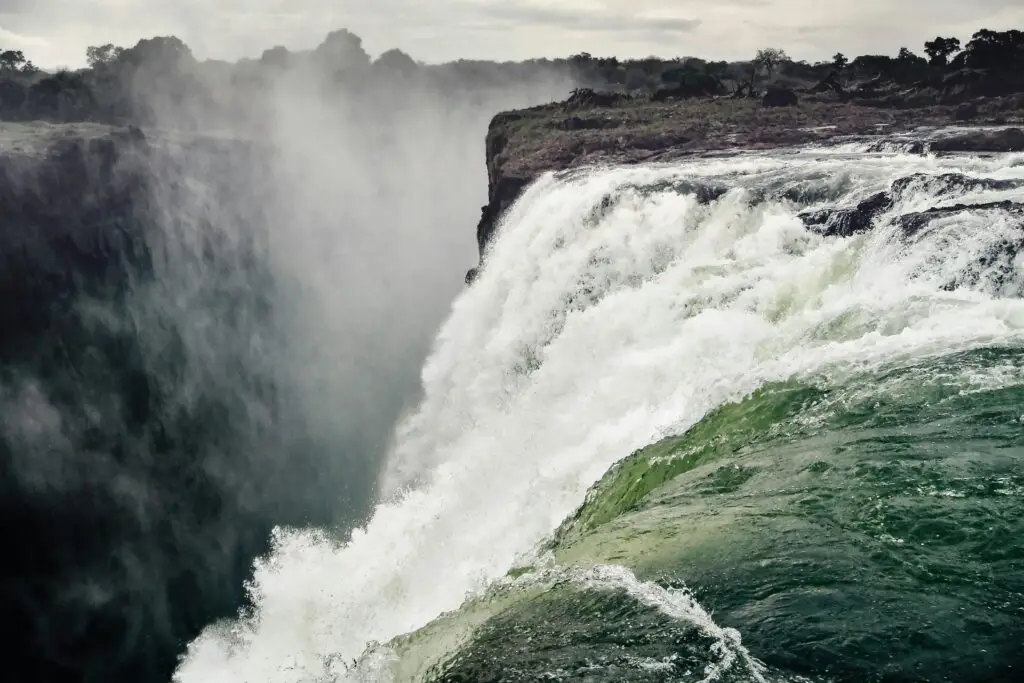
Zimbabwe is a land that stirs the heart long before you fully understand it. It is a place where mighty waterfalls crash with a roar that shakes the earth, where elephants roam free beneath endless African skies, where ancient stone cities whisper stories of vanished kingdoms, and where people carry a strength, warmth, and resilience that define the nation’s soul. Zimbabwe is a country of contrasts—wild yet peaceful, historic yet youthful, humble yet majestic. It draws travelers not just with landscapes, but with emotion: the feeling of standing before Victoria Falls as clouds of mist rise like smoke; the quiet awe of exploring Great Zimbabwe’s stone walls; the stillness of a sunset over Lake Kariba; the powerful presence of wildlife in Hwange; and the genuine hospitality of communities who open their doors with pride.
Zimbabwe is one of Africa’s most misunderstood countries, yet those who visit quickly discover that it is also one of the most beautiful and rewarding. It is a land of extraordinary diversity: vibrant cities rich with culture and music; national parks filled with elephants, lions, buffalo, and birds; rivers that carve deep gorges and feed fertile valleys; rural villages where tradition guides daily life; and archaeological sites that reveal a civilization that once thrived at the heart of southern Africa.
But Zimbabwe’s greatest treasure is its people. Zimbabweans are known across the continent for their kindness, intelligence, humor, and unshakable optimism. Despite challenges, their spirit remains unbroken—expressed through music, dance, storytelling, craftsmanship, and an incredible sense of welcome. Travelers repeatedly say the same thing: “I came for the sights, but I stayed for the people.”
Zimbabwe is not just a place to see—it is a place to feel. A land that leaves a mark on the heart, full of landscapes that inspire, stories that fascinate, and moments that stay with you for life.
Geography and Natural Atmosphere of Zimbabwe
Zimbabwe sits in the heart of southern Africa, a country shaped by rugged highlands, wide plateaus, deep river valleys, and some of the most dramatic landscapes on the continent. The high elevation gives the country a mild climate, with cool evenings, clear skies, and crisp air that feels refreshing even in the warmest months.
The geography varies dramatically. To the south and west lie savannas filled with acacia trees, golden grasslands, and wildlife reserves. To the north flows the mighty Zambezi River, one of Africa’s greatest waterways, forming a natural border with Zambia and dropping into the world-famous Victoria Falls. Inland, mountains rise from the earth—green, misty, and ancient—especially in the Eastern Highlands, where cool forests, waterfalls, and granite peaks create a peaceful escape filled with birdlife and natural beauty.
Throughout the country, rivers flow through valleys, feeding farms, communities, and wildlife. Lake Kariba, one of the world’s largest man-made lakes, stretches across hundreds of kilometers, forming an inland sea where fishing boats glide and sunsets paint the sky in deep orange and purple.
Zimbabwe’s landscapes carry an emotional atmosphere: open, vast, majestic, and full of life. It is a country where nature feels both powerful and peaceful, where the wilderness still reigns, and where every sunrise brings the promise of something extraordinary.
Harare – A Green, Welcoming Capital with Cultural Depth and Everyday Warmth
Harare, the capital of Zimbabwe, is often misunderstood by those who have never visited. Rather than being chaotic or overwhelming, Harare is surprisingly calm, green, and welcoming. Tree-lined boulevards stretch across the city, lined with jacaranda trees that explode into purple blossoms each spring. Neighborhoods are quiet and leafy, filled with gardens, local markets, cafés, and art galleries that showcase Zimbabwe’s vibrant creative scene.
The city blends modern life with tradition. Downtown Harare is filled with office towers, bustling markets, and energetic street life. Vendors sell fruit, vegetables, crafts, and textiles, while people move through the city with a relaxed yet purposeful rhythm. The National Gallery of Zimbabwe highlights world-class African art, sculpture, and cultural heritage. Small theaters, music venues, and cultural centers reflect Zimbabwe’s artistic energy, from traditional mbira performances to modern Afropop and jazz.
Harare’s people are open, friendly, and eager to share their culture. Tea stands, local eateries, and community spaces become social hubs, where travelers quickly feel like part of the neighborhood. The climate is comfortable, the streets are clean, and the atmosphere feels balanced and grounded.
Harare is not a city of spectacle—it is a city of authenticity, connection, and heart.
Victoria Falls – The Smoke That Thunders
Victoria Falls is one of the most awe-inspiring natural wonders on Earth. Known locally as Mosi-oa-Tunya—“The Smoke That Thunders”—the falls are not just a visual marvel, but an emotional experience. As the Zambezi River plunges into a deep gorge, clouds of mist rise hundreds of meters into the sky, creating rainbows and drenching visitors in cool spray. The roar of the falls is deafening and powerful, shaking the ground beneath your feet and filling the air with raw natural energy.
The surrounding rainforest thrives from the mist, creating a world of green leaves, waterfalls, birdsong, and hidden pathways. Viewing platforms allow travelers to stand face-to-face with the falls, feeling the spray on their skin as the river crashes below. The gorge itself is spectacular—narrow, deep, and carved over millions of years.
Victoria Falls is not only a natural wonder—it is a spiritual one. Standing before it evokes humility, awe, and wonder. The beauty is overwhelming, the sound unforgettable, and the energy indescribable. Travelers often say that visiting the falls is one of the most meaningful experiences of their lives.
Hwange National Park – One of Africa’s Greatest Wildlife Sanctuaries
Hwange National Park is Zimbabwe’s largest and most famous wildlife reserve, home to one of the biggest elephant populations in Africa. This vast wilderness is a world of golden grasslands, woodlands, pans, and open savannas where animals roam free. Elephants, lions, giraffes, buffalo, antelope, hyenas, leopards, cheetahs, wild dogs, and countless birds call Hwange home.
The park is enormous, wild, and awe-inspiring. Waterholes become gathering points during dry seasons, where herds of elephants bathe, buffalo drink, and predators lurk in the shadows. Sunsets paint the landscape in brilliant colors—deep red skies, long shadows, and silhouettes of wildlife moving across the horizon.
Hwange’s atmosphere is peaceful yet thrilling. It feels like stepping into a nature documentary, except that every moment is real and alive. The sounds of the bush—birds, insects, distant roars, rustling leaves—create a soundtrack that stays with travelers long after they leave.
Great Zimbabwe – The Stone City of an Ancient Empire
Great Zimbabwe is one of Africa’s most extraordinary archaeological sites, a testament to a powerful civilization that flourished between the 11th and 15th centuries. The city, built entirely of stone without mortar, once served as the capital of a wealthy empire that controlled trade routes across the region.
Walking through Great Zimbabwe is like stepping into the past. Massive granite walls curve gracefully around the landscape, forming enclosures, towers, corridors, and hilltop fortifications that reveal architectural mastery. The Great Enclosure, with its towering circular wall, is especially impressive—elegant, mysterious, and symbolic.
The site carries an atmosphere of serenity. Birds soar above ancient stone walls, trees cast gentle shade, and the wind whispers through the ruins. The history feels alive. You can imagine royalty, traders, and craftsmen who once lived here, shaping one of the greatest civilizations of pre-colonial Africa.
Great Zimbabwe is not just a historical site—it is a cultural treasure and a source of deep national pride.
The Eastern Highlands – Misty Mountains, Waterfalls, Forests, and Cool Air
The Eastern Highlands are Zimbabwe’s green, mountainous paradise—a region of cool air, rolling hills, mist-covered peaks, waterfalls, and forests filled with birds, flowers, and ferns. It is one of the most scenic parts of the country, and one of the most peaceful.
Nyanga National Park is a world of pine forests, trout streams, rock formations, and ancient stone ruins hidden in the hills. Mount Nyangani, Zimbabwe’s highest peak, rises dramatically above the landscape, offering views that stretch endlessly across valleys and mountain ranges.
Chimanimani is wilder and more rugged, with dramatic cliffs, caves, waterfalls, and untouched wilderness that feels completely isolated from modern life. The atmosphere is quiet, mysterious, and full of natural beauty.
Vumba, near the Mozambican border, is lush and misty—famous for its botanical gardens, mountain lodges, and serene landscapes filled with moss, orchids, and cool breezes. The Eastern Highlands feel like a world apart—refreshing, romantic, and emotionally soothing.
Lake Kariba – Sunsets, Fishing Boats, Wildlife, and the Beauty of Still Water
Lake Kariba is one of Africa’s great inland seas—a massive body of water formed by the Zambezi River, stretching hundreds of kilometers through valleys, hills, and wildlife habitats. The lake is famous for its mesmerizing sunsets, when the water glows with shades of gold, rose, and purple.
Houseboats drift slowly across the lake, offering travelers a chance to experience nature in tranquility. Crocodiles bask along the shore, hippos surface at dusk, and elephants come to drink at the water’s edge. The sound of water lapping against the shore creates a soothing rhythm, perfect for relaxation and reflection.
Kariba is peaceful, warm, and filled with natural charm. It is a place where time slows, where nights are filled with stars, and where the wilderness feels intimate and alive.
The Zambezi Valley – Wild Rivers, Deep Gorges, and Untouched Nature
The Zambezi Valley, especially in Mana Pools National Park, is one of the most breathtaking wildlife regions in Africa. The Zambezi River flows gently along the valley floor, creating floodplains, forests, and water channels where animals gather in abundance.
Elephants walk through campgrounds with calm confidence. Lions rest beneath trees. Wild dogs hunt across the plains. Hippos grunt in the river. The atmosphere feels wild, free, and raw—nature in its purest form.
Mana Pools is known for its walking safaris, where travelers can experience wildlife on foot, guided by experts who understand the behavior of animals and the rhythm of the bush. It is one of the most emotional safari experiences in Africa—intimate, thrilling, and unforgettable.
Rural Zimbabwe – Villages, Farming Life, Tradition, and Community Strength
Rural Zimbabwe is full of life, tradition, and warmth. Villages are built from brick, stone, or thatch, surrounded by fields, gardens, and grazing land. People farm maize, groundnuts, sorghum, vegetables, and fruit. Goats and cattle graze in the fields. Children walk to school each morning, waving at passersby. Women cook over firewood, fetch water, and manage households with incredible skill. Men farm, herd cattle, trade, and build homes.
Community is everything. People know their neighbors, share food, help each other with chores, and celebrate life events together. Storytelling, singing, dancing, and church gatherings form the heart of village social life.
Visitors often describe rural Zimbabwe as one of the most beautiful parts of their journey—not because of scenery alone, but because of the warmth, humor, and kindness of the people who live there.
Zimbabwean Cuisine – Flavor, Comfort, Simplicity, and Heart
Zimbabwean cuisine is hearty, comforting, and full of flavor. Sadza, a thick maize meal, forms the foundation of many meals, eaten with vegetables, stews, or grilled meat. Nyama (meat), especially beef and goat, is cooked slowly in rich gravies. Leafy greens, beans, pumpkin, peanuts, and tomatoes add depth and variety.
Zimbabweans love fresh fruit—mangoes, guavas, bananas, oranges, and watermelon. Along the lakes and rivers, fish such as bream and kapenta are local favorites.
Meals are communal, bringing families together. Food reflects culture—simple, warm, nourishing, and shared with generosity.
Music, Dance, Art, and Cultural Identity
Zimbabwe’s cultural heritage is powerful and expressive. The mbira, a traditional thumb piano, produces hauntingly beautiful melodies used in ceremonies, celebrations, and spiritual gatherings. Traditional dances are filled with rhythm, emotion, and storytelling—each movement carrying meaning connected to ancestry, nature, or community.
Zimbabwean sculpture, particularly Shona stone carving, is world-famous—smooth, elegant works of art that capture human emotion, family bonds, and spiritual themes. Crafts, beadwork, and textiles reflect traditional symbolism and extraordinary craftsmanship.
Music fills everyday life—from churches to street corners, from bus rides to village gatherings. Zimbabweans express joy freely through song and dance, creating an atmosphere that feels uplifting and deeply human.
Faith, Spirituality, and Community
Religion plays an important role in Zimbabwean society. Christianity, ancestral beliefs, and spirituality merge to form a worldview rooted in family, respect, and community. Churches are lively, filled with music, prayer, and celebration. Traditional ceremonies honor ancestors and life events. Spirituality connects people to land, memory, and belonging.
Climate, Seasons, and the Emotion of the Land
Zimbabwe’s climate is one of its greatest treasures. The high altitude brings mild temperatures, cool evenings, and bright sunshine throughout the year. Rainy seasons transform landscapes into lush green fields, while dry seasons bathe the land in warm golden light.
The atmosphere feels refreshing, calm, and emotionally soothing—ideal for wildlife viewing, exploring cities, hiking in the mountains, or relaxing by the lake.
The Emotional Experience of Traveling Through Zimbabwe
Traveling through Zimbabwe is an emotional, transformative experience. It is feeling the spray of Victoria Falls on your face. It is watching elephants gather at a waterhole in Hwange. It is walking among ancient stone walls of Great Zimbabwe. It is hiking through misty mountains in the Eastern Highlands. It is drifting across Lake Kariba at sunset. It is eating sadza with a local family. It is hearing the mbira play softly beneath starlit skies. It is experiencing kindness so genuine that it stays with you forever.
Zimbabwe touches travelers deeply because it is authentic, warm, and full of life.
It is a country of spirit, resilience, beauty, and soul.
A land that invites you to discover, reflect, and feel.
Zimbabwe is not just a destination—
It is a memory that lives inside you.
A story you carry with you.
A piece of Africa that becomes part of your heart.
Related Amazing Bucketlist Articles
- 5 Once-in-a-Lifetime Floating Stays
- Hurawalhi Island Resort
- Top 10 Most Romantic Countries in the World for Couples