
🇦🇲 Armenia Travel Guide
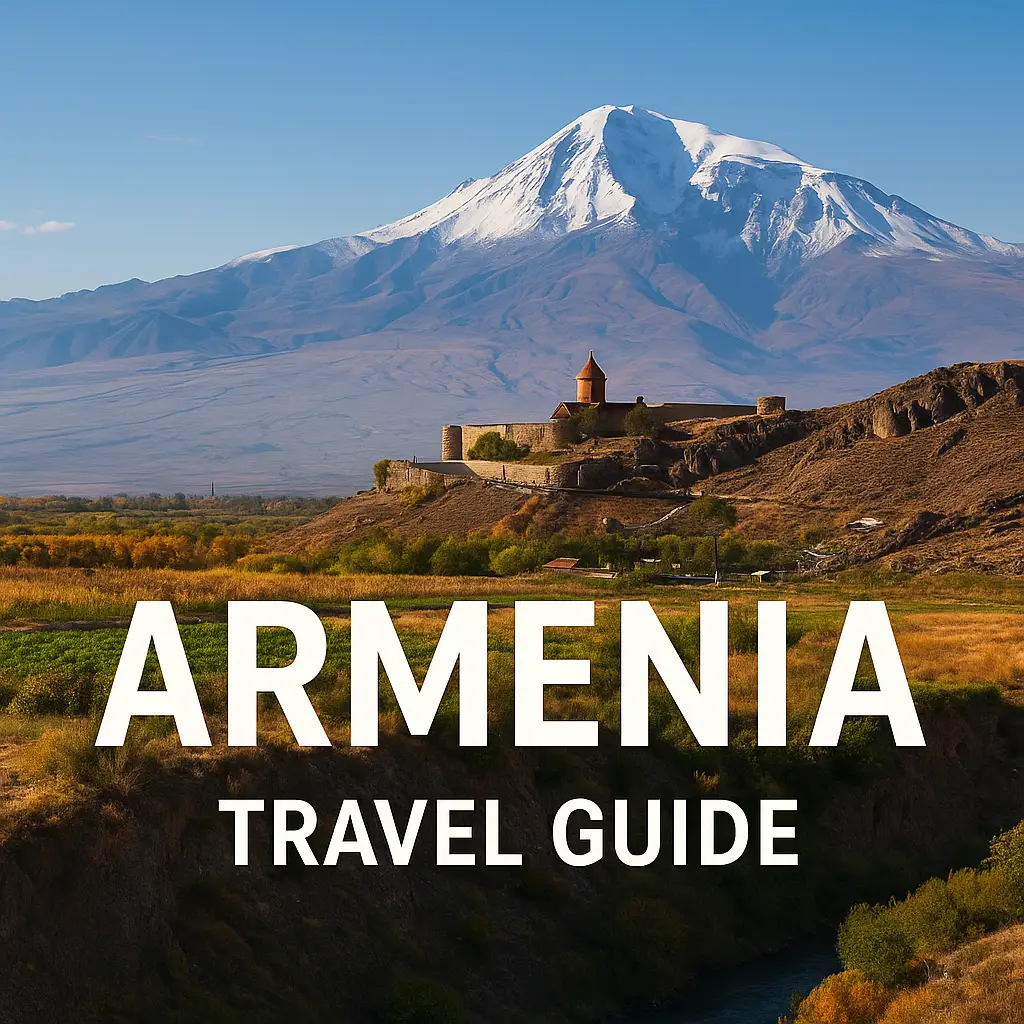
A deep, atmospheric journey through mountains, monasteries, ancient kingdoms, incredible hospitality, and one of the world’s oldest cultures
Armenia is a country shaped by mountains, faith, history, and remarkable resilience. It is a land where ancient monasteries cling to cliffs overlooking deep green gorges, where volcanic peaks rise above high plateaus, where stone khachkars stand as spiritual guardians of the past, and where warm, generous people welcome travelers like long-lost family. Armenia is small in size, yet enormous in spirit. Every valley holds a story, every church carries centuries of devotion, and every village preserves traditions that have survived empires, invasions, and the shifting tides of time.
Traveling through Armenia feels like stepping into a unique blend of old and new. Yerevan, the capital, is vibrant and modern with cafés, wide boulevards, museums, and fashionable nightlife. But just beyond the city, the landscape opens to a world of medieval monasteries, volcanic mountains, deep canyons, and highland lakes. Armenia is one of the oldest nations on Earth, the first country to adopt Christianity as a state religion, and one of the last places where ancient Indo-European culture remains deeply visible in daily life.
This guide explores Armenia in long, immersive detail — its history, culture, food, cities, mountains, and the soul of this extraordinary Caucasus nation.
1. Introduction — Armenia’s Timeless Identity
Armenia is often described as a bridge — between Asia and Europe, between ancient and modern, between tradition and transformation. It is an intensely cultural nation: poetic, musical, spiritual, and deeply connected to its land. Everything in Armenia feels rooted — even the people. Family bonds are strong. Meals stretch for hours. Traditions are honored. And hospitality is not a formality but a way of life.
What strikes many travelers first is the authenticity of the country. There is no artificial tourism façade. Villages still bake lavash in clay ovens. Shepherds still walk their flocks along mountain roads. Farmers still cultivate apricots, grapes, and pomegranates. Monks still live in mountain monasteries carved into rock.
Armenia’s beauty is both visual and emotional — a combination that makes it unforgettable.
2. Geography — A Land of Mountains, Plateaus & Valleys
Armenia is a mountainous country, landlocked and surrounded by Georgia, Azerbaijan, Turkey, and Iran. Nearly all of Armenia sits above 1,000 meters, creating dramatic landscapes that shift from volcanic plateaus to river-carved canyons to alpine meadows.
The Armenian Highlands
The country lies at the heart of the Armenian Highlands — a region of extinct volcanoes, deep gorges, mineral springs, and fertile valleys.
Mount Ararat
Although Ararat is now just across the border in Turkey, it remains the national symbol of Armenia, towering over Yerevan with its double peaks.
Lakes & Rivers
Lake Sevan is one of the largest high-altitude lakes in the world, known for its deep blue color and fresh mountain air. Rivers like the Debed, Arpa, and Hrazdan carve through canyons filled with monasteries and forests.
Climate
Armenia experiences four seasons:
– warm, dry summers
– snowy winters
– aromatic springs
– golden, cool autumns
The clear blue skies and crisp mountain air make travel pleasant most of the year.
3. History — One of the World’s Oldest Civilizations
Armenia’s history spans millennia. It was home to some of the earliest known Christian communities, ancient kingdoms, Silk Road settlements, and notable civilizations.
Early Civilizations
Archaeological sites like Metsamor and Shengavit reveal settlements more than 6,000 years old. Ancient tribes formed small kingdoms that later united as Urartu, one of the great Bronze Age empires.
Adoption of Christianity (301 AD)
Armenia became the first country on Earth to adopt Christianity as a state religion. This shaped the country’s identity, culture, and architecture forever.
Medieval Kingdoms
Castles and monasteries flourished in this era. The Bagratid Kingdom and Cilician Armenia left behind libraries, churches, fortresses, and art.
Foreign Rule
Persians, Byzantines, Arabs, Turks, Mongols, and Russians all ruled parts of Armenia over the centuries, but local culture remained strong.
20th Century & Independence
After the Soviet era ended in 1991, Armenia became independent again. Today, it balances ancient tradition with modern development.
Armenia’s history is visible everywhere — in its churches, its ruins, its museums, and even in its songs and stories.
4. Yerevan — A Modern Capital with an Ancient Heart
Yerevan is one of the oldest continuously inhabited cities in the world, founded in 782 BC. Yet today it feels modern, stylish, artistic, and full of youthful energy.
Republic Square
The city’s grand central plaza is surrounded by pink-tuff buildings that glow softly at sunset. In the evening, dancing fountains light up the square.
Cascade Complex
A giant limestone staircase filled with art, fountains, sculptures, and panoramic views of Yerevan and Mount Ararat.
Opera & North Avenue
A chic district of cafés, restaurants, fashion stores, and lively nightlife.
History Museum & Matenadaran
The Matenadaran houses ancient manuscripts, medieval medical books, illuminated gospels, and texts in dozens of languages.
Vernissage Market
An open-air market selling carpets, jewelry, art, traditional crafts, and Soviet-era relics.
Yerevan’s Vibe
Café culture is huge. Streets are filled with families, musicians, students, and artists. The city feels safe, welcoming, and full of life.
5. Etchmiadzin — The Spiritual Heart of Armenia
Etchmiadzin (Vagharshapat) is the Vatican of the Armenian Apostolic Church — the spiritual center of the world’s oldest Christian nation.
Etchmiadzin Cathedral
Believed to be one of the earliest Christian cathedrals on Earth, founded in the 4th century. It remains a breathtaking symbol of Armenian faith.
Treasures & Museums
Holy relics, ancient manuscripts, and religious artifacts fill the museum.
Nearby Churches
Saint Gayane, Saint Hripsime, and Zvartnots Cathedral are stunning examples of early Armenian architecture.
Etchmiadzin offers a deep sense of peace and spiritual history.
6. Lake Sevan — The Jewel of Armenia
Lake Sevan sits at 1,900 meters above sea level — a tranquil, sparkling blue lake surrounded by mountains.
Sevanavank Monastery
Perched on a peninsula, this monastery offers spectacular views over the lake. Set against blue water and windswept hills, it feels magical.
Villages & Beaches
Local villages serve fresh fish. Sevan’s beaches draw swimmers in summer, and the air is cool and refreshing.
Highland Landscape
Open skies, rolling hills, and clean water create a peaceful escape from city life.
7. Dilijan — Armenia’s “Little Switzerland”
Dilijan is a forested resort town known for its cool climate, lush national park, lakes, and traditional architecture.
Old Dilijan Quarter
Restored wooden houses, craft workshops, and charming cafés.
Haghartsin & Goshavank Monasteries
Hidden in green forests, these monasteries feel timeless and serene.
Hiking Trails
The Dilijan National Park offers lake hikes, mountain paths, and wildlife.
Dilijan blends culture and nature beautifully.
8. Tatev Monastery & the Wings of Tatev
Southern Armenia holds one of the country’s most iconic landmarks: Tatev Monastery.
Wings of Tatev Cable Car
The world’s longest reversible aerial tramway — gliding over deep canyons and forests.
Tatev Monastery
A clifftop 9th-century complex overlooking the Vorotan Gorge. The views are dramatic and inspiring.
Old Village Roads
The region is full of small villages, orchards, and artisan traditions.
9. The Noravank Canyon — Red Cliffs & Medieval Architecture
Noravank is one of Armenia’s most photographed places.
The Canyon
Tall red-orange limestone walls rise dramatically on either side of a narrow road.
Noravank Monastery
Famous for its two-story Surb Astvatsatsin Church, accessible via narrow stone steps. The blend of red cliffs and cream-colored stone makes it breathtaking.
10. The Debed Canyon — Armenia’s Wild North
The Debed River cuts through some of Armenia’s most picturesque areas.
Haghpat & Sanahin Monasteries
UNESCO World Heritage Sites representing medieval academic and religious centers.
Industrial Villages & Soviet Relics
Old factories, cable cars, and mining towns create a unique atmosphere where nature and history blend.
11. Gyumri — Art, Humor & Resilience
Gyumri, Armenia’s cultural capital, is known for its humor, creativity, and tragic earthquake history.
Kumayri District
Cobbled streets lined with 19th-century black-stone buildings.
Art Studios & Cafés
Gyumri has a young, creative community of painters, filmmakers, and writers.
Hospitality
Gyumri people are famous for their warmth and comedic spirit.
12. Armenian Culture — Deep, Symbolic & Proud
Armenian culture is ancient and expressive.
Faith & Identity
Christianity is central. Cross-stones (khachkars) represent both art and faith.
Music
Traditional duduk music is haunting and emotional — widely considered one of the world’s most soulful sounds.
Family
Families share meals, stories, and traditions passed down through generations.
Craftsmanship
Carpet weaving, wood carving, stone carving, metalwork, and embroidery are essential arts.
13. Armenian Cuisine — Fresh, Flavorful & Generous
Armenian food is simple, ancient, and incredibly tasty.
Lavash
Soft flatbread baked in clay ovens — part of UNESCO heritage.
Khorovats
Armenian barbecue, marinated and grilled over wood.
Dolma
Vegetables or grape leaves stuffed with herbs, rice, and meat.
Harissa
A comforting porridge made with chicken and wheat.
Apricots & Pomegranates
Symbols of Armenia — used in sauces, desserts, and juices.
Meals are often long, festive, and full of toasts.
14. Nature & Outdoor Experiences
Mount Aragats
Armenia’s highest peak — snow-capped, wide, and ideal for summer hiking.
Caves & Canyons
Areni-1 Cave holds the world’s oldest known shoe and winemaking evidence.
Alpine Meadows
In summer, wildflowers cover the highlands in vibrant colors.
Stargazing
Armenia’s high altitude and clear skies make it perfect for astronomy.
15. Why Armenia Belongs on Your Bucket List
✔ Ancient monasteries in dramatic landscapes
✔ Warm, welcoming people
✔ Vibrant capital with art & nightlife
✔ Incredible mountain scenery
✔ Legendary cuisine
✔ Deep history
✔ Authentic, untouched culture
✔ Safe, affordable, and peaceful
Armenia is a country that touches the heart — a place that feels sacred, emotional, and unforgettable.
 Related Articles
- Kakslauttanen Arctic Resort
- Top 10 Most Unique Places to Stay in Europe
- 10 Incredible Castles Around the World