
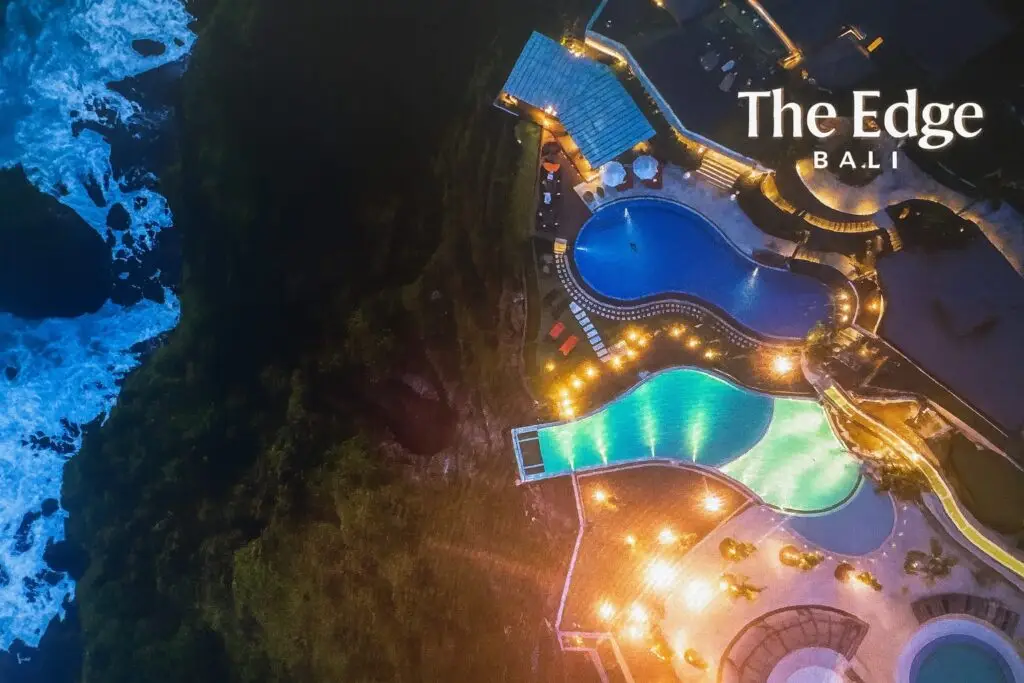
The Edge Bali – Indonesia: The Ultimate Cliffside Luxury Experience
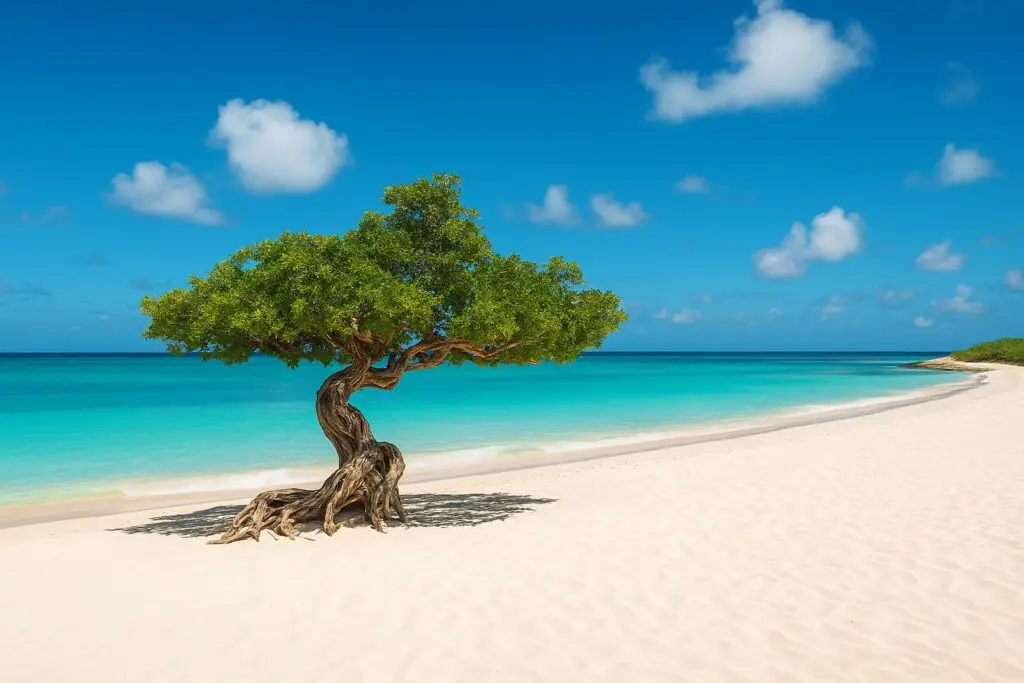
Top 10 Most Romantic Countries in the World for Couples
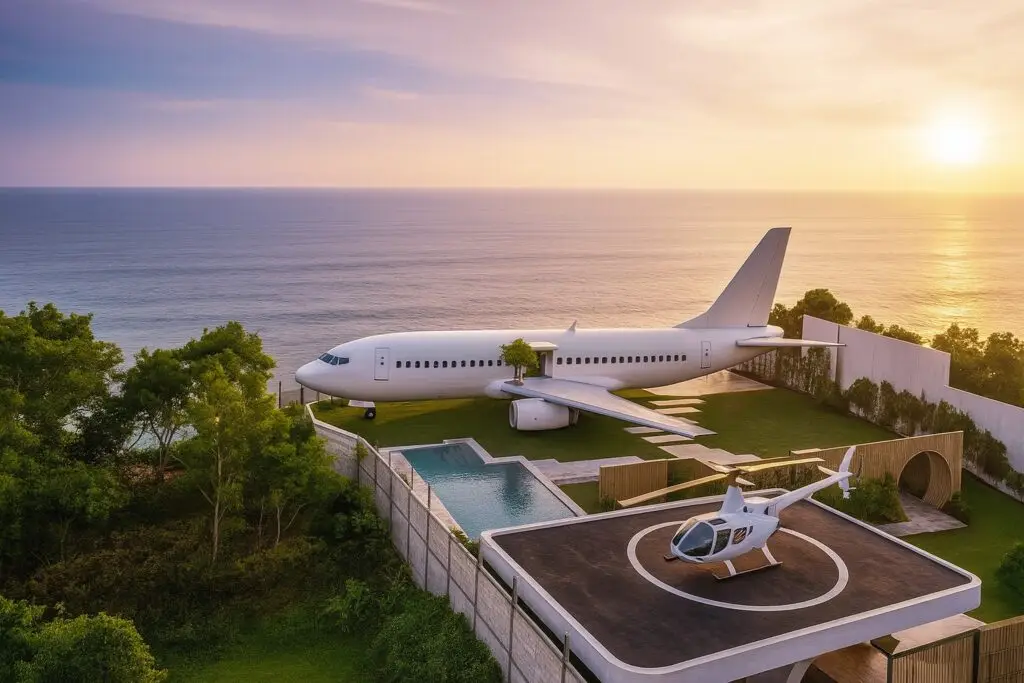
Stay Like a Star: Private Jet Villa in Uluwatu, Bali
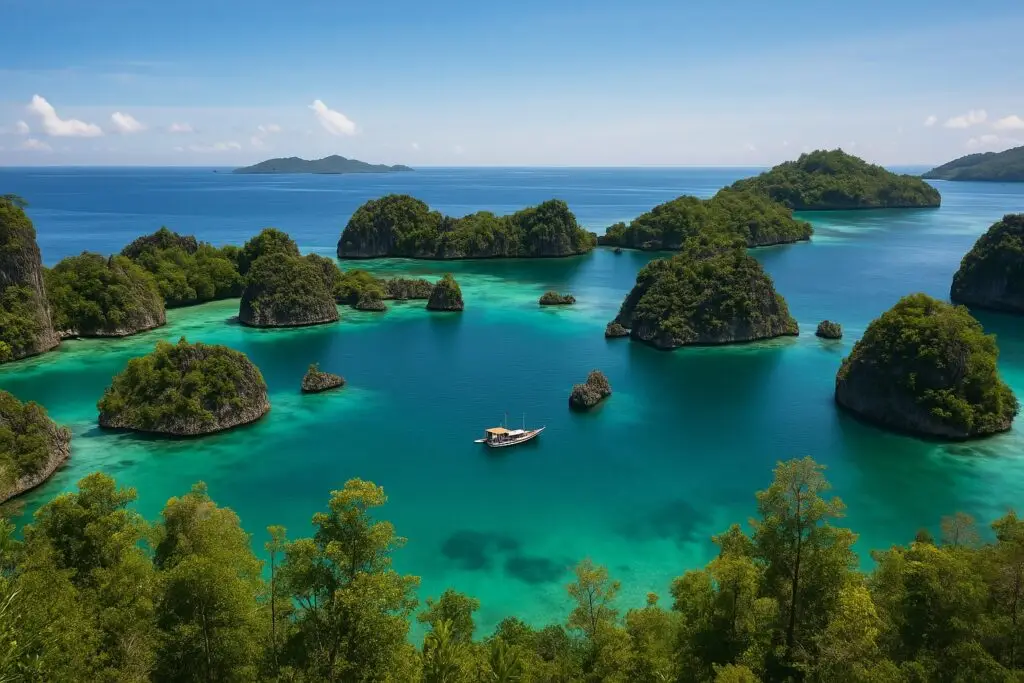
Discover Raja Ampat: Paradise of Indonesia
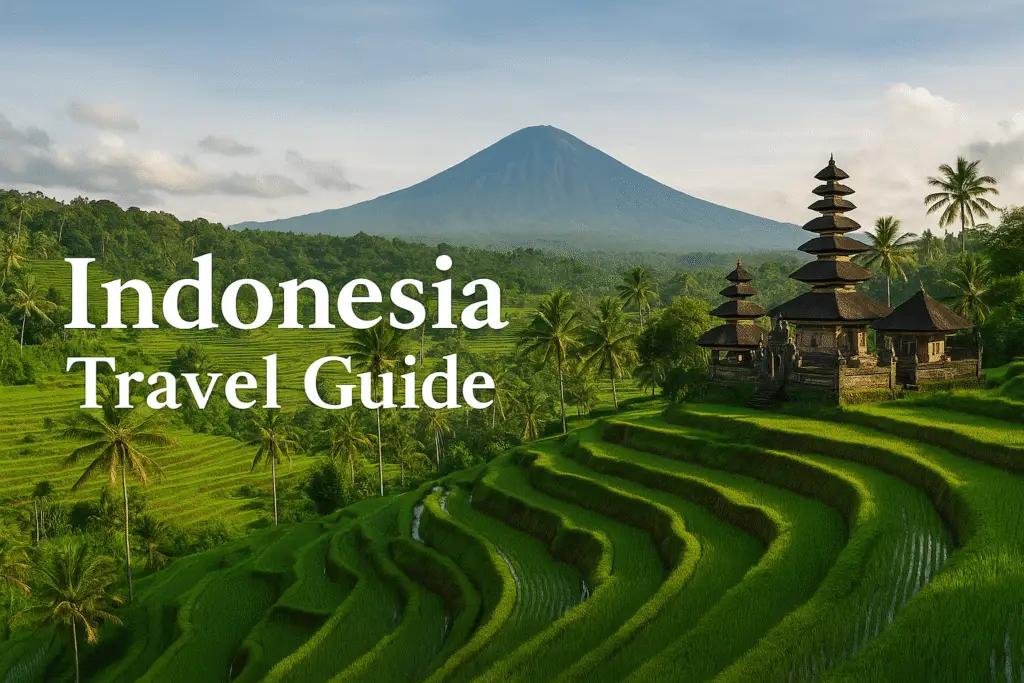
Indonesia Travel Guide
Indonesia is one of the most diverse, captivating, and breathtaking nations on Earth — an archipelago of more than 17,000 islands stretching across thousands of kilometers of the equator, home to ancient cultures, tropical forests, coral reefs, volcanoes, beaches, temples, and cities that pulse with life. It is a country where every island feels like a world of its own: Bali’s temple-lined shores and beach clubs contrast with Java’s smoking volcanoes and royal palaces, Sumatra’s rainforests echo with the calls of orangutans, Raja Ampat’s waters shimmer with the most biodiverse marine life on the planet, Flores offers dramatic landscapes shaped by fire and ocean, and Sulawesi reveals cultures, fjord-like bays, and reefs still untouched by time. Indonesia is not just a destination — it is a universe of experiences, emotions, and landscapes that blend into a journey filled with beauty, adventure, warmth, and discovery.
The country stretches so far and wide that the climate, culture, language, and scenery transform dramatically from one region to another. Indonesia is the world’s largest archipelago and the fourth-largest country by population, yet much of it remains raw, pristine, and unexplored. Jungles filled with rare species, villages where traditions go back centuries, volcanoes that glow in the night, rice terraces carved into mountainsides, turquoise lagoons, temples older than many European civilizations, and beaches with white, pink, or black volcanic sand create a mosaic of natural and cultural wonders few nations can match.
At the heart of Indonesia lies the island of Java, the political and cultural center of the nation. Java is home to more than half of Indonesia’s population and some of its most iconic landmarks. Jakarta, the sprawling capital, is chaotic, vast, and constantly in motion — a place where skyscrapers stand beside kampungs, street food markets fill the air with spices, and modern Indonesia merges with old traditions. Yogyakarta, on the other hand, is the cultural soul of Java, a city where batik makers work in tiny street workshops, royal palaces maintain centuries-old rituals, and artists shape the future of Javanese culture. Just beyond Yogyakarta lies Borobudur, the largest Buddhist temple on Earth, a monumental stone structure built in the 9th century and decorated with thousands of carved panels and statues. At sunrise, when mist wraps the jungle and golden light touches the ancient stupas, Borobudur feels sacred, timeless, and profoundly moving.
Not far away stands Prambanan, the largest Hindu temple complex in Indonesia, a masterpiece of towering spires dedicated to gods Shiva, Vishnu, and Brahma. Its silhouettes cut into the sky with dramatic precision, especially at sunset when the stone glows amber and music from traditional Javanese performances drifts across the plains. Java’s interior is shaped by volcanic fire: Mount Bromo rises from a sea of sand, its perfect cone surrounded by calderas and ash plains; Mount Ijen contains an acidic turquoise crater lake and rare blue flames that burn at night; and Mount Merapi, one of the most active volcanoes in the world, looms over villages and rice paddies like a fierce guardian. These landscapes are intense, raw, and unforgettable.
Moving east, the island of Bali is Indonesia’s most famous destination — a place where spirituality, nature, art, hospitality, and modern tourism coexist in an atmosphere that feels both peaceful and energetic. Bali is often misunderstood as only a beach destination, but its true beauty lies in its complexity. Inland, Ubud is the cultural heart of the island, known for rice terraces, jungle valleys, waterfalls, healing retreats, temples, and traditions that blend Hinduism with local beliefs. Balinese ceremonies fill the air with incense, chanting, and rhythm. Villages prepare daily offerings, sacred dances tell ancient stories, and gamelan music accompanies life from birth to death.
The landscapes of Bali are diverse: the Tegallalang and Jatiluwih rice terraces form emerald staircases carved by generations; the waterfalls of Munduk and Sekumpul cascade through dense forests; the volcanic slopes of Mount Batur and Mount Agung rise high above the clouds; and the beaches vary from soft white sands in Nusa Dua to black volcanic brilliance in Amed and Lovina. Southern Bali offers lively beach clubs, surfing waves, luxury resorts, and dramatic cliffs overlooking turquoise water in Uluwatu, where the temple sits on a cliff edge like a spiritual guardian watching the ocean. The island’s spiritual and natural energy create an atmosphere that draws millions each year — not just for beauty but for connection, healing, and inspiration.
Beyond Bali lie the Nusa Islands — Nusa Penida, Nusa Lembongan, and Nusa Ceningan — each revealing rugged cliffs, crystal-clear coves, manta rays, sea arches, and beaches that feel almost unreal. Kelingking Beach, with its iconic T-Rex-shaped cliff, is one of the most photographed destinations in all of Indonesia. Meanwhile, the underwater world around Nusa Penida holds manta ray cleaning stations, coral gardens, and marine biodiversity that makes it a paradise for divers and snorkelers.
Further east lies Lombok, a quieter and more raw alternative to Bali. Lombok is home to remote beaches, the powerful Mount Rinjani volcano, weaving villages, and coastal roads that wind through some of the most dramatic scenery in the country. The nearby Gili Islands — Gili Trawangan, Gili Air, and Gili Meno — offer a mix of relaxation, nightlife, bicycle-only streets, snorkelling with sea turtles, coral reefs, and sunrises that illuminate the peaks of Bali’s mountains across the sea. Each Gili island has its own personality: Gili Trawangan for social travellers, Gili Air for laid-back explorers, and Gili Meno for couples seeking peace.
But Indonesia’s grandeur continues far beyond these popular islands. To the east lies Flores, one of the country’s most enchanting regions — an island of volcanic mountains, traditional hill villages, mystical lakes, and reefs. The Komodo National Park, located between Flores and Sumbawa, is world-famous for its Komodo dragons, the largest lizards on Earth. These ancient creatures wander through savannas and forests like living dinosaurs. The islands of Komodo, Rinca, and Padar offer hills with sweeping panoramas, pink beaches, coral reefs alive with fish and sharks, and sunsets that paint the sky in red and gold. Sailing through Komodo is one of Indonesia’s most magical experiences — calm seas, dramatic islands rising from the water, and unforgettable wildlife encounters.
Flores itself has landscapes shaped by fire and time. Kelimutu volcano holds three crater lakes that change colour depending on chemical reactions — sometimes turquoise, sometimes red, sometimes black. Villages such as Wae Rebo sit high in the mountains with traditional cone-shaped houses that preserve ancient culture. The drive across Flores is dramatic, winding through jungle passes, coastal cliffs, rice terraces, and mountain ridges in a journey that feels like an adventure movie.
North of Flores lies Sulawesi, one of the most geographically unusual islands in the world, shaped like an octopus with arms of mountains stretching into deep bays. Sulawesi’s cultures are equally fascinating: the Toraja people of South Sulawesi maintain elaborate funeral rituals, cliff-side tombs, and boat-shaped houses known as tongkonan. The landscapes around Tana Toraja include terraced rice fields, tropical valleys, and stone formations. In the north, the Bunaken National Marine Park holds coral walls with some of the richest biodiversity in the world. Divers come here to drift along underwater cliffs filled with turtles, reef sharks, giant schools of fish, and gardens of colourful soft corals.
To the west sits Sumatra, one of the world’s largest islands and home to rainforest ecosystems that are among the oldest on Earth. Sumatra is one of few places where travellers can encounter wild orangutans in their natural habitat. In Bukit Lawang, the rainforest is alive with hornbills, monkeys, and the occasional orangutan swinging through the canopy. Further south, Lake Toba — the largest volcanic lake in the world — is a peaceful, cool retreat with Batak culture, steep cliffs, and views that stretch for miles. Sumatra’s landscapes include volcanic peaks, tea plantations, waterfalls, beaches, and forests inhabited by tigers, elephants, and rare rhinos.
Moving east, Borneo (Kalimantan) holds one of the world’s richest rainforests. The rivers of Tanjung Puting National Park provide boat journeys deep into jungles where orangutans, proboscis monkeys, gibbons, crocodiles, and countless bird species thrive. Staying on a traditional klotok boat, drifting through thick forests filled with wildlife sounds, is one of Indonesia’s most magical experiences.
In the far east of the country lies Papua, a region of incredible cultural and natural diversity. Its landscapes include dense rainforests, snow-capped mountains, untouched rivers, and villages where traditions remain strong. But the highlight of Papua for many travelers is Raja Ampat — a marine paradise considered by many scientists to be the most biodiverse ecosystem on Earth. Raja Ampat’s islands rise from turquoise water like limestone sculptures, covered in jungle and surrounded by reefs filled with fish, manta rays, turtles, sharks, and microscopic life more diverse than anywhere else on the planet. Diving or snorkeling here feels like entering another universe — vibrant, colourful, and alive.
Indonesia’s cultural diversity is enormous. Over 300 ethnic groups call the archipelago home, each with unique traditions, languages, music, food, and festivals. Batik, a traditional textile art, varies across regions with intricate patterns and methods. Dance performances tell epic Hindu stories in Bali, while Gamelan orchestras create hypnotic rhythms across Java. Toraja ceremonies reflect deep ancestral reverence, while Sasak communities on Lombok maintain weaving and pottery traditions. The influences of Hinduism, Buddhism, Islam, Christianity, and local animist beliefs create a spiritual complexity woven into daily life.
Indonesian cuisine is a flavourful tapestry shaped by geography, history, and cultural blending. Spices such as cloves, nutmeg, turmeric, ginger, tamarind, and chilli define many dishes. Rendang from Sumatra is a slow-cooked beef rich with coconut and spices, considered one of the world’s most delicious foods. Bali offers babi guling (suckling pig), lawar, and satay. Java features gudeg, soto, bakso, tempeh, and spicy sambal served with nearly every meal. On the coast, seafood dishes burst with freshness, from grilled fish to squid and shrimp cooked with garlic and lime. Street food culture thrives everywhere — skewers sizzling, noodles steaming, sweet pancakes frying, and fruit juices blending tropical fruits like mango, passionfruit, papaya, and banana.
Indonesia is warm, welcoming, and deeply hospitable. Locals greet travelers with smiles, curiosity, and kindness. The concept of gotong royong — communal cooperation — shapes the social fabric, and visitors often feel included in a sense of community wherever they go.
With its sheer variety, Indonesia is a destination that can take a lifetime to explore, yet even a short trip leaves travelers enchanted. Whether you seek volcanic adventures, jungle wildlife, coral reefs, temple landscapes, spiritual retreats, vibrant cities, or islands where time seems to slow down, Indonesia offers more than you could ever imagine. It is a land of energy, harmony, mystery, and beauty — a place that stays in your heart long after you leave.