
Koptekst

Top 15 Winter BucketList Experiences You Must Try Before You Die

Top 10 Most Romantic Countries in the World for Couples
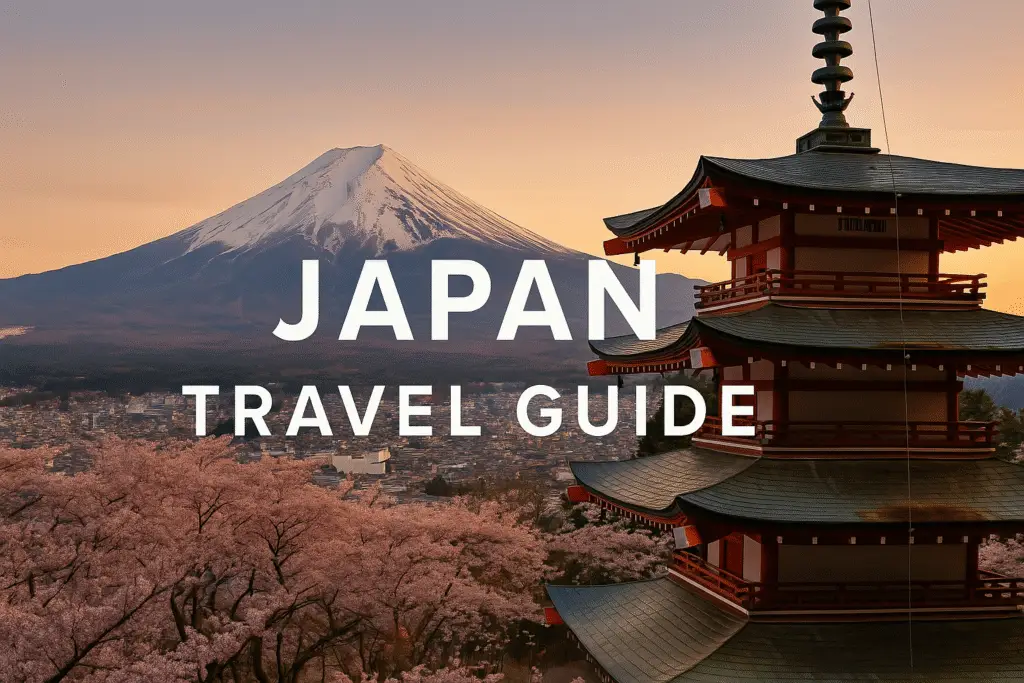
Japan Travel Guide
Japan is one of the most captivating, culturally rich, and visually stunning countries in the world — a place where ancient traditions blend seamlessly with futuristic innovation, where neon-lit megacities rise beside tranquil temples, where cherry blossoms drift across quiet rivers while bullet trains glide at 300 kilometers per hour, and where volcanic mountains tower above dense forests, rice terraces, and coastal villages shaped by centuries of history. Japan is a nation that defies expectations. It is both old and new, soft and sharp, minimalist and extravagant, peaceful and electrifying. For many travelers, Japan is not just a country but an emotional experience — an immersion into a world that feels precise, poetic, and deeply meaningful.
Stretching from the icy wilderness of Hokkaido to the tropical islands of Okinawa, Japan contains immense geographical and cultural diversity. Although often associated with Tokyo’s skyline or Kyoto’s golden temples, the country offers far more: national parks filled with volcanic landscapes, hot-spring towns steaming in mountain valleys, bamboo forests whispering with wind, coastal roads overlooking emerald seas, remote islands with coral reefs, and regions where ancient festivals, tea ceremonies, and samurai traditions remain alive. Japan is a land of contrasts, but those contrasts blend into a harmonious whole — a place where every detail, every gesture, every landscape feels intentionally crafted.
At the heart of Japan is Tokyo, one of the greatest cities on Earth. Tokyo is a universe unto itself — a megacity of more than 37 million people that somehow feels orderly, safe, clean, and incredibly efficient. Skyscrapers shimmer with LED reflections in districts like Shinjuku and Shibuya, where giant video screens and streams of pedestrians fill intersections with energy. Yet only minutes away, quiet backstreets filled with wooden houses, shrines, lantern-lit alleys, and tiny restaurants create intimate pockets of neighborhood warmth. Tokyo is not chaotic despite its size — it is alive, layered, complex, and endlessly surprising.
Each district has its own personality. Shinjuku is the city’s beating heart of nightlife, entertainment, and neon. Shibuya represents youth culture, fashion, cafés, and the world-famous Shibuya Crossing, where thousands move in synchronized motion beneath glowing billboards. Asakusa holds the timeless charm of Senso-ji temple, Tokyo’s oldest spiritual landmark, where incense drifts through red gates and visitors browse traditional shops selling sweets, crafts, and souvenirs. Ginza serves as Tokyo’s luxury quarter — a place of haute couture, art galleries, and refined architecture. Akihabara is the mecca for electronics, anime, gaming, and otaku culture, while Odaiba offers futuristic attractions, waterfront views, and architectural wonders shaped by Japan’s ambition to innovate.
Despite its modern identity, Tokyo preserves traditions deeply. Hidden shrines appear beside office towers, tea houses sit quietly behind modern buildings, and festivals bring centuries-old rituals into the streets with music, lanterns, and ceremonial floats. Cherry blossom season transforms parks such as Ueno, Yoyogi, and the Imperial Palace grounds into pink dreamscapes where families gather beneath trees in celebrations called hanami. In autumn, red and golden leaves burn across gardens and city temples, offering an entirely different but equally magical atmosphere.
Beyond Tokyo lies Kyoto, the cultural soul of Japan — a city of wooden temples, tea houses, geisha districts, Zen gardens, bamboo groves, and historical streets that seem untouched by time. Kyoto once served as Japan’s imperial capital for more than 1,000 years, and today it remains a living museum of traditional Japanese culture. The temples are extraordinary: Kinkaku-ji (the Golden Pavilion), shimmering with gold leaf beside a reflecting pond; Fushimi Inari Taisha, known for its endless tunnel of vermilion torii gates climbing into forested hills; Kiyomizu-dera, perched high above the city with sweeping views and wooden stages that extend dramatically from the hillside; and Ryoan-ji, home to one of the most famous Zen rock gardens in the world.
Kyoto’s Gion district is the heart of geisha culture — a place of narrow stone alleys, wooden tea houses, lantern-lit streets, and traditional arts. In the evenings, the sound of geta sandals echoes softly as geiko and maiko hurry to appointments. Meanwhile, the Arashiyama district reveals tranquil river scenery, mountaintop viewpoints, and the iconic Bamboo Forest, where towering green stalks sway in rhythms of light and shadow. Kyoto feels spiritual, atmospheric, and deeply reflective — a destination that encourages slow exploration.
Just beside Kyoto lies Nara, home to the Todaiji temple and its massive Great Buddha statue, one of the largest bronze Buddha figures in the world. Nara Park, filled with freely roaming deer, creates a scene that blends nature, culture, and history in seamless harmony. These animals are considered sacred messengers in Shinto belief and often bow to visitors in hopes of receiving rice crackers.
While Tokyo and Kyoto represent Japan’s extremes of modernity and tradition, the country’s richness extends far beyond its two iconic cities. Osaka, known for its street food, nightlife, and friendly atmosphere, is a city full of flavour and personality. The neon lights of Dotonbori reflect in canal waters while vendors prepare takoyaki (octopus balls), okonomiyaki (savory pancakes), yakitori, and kushikatsu. Osaka Castle rises elegantly from a large park, blending historical depth with city views. Universal Studios Japan brings blockbuster entertainment, and the city’s warm hospitality has earned it the nickname “Japan’s Kitchen.”
To the south of Osaka, Hiroshima offers solemn remembrance and inspiring hope. The Peace Memorial Park, Atomic Bomb Dome, and museum tell powerful stories about resilience and peace. A short ferry ride away lies Miyajima Island, home to the floating torii gate of Itsukushima Shrine — one of Japan’s most iconic images. During high tide, the gate appears to float on water; during low tide, visitors can walk directly beneath it. The island combines sacred atmosphere, forests, temples, and Mount Misen, where panoramic views reward hikers with sweeping island-and-ocean vistas.
Travelers seeking raw nature and wilderness find paradise in Hokkaido, Japan’s northern frontier. Hokkaido’s landscapes are dramatically different from the rest of the country — rugged mountains, caldera lakes, volcanic valleys, alpine meadows, and fields of lavender create an atmosphere of pure, expansive beauty. The national parks — such as Daisetsuzan, Shiretoko, and Akan Mashu — offer wildlife including brown bears, red-crowned cranes, foxes, and deer. The island’s cold winters bring world-class powder snow, attracting skiers to resorts like Niseko, Furano, and Rusutsu. In summer, cool breezes, wildflowers, and wide roads encourage road trips across endless countryside. Hokkaido feels clean, spacious, fresh, and untouched.
South of Hokkaido lies Tohoku, one of Japan’s most underrated regions — a land of hot springs, rice paddies, mountain shrines, and coastal towns shaped by resilience. The area’s natural beauty includes the shimmering lakes of Towada, the dramatic cliffs of Sanriku, and the sacred pilgrimage trails of Dewa Sanzan. Tohoku’s winters are harsh, but its festivals are vibrant, especially the Nebuta Festival in Aomori, which features enormous illuminated floats that parade through the night.
Further south, Hakone and Mount Fuji represent some of Japan’s most recognizable landscapes. The Fuji Five Lakes region offers calm reflections of Japan’s sacred peak, traditional ryokan inns, steaming hot springs, and scenic viewpoints. Mount Fuji itself is an active volcano and a national symbol embodying harmony, balance, and beauty. Climbing Fuji during summer is a spiritual experience shared by thousands each year, while enjoying its shape from afar is equally powerful.
Japan’s coastal regions reveal an entirely different side of the country. The Izu Peninsula offers pristine beaches, dramatic cliffs, onsen towns like Atami and Ito, and winding coastal roads. The Noto Peninsula combines fishing villages, terraced rice fields, rugged capes, and cultural heritage that feels unchanged for centuries. The Seto Inland Sea holds hundreds of peaceful islands, including Naoshima, famous for its contemporary art museums and sculpture installations.
In the far southwest, Kyushu blends volcanic landscapes with ancient history. Mount Aso’s enormous caldera, Beppu’s geothermal hot springs, Kagoshima’s views of the Sakurajima volcano, and Nagasaki’s unique blend of European and Japanese heritage create a region full of texture and warmth. Kyushu is also home to some of Japan’s most delicious food, including tonkotsu ramen.
And then there is Okinawa, Japan’s tropical paradise — a chain of islands surrounded by coral reefs, emerald seas, and beaches that rival the beauty of Hawaii or the Maldives. Okinawa has its own culture, language, architecture, and cuisine shaped by its history as the Ryukyu Kingdom. The islands offer peaceful beaches, warm ocean breezes, traditional dance, slow-paced life, and some of the best diving in the Pacific. The Yaeyama and Miyako Islands, located even farther south, provide secluded lagoons, manta ray cleaning stations, and pristine reefs perfect for snorkeling or diving.
Japan’s cultural heritage is rich, detailed, and deeply philosophical. Shinto and Buddhist traditions shape daily life, from rituals at shrines to seasonal festivals celebrating nature, harvests, ancestors, and transitions. Tea ceremonies express harmony, respect, purity, and mindfulness. Ikebana, the art of flower arrangement, captures beauty through simplicity and space. Calligraphy, pottery, lacquerware, kimono weaving, and samurai history reveal centuries of mastery and craftsmanship.
Cuisine is another pillar of Japanese identity. Sushi, sashimi, tempura, ramen, soba, udon, wagyu beef, katsu, miso soup, mochi, matcha desserts, yakitori, and countless regional dishes form one of the world’s most refined and diverse culinary cultures. Meals emphasize freshness, seasonality, subtlety, and balance. Japan’s food markets — from Tsukiji Outer Market in Tokyo to Nishiki Market in Kyoto — showcase incredible flavour diversity. Convenience stores (konbini) offer surprisingly high-quality snacks, meals, and drinks that amaze travelers with their variety and taste.
Japanese hospitality, known as omotenashi, is rooted in care, attention to detail, and dedication to service. Visitors often comment on how safe and orderly Japan feels, how respectful interactions are, and how seamlessly daily life flows — from trains arriving on time to shopkeepers bowing with genuine politeness.
Japan is also a world of transport excellence. The shinkansen (bullet train) connects regions with astonishing speed and comfort. Local trains, subways, ferries, and buses create a transportation network that rivals any in the world, making travel easy, efficient, and stress-free.
What makes Japan unforgettable is the deep emotional resonance it creates. The quietness of a temple at dawn, the glow of lanterns on an evening street, the taste of freshly prepared ramen after a cold winter day, the sight of cherry blossoms drifting in the wind, the thunderous energy of summer festivals, the serene beauty of traditional gardens, and the breathtaking combination of modern engineering and timeless aesthetics — all of these moments weave together into a travel experience that feels almost otherworldly.
Japan is more than a destination. It is a journey through elegance, history, innovation, nature, culture, and human warmth. Whether you dream of exploring neon districts, climbing volcanoes, tasting extraordinary food, soaking in hot springs, walking through bamboo forests, or wandering ancient shrines, Japan offers a depth of experience few countries can match. It is a place that inspires, surprises, comforts, and transforms — a country that stays in your heart long after you leave, calling you back with every memory.