
🇱🇧 Lebanon Travel Guide — A Journey Through Ancient Civilizations, Mediterranean Beauty, Mountain Villages & the Unbreakable Lebanese Spirit
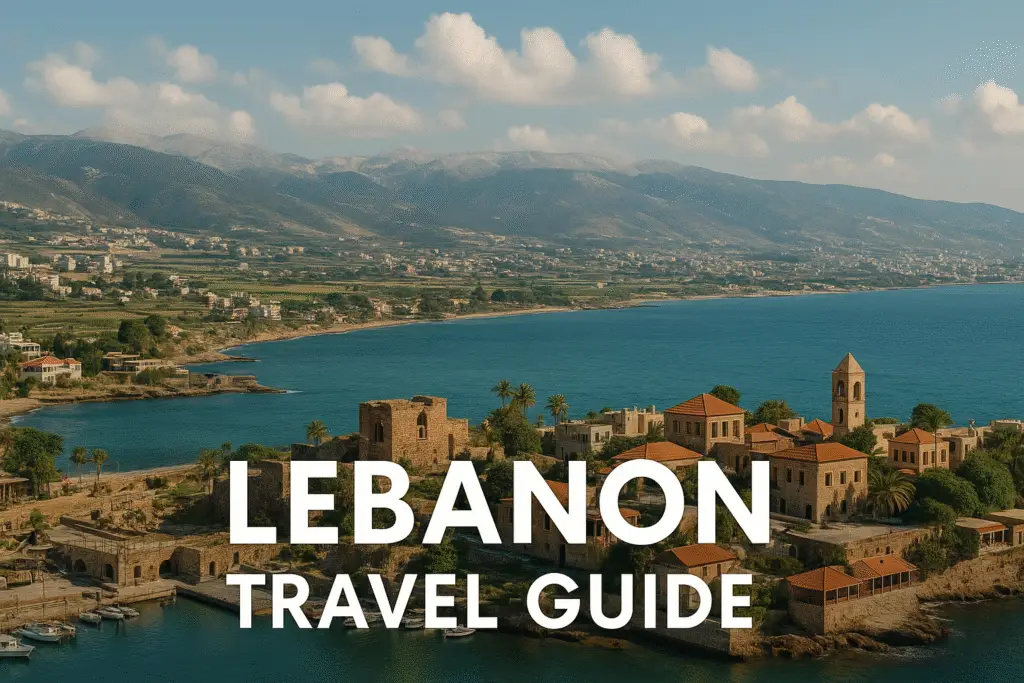
Lebanon is one of the most captivating, complex, and culturally rich countries in the world — a land where Mediterranean beaches sit beneath snow-covered mountain peaks, where ancient Roman temples rise above terraced valleys, where medieval souks fill the air with spice and color, and where a resilient people preserve identity through food, music, language, and deep-rooted traditions. Despite its small size, Lebanon contains an entire world of history, landscapes, and stories, shaped by thousands of years of civilizations, trade, conflict, creativity, and cultural exchange. It is a nation that has endured challenges yet continues to express life with passion, pride, and hospitality.
To travel through Lebanon is to experience a journey through time. Phoenician ports that once launched ships across the Mediterranean remain part of modern cities. Roman ruins stand tall and majestic in quiet valleys. Crusader castles overlook azure coastlines. Ottoman architecture adorns villages perched on mountainsides. French colonial boulevards frame the rhythm of Beirut’s restless energy. Every region, every town, every hill hides another chapter of human history.
But Lebanon is more than its heritage. It is a place of contrasts that feel poetic: religious diversity where mosques and churches sit side by side; glamorous nightlife set against ancient archaeological sites; fresh mountain air only minutes from warm sea breezes; vineyards producing world-class wines on land once tended by Phoenicians; forests of ancient cedars standing proudly as symbols of resilience and identity.
Lebanon is emotion — intense, layered, expressive. It is the aroma of za’atar and olive oil in the morning, the sound of the call to prayer blending with church bells, the taste of shared mezze around a crowded table, the sight of golden sunsets over the sea, and the feeling of being welcomed instantly into the warmth of a Lebanese family. Hospitality here is not an act — it is part of the national soul.
This guide introduces you to Lebanon in its full depth: its landscapes, cities, culture, history, cuisine, and its spirit — a combination that makes it one of the most unforgettable destinations on Earth.
A Geography of Mountains, Sea & Sacred Forests
Lebanon’s geography is dramatic and immensely diverse. Despite being just over 200 kilometers in length, the country contains coastal plains, fertile valleys, cedar forests, deep gorges, towering mountains, and snowy winter landscapes.
The Mediterranean Sea forms Lebanon’s western border, offering beaches, rocky coves, lively coastal cities, and mild weather. The coastal strip is narrow, often just a few kilometers wide before rising sharply into mountain ranges.
The Mount Lebanon range dominates the center of the country. These peaks reach heights of over 3,000 meters, and in winter they transform into snow-covered wonderlands ideal for skiing. Villages cling to cliffsides, and terraces carved into rock have supported agriculture for centuries. The mountains are home to the ancient cedars — trees so iconic they appear on the national flag. These forests, though now protected and reduced in number, hold immense historical and spiritual significance. Walking among these ancient giants feels like stepping into legend.
To the east lies the Bekaa Valley — a fertile agricultural region framed by the Mount Lebanon and Anti-Lebanon ranges. Its vineyards, farmlands, and towns form the heart of Lebanon’s wine industry. For thousands of years, this valley has served as a trade corridor between the Mediterranean world and inland Syria.
Further east still, toward the border with Syria, the Anti-Lebanon mountains rise in a rugged chain, holding remote villages and cold winters.
This diversity allows travelers to swim in the sea, explore cedar forests, wander through vineyards, and ski in the mountains — all in the same day. Lebanon’s landscapes are compact yet astonishing.
A History Stretching Back Thousands of Years
Lebanon’s history reads like a timeline of civilization itself. The Phoenicians — ancient seafarers and traders — built powerful city-states along the coast, including Tyre, Sidon, and Byblos. These cities spread alphabetic writing, navigational techniques, and commerce across the Mediterranean.
The Romans left monumental temples and cities, most famously Baalbek in the Bekaa Valley — one of the largest and most impressive Roman temple complexes anywhere in the world.
The Byzantine Empire, Arab caliphates, Crusaders, and Ottomans each left their mark through architecture, religion, administration, and art.
In the twentieth century, French rule shaped Lebanon’s modern political identity, introducing French language, education, and urban design. Beirut became known as the “Paris of the Middle East,” famous for its universities, nightlife, cafés, publishing houses, and cultural sophistication.
Lebanon’s past is layered, deep, and visible everywhere. Ancient ruins stand beside modern apartment buildings. Historic souks operate next to designer boutiques. Archaeological sites lie beneath cities still evolving and rebuilding.
Beirut — A City of Energy, Memory & Creativity
Beirut is unlike any other city. It is emotional, vibrant, chaotic, artistic, wounded, proud, and resilient. The city has endured wars, crises, and rebuilding cycles, yet its spirit never breaks. Beirut’s culture thrives on contradiction — old meets new, East meets West, tradition meets innovation.
The Corniche, Beirut’s seaside promenade, stretches along the Mediterranean, where locals jog, smoke shisha, fish, and gather at sunset. Historic neighborhoods like Gemmayze and Mar Mikhael blend Ottoman houses with modern cafés, galleries, and bars. Hamra is intellectual and lively. Downtown Beirut, rebuilt after the civil war, holds Roman ruins beneath glossy streets.
Beirut’s architecture reflects centuries of change: French Mandate buildings with arched windows, Ottoman mansions with red rooftops, modern skyscrapers overlooking the sea, and restored cultural centers where artists experiment with film, music, and contemporary art.
Food, nightlife, and creativity define the city. Despite difficulties, Beirut remains one of the Middle East’s cultural capitals — a place where expression is a form of survival.
Byblos — One of the Oldest Cities in the World
Byblos is a jewel of the Lebanese coast — a city where history feels alive. Often cited as one of the world’s oldest continuously inhabited cities, Byblos contains layers from the Bronze Age to the Roman, Byzantine, Crusader, and Ottoman periods.
The old port, once a Phoenician trading hub, still welcomes boats beneath warm Mediterranean light. The Crusader Castle overlooks the archaeological zone, where ancient temples, burial chambers, and Roman remains lie side by side. The souk offers handmade crafts, jewelry, and cafés shaded by stone archways.
Byblos is peaceful, atmospheric, and filled with character — a perfect blend of beach, culture, and ancient history.
Baalbek — The Grand Temples of the Bekaa Valley
Baalbek is one of the Middle East’s greatest archaeological treasures. The Temple of Jupiter, with its towering columns, is one of the largest Roman religious structures ever built. The Temple of Bacchus is extraordinarily well preserved, with intricate carvings that still inspire awe.
Walking through Baalbek feels like traveling back two thousand years. The scale, artistry, and engineering of these temples rival those of Rome itself. The Bekaa Valley surrounding the site is serene and agricultural, creating a beautiful contrast between ancient grandeur and rural simplicity.
Sidon, Tyre & The Southern Coast
Southern Lebanon holds two ancient Phoenician cities: Sidon (Saida) and Tyre (Sour). Each played a major role in Mediterranean trade, shipbuilding, and cultural exchange.
Sidon’s old souk remains lively and traditional, filled with spice shops, bakeries, and artisans. The Sea Castle, built by Crusaders on a small island, stands proudly against the waves.
Tyre offers sandy beaches, clear waters, and outstanding archaeological remains. Roman hippodromes, mosaics, roads, and burial grounds tell the story of a prosperous ancient city known for purple dye and maritime power.
The atmosphere in the south is warm, relaxed, and deeply connected to the sea.
The Mountains — Villages, Snow, & Cedar Forests
Lebanon’s mountain villages are some of the most beautiful in the Middle East. Stone houses, terraced fields, pine forests, and dramatic cliffs define the landscape.
The Qadisha Valley is a UNESCO World Heritage site, filled with monasteries carved into rock cliffs. It is a place of deep spirituality, silence, and breathtaking beauty.
Nearby lies the Cedars of God — a sacred grove of some of the oldest cedar trees in Lebanon. Visiting the cedars feels like entering a living cathedral of nature, where trees thousands of years old whisper stories of ancient kingdoms.
Mountain towns like Bsharri, Ehden, and Hasroun blend tradition with stunning views. In winter, ski resorts such as Mzaar Kfardebian bring snow sports to the region.
Farther south, the Chouf Mountains hold another large cedar reserve, along with villages that preserve traditional architecture and Druze heritage.
Lebanon’s mountains are peaceful, cool, and deeply atmospheric.
The Bekaa Valley — Vineyards & Rural Beauty
The Bekaa Valley is Lebanon’s agricultural heart. It produces fruit, vegetables, grains, and some of the Middle East’s finest wines. The tradition of winemaking here dates back to Phoenician times, and modern vineyards carry that heritage proudly.
Wine chateaus offer tastings in serene landscapes framed by mountains. Small villages preserve rural life. Streams flow through orchards. The air is fresh and dry.
The Bekaa also reveals Lebanon’s multi-layered religions and communities, with Christian, Muslim, and Druze villages coexisting across the valley.
Tripoli — Medieval Souks & Authentic Culture
Tripoli, Lebanon’s northern city, offers some of the best-preserved medieval Mamluk architecture in the world. Its souks are lively, colorful, and full of traditions. Soap factories, sweet shops, tailors, gold merchants, and spice vendors fill narrow alleys with scents and textures.
The Citadel of Raymond de Saint-Gilles overlooks the city. Ottoman-era mansions display stunning craftsmanship. Tripoli feels authentic, vibrant, and full of character — a city where history and daily life blend naturally.
Cuisine — A Celebration of Flavor, Freshness & Hospitality
Lebanese cuisine is one of the world’s most beloved food traditions. It is fresh, colorful, aromatic, and meant to be shared. Meals begin with mezze — small dishes that fill the table with flavors: hummus, baba ghanoush, fattoush, tabbouleh, kibbeh, stuffed grape leaves, spiced potatoes, labneh, and grilled halloumi.
Bread is essential, used to scoop dips and accompany grilled meats like shish taouk and kafta. Seafood along the coast is fresh and delicious. Sweets like knefeh, maamoul, and baklava end meals with comforting sweetness.
Food in Lebanon is more than nourishment — it is an expression of love, identity, and hospitality.
Why Lebanon Leaves a Lasting Impression
Lebanon may be small, but its depth is immense. It is emotional, layered, soulful, and endlessly fascinating. Its landscapes are full of contrast. Its culture is rich and diverse. Its history stretches back to the dawn of civilization. Its people are warm, expressive, and proud. Its food is unforgettable. Its cities are full of life and creativity. Its mountains and coastlines hold beauty that feels timeless.
Lebanon is a destination that stays with you, not just in memory but in feeling. It is a country that welcomes you as a guest and sends you off as a friend.
 Related Articles
- Kakslauttanen Arctic Resort
- Top 10 Most Unique Places to Stay in Europe
- 10 Incredible Castles Around the World