
🇲🇾 Malaysia Travel Guide — of Culture, Rainforests, Islands, Cities, Food & Endless Wonder
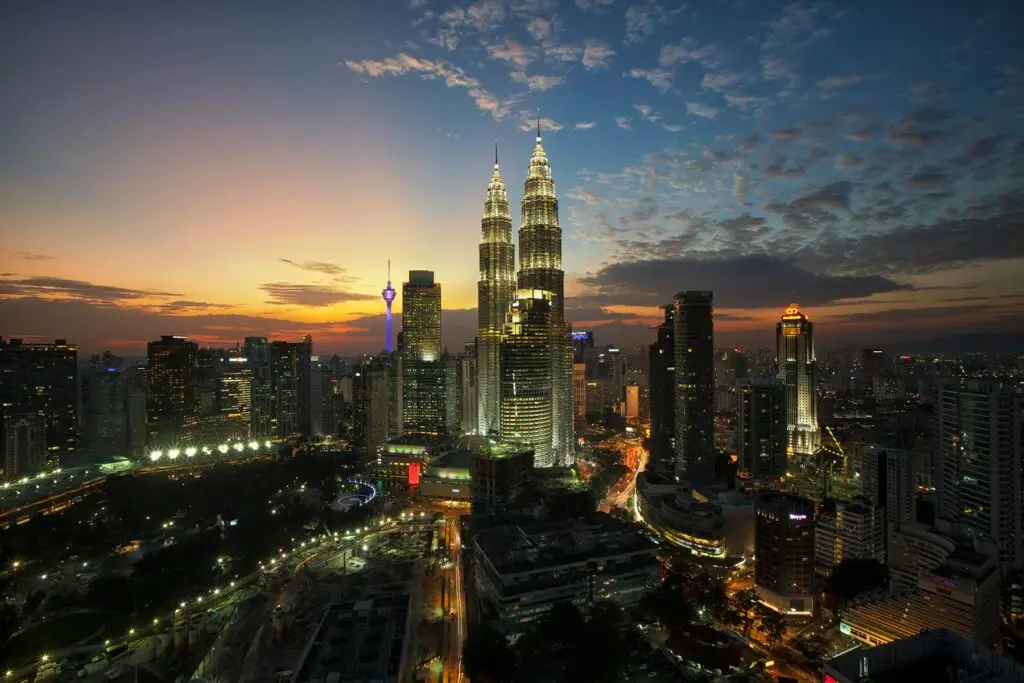
Malaysia is a country where cultures blend like colors in a sunset, where rainforests older than the Amazon stretch across mist-covered mountains, where tropical islands float in turquoise waters, where skyscrapers rise beside colonial streets, and where food is not just a meal but an unmistakable expression of identity. It is a land that surprises, comforts, challenges, inspires, and welcomes all at once — a place where tradition and modernity harmonize in a way only Malaysia can achieve.
Travelers who arrive in Malaysia often speak of its warmth. Not just the warmth of its tropical climate, but the warmth of its people, who come from Malay, Chinese, Indian, Indigenous and countless mixed backgrounds. Each community adds its own language, flavor, festival, style, architecture, and philosophy. The result is a country that feels endlessly rich, layered, and vibrant — never monotone, always flowing.
Malaysia is composed of two main regions: Peninsular Malaysia, which stretches down from Thailand toward Singapore, and Malaysian Borneo, which sits across the sea and houses some of the world’s oldest ecosystems. Each part of the country feels like a world of its own. In the peninsula, modern cities, colonial towns, ancient forests, tea plantations, and tropical islands share the same stage. In Borneo, jungles echo with the calls of hornbills, orangutans swing between branches, caves plunge into darkness, and remote tribal communities preserve traditions that reach back thousands of years.
This 9000-word guide explores Malaysia in full depth — its landscapes, cities, islands, food, cultures, wildlife, history, people, and atmosphere. It is a journey into one of Southeast Asia’s most fascinating countries.
A Geography Shaped by Oceans, Mountains & Rainforests
Malaysia’s geography is a blend of coastline, rainforest, limestone caves, highland plateaus, and vast deltas. Peninsular Malaysia is defined by a central mountain range that runs like a spine through the land, creating rainforest reserves, tea-growing climates, and waterfalls. On either side lie coastlines lined with mangroves, beaches, ports, fishing towns, and river estuaries. Offshore islands number in the hundreds — tropical, lush, and surrounded by coral reefs.
Across the sea lies Malaysian Borneo, which is shared by the states of Sabah and Sarawak. This region is wilder, more ancient, and more dramatic. Mist rises from thick jungles each morning, rivers carve deep valleys, limestone towers rise like guardians over valleys, and wildlife moves freely through forests untouched by time. Mount Kinabalu, one of Southeast Asia’s highest mountains, towers above the land.
Malaysia’s tropical rainforest climate brings heavy rain, sunshine, humidity, and sudden thunderstorms that wash over cities and forests in intense bursts. The monsoon seasons bring rough seas to some coasts and calm waters to others, shaping fishing traditions and travel patterns.
The diversity of Malaysia’s landscapes — from coral reefs to rainforests to highlands — is one of its greatest treasures.
A Cultural Fusion Like No Other
Malaysia’s culture blends Malay, Chinese, Indian, Indigenous, Arab, and European influences. Each community has its own language, religious traditions, festivals, clothing, music, architecture, and food. Yet Malaysia’s society is remarkably harmonious, defined by tolerance, blending, and shared identity.
Malay culture forms the foundation of national identity — reflected in language, traditional dress, art, poetry, dance, and village traditions. Chinese communities contribute strong influences in trade, cuisine, festivals, architecture, and urban culture. Indian Malaysians add rich Hindu traditions, Tamil flavors, Bollywood influence, and spiritual depth. Indigenous peoples — including the Orang Asli of the peninsula and the Dayak, Iban, Kadazan-Dusun, Bidayuh, and others in Borneo — preserve rituals, crafts, music, and animist beliefs carried across generations.
Islam is Malaysia’s official religion, and mosques shape its architectural landscape, but Buddhist temples, Hindu shrines, and Christian churches stand throughout the country. Religious diversity is woven into everyday life.
Malaysia’s greatest cultural gift is its openness. Its people celebrate multiculturalism not as a concept but as a way of life.
Kuala Lumpur — The Modern Heart of Malaysia
Kuala Lumpur, often called KL, is a city of contrasts and ambition. Its skyline is dominated by the iconic Petronas Twin Towers, shimmering in steel and glass. Below them, streets buzz with food stalls, markets, skyscrapers, mosques, temples, street art, and shopping districts. Architecturally, KL blends colonial buildings, Malay wooden houses, Chinese shophouses, modern towers, green parks, and golden-domed mosques.
Bukit Bintang pulses with energy — neon lights, cafés, malls, nightlife, and crowds moving like a river. Chinatown, with its narrow streets, markets, lanterns and old buildings, feels timeless. Little India hums with Bollywood music, sari shops, and aromatic spice shops.
The Batu Caves, just outside KL, rise dramatically from the earth — a limestone cathedral housing Hindu temples and guarded by a massive golden statue of Lord Murugan. Climbing the colorful staircase reveals a world of bats, shrines and mountain views.
KLCC Park reflects the city’s modern soul with fountains, walking paths, and greenery beneath skyscrapers. Meanwhile, Kampung Baru preserves traditional Malay life — wooden houses, family gardens, and old-world charm.
Kuala Lumpur is bold, busy, multicultural, and modern — a gateway to everything Malaysia offers.
Penang — The Cultural & Culinary Soul
Penang, especially George Town, is one of Malaysia’s most enchanting destinations. It is a place where history whispers from every corner — in Chinese clan houses, Indian temples, Malay villages, British colonial architecture, and centuries-old shophouses. The entire city feels like a living museum, yet it is full of youthful creativity. Street art decorates walls. Cafés fill heritage buildings. Markets overflow with color and aroma.
Penang is also called the food capital of Malaysia. Char kway teow, assam laksa, nasi kandar, roti canai, curry mee, Hokkien mee, and countless other dishes reflect the blend of cultures. Food in Penang is not just eaten; it is celebrated.
Beyond the city, Penang Hill offers cool breezes and colonial-era mansions. Tropical fruit farms, spice gardens, and rainforest trails stretch across the island. Fishermen cast nets from quiet beaches. Temples such as Kek Lok Si glow with candles and lanterns during festivals.
Penang is artistic, historic, flavorful, and deeply Malaysian.
Malacca — Where Empires, Ports & Civilizations Converged
Malacca, or Melaka, is a city of history, storytelling, and cultural layers. Its port once connected China, India, Arabia, and Europe. This convergence created a trading city filled with multicultural architecture — Portuguese fortresses, Dutch churches, Chinese clan homes, Peranakan mansions, mosques with pagoda-style roofs, and colonial-era shophouses.
Jonker Street remains the heart of Malacca — bustling with night markets, antique shops, lantern-lit cafés, and local desserts. The river flows through the city lined with murals, cafés, and boats that glide like time machines through centuries of heritage.
The Baba-Nyonya culture — a unique blend of Chinese and Malay traditions — thrives here. Their traditional homes, cuisine, clothing, and crafts offer glimpses into a hybrid identity shaped by history.
Malacca feels nostalgic, slow, colorful, and full of character.
The Malaysian Highlands — Tea, Forests, Waterfalls & Cool Air
The Cameron Highlands are Malaysia’s green crown — rolling hills covered in tea plantations, strawberry farms, forests, colonial houses, and misty mountains. The air here is cool, refreshing, and scented with pine and earth. Tea estates stretch like green carpets across slopes, where workers handpick leaves in quiet rhythms.
Cameron Highlands reveal a different side of Malaysia — one shaped by nature, quiet roads, hiking trails, flower gardens, and small markets selling honey, jam, and fresh produce.
Further north, the Genting Highlands mix mountain scenery with entertainment complexes, while Fraser’s Hill offers nostalgic colonial-era charm surrounded by forests and birdlife.
The East Coast of Peninsular Malaysia — Villages, Islands & Izlamic Heritage
The east coast is quieter than the west — more traditional, more rural, and deeply tied to Malay identity. Fishing villages dot the coastline. Mosques gleam under the tropical sun. Long beaches stretch beside clear waters.
Offshore lie some of Malaysia’s most beautiful islands.
Perhentian Islands
A paradise of white sand, jungle, and turquoise sea. Perfect for snorkeling, diving, sea turtles, and laid-back living.
Redang Island
More upscale, with crystal-clear waters, coral reefs, and palm-lined resorts.
Tioman Island
A rugged, dramatic island filled with mountains, waterfalls, beaches, and wildlife.
These islands offer tranquility, beauty, and some of the best marine life in Southeast Asia.
Malaysian Borneo — Ancient Rainforests, Wildlife & Indigenous Culture
Borneo is where Malaysia becomes wild.
Where the rainforest is so old that its roots reach back to the age of dinosaurs.
Where orangutans build nests in towering trees.
Where rivers carve deep valleys.
Where caves plunge into darkness and mountains rise above the clouds.
Sabah
Sabah is home to Mount Kinabalu — an impressive granite peak often shrouded in mist. The climb is challenging but rewarding. Kinabalu National Park contains rare plants, orchids, insects, birds, and animals found nowhere else on Earth.
Sepilok Orangutan Rehabilitation Centre allows visitors to witness rescued orangutans learning to survive in the forest again. Nearby, the Bornean Sun Bear Conservation Centre protects the world’s smallest bear species.
The Kinabatangan River reveals extraordinary wildlife — pygmy elephants, proboscis monkeys, hornbills, crocodiles, and even clouded leopards.
Sipadan Island, world-famous among divers, offers vertical drop-offs, schools of barracuda, sea turtles, sharks, and coral reefs of unmatched beauty.
Sarawak
Sarawak’s landscapes are dramatic — limestone mountains, caves so massive they have their own weather systems, and rainforests filled with Dayak longhouses.
Gunung Mulu National Park’s caves are among the largest in the world. Deer Cave, with its huge cavern, hosts millions of bats that fly out in spirals at dusk.
Indigenous communities preserve traditions of weaving, drumming, tattoos, rice cultivation, and animist rituals.
Sarawak is peaceful, green, ancient, and culturally rich.
Malaysian Islands Beyond the Famous Ones
Malaysia has over 800 islands. Beyond the famous ones like Langkawi, Redang and Perhentian lie small paradises such as Rawa Island, Tenggol Island, Sibu Island, Mantanani Islands, Kapalai, Mataking and Layang-Layang.
Some have powder-soft beaches, others host resorts built on stilts above the ocean, and others remain uninhabited sanctuaries for wildlife.
Each island carries its own identity — from luxury retreats to backpacker paradises.
The Wildlife of Malaysia — Rainforest Giants, Colorful Birds & Marine Wonders
Malaysia is one of the most biodiverse countries on Earth. Its forests teem with life: orangutans, hornbills, gibbons, clouded leopards, sun bears, elephants, monitor lizards, slow lorises, flying squirrels, and countless insects.
The coral reefs are vibrant ecosystems filled with rays, sharks, sea turtles, octopus, clownfish, coral gardens, and shipwrecks.
Mangroves shelter otters, monkeys, eagles and unique amphibians.
Malaysia’s wildlife feels ancient, magical, and humbling — a reminder of the planet’s natural heritage.
Malaysian Cuisine — A Celebration of Culture in Every Bite
Food in Malaysia is a national treasure.
It is flavorful, diverse, aromatic, spicy, sweet, sour, creamy, crunchy — everything at once.
Here, Malay curries blend coconut, chilies and herbs.
Chinese noodles mix with seafood and smoky stir-fry aromas.
Indian rotis and curries bring comfort, spice and warmth.
Nyonya cuisine blends Malay and Chinese traditions into fragrant classics.
Food is everywhere — street stalls, hawker centers, night markets, cafés, seaside grills, and luxury restaurants.
Eating in Malaysia is a sensory journey that reveals stories of migration, trade, history, and belonging.
Why Malaysia Stays in the Heart
Malaysia is a place where the world meets.
Where cultures blend but identities remain strong.
Where nature thrives in its purest form.
Where cities glow with modernity but tradition is never forgotten.
Where kindness is everyday, not extraordinary.
It is the call to prayer echoing beside temple bells.
It is the scent of satay grilling in the night.
It is the green of tea plantations at sunrise.
It is the sound of waves against coral islands.
It is the hum of jungles older than civilization.
It is the warmth of people who welcome strangers like family.
Malaysia is a country of contrasts, harmony, beauty, and meaning.
It is not just a destination — it is a feeling.
 Related Articles
- Kakslauttanen Arctic Resort
- Top 10 Most Unique Places to Stay in Europe
- 10 Incredible Castles Around the World