
🇹🇱 Timor-Leste Travel Guide — A Journey Through Remote Islands, Mountain Culture, Coral Reefs & Timorese Resilience
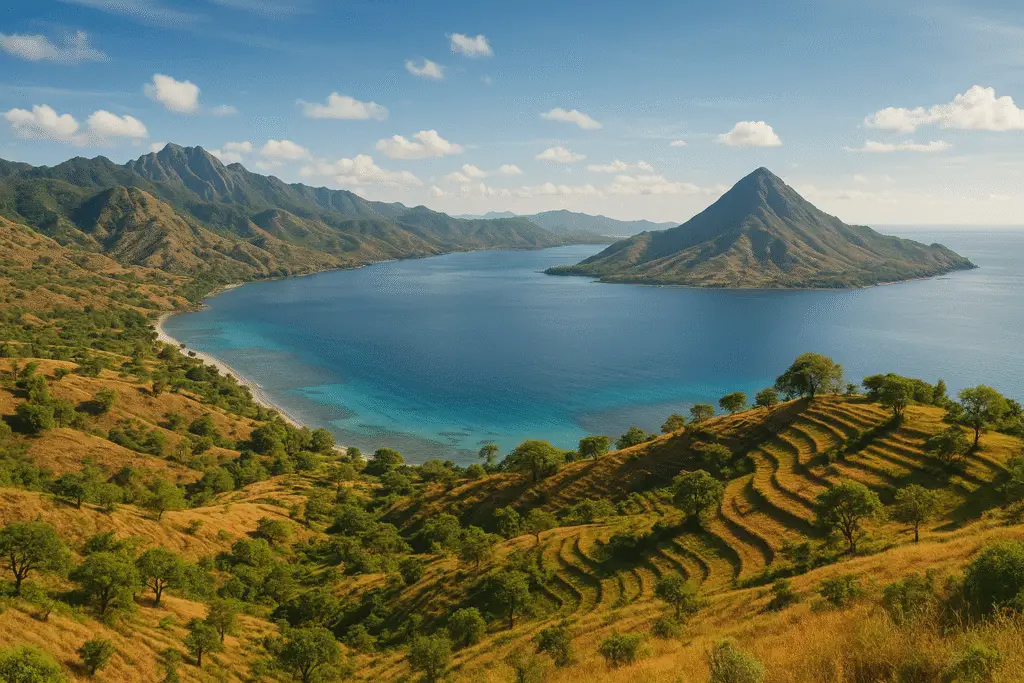
Timor-Leste, also known as East Timor, is one of the most untouched, underrated, and culturally rich destinations in Southeast Asia. It is a young nation with an ancient soul — shaped by mountain villages, coral-blue waters, dense tropical forests, animist heritage, Portuguese influence, and a story of courage and resilience unlike any other in the region. Visitors who arrive here find themselves in a land where daily life moves slowly, nature remains wild and unspoiled, traditions have survived for generations, and people welcome strangers with warmth and sincerity.
Traveling through Timor-Leste feels like stepping into a world that tourism has barely touched. White-sand beaches stretch for kilometers without a single footprint. Coral reefs teem with life so vibrant that divers compare them to the Great Barrier Reef decades ago. Mountains rise dramatically from the coastline, covered in mist, eucalyptus trees, and terraced fields. Villages preserve spiritual rituals tied to ancestors and sacred houses. Children laugh as they run along dirt paths. Fishermen cast nets in the early morning light. The rhythm of life is simple, calm, and deeply connected to the land.
Timor-Leste’s landscapes are a stunning combination of mountains, coastline, valleys, lakes, mangroves, and tropical forests. The waters surrounding the island contain some of the healthiest coral ecosystems in the world — perfect for diving, snorkeling, and marine exploration. Inland, rugged mountains form the backbone of the country, shaping its climate, its culture, and its daily routines. Traditional houses built on stilts appear in quiet rural settlements, where elders gather beneath banyan trees to discuss communal matters. Portuguese churches stand beside animist shrines. Markets sell fresh fruit, woven fabrics, coffee beans, spices, and handmade crafts.
Timor-Leste is a place where nature and humanity coexist in harmony. It is also a place marked by struggle — the journey to independence was long and painful, leaving deep scars but also a proud sense of identity. Today, Timor-Leste is peaceful, welcoming, and full of hope. Travelers who come here not only discover a beautiful destination but connect with a people whose warmth and strength leave a lasting impression.
This guide explores Timor-Leste in exceptional depth — its culture, landscapes, cities, traditions, history, cuisine, lifestyle, and unique spirit.
A Geography of Mountains, Reefs & Remote Beauty
Timor-Leste sits on the eastern half of Timor Island, surrounded by the Banda Sea and the Timor Sea. Its geography is dramatic and diverse, with steep mountains rising from the coast and rolling hills stretching inland.
Much of the country is mountainous. Peaks reach nearly 3000 meters, with Mount Ramelau — the highest point — towering above clouds and villages. The air grows cool at high altitudes, pine and eucalyptus forests replace tropical vegetation, and traditional communities live in harmony with the land.
The coastline is spectacular. Long beaches curve gently along turquoise water. Mangroves, lagoons, and coral reefs hug the shore. Offshore islands such as Ataúro and Jaco feel untouched, peaceful, and almost mythical in their beauty. The waters are so clear that visibility often exceeds 30 meters, revealing coral gardens and marine life rarely seen elsewhere.
Inland valleys hold farms, rice paddies, coffee plantations, bamboo forests, and small rivers. The climate varies from hot and humid in coastal regions to cool and misty in the mountains. Rainfall shapes the seasons — the dry season brings sunshine and blue skies, while the wet season brings green landscapes and waterfalls.
Timor-Leste’s geography feels wild, authentic, and full of natural wonder.
A History of Ancient Traditions, Colonial Influence & the Fight for Independence
Timor-Leste’s story stretches back thousands of years. Indigenous peoples settled on the island long before written history began, developing animist beliefs, clan structures, and agricultural practices that still influence Timorese culture today.
Portuguese traders arrived in the 16th century, establishing settlements, churches, and administrative centers. For centuries, Timor was shaped by Portuguese influence — language, religion, architecture, and trade. Coffee plantations were introduced, leading to one of Timor-Leste’s most important modern exports.
In 1975, Portugal withdrew, and shortly after, Indonesia occupied the territory. The occupation lasted until 1999 and was marked by conflict, resistance, and devastating loss. Despite hardship, the Timorese people demonstrated extraordinary resilience. In 2002, Timor-Leste became one of the world’s newest independent nations.
Today, the country is stable, peaceful, and proud of its identity. Its history is visible in its language (Tetum with Portuguese influences), its churches, its traditional houses, its resistance monuments, and the strength of its people.
Dili — A Calm Coastal Capital with Island Charm
Dili, the capital of Timor-Leste, lies along a peaceful coastline framed by hills and palm trees. It is not a busy Asian metropolis but a relaxed, sunlit city with cafés, markets, churches, and seaside promenades.
The waterfront offers beautiful views of Atauro Island. Fishermen bring in their catch early each morning. Locals gather at the beach for evening swims. The Cristo Rei statue stands on a hill overlooking the bay, reachable by a scenic staircase with views of ocean and forest.
The city’s markets are filled with fruit, vegetables, woven tais fabrics, coffee, spices, and handmade crafts. Coastal roads lead to beaches, villages, and diving spots. Churches and small museums reflect the country’s colonial history and its fight for independence.
Dili feels peaceful, friendly, and warm — a gateway to the rest of Timor-Leste.
Atauro Island — One of the World’s Greatest Marine Sanctuaries
Atauro Island is a marine treasure. Its surrounding waters contain some of the highest diversity of fish species on the planet. Coral reefs here remain pristine, colorful, and untouched by mass tourism.
Small eco-resorts and community-run guesthouses scatter the island’s coastline. Villages are connected by paths, beaches stretch empty, and fishermen glide across the sea in wooden boats.
Snorkeling here feels magical — sea turtles swim through coral gardens, dolphins leap offshore, and schools of tropical fish shimmer beneath the surface. Diving offers dramatic drop-offs, coral walls, caves, and exceptional visibility.
Atauro Island is quiet, pure, and unforgettable — a true paradise for nature lovers.
Jaco Island — Sacred, Uninhabited & Perfectly Preserved
Jaco Island is one of Timor-Leste’s most beautiful places — an uninhabited island with white-sand beaches, crystal-clear water, and dense forest. It is considered sacred by locals, adding a sense of mystery and respect.
Reaching Jaco requires a journey through dense forests, remote villages, and the eastern tip of the country. Visitors often feel as though they’ve reached the edge of the world. The atmosphere is serene, pure, and deeply moving.
Swimming and snorkeling reveal shallow coral reefs and tropical fish. The island remains undeveloped, making it one of Southeast Asia’s last truly untouched beach destinations.
The Mountains & Villages — Heart of Timorese Tradition
Much of Timor-Leste’s culture lives in its villages, especially in the mountains. Traditional houses called uma lulik are built on stilts with thatched roofs and carved details. They serve as spiritual and communal centers, connecting families to ancestors.
Mountain communities grow vegetables, coffee, and fruit in terraced fields. Markets sell cassava, bananas, beans, spices, and woven crafts. Life moves slowly, shaped by agriculture, storytelling, rituals, and seasonal celebrations.
Mount Ramelau, the highest peak in Timor-Leste, attracts both pilgrims and hikers. Sunrise from the summit reveals misty mountains rolling toward the sea.
These regions feel peaceful, proud, and full of tradition.
Baucau — Colonial Charm & Quiet Beauty
Baucau, the second-largest city, sits on terraces overlooking the sea. Its Portuguese colonial architecture remains visible in old mansions, churches, and stone buildings.
The area has natural springs, quiet coastal stretches, and a laid-back provincial atmosphere. The landscape is greener and cooler than Dili, with roads leading to rural villages and farms.
Baucau feels authentic, welcoming, and full of gentle charm.
The South Coast — Wild, Green & Largely Unexplored
Timor-Leste’s southern coastline faces the Timor Sea and remains one of the least explored regions of the country. Waves crash on long beaches, mangroves stretch along river mouths, and forests cover the mountains just beyond the coast.
Villages are small and agricultural, with fishing playing an important role. Wildlife flourishes in the forests and wetlands. Waterfalls appear along hiking routes. Roads are quiet, and life remains deeply connected to nature.
This region offers adventure, tranquility, and the feeling of discovering a hidden part of the world.
Culture, Language & Spiritual Traditions
Timorese culture blends ancient animist beliefs with Catholic spirituality and Portuguese influence. Lulik, the sacred spiritual tradition, remains deeply respected. Rituals honor ancestors, land spirits, and community bonds.
Tetum is the most widely spoken language, though Portuguese is used officially. Many mountain communities speak distinct local languages.
Music, dance, weaving, and storytelling form important cultural expressions. Tais weaving is especially meaningful — each pattern reflects identity, history, and symbolism.
Timorese people are warm, respectful, and community-oriented. Guests are welcomed with smiles, meals, and genuine hospitality.
Cuisine — Simple, Fresh, Local & Heartwarming
Timorese cuisine is simple yet full of flavor. Staples include rice, cassava, fish, coconut, beans, vegetables, and tropical fruit. Meals often use spices, chilies, and herbs. Grilled fish, stews, roasted meats, and fresh vegetables make up everyday dishes.
Coffee is a national treasure — grown in the mountains, hand-picked, and known for its rich flavor. Sharing coffee is a cultural gesture of friendship.
Fruit is abundant, with papayas, bananas, pineapples, and mangoes available year-round.
Food in Timor-Leste feels natural, healthy, and comforting.
Why Timor-Leste Stays in the Heart
Timor-Leste is a land of deep beauty — pure reefs, quiet mountains, sacred islands, and warm villages. It is also a land of deep emotion — shaped by history, resilience, identity, and hope. Travelers who come here often say the same thing: Timor-Leste is unforgettable.
Its sunsets, coral reefs, mountain air, children’s laughter, simple meals, and sincere smiles leave a lasting memory.
 Related Articles
- Kakslauttanen Arctic Resort
- Top 10 Most Unique Places to Stay in Europe
- 10 Incredible Castles Around the World