
🇻🇳 Vietnam Travel Guide —
Northern Vietnam: Hanoi, Sapa, Ha Giang, Ha Long, Ninh Binh & the Mountain Soul of the North
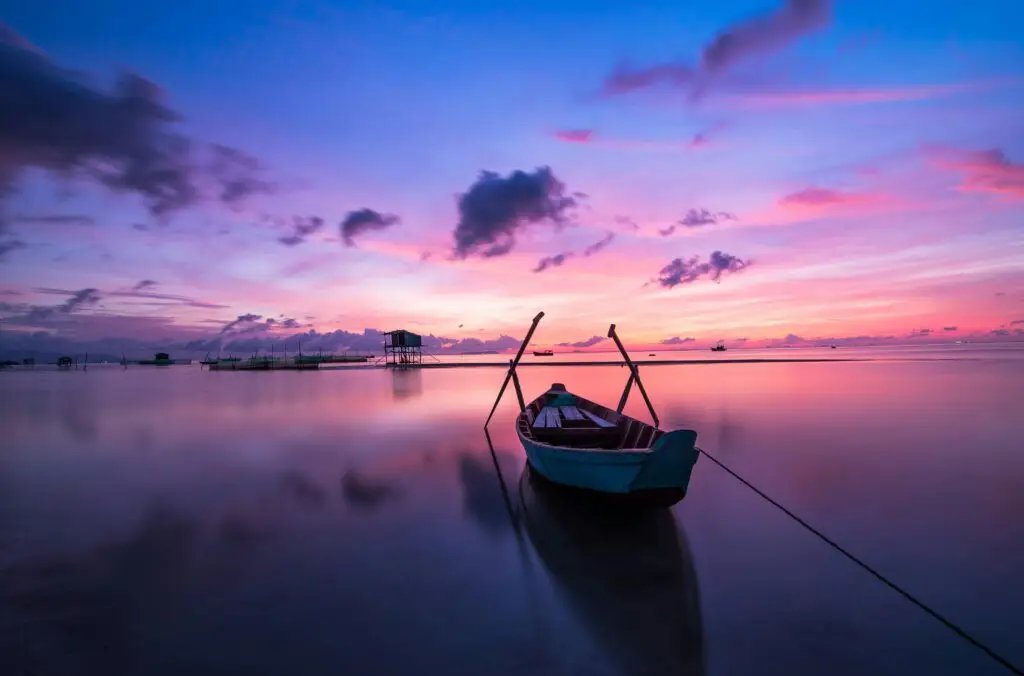
Vietnam is a land shaped by rivers, mountains, ancient kingdoms, colonial echoes, vibrant cities, and a warm, unbreakable spirit. It stretches like a dragon along the edge of Southeast Asia, winding from China’s mountains to the Gulf of Thailand. In the north, the country feels deep, old, poetic, and full of contrasts — mist-covered mountains, terraced rice fields, limestone cliffs emerging from seas and valleys, lakes shimmering between ancient temples, and cities filled with history, scooters, and street food smoke drifting into the night. Northern Vietnam is the cultural cradle of the nation, where thousands of years of dynasties, battles, legends, and traditions reflect in every village, every pagoda, and every bowl of steaming pho.
Part 1 of your 12,000-word Vietnam guide explores this northern region in great detail — a journey through Hanoi, Sapa, Ha Giang, Ninh Binh, Ha Long Bay, and remote mountain communities shaped by tradition, resilience, and breathtaking landscapes.
HANOI — The Ancient Heartbeat of Vietnam
Hanoi is a city where time folds like pages of a book. It is old and new at once — a place where ancient temples sit beside French colonial villas, where lakes shimmer in the morning mist, where the aroma of fresh herbs, grilled meats, and strong coffee fills narrow streets, and where scooters weave through traffic like a flowing river. The city’s energy is not chaotic but poetic, a symphony of horns, laughter, vendors calling out, and people gathering on tiny plastic stools to eat noodles, drink tea, and share stories.
The Atmosphere of Hanoi
Hanoi breathes history. The Old Quarter is a maze of streets, each once dedicated to a craft — silver, silk, bamboo, herbal medicine, blacksmithing. Today, shops sell everything from lanterns to paintings, from street food to handmade goods. The sidewalks fill with life: women balancing baskets of fruit on bamboo poles, street barbers trimming hair beneath trees, families cooking meals at the doorstep, and vendors grilling pork skewers whose scent floats into the air.
The city is surrounded by lakes, the most beloved being Hoan Kiem Lake — a place where locals practice tai chi at dawn, couples stroll in the evening, and reflections of trees ripple across the water. The red bridge leading to Ngoc Son Temple feels like a portal into another era, quiet and contemplative amid the city’s movement.
Hanoi’s charm lies in its ability to hold onto tradition while embracing modern life with grace.
The Old Quarter — Life in a Thousand Details
Every corner of the Old Quarter feels alive with stories. Lanterns hang between buildings. Dilapidated French balconies overlook narrow alleys. Small shrines glow with candles, incense, and fruit offerings. Street kitchens send clouds of steam upward as cooks prepare pho, bun cha, banh mi, egg coffee, sticky rice, and grilled delicacies.
You hear conversations in Vietnamese tones that dance like music. You hear the chop of cleavers hitting wooden boards. You hear scooters passing like waves hitting a shore. You smell grilled pork, fried dough, chili, lemongrass, star anise, and roasted coffee beans. The Old Quarter is sensory and emotional, a place that balances comfort and excitement, nostalgia and energy.
French Quarter & Lakes — Grace, Architecture & Calm
South of the Old Quarter lies the French Quarter, with tree-lined streets, elegant colonial buildings, museums, wide boulevards, and the beautiful Hanoi Opera House. The atmosphere is refined, reminiscent of a European city, yet infused with Vietnamese warmth and daily life.
Ho Tay (West Lake), the largest lake in Hanoi, is another peaceful retreat. Pagodas stand on its shores. Fishermen cast their lines. Lakeside cafés serve coffee with a view. The air is cooler here, with breezes coming off the water.
Hanoi’s lakes, temples, and leafy streets offer a soft counterbalance to its vibrant street life.
SAPA — Terraced Rice Fields, Ethnic Minority Villages & Mountain Mists
Travel north into the mountains and the atmosphere shifts dramatically. Sapa lies high in the Hoang Lien Son mountain range, a region shaped by cool winds, terraced fields carved by generations, and ethnic minority communities who preserve traditions older than the Vietnamese state itself.
The Landscape of Sapa
Sapa’s landscapes are among the most iconic in Southeast Asia. Rice terraces curve around mountains like green ribbons. Valleys open into dreamy views of waterfalls, bamboo forests, wooden houses curling smoke into the air, and peaks disappearing into fog. Fansipan — the highest mountain in Vietnam — towers over the region.
In spring, the terraces shine with water reflecting the sky. In summer, they turn a vibrant green. In autumn, they become golden waves swaying in the mountain breeze. In winter, mists roll through the valleys.
Sapa’s beauty is never still; it changes with the seasons and the movement of clouds.
Ethnic Minority Culture
Sapa is home to Hmong, Dao, Tay, Giay, and Xa Pho communities. Each group has distinct clothing, weaving techniques, ceremonies, music, and farming traditions. Hmong women wear indigo-dyed garments and silver jewelry. Dao women shave part of their hair and wear red headdresses. Tay houses are built on stilts near rivers.
Walking through villages feels like entering a world shaped by ancestral memory. Children run through fields. Farmers tend to water buffalo. Women weave textiles on wooden looms. Markets buzz with trade — herbs, corn wine, handcrafted fabrics, fresh produce.
The hospitality here is warm, humble, and genuine.
HA GIANG — The Most Beautiful Road in Vietnam
If Sapa is gentle and poetic, Ha Giang is raw, wild, and dramatic — perhaps the most stunning region in all of Vietnam. The Ha Giang Loop has become legendary among adventurous travelers for its mountain passes, deep valleys, limestone peaks, and breathtaking viewpoints.
The Landscape of Ha Giang
The Dong Van Karst Plateau is a UNESCO Global Geopark because its geology is millions of years old, carved into jagged peaks, endless ridges, and cliffs that drop into deep green valleys. High mountain passes twist like dragon spines along the borders with China. Villages cling to plateaus high above rivers. Terraced corn fields climb slopes so steep they seem impossible to farm.
The Ma Pi Leng Pass is the crown jewel — a road carved into the side of cliffs overlooking the Nho Que River, which snakes through a canyon of unbelievable depth and beauty. The wind up here feels like a whisper from another world.
Life in the Far North
Ethnic minority communities live scattered across the mountains. Markets rotate through different towns each week, bursting with color — embroidered clothing, livestock, fruits, medicinal herbs, woven baskets, and traditional jewelry.
Ha Giang feels untouched by time, a frontier of rugged landscapes and resilient people.
NINH BINH — The Inland Ha Long Bay
Ninh Binh is one of Vietnam’s most enchanting destinations — a place where limestone mountains rise from green rice fields, where rivers wind through caves and valleys, and where temples sit on cliffs overlooking vast wetlands.
Trang An & Tam Coc — Waterways of Peace
Boats glide quietly through river channels. Water reflects towering karst peaks. Lotus flowers bloom in the warm season. Farmers work in fields surrounded by stone cliffs. Caves echo with the sound of paddles against water.
Trang An’s cave system feels mystical — tunnels carved by nature, filled with cool air and soft light filtering through openings.
Hoa Lu — Vietnam’s Ancient Capital
Before Hanoi, Vietnam’s capital stood in Hoa Lu — a valley of mountains, temples, palaces, and fortifications hidden within natural defenses. The remains of palaces and temples offer a glimpse into Vietnam’s early dynasties.
Ninh Binh is peaceful, meditative, and deeply scenic.
HA LONG BAY — Dreamlike Islands & Emerald Seas
Ha Long Bay is one of the world’s natural masterpieces — a vast seascape of limestone islands rising from emerald water like stone dragons sleeping under the surface. The atmosphere here is dreamlike. Mist often drifts between peaks. Sunlight shimmers on the waves. Boats move slowly across the bay, leaving gentle ripples behind.
The Magic of Ha Long Bay
Thousands of islands create a maze of cliffs, caves, lagoons, and hidden beaches. Some islands are lush with vegetation. Others contain caves filled with stalactites shaped like ancient sculptures. The water is calm, reflecting the sky in shades of silver, jade, and deep green.
A cruise through Ha Long Bay feels like entering a floating kingdom of mountains and quietness.
Bai Tu Long & Lan Ha — Quieter Sisters of Ha Long
Near Ha Long lie Bai Tu Long and Lan Ha — lesser-known bays with the same stunning karst formations but far fewer crowds. These bays feel peaceful, untouched, and perfect for kayaking, swimming, or simply drifting across the water in silence.
DIEN BIEN PHU — Where Vietnam Changed Forever
Deep in the mountains near the Laos border lies Dien Bien Phu — the site of the historic 1954 battle that ended French colonial rule in Indochina. The valley is broad, green, surrounded by mountains that once echoed with war. Today, museums and memorials preserve the memory of a turning point in Vietnam’s history.
Dien Bien Phu combines landscape, history, emotion, and national pride.
Mountain Markets — Culture, Color & Human Connection
Northern Vietnam’s rotating markets are cultural treasures. Hundreds of villagers gather from remote hamlets, wearing traditional embroidered clothing. The markets are full of life — the scent of grilled foods, the sound of bargaining, the sight of bright colors, and the hum of community coming together.
These markets reveal the heart of northern Vietnam’s ethnic diversity.
The Spirit of Northern Vietnam
Northern Vietnam feels ancient, proud, poetic, and soulful.
It is the sound of bells echoing from mountain temples.
The glow of lanterns in Hanoi’s streets.
The mist rolling through Sapa’s terraces.
The wind brushing the cliffs of Ha Giang.
The quiet ripple of a boat in Ninh Binh.
The breathtaking stillness of Ha Long Bay.
This region shapes the identity of the entire country.
HUE — Imperial Capital, Perfume River Mist & the Soul of Vietnamese History
Hue is the poetic heart of Vietnam’s past — the ancient seat of the Nguyen Dynasty, where emperors ruled from within a walled citadel surrounded by moats, lotus ponds, pagodas, and royal tombs hidden among hills and pine forests. It is a city touched by time, soft in its atmosphere, elegant in its architecture, and deeply spiritual in its soul.
The Perfume River — Hue’s Gentle Pulse
The Perfume River drifts through Hue with a softness that defines the entire city. Early mornings bring light fog rising from the water, blending with the silhouettes of imperial gates and bridges. Dragon boats float slowly down the river. Locals cycle along the banks. Lanterns glow at dusk, reflecting on the calm surface like floating stars.
Hue’s pace is slow, intentional, and reflective — a contrast to the bustle of Hanoi or Ho Chi Minh City.
The Imperial City — Vietnam’s Forbidden Purple City
Hue’s Imperial City, a UNESCO World Heritage site, is a vast walled complex of palaces, temples, gates, gardens, and pavilions reminiscent of Beijing’s Forbidden City but uniquely Vietnamese in style. Inside the citadel, tiled roofs shine under the sun, dragon symbols adorn columns, ancient courtyards echo with the calls of birds, and the scent of frangipani drifts through walkways.
Much of the complex was damaged during wars, but restoration efforts have brought back the elegance of halls, throne rooms, royal chambers, and gates. Wandering these grounds feels like stepping into the 19th century.
Royal Tombs — Poetry in Stone
Scattered along riverbanks and hills are the tombs of Nguyen emperors, each a masterpiece of architecture, philosophy, and landscape design. Tu Duc’s tomb is peaceful, surrounded by lakes and forests — a retreat built for poetry and solitude. Minh Mang’s tomb is regal, symmetrical, and surrounded by lotus ponds. Khai Dinh’s tomb is dramatic, blending Vietnamese and European styles with ornate mosaics, dragons carved in stone, and a throne room glowing with gold.
The tombs reflect the personality of each emperor — proud, artistic, lonely, romantic.
Hue’s Spiritual Essence
Pagodas like Thien Mu rise above the river. Monks in saffron robes chant in incense-filled halls. Traditional music, ca Hue, drifts from boats at night. The city feels contemplative, gentle, and steeped in ritual.
Hue is Vietnam’s historical memory, quiet yet profound.
DA NANG — Beaches, Mountains & a Lively Modern Coast
South of Hue lies Da Nang, a lively coastal city where mountains meet the sea. Da Nang feels clean, modern, energetic, and breezy. Its wide beaches stretch for miles, lined with palm trees, resorts, cafes, and fishing boats. Its skyline rises beside the ocean. Bridges glow in electric colors at night. Mountains cradle the city on both sides.
Da Nang balances nature and urban life seamlessly.
My Khe Beach — Sand, Sun & Endless Blue
My Khe Beach is one of Vietnam’s most beloved beaches — long, clean, sparkling under sunlight, with waves soft enough for swimming yet lively enough for surfers. At sunrise, fishermen pull in nets while joggers and families gather by the shore. By midday, the beach feels tropical, warm, and relaxed. Evenings bring cool breezes and a golden horizon.
Marble Mountains — Sacred Caves & Hilltop Views
Just south of the city rise the Marble Mountains — five limestone hills filled with caves, temples, shrines, and tunnels carved by water and time. Climbing the stone steps reveals panoramic views of the coast, mountains, and countryside. Inside the caves, shafts of sunlight illuminate statues, altars, and ancient carvings, creating a mystical atmosphere.
The Dragon Bridge & City Lights
Da Nang’s Dragon Bridge is both a symbol and a spectacle. At night, it glows in neon colors and even breathes fire and water on weekends. The city’s lights reflect on the river, creating a vibrant nightlife filled with cafés, rooftop bars, seafood restaurants, and riverside promenades.
Da Nang feels youthful, dynamic, and full of modern Vietnamese energy.
HOI AN — Lanterns, Ancient Streets & Timeless Beauty
Just south of Da Nang lies Hoi An — one of the most enchanted towns in Asia, a place of lanterns, quiet alleys, old houses, riverside cafés, tailors, temples, and a warm, nostalgic beauty that feels almost unreal. Hoi An is a UNESCO World Heritage town, famously preserved from its days as a trading port that connected Vietnam with Japan, China, India, Persia, and Europe.
Atmosphere of Magic
At night, Hoi An transforms into a glowing lantern world. Thousands of lanterns hang across streets, bridges, boats, and houses, casting warm colors on the Thu Bon River. Tourists ride small boats through the reflections. Soft music fills the air. Vendors sell handmade crafts. The entire town feels like a dreamscape of gentle light.
Architecture of a Trading Port
Hoi An’s wooden merchant houses blend Japanese, Chinese, and Vietnamese styles. The Japanese Covered Bridge, with its curved roof and ancient guardian statues, is one of the town’s most photographed landmarks. Temples dedicated to sea gods, community halls of old Chinese clans, and assembly halls filled with incense and carvings show the town’s multicultural past.
Crafts, Tailors & Culinary Culture
Hoi An is famous for tailoring — shops can create custom outfits in a day, from silk dresses to suits. The town is also a culinary paradise, known for dishes like cao lau, white rose dumplings, and mi Quang. Street markets buzz with vendors selling lanterns, pottery, textiles, herbs, jewelry, and handmade souvenirs.
Hoi An feels gentle, romantic, artistic, and full of charm.
PHONG NHA–KE BANG — The World’s Most Extraordinary Caves
Phong Nha–Ke Bang National Park is one of the most astonishing natural areas on Earth — a wonderland of limestone mountains, jungles, underground rivers, and cave systems so vast that explorers are still discovering them today. The park is a UNESCO World Heritage site and home to some of the world’s largest caves, including the legendary Son Doong, the biggest cave on the planet.
A Landscape Carved by Time
Towering karst mountains rise abruptly from valleys filled with rice fields, rivers, and villages. Fog settles in the mornings. Jungle covers cliffs and ridges. Rivers disappear into cavern mouths and emerge miles away. The atmosphere is wild, green, humid, and mystical.
Paradise Cave, Phong Nha Cave & Dark Cave
Paradise Cave stretches for kilometers with cathedral-like chambers full of stalactites shaped like waterfalls, pillars, and sculptures. Phong Nha Cave is accessible by boat — a peaceful journey along a river that leads into underground darkness illuminated by gentle light. Dark Cave offers adventure with mud baths and zip lines.
Phong Nha is one of Vietnam’s greatest treasures, a perfect destination for nature lovers, photographers, and adventurers.
QUY NHON & CENTRAL COAST — Quiet Beaches & Coastal Simplicity
Further south lie Quy Nhon and surrounding coastal areas that remain peaceful and less developed compared to Da Nang or Nha Trang. Here, fishing villages, long beaches, coastal temples, and local life shape a region that feels authentic and unhurried.
Quy Nhon’s curved bay, golden beaches, and seafood markets create a simple, warm coastal identity. Waves crash gently. Children play on the shore. Fishermen mend nets beside colorful boats. The region feels refreshingly local.
The Culture of Central Vietnam — Grace, Memory & Resilience
Central Vietnam has endured storms, wars, floods, and upheavals throughout history, but its people remain remarkably warm and resilient. Their culture blends elegance with strength, expressed in poetry, royal traditions, crafts, cuisine, and daily life.
Cuisine of Central Vietnam
Food in this region is flavorful, colorful, and beautifully balanced. Dishes often combine herbs, spices, mild heat, and delicate textures. Hue is known for imperial cuisine — elegant small dishes once served to emperors. Hoi An’s cuisine reflects trading influences. Seafood is abundant. Fresh herbs are essential. Meals are crafted with care and artistry.
Festivals & Tradition
Central Vietnam hosts festivals dedicated to ancestors, kings, fishermen, and local deities. Lantern festivals in Hoi An light up the river. Hue’s festivals celebrate imperial music, crafting, and spiritual traditions. Fishermen honor the Whale God, believed to protect them at sea.
Culture here feels spiritual, artistic, and deeply connected to both land and sea.
Spirit of the Central Region
Central Vietnam is the emotional middle chapter of the country’s story.
It is the sound of waves breaking on ancient shores.
The glow of lanterns reflected in the Thu Bon River.
The mist hanging over the Perfume River at dawn.
The echo of footsteps in imperial palaces.
The quiet of caves carved through millions of years.
The warmth of local people who welcome visitors with sincerity.
It is a region of beauty, memory, and poetic stillness.
HO CHI MINH CITY (SAIGON) — The Southern Heartbeat of Vietnam
Ho Chi Minh City is the economic engine of Vietnam — wild, ambitious, youthful, and always awake. Its streets pulse with movement. Its skyline grows every year. Street vendors grill food beneath skyscrapers. Cafés overflow with young creatives. Markets buzz with endless activity. The city’s mixture of French heritage, American war history, Chinese influence, and Vietnamese dynamism creates a vibrant, ever-evolving identity.
Atmosphere of Saigon
The first thing you notice is the sound: the hum of scooters, the chatter of markets, the music of cafés, the laughter of students. The second thing you notice is the heat — tropical and humid, wrapping the city in warmth. Saigon feels intense but exciting, chaotic but charismatic. Its districts form micro-worlds: District 1 with its historic buildings and nightlife; District 3 with leafy streets and French villas; District 5 (Chinatown) full of temples, medicinal shops, and markets; District 7 clean and modern with expat communities; and Thu Duc City, a booming tech and creative zone.
French Architecture & War-Era Landmarks
The Notre-Dame Cathedral, built with bricks imported from France, stands in front of a square lined with bookstores and cafés. The Central Post Office, designed by Gustave Eiffel, is one of Saigon’s architectural icons, a place where colonial design meets local daily life. The Opera House glows softly at night, framed by luxury hotels and tree-lined streets.
War history is present but integrated. The War Remnants Museum delivers emotional insight into the Vietnam War. The Independence Palace (formerly Reunification Palace) stands preserved like a time capsule of 1970s interior design, its halls echoing with the weight of political history.
Markets & Food Culture
Ben Thanh Market buzzes with vendors selling herbs, dried fruit, seafood, souvenirs, textiles, lacquerware, and street food. Cholon (Chinatown) offers pagodas filled with incense smoke, markets overflowing with spices and traditional medicines, and temples decorated with dragons and golden altars.
Food is everywhere — from street stalls serving banh mi and com tam to rooftop restaurants overlooking the skyline. Saigon’s food scene is bold, flavorful, and famously diverse.
MEKONG DELTA — The Water World of Vietnam
The Mekong Delta is one of Southeast Asia’s great landscapes — a green, fertile world shaped entirely by rivers. Life moves with the water: boats replace cars, bridges are small and charming, houses and markets float, and fields stretch across the flat horizon in lush shades of green.
Rivers, Canals & Floating Life
Thousands of canals weave through palm forests, Khmer temples, fruit orchards, villages, and rice paddies. Boats carry rice, coconuts, fish, fruit, and people. Children play along the banks. Fishermen haul nets. Families grow fruit on floating farms and produce coconut candy, rice paper, and noodles in cottage workshops.
Floating Markets
Cai Rang and Cai Be are the Delta’s famous floating markets. Boats loaded with melons, pineapples, sweet potatoes, vegetables, and flowers gather on the river at dawn. Vendors shout prices from the decks. Buyers approach in small boats to trade. It is a living tradition of commerce shaped entirely by the river’s rhythm.
Fruit Orchards & Island Villages
The Delta is Vietnam’s fruit bowl — mango, jackfruit, coconut, rambutan, dragon fruit, longan, and durian grow in abundance. Villages sit under tropical canopies, connected by tiny bridges and narrow paths. Life moves slowly here: hammocks swaying in the breeze, bicycles passing through rice fields, and boats drifting through coconut forests.
Spirituality & Khmer Heritage
The Mekong Delta is also home to large Khmer communities, whose temples, pagodas, and festivals bring a unique cultural richness to the region. Golden spires rise among the palms, bells ring softly, and ceremonies reflect centuries of tradition.
The Delta feels ancient, peaceful, and deeply connected to nature.
DALAT — The Alpine Dream of Vietnam
High in the Central Highlands lies Dalat, a cool mountain town built by the French as a summer retreat. It feels entirely different from the tropical lowlands — pine forests stretch across hills, mist drapes the valleys, lakes shimmer in morning light, and villas with European influence stand beside flower gardens.
Atmosphere of Dalat
Dalat feels like a mix of Vietnam and a small European mountain village. The air is crisp, the landscape green, the temperature cool. Pine trees dominate the scenery, leading locals to call Dalat “the City of Eternal Spring.” The scent of coffee beans roasting drifts through cafés, and farms grow strawberries, avocados, artichokes, and flowers.
Nature & Waterfalls
Around Dalat you find canyons, waterfalls, lakes, and flower fields. Datanla, Pongour, Bao Dai waterfalls flow through mossy forests. Tuyen Lam Lake offers boat rides through peaceful scenery. The hills around Dalat are perfect for hiking, canyoning, and exploring.
Dalat mixes romance with adventure — a place for honeymooners, photographers, and nature lovers.
MUI NE — Sand Dunes, Windsurfing & Coastal Silence
Mui Ne is unlike any other place in Vietnam. Part fishing village, part beach town, part desert landscape — it is a surreal mix of ocean, palm trees, and vast sand dunes shaped by the wind.
Sand Dunes & Landscapes
Mui Ne’s red and white sand dunes rise like miniature deserts. At sunrise, shadows stretch across rippled sand. At sunset, the dunes glow in gold and orange. Quad bikes and sandboards glide across the slopes.
Fishing Village & Beach Life
The fishing village offers a glimpse of authentic life — hundreds of colorful round boats (thung chai) line the shore, fishermen gather at dawn, and seafood markets bustle with early-morning trade.
Windsurfers and kitesurfers ride the waves as strong winds sweep across the bay. The ocean is warm, the coastline scenic, and the atmosphere relaxed.
Mui Ne is a blend of nature, sport, and local culture.
NHA TRANG — Beaches, Islands & Coastal Energy
Nha Trang is one of Vietnam’s most popular seaside destinations — a sunny city with a long golden beach, offshore islands, coral reefs, night markets, and resorts lining the coastline.
Beachfront Atmosphere
The beach stretches for kilometers, lined with palm trees and a scenic promenade. Early mornings bring locals exercising by the sea. By midday, sunbathers fill the sand and the waves shimmer under bright sunlight.
Islands & Marine Life
Boats take visitors to Hon Mun, Hon Tam, and other islands for snorkeling, diving, and swimming. Coral reefs are home to vibrant marine life. Fishermen’s villages sit beside floating seafood restaurants.
City Vibrance
Nha Trang’s city center mixes traditional markets, street food, modern malls, rooftop bars, and temples like the Po Nagar Cham Towers, built between the 7th and 12th centuries.
Nha Trang combines beach life with culture and dynamic nightlife.
The Culture of Southern Vietnam — Warm, Expressive & Optimistic
The south’s identity differs from the poetic north and historical center.
While the north is traditional and philosophical and the center refined and elegant, the south is bold, friendly, humorous, spontaneous, and entrepreneurial.
Energy & Attitude
Southerners are known for humor, friendliness, and optimism. Conversations flow easily. People laugh loudly, speak openly, and engage warmly with strangers. Business culture moves fast. Street life feels lively and expressive.
Cuisine of the South
Southern food is sweeter, more tropical, more colorful, and rich in herbs, coconut milk, and fresh fruits. Dishes are vibrant and often influenced by Khmer and Chinese flavors.
Markets overflow with exotic produce. Street food is abundant, affordable, and delicious.
Spirit of the South
Southern Vietnam feels bright, warm, and full of energy.
It is the sound of boats drifting at sunrise on the Mekong.
The glow of Saigon’s skyscrapers at night.
The cool breeze sweeping through Dalat’s pine forests.
The heat hitting the sand dunes of Mui Ne.
The laughter spilling out of night markets.
The smell of grilled seafood by the coast.
The colorful rhythms of everyday life.
The south expresses Vietnam’s youthful heartbeat and tropical soul.
PHU QUOC — Island of Sunlight, Forest & Gentle Waters
Phu Quoc, floating in the Gulf of Thailand, feels like an island dreaming lazily under the sun. Its beaches stretch long and quiet, with soft sand and translucent waves that glow gold at sunset. Fishermen guide their boats into the horizon every morning. Resorts hide among coconut trees. Slow breezes carry the smell of salt, grilled seafood, and tropical fruit.
The island’s interior is lush, filled with jungle trails, waterfalls, pepper farms, and rivers that wind through dense green. Phu Quoc National Park protects forests where macaques leap through branches and hornbills glide above the canopy. The atmosphere feels warm and serene, like stepping into a postcard softened by sunlight.
Evening descends slowly. Beach bars light lanterns. Waves break gently. Locals gather to drink fresh coconut water or Phu Quoc’s famous fish sauce, known across Vietnam for its rich, deep flavor. The island’s simplicity is the root of its beauty — calm, peaceful, welcoming.
CON DAO — Islands of Silence, Coral Reefs & Emotional Memory
Con Dao, an archipelago far off the southern coast, is one of Vietnam’s most mystifying and emotional destinations. Its beaches are untouched, its sea crystal clear, its coral reefs vibrant with marine life. Forested mountains rise steeply behind white sand, and clouds drift quietly above the peaks.
But Con Dao carries another story: it was once a prison island during French colonial rule and later during the Vietnam War. The prisons remain as somber reminders of suffering and resilience. Visitors often describe Con Dao as both heartbreaking and deeply peaceful — a place where past and present meet in silence.
Today, the island is a sanctuary for sea turtles. Rangers protect nesting beaches where thousands of eggs hatch each year. Boats travel to remote bays where the only sounds are waves and bird calls. The atmosphere is deeply spiritual, filled with reverence and quiet remembrance.
Con Dao feels sacred — a place of healing, reflection, and untouched natural beauty.
CAT BA & LAN HA BAY — Limestone Islands & Ocean Breeze
Cat Ba Island sits beside Ha Long Bay, but its surrounding waters — Lan Ha Bay — feel quieter, softer, and more peaceful. Limestone pillars rise from aquamarine water. Floating villages drift between islands. Kayaks glide into hidden lagoons where the world falls silent except for the echo of paddles.
The interior of Cat Ba Island is rugged and green, with Cat Ba National Park protecting forests home to rare langurs, butterflies, and tropical birds. Roads curve through mountains offering sweeping views of ocean and cliffs.
Lan Ha Bay, often overshadowed by Ha Long, is just as beautiful — if not more. Here, travelers find solitude, calm waters, and a feeling of drifting through a dream made of stone and sky.
NATIONAL PARKS — Vietnam’s Wild & Ancient Heart
Vietnam’s national parks preserve jungles, mountains, wetlands, and forests that hold stories stretching back millions of years. They reveal an older Vietnam — one shaped not by dynasties or empires but by rivers, rocks, wind, and the quiet breathing of the earth.
Cat Tien National Park
A vast tropical forest in southern Vietnam, Cat Tien echoes with the calls of gibbons at dawn. Rivers wind through thick vegetation. Trails lead to ancient trees whose roots twist like sculptures. Butterflies drift through sunlit clearings. Elephants, deer, crocodiles, and rare birds inhabit the park, creating a raw sense of wilderness.
Cuc Phuong National Park
Vietnam’s oldest national park, Cuc Phuong, lies in the north near Ninh Binh. Towering trees form a canopy of green. Caves hold traces of prehistoric humans. Limestone mountains rise above valleys filled with butterflies in spring. The park protects endangered langurs and turtles, preserving biodiversity shaped over millennia.
Bach Ma National Park
In central Vietnam, Bach Ma rises between Hue and Da Nang. Its peaks hide waterfalls, forest trails, mountain streams, and lookout points where mist curls around the landscape like drifting silk. During the French era, the park’s cool climate made it a highland retreat.
Vietnam’s national parks express the country’s ancient natural soul — quiet, green, alive.
SPIRITUALITY & TRADITION — The Invisible Thread of Vietnam
Vietnamese spirituality is not confined to temples; it flows through daily life. People burn incense on small home altars to honor ancestors. They visit pagodas before important events. They believe in spirits of rivers, mountains, and forests. They teach children respect, gratitude, and harmony. The spiritual world blends Buddhism, ancestor worship, Taoist rituals, local deities, and animist beliefs that predated organized religion.
Temples glow with lanterns in the evening. Incense coils burn in pagodas casting sweet smoke into the air. Monks chant prayers that echo gently through shrines. Festivals celebrate harvests, heroes, gods, and ancestral spirits.
Spirituality in Vietnam is calm, respectful, and woven naturally into life — a quiet compass guiding people in moments big and small.
THE MANY CULTURES OF VIETNAM — Diversity, Identity & Heritage
Vietnam has 54 recognized ethnic groups, each with unique clothing, languages, rituals, music, and ways of life. The Kinh majority shapes most of the nation’s cultural identity, but minority groups define its depth and texture.
In the mountains of the north, Hmong, Dao, Tay, and Thai communities cultivate terraces and hold festivals filled with music, embroidery, and ancestral stories. Along the coast and lowlands, Cham culture survives through temples, dance, and art. In the Mekong Delta, Khmer communities maintain traditions influenced by Theravada Buddhism. Highland groups like the Ede and Jarai preserve matrilineal customs, gong music, and longhouse architecture.
This diversity gives Vietnam a layered identity — complex, multicultural, resilient, and rich in heritage.
VIETNAMESE FOOD — A Cuisine of Balance, Freshness & Soul
Vietnamese cuisine is one of the world’s most beloved food cultures. Its flavors are delicate yet bold, fresh yet complex, balanced yet expressive. Meals emphasize herbs, vegetables, broths, rice, grilled meats, fermented sauces, and layers of texture.
Pho, bun bo Hue, banh mi, fresh spring rolls, crispy pancakes, hotpots, rice paper dishes, grilled seafood, and sweet desserts form just a glimpse of the vast culinary landscape. Every region has its specialties: Hanoi’s bun cha, Hue’s royal cuisine, Hoi An’s cao lau, Saigon’s vibrant street food.
Food is intimate in Vietnam. It is shared, offered, and celebrated. Families gather around low tables. Vendors take pride in perfecting a single dish for decades. Markets overflow with fresh ingredients. Every bite tells a story of heritage, climate, geography, migration, and creativity.
DAILY LIFE — The Rhythm of Vietnam
Vietnamese daily life is warm, simple, community-focused, and full of movement. Mornings begin with the scent of coffee and street stalls opening their kitchens. Scooters hum through streets like waves. At lunchtime, workers gather in small eateries. In the evenings, families stroll lakesides, children play near parks, and groups sit on sidewalks enjoying fresh fruit, iced tea, or grilled snacks.
People greet each other with gentle smiles. They negotiate with humor. They help strangers readily. Despite hardships, Vietnamese people maintain optimism and resilience — a cultural strength shaped by centuries of overcoming challenges.
THE EMOTIONAL ESSENCE OF VIETNAM
Vietnam stays with you long after you leave.
It stays in the sound of a boat sliding across Mekong canals at dawn.
It stays in the mist drifting through terraced rice fields.
It stays in the scent of lemongrass steaming from a bowl of noodles.
It stays in the lanterns glowing above an ancient river in Hoi An.
It stays in the laughter of children running along a beach.
It stays in the calm of temples where incense burns slowly.
It stays in the kindness of strangers offering tea.
It stays in the wind brushing your face as you ride through Ha Giang’s mountains.
Vietnam is more than a country — it is a feeling.
Soft, warm, emotional, and full of life.
 Related Articles
- Kakslauttanen Arctic Resort
- Top 10 Most Unique Places to Stay in Europe
- 10 Incredible Castles Around the World