
 Antigua & Barbuda Travel Guide – The Caribbean’s Twin Paradise of 365 Beaches
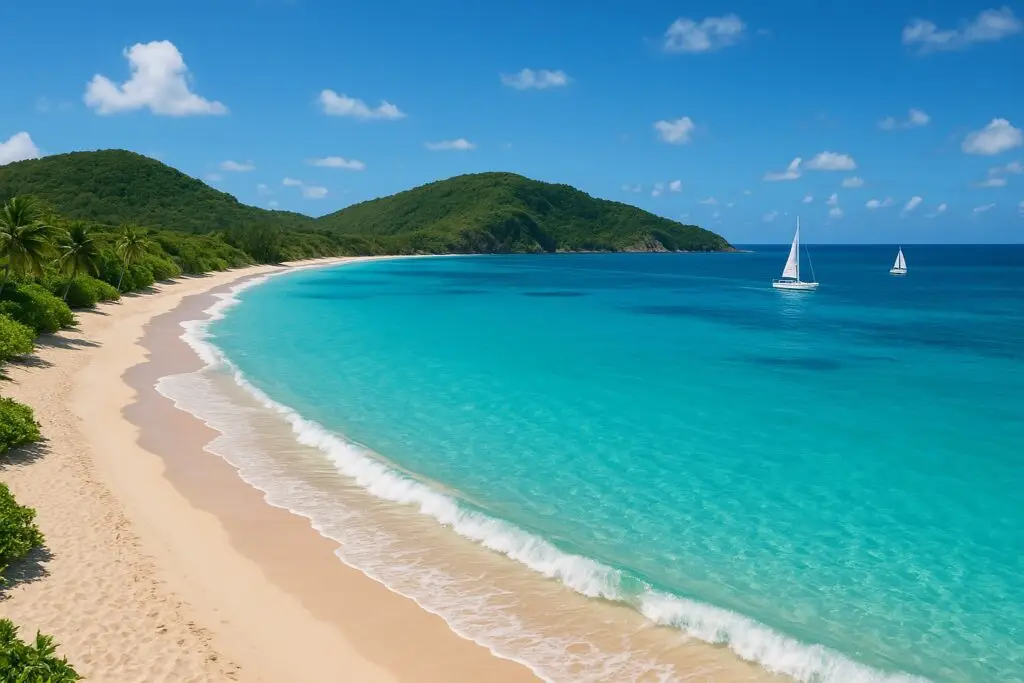
Antigua & Barbuda — two sun-soaked islands surrounded by some of the clearest waters in the Caribbean — are the very definition of tropical paradise. With 365 beaches, one for every day of the year, this twin-island nation offers everything from coral reefs and pink-sand shores to colonial history and Creole charm.
Antigua is the lively, cosmopolitan heart — home to luxury resorts, yacht harbors, and historic naval sites. Barbuda, by contrast, is quiet and untamed, with endless pink-sand beaches and the Caribbean’s largest frigate bird colony. Together, they form a country that balances glamour with authenticity, and relaxation with adventure.
Whether you’re sailing through English Harbour, snorkeling off Half Moon Bay, or wandering the peaceful pink sands of Barbuda, Antigua & Barbuda invite you to slow down, breathe, and fall in love with the rhythm of island life.
 Geography & Landscape
Antigua & Barbuda lie in the Leeward Islands of the eastern Caribbean, between St. Kitts and Guadeloupe. Though small in size, their landscapes are surprisingly diverse.
Antigua
- Area: 281 km²
- Terrain: Rolling limestone hills, coral coastline, and volcanic highlands.
- Highest Point: Mount Obama (402 m), part of the island’s southwestern highlands.
- Coastline: Irregular and sheltered, with 365 beaches of soft white or golden sand.
- Harbours: Deep natural bays make it one of the best sailing destinations in the Caribbean.
Barbuda
- Area: 160 km²
- Terrain: Flat coral limestone island with lagoons and mangrove swamps.
- Famous For: Pink-sand beaches, bird sanctuaries, and untouched wilderness.
Tiny Sister Island – Redonda
Uninhabited rocky outcrop 50 km southwest of Antigua, now a protected marine reserve.
Together, these islands are surrounded by turquoise seas, coral reefs, and constant trade winds that make them ideal for sailing and water sports.
 A Brief History
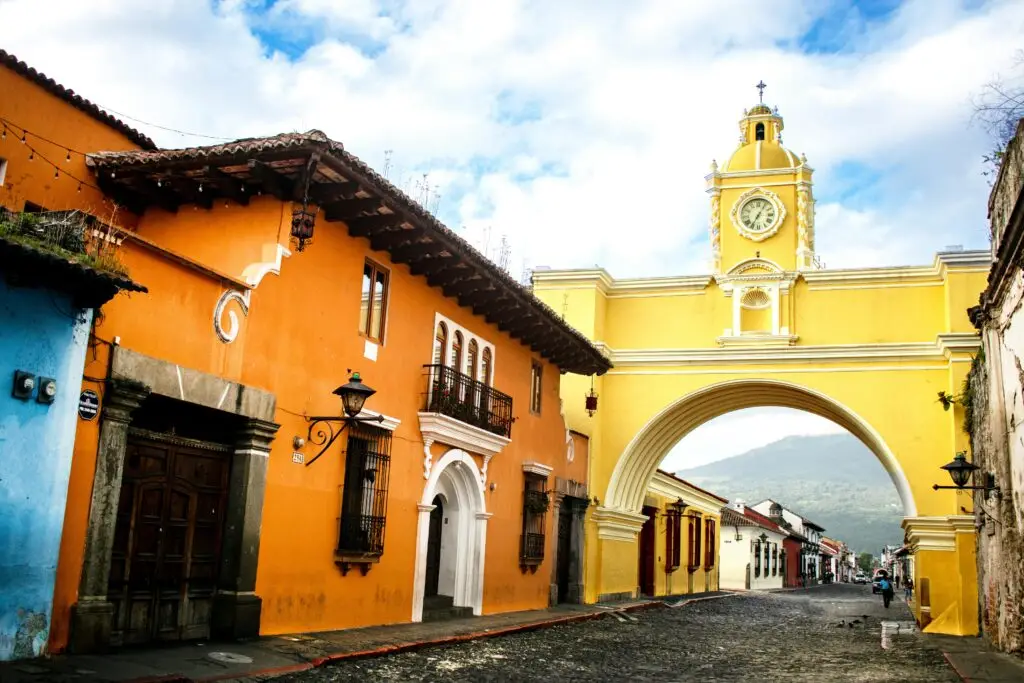
Indigenous Origins Antigua & Barbuda
Before European contact, the islands were inhabited by the Arawak and later the Carib peoples, who called Antigua Wadadli, meaning “our own.”
Colonial Era
- 1493: Christopher Columbus sighted Antigua and named it after Seville’s Santa María la Antigua.
- 1632: English settlers arrived, establishing sugar plantations using enslaved African labor.
- 1700s–1800s: Antigua became a key British naval base, especially under Admiral Horatio Nelson, who built Nelson’s Dockyard in English Harbour.
- 1834: Slavery was abolished, and the islands’ Creole culture began to flourish.
- 1967: Antigua & Barbuda became a self-governing state within the British Commonwealth.
- 1981: Full independence achieved.
Today, the islands celebrate a rich fusion of African, British, and Caribbean influences reflected in language, music, and cuisine. Antigua & Barbuda
 St. John’s – The Capital
St. John’s, Antigua’s capital, is a bustling port city with colorful architecture, markets, and a waterfront filled with cruise ships and yachts.
Top Sights
- Heritage Quay: Duty-free shopping and lively bars along the harbor.
- St. John’s Cathedral: A striking 19th-century church with twin towers.
- Museum of Antigua & Barbuda: Located in the former courthouse (1750), telling the islands’ story from Arawak life to independence.
- Redcliffe Quay: A charming area of restored colonial warehouses filled with boutiques and cafés.
- Saturday Market: A sensory overload of spices, fruit, and local chatter.
St. John’s is the perfect place to experience the pulse of Antiguan life — energetic, colorful, and full of Caribbean warmth.
 English Harbour & Nelson’s Dockyard
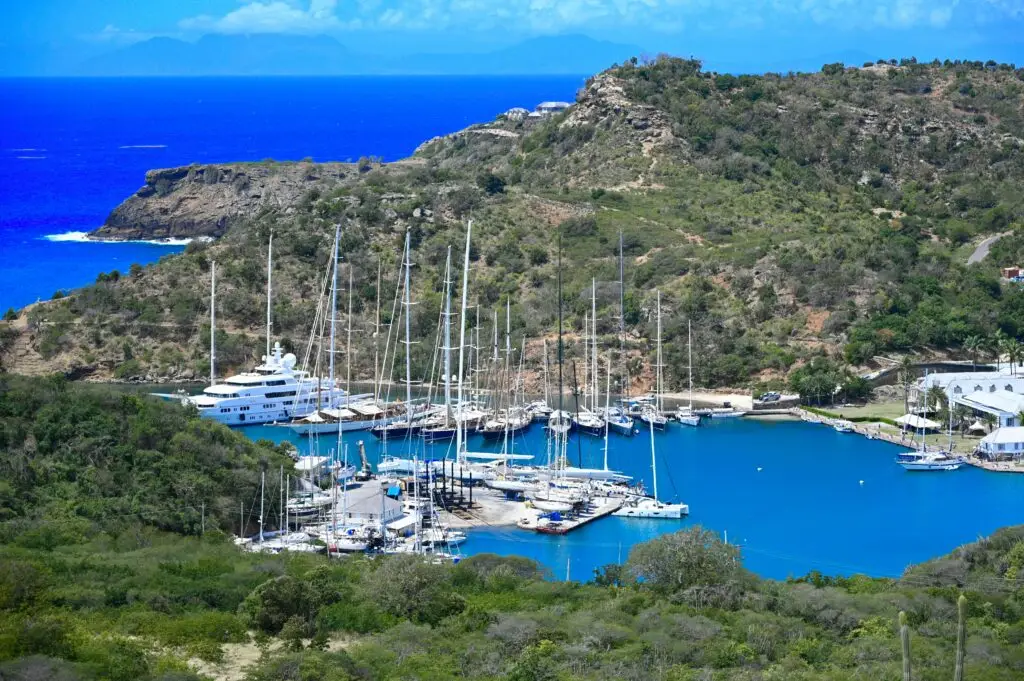
A UNESCO World Heritage Site and Antigua’s crown jewel, Nelson’s Dockyard is the only continuously operating Georgian naval dockyard in the world.
Highlights
- Historic Buildings: Restored warehouses, forts, and officer’s quarters.
- Admiral’s Inn: 18th-century stone inn with harbor views.
- Dockyard Museum: Dedicated to Admiral Nelson’s time on the island.
- Shirley Heights Lookout: A hilltop viewpoint famous for its sunset parties, reggae music, and panoramic harbor views.
English Harbour blends history and elegance — where luxury yachts anchor beneath centuries-old fortifications.
 Antigua’s Best Beaches
Antigua’s 365 beaches are all open to the public — each one unique in charm Antigua & Barbuda
| Beach | Location | Highlights |
|---|---|---|
| Dickenson Bay | Northwest | Popular resort beach, watersports, vibrant bars |
| Half Moon Bay | East | Crescent-shaped, turquoise waves, coral reef |
| Darkwood Beach | Southwest | Secluded, great sunset views |
| Ffryes Beach | West Coast | Calm waters, restaurants nearby |
| Valley Church Beach | Near Jolly Harbour | Golden sand, perfect for swimming |
| Pigeon Point Beach | English Harbour | Family-friendly, shaded, calm |
| Long Bay | Northeast | Excellent snorkeling inside reef |
| Runaway Bay | North | Quiet and romantic |
| Galleon Beach | South Coast | Near Nelson’s Dockyard, great snorkeling |
Wherever you stay, you’re never more than a few minutes from a postcard-perfect beach.
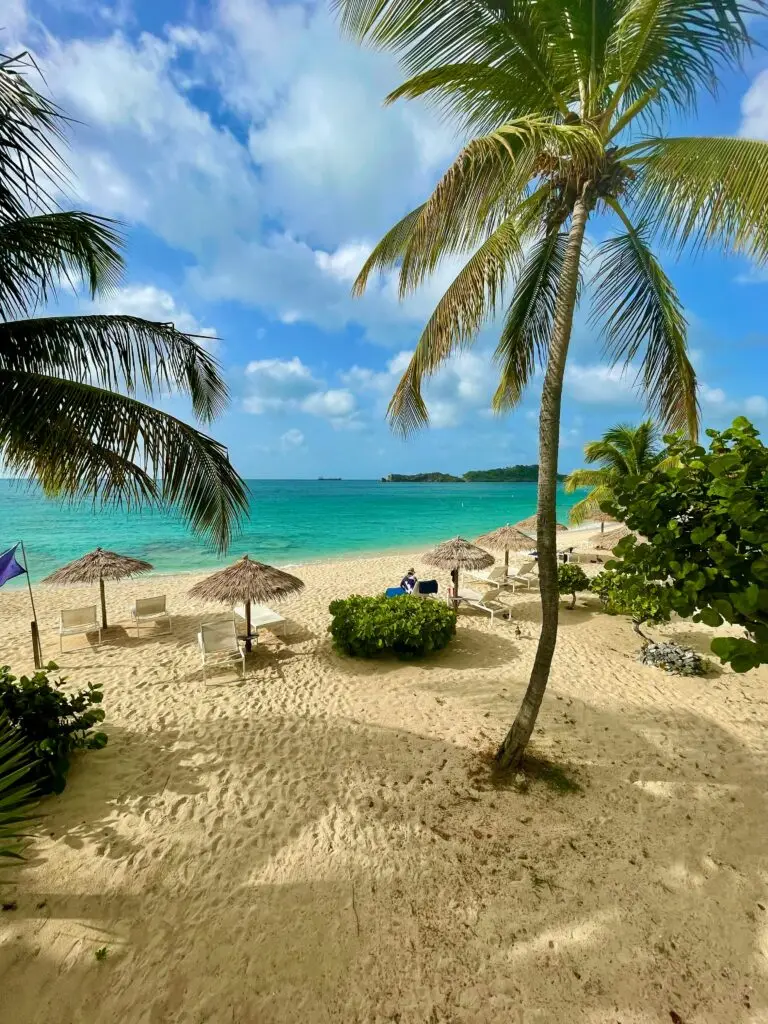
 Barbuda – The Untouched Sister Island
Barbuda, located 61 km north of Antigua, is the quieter twin — serene, flat, and fringed with endless pink-sand beaches.
Highlights
- Pink Sand Beach: Over 16 km of blush-colored sand created by crushed coral.
- Frigate Bird Sanctuary: One of the world’s largest colonies of frigate birds — over 100,000 during breeding season.
- Codrington Lagoon: A vast mangrove lagoon ideal for kayaking and birdwatching.
- Darby Cave: A massive sinkhole in the jungle, lush with vegetation.
- Spanish Point & Two Foot Bay: Remote beaches with sea caves and fossils.
Barbuda is an unspoiled paradise — ideal for travelers seeking tranquility and connection with nature. Antigua & Barbuda
 Nature & Adventure
Though famous for beaches, Antigua & Barbuda are full of adventure opportunities.
1. Fig Tree Drive
A scenic rainforest road through Antigua’s southern hills, lined with banana (“fig”) trees, mango groves, and old sugar mills.
2. Hiking Mount Obama
Antigua’s highest peak offers sweeping island views; moderate 2-hour hike.
3. Devil’s Bridge National Park
A natural limestone arch on Antigua’s Atlantic coast formed by crashing waves — powerful and photogenic.
4. Stingray City
Swim with gentle southern stingrays in shallow, crystal-clear water — a highlight for families.
5. Cades Reef Marine Park
A protected coral reef teeming with marine life, perfect for snorkeling and diving.
6. Kayaking in North Sound
Paddle through mangroves and tiny islets inhabited by pelicans and turtles.
7. Barbuda’s Wildlife
Barbuda’s salt ponds attract flamingos, pelicans, and herons, while wild donkeys roam the interior.
The islands balance tropical leisure with ecological wonder — each day can be as adventurous or relaxing as you wish.
 Flora & Fauna
The islands’ warm climate supports lush vegetation and diverse wildlife.
- Flora: Hibiscus, bougainvillea, frangipani, coconut palms, and cacti.
- Birds: Frigate birds, pelicans, hummingbirds, and the endemic Barbuda Warbler.
- Marine Life: Turtles, rays, parrotfish, and dolphins.
- Wildlife: Mongoose, iguanas, and tree frogs in forested areas.
The Antigua & Barbuda government actively promotes conservation, and many coastal areas are protected reserves.
 Culture, Festivals & People
Antigua & Barbuda’s culture is a joyful blend of African heritage, British colonial influences, and Caribbean rhythm.
Language
- Official: English
- Spoken: Antiguan & Barbudan Creole
Music & Dance
- Calypso & Soca: The heart of Carnival.
- Steelpan: Trinidadian-inspired but uniquely Antiguan in rhythm.
- Reggae & Dancehall: Popular among younger generations.
- Benna: A folk music genre born during slavery, often political and humorous.
Major Festivals
- Carnival (July–August): A two-week explosion of music, costumes, and parades.
- Antigua Sailing Week (April–May): One of the world’s top regattas, attracting sailors from across the globe.
- Independence Celebrations (November 1): Cultural shows, street food, and national pride.
- Seafood Festival (September): Fresh catches prepared island-style on the beach.
Antiguans are warm, proud, and community-driven — hospitality is part of their DNA.
 Cuisine – Flavor of the Islands
Antiguan cuisine reflects a mix of African, British, and Creole traditions, full of fresh seafood and tropical ingredients.
Signature Dishes
- Fungee & Pepperpot: The national dish — cornmeal pudding with rich vegetable stew.
- Ducana: Sweet potato dumplings steamed in banana leaves.
- Saltfish & Johnny Cakes: Common breakfast.
- Conch Water: Hearty soup made from sea snail.
- Jerk Chicken & Curry Goat: Caribbean staples with local spice twists.
- Roti: Soft wrap filled with spiced meat or vegetables.
Fruits & Sweets
- Black pineapple (native to Antigua), mangoes, guavas, and tamarind balls.
Drinks
- Wadadli Beer: The island’s local brew.
- Rum Punch: Sweet, citrusy, and everywhere.
- Coconut Water & Fresh Juices: Daily refreshers.
Food here is simple, soulful, and delicious — every meal tells a story of heritage and heart.
 Diving & Snorkeling
Antigua’s clear waters offer countless underwater treasures:
- Cades Reef: 3 km-long coral reef with sea turtles, rays, and barracuda.
- Deep Bay Wreck (Andes): 1905 shipwreck near St. John’s, ideal for beginner divers.
- Pillars of Hercules: Natural limestone formations underwater near English Harbour.
- Galleon Reef: Colorful coral gardens accessible by boat.
Barbuda also boasts pristine snorkeling reefs just offshore.
The visibility averages 18–30 meters year-round, making these islands a diver’s dream.
 Towns & Villages
| Town/Village | Highlights |
|---|---|
| St. John’s | Capital, cathedral, market |
| English Harbour | Nelson’s Dockyard, sailing culture |
| Falmouth Harbour | Yachts, nightlife, restaurants |
| Parham | Oldest town on Antigua, fishing traditions |
| Liberta | Historic village of freed slaves |
| Codrington (Barbuda) | Peaceful village, gateway to Frigate Bird Sanctuary |
Each community offers a glimpse into the islanders’ everyday life and friendliness.
 Shopping & Local Crafts Antigua & Barbuda
Antigua & Barbuda are perfect for finding handmade souvenirs:
- Spices & Sauces: Nutmeg, pepper sauce, tamarind, and sea salt.
- Rum & Local Liqueurs: Antigua Distillery produces fine blends.
- Crafts: Woven baskets, batik fabrics, pottery, and shell jewelry.
- Markets: Redcliffe Quay and Heritage Quay in St. John’s for crafts and fashion.
 Sailing & Yachting
Antigua is the sailing capital of the Caribbean, thanks to its steady trade winds and protected bays.
- Antigua Sailing Week: Held every April–May, one of the most prestigious regattas worldwide.
- Superyacht Challenge: Luxury yachts compete off English Harbour.
- Bareboat Charters: Rent a yacht and explore 365 beaches at your own pace.
- Sunset Cruises: Romantic evenings along the west coast.
The island’s nautical history and perfect sailing conditions have made it legendary among mariners.
 Heritage & Historical Sites
- Nelson’s Dockyard (UNESCO): Restored 18th-century naval base.
- Betty’s Hope Sugar Plantation: Antigua’s oldest sugar mill, now an open-air museum.
- Fort James & Fort Barrington: Colonial forts guarding St. John’s harbor.
- Clarence House: Built for a royal visit in the 18th century; now a heritage site.
- Dow’s Hill Interpretation Centre: Multimedia exhibits on Antiguan history.
These sites tell the story of colonization, resilience, and national pride.
 Getting Around
- Car Rental: The best way to explore; driving is on the left-hand side.
- Taxis: Readily available, fixed rates for most routes.
- Public Buses: Cheap but limited to main towns.
- Boats & Ferries: Connect Antigua to Barbuda (90 minutes) and nearby islands.
- Walking: Many beaches and towns are pedestrian-friendly.
Antigua’s compact size means no destination is more than 45 minutes away. Antigua & Barbuda
 Climate & Best Time to Visit
Antigua & Barbuda enjoy a sunny, tropical maritime climate.
- Dry Season: December – May (cool trade winds, ideal weather)
- Wet Season: June – November (short tropical showers)
- Average Temperatures: 25–31°C (77–88°F)
- Hurricane Season: August – October (rare direct hits)
The best time to visit is December to April, when temperatures are mild and the sea calm.
 Practical Information
- Capital: St. John’s
- Population: ~100,000
- Language: English (official), Creole dialects common
- Currency: Eastern Caribbean Dollar (XCD); USD accepted
- Electricity: 230V, UK-style plugs (Type G)
- Time Zone: UTC -4
- Safety: Very safe and welcoming
- Health: Clean tap water; excellent medical facilities
 Why You’ll Love Antigua & Barbuda
Because it’s the Caribbean dream come to life — endless beaches, gentle people, turquoise waters, and timeless charm.
Antigua will steal your heart with its rhythm and color; Barbuda will soothe your soul with silence and sky. Together, they offer the perfect balance — adventure and peace, history and paradise.
Here, life is measured not in hours, but in sunsets, smiles, and waves lapping at the shore.
Whether you come to sail, swim, explore, or simply be — Antigua & Barbuda promise a feeling you’ll never want to leave behind.
 Related Articles
- 5 Once-in-a-Lifetime Floating Stays
- Top 10 Most Unique Places to Stay in Europe
- 10 Incredible Castles Around the World