 Curaçao Travel Guide – The Colorful Caribbean Island of Culture, Coral, and Calm
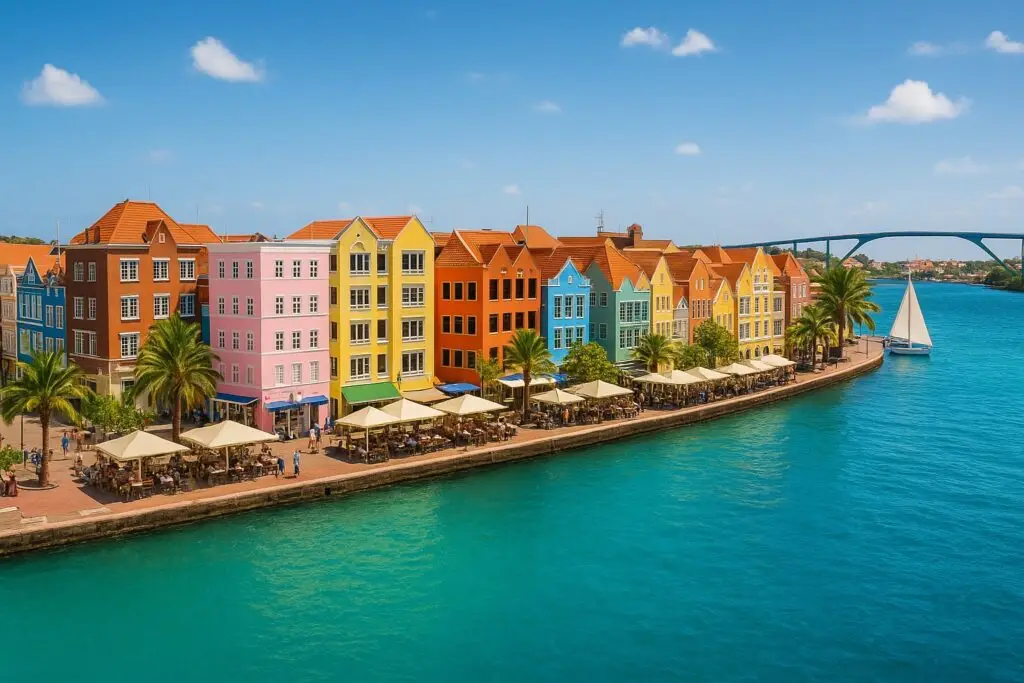
Curaçao is a Caribbean gem that feels like a world of its own — a colorful fusion of European charm, tropical beaches, and vibrant island spirit. Nestled just north of Venezuela and part of the Dutch Caribbean, Curaçao blends Dutch heritage with Afro-Caribbean culture and Latin warmth.
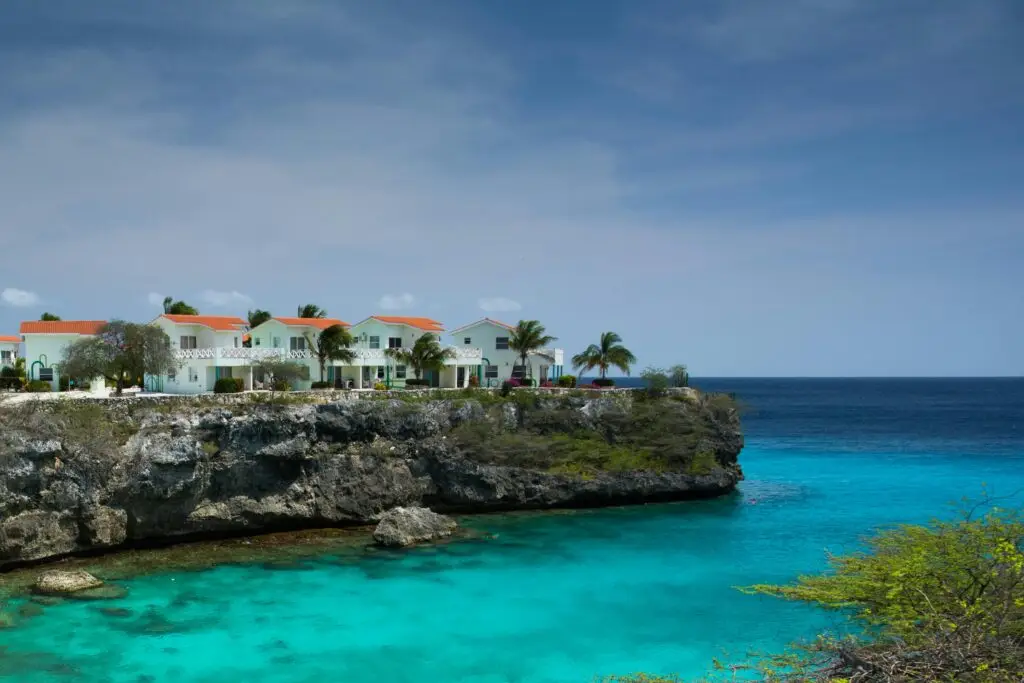
With its candy-colored capital Willemstad, UNESCO-listed architecture, world-class diving spots, and hidden coves, Curaçao is more than just a beach destination. It’s an island of contrasts: desert-like landscapes on one side, turquoise lagoons on the other.
Whether you come for the snorkeling, the pastel colonial buildings, or simply to unwind under palm trees, Curaçao offers a perfect balance between adventure and relaxation — all year round.
 Geography & Landscape
Curaçao lies outside the hurricane belt, making it one of the Caribbean’s most reliable sunny destinations. The island is about 64 km long and 16 km wide, with a rugged northern coast and a calmer southern coastline protected by coral reefs.
- North Coast: Dramatic limestone cliffs, caves, and blowholes shaped by strong waves.
- South Coast: Sheltered bays, coral reefs, and beaches ideal for swimming and snorkeling.
- Interior: Cactus-covered hills, salt flats, and the volcanic Christoffel Mountain.
The island’s terrain is semi-arid, more like a desert than a rainforest. But its dry beauty — dotted with divi-divi trees, aloe plants, and flamingo lagoons — gives Curaçao its unique charm.
 A Brief History of Curaçao
Curaçao’s story is a mix of indigenous roots, colonial power, and multicultural evolution.
- Arawak Origins: The first inhabitants were Arawak Indians who lived off fishing and farming.
- Spanish Colonization (1499–1634): The Spanish claimed the island but found it unsuitable for agriculture.
- Dutch Era (from 1634): The Dutch West India Company took control, turning Curaçao into a major trading hub. Willemstad’s harbor became central to regional commerce — and sadly, also to the Atlantic slave trade.
- Cultural Melting Pot: Over centuries, Curaçao blended African, European, and Caribbean influences, creating a rich multicultural identity reflected in language, cuisine, and traditions.
- Autonomy: Curaçao gained self-governing status within the Kingdom of the Netherlands in 2010.
Today, Curaçao is an autonomous country with its own parliament, flag, and vibrant national pride — while maintaining Dutch ties.
 Willemstad – The Heart and Soul of Curaçao
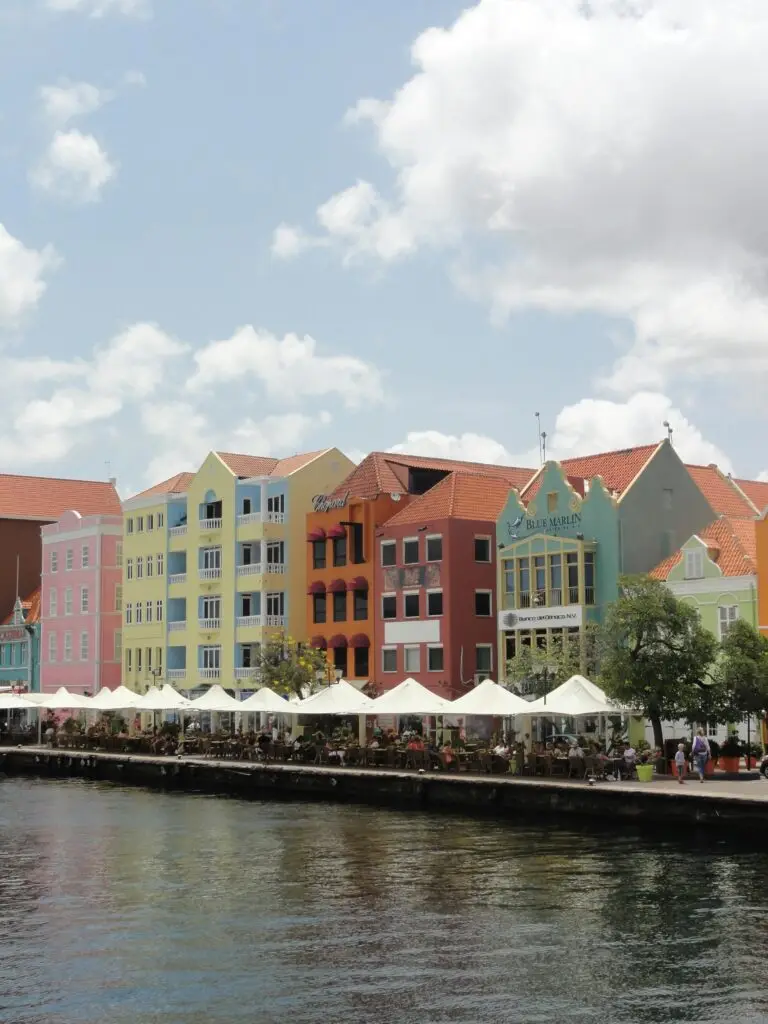
The capital city, Willemstad, is the beating heart of the island — colorful, historical, and full of life. Split by St. Anna Bay, the city consists of two main districts:
Punda
The oldest and most famous part of the city, Punda is filled with narrow streets, museums, cafés, and pastel-hued buildings.
- Handelskade: The iconic waterfront lined with brightly painted Dutch-style houses — one of the most photographed places in the Caribbean.
- Queen Emma Bridge: A floating pedestrian bridge that swings open for ships — locals call it “the Swinging Old Lady.”
- Fort Amsterdam: Built in 1635, it now houses the government offices and the Governor’s residence.
- Mikvé Israel-Emanuel Synagogue: The oldest continuously operating synagogue in the Americas (1732).
Otrobanda
Across the bay, Otrobanda offers a more local, artistic vibe.
- Kura Hulanda Village: A museum complex that tells the story of the African diaspora and the slave trade.
- Street Art Murals: Vibrant walls and alleyways filled with urban art and local creativity.
- Renaissance Square: Modern shops and restaurants beside old colonial charm.
Both districts are connected by the bridge and small ferries, creating a seamless flow of culture and energy.
 Best Beaches in Curaçao
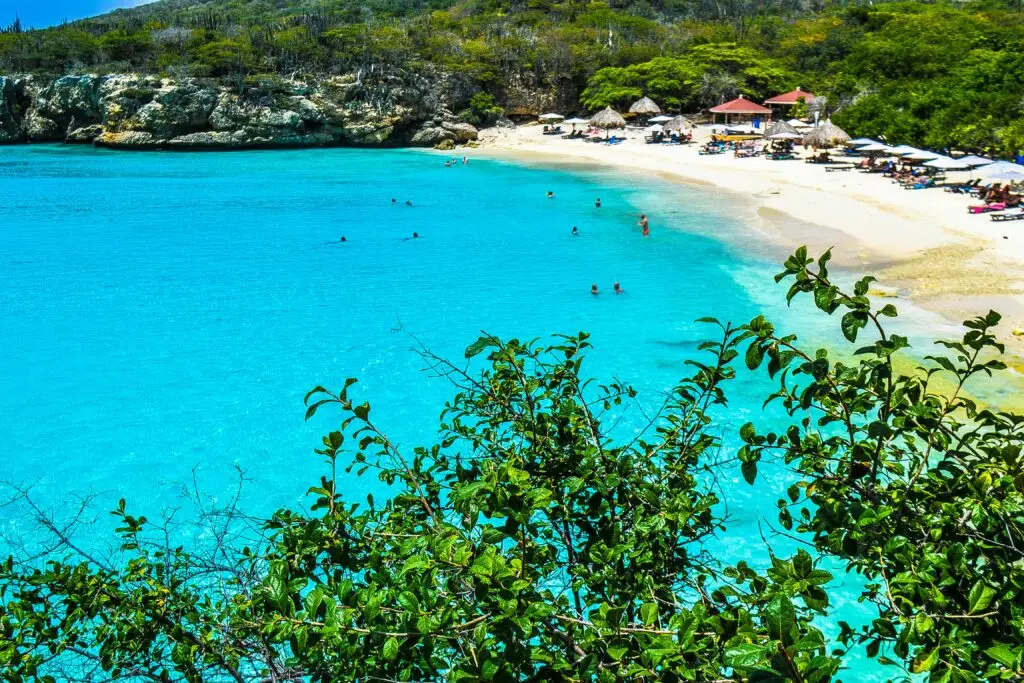
Curaçao’s beaches are mostly small, secluded coves rather than endless stretches of sand — each with its own character and shade of blue.
1. Grote Knip (Kenepa Grandi)
Perhaps the most iconic beach on the island. A dramatic cliffside view leads down to powdery white sand and crystalline turquoise water. Perfect for swimming and photography.
2. Kleine Knip (Kenepa Chiki)
Just around the corner from Grote Knip, this smaller, quieter cove is loved by locals. Great for snorkeling near the rocks.
3. Cas Abao Beach
Regularly listed among the Caribbean’s best beaches. Calm, shallow water ideal for families and snorkelers. Facilities include sunbeds, a bar, and palm-covered huts.
4. Playa Lagun
A narrow bay surrounded by cliffs, perfect for spotting sea turtles. It’s a favorite among divers and photographers.
5. Playa Porto Mari
Known for its double reef, excellent snorkeling, and friendly beach pigs that occasionally wander along the sand!
6. Mambo Beach (Seaquarium Beach)
The liveliest beach near Willemstad — lined with restaurants, bars, and shops. It’s also home to the Curaçao Sea Aquarium.
7. Playa Kalki (Alice in Wonderland)
On the island’s western tip, this beach offers some of the best dive sites, with coral gardens starting right offshore.
 Diving & Snorkeling Paradise
Curaçao is world-renowned for its diving. The island’s reefs are protected and easily accessible directly from shore.
Top Dive Sites
- Tugboat Wreck: A shallow shipwreck covered in coral and surrounded by colorful fish — perfect for snorkelers and beginners.
- Superior Producer: A deep wreck near Willemstad, one of the Caribbean’s top dives.
- Blue Room Cave: A glowing underwater cavern where sunlight turns the water electric blue.
- Mushroom Forest: A reef shaped like giant mushroom corals.
With over 65 official dive sites, Curaçao rivals Bonaire for its underwater beauty. Visibility often exceeds 30 meters, and water temperatures stay between 26–29°C year-round.
 Nature & Outdoor Activities
1. Christoffel National Park
Curaçao’s largest park covers over 2,000 hectares of rugged landscape, wildlife, and hiking trails. Climb Mount Christoffel (372 m) early in the morning for panoramic views across the island. You may spot deer, iguanas, and orchids along the way.
2. Shete Boka National Park
On the north coast, this park features dramatic cliffs, blowholes, and hidden bays where sea turtles lay their eggs. The roaring waves and natural caves make it a must-see for photographers.
3. Flamingo Sanctuary (Sint Willibrordus)
A peaceful salt flat area where pink flamingos feed in shallow water — best viewed in the early morning or late afternoon.
4. Hato Caves
Limestone caves near the airport with stalactites, underground pools, and ancient Arawak petroglyphs. Tours offer insight into both geology and local legend.
5. Off-Road Adventures
The island’s west and north are perfect for jeep safaris or ATV tours through cacti fields, cliffs, and remote beaches.
Book Here:
 Culture & Festivals
Curaçao’s cultural scene is colorful, musical, and full of life. The island’s population includes people of African, European, Latin American, and Asian descent — resulting in a true melting pot of traditions.
Carnival (January–March)
Curaçao’s biggest and most spectacular celebration. Weeks of parades, music, and costumes fill the island with color and joy, culminating in the Grand Marcha Parade in Willemstad.
Tumba Festival
Named after the local music genre Tumba, this event showcases local bands competing for the title of Carnival King or Queen.
Curaçao North Sea Jazz Festival (August)
A world-class music festival that has featured legends like Lionel Richie, Stevie Wonder, and Alicia Keys.
Curaçao Pride, Seú Harvest Festival, and Simadan
These events celebrate love, tradition, and agriculture, showing the island’s diversity and togetherness.
 Food & Cuisine
Curaçao’s cuisine reflects its multicultural heritage — a mix of Dutch, Caribbean, and Latin American flavors.
Must-Try Dishes
- Keshi Yena: A national favorite — cheese stuffed with meat, vegetables, and spices.
- Stoba: Traditional stews made with goat, beef, or papaya.
- Funchi: Cornmeal side dish similar to polenta.
- Pastechi: Fried pastries filled with cheese, tuna, or chicken — perfect for breakfast or snacks.
- Bolo di Cashupete: Cashew nut cake served at celebrations.
- Lionfish Dishes: Sustainable seafood choice helping protect reefs.
Local Drinks
- Blue Curaçao Liqueur: The island’s signature spirit, made from the Laraha citrus fruit.
- Amstel Bright & Polar Beer: Popular local brews.
- Rum Punch & Awa di Lamunchi: Lime-based drinks that refresh under the Caribbean sun.
 Towns & Areas to Explore
Punda & Otrobanda (Willemstad):
Historic architecture, markets, art, and nightlife.
Jan Thiel:
A modern resort area with upscale hotels, beach clubs, and fine dining.
Westpunt:
Rural, quiet, and ideal for diving, hiking, and exploring hidden beaches.
Sint Willibrordus:
Charming village near flamingo lagoons and the famous pink church.
Piscadera Bay:
Resorts, casinos, and waterfront restaurants near the capital.
 Shopping & Local Crafts
Curaçao’s markets and boutiques reflect its creative island culture.
- Floating Market: Venezuelan traders sell fresh produce and fish directly from boats in Punda.
- Rif Fort Village: Modern shopping area within a restored 19th-century fort.
- Marshe Bieuw: Local food market where you can taste authentic Curaçaoan dishes.
- Art Galleries: Local artists sell colorful paintings and handmade jewelry inspired by island life.
 Getting Around
- Car Rental: The easiest way to explore; roads are well-maintained and signs are in Dutch/English.
- Buses & Minibuses: Budget-friendly but limited outside Willemstad.
- Taxis: Available but not metered — always agree on the fare before departure.
- Bikes & Scooters: Great for short distances or coastal routes.
Driving is on the right-hand side, and distances between attractions are short — usually less than 45 minutes from one side of the island to the other.
 Climate & Best Time to Visit
Curaçao enjoys a dry, sunny climate year-round with an average temperature of 28°C (82°F).
- Dry Season: January to September – ideal for beach days and diving.
- Rainy Season: October to December – brief showers, usually in the evening.
- Hurricane-Free Zone: Curaçao rarely experiences major storms.
The sea remains warm all year, making Curaçao perfect for snorkeling, swimming, and water sports anytime.
 Language & People
Curaçao is multilingual — locals speak Papiamentu, Dutch, English, and Spanish.
Papiamentu is a Creole language that mixes Portuguese, African, Dutch, and Spanish influences.
The island’s people are known for their warmth and friendliness. Greeting others with a smile or “Bon dia” (Good morning) is part of everyday life.
 Practical Information
- Capital: Willemstad
- Population: Around 160,000
- Language: Papiamentu, Dutch, English, Spanish
- Currency: Netherlands Antillean Guilder (ANG), also widely accepts US Dollars
- Time Zone: Atlantic Standard Time (UTC -4)
- Electricity: 110V, plugs type A/B (same as the U.S.)
- Safety: Curaçao is considered safe; normal precautions apply.
- Healthcare: Excellent medical services with modern facilities.
 Why You’ll Love Curaçao
Curaçao is not just another Caribbean island — it’s an experience that combines culture, color, and calm in one. From its pastel-hued capital to its secret bays and coral reefs, it’s a destination that feels both exotic and familiar.
It’s a place where you can dive into turquoise water in the morning, wander through a European-style city in the afternoon, and dance barefoot under the stars at night.
Curaçao’s soul lies in its contrasts — Dutch charm meets island rhythm, dry desert meets crystal sea — and that harmony makes it truly unforgettable.
 Related Articles
- 5 Once-in-a-Lifetime Floating Stays
- Top 10 Most Unique Places to Stay in Europe
- 10 Incredible Castles Around the World