
 Dominican Republic Travel Guide – Paradise of Culture, Coastlines, and Caribbean Rhythm
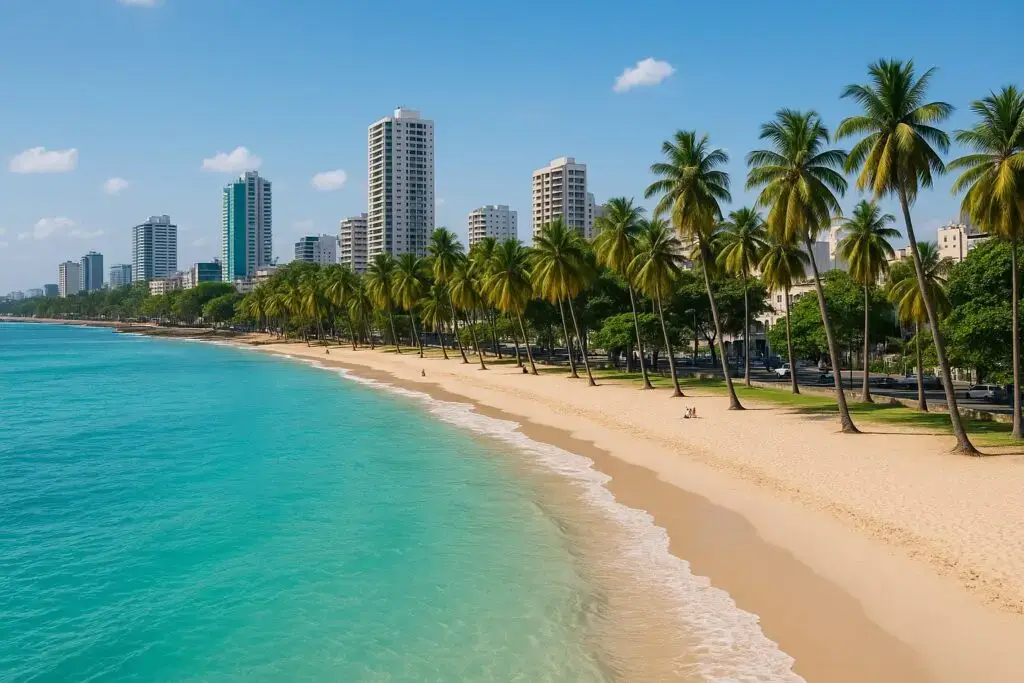
The Dominican Republic — often called the heartbeat of the Caribbean — is a land of sun-kissed beaches, emerald mountains, colonial charm, and warm, welcoming people.
Sharing the island of Hispaniola with Haiti, it is the second-largest nation in the Caribbean, yet feels like a dozen destinations in one.
From the luxurious all-inclusive resorts of Punta Cana to the colonial streets of Santo Domingo, from whale watching in Samaná to hiking in Jarabacoa’s highlands, the Dominican Republic blends tropical beauty with rich culture. It’s a place where bachata drifts from beach bars, merengue fills the air, and every sunset seems to last just a little longer.
 Geography & Landscape
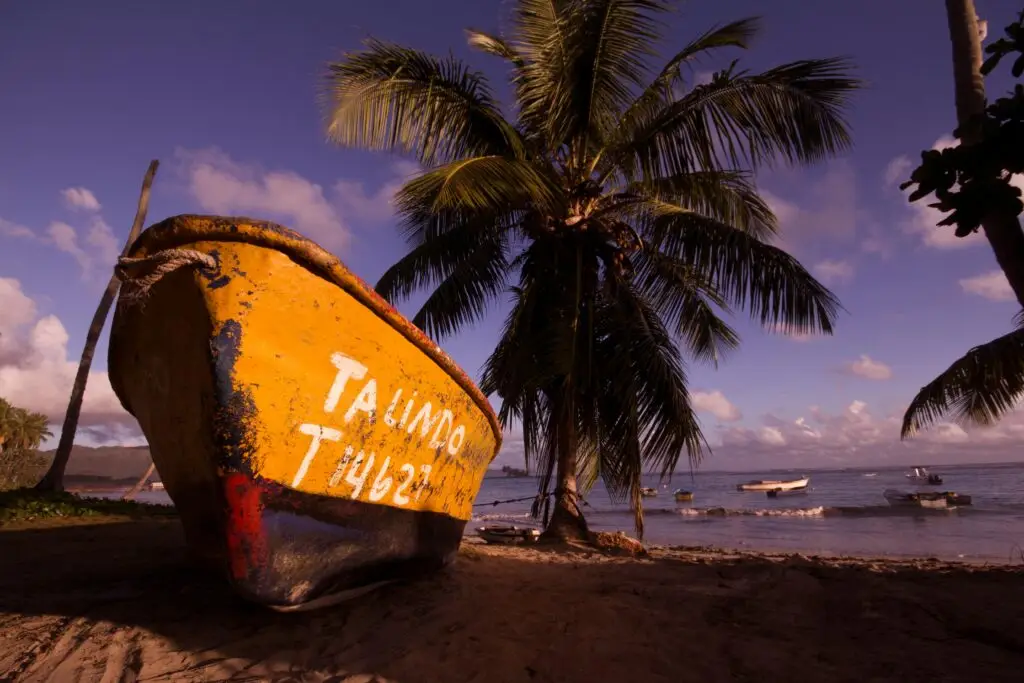
The Dominican Republic covers about 48,000 square kilometers — making it roughly the size of Switzerland — and is home to the Caribbean’s highest mountain and deepest lake.
- Cordillera Central: The island’s mountainous backbone, including Pico Duarte (3,098 m / 10,164 ft), the highest peak in the Caribbean.
- North Coast: Stretching from Monte Cristi to Samaná, this area offers golden beaches and surf towns like Cabarete.
- South Coast: Home to the capital Santo Domingo and Caribbean-side beaches.
- East Coast: Famous for white-sand beaches and luxury resorts in Punta Cana and Bávaro.
- West & Southwest: Semi-arid and wild, featuring desert landscapes, salt flats, and lagoons.
The contrast is astonishing — one moment you’re swimming in turquoise water, the next you’re driving through pine-covered mountains or cactus-studded deserts.
 A Brief History
The Dominican Republic’s history is as deep and complex as its landscapes.
- Indigenous Taíno: The island was originally inhabited by the Taíno people, who called it Quisqueya (“Mother of all lands”).
- Spanish Colonization (1492): Christopher Columbus landed here on his first voyage, founding Santo Domingo, the first permanent European settlement in the Americas.
- Colonial Struggles: The island changed hands several times between Spain, France, and Haiti over the centuries.
- Independence (1844): After revolts and occupations, the Dominicans declared independence under the leadership of Juan Pablo Duarte.
- Modern Era: Today, the Dominican Republic is a thriving democracy and the Caribbean’s most visited destination, balancing progress with deep cultural pride.
 Santo Domingo – The Capital of History
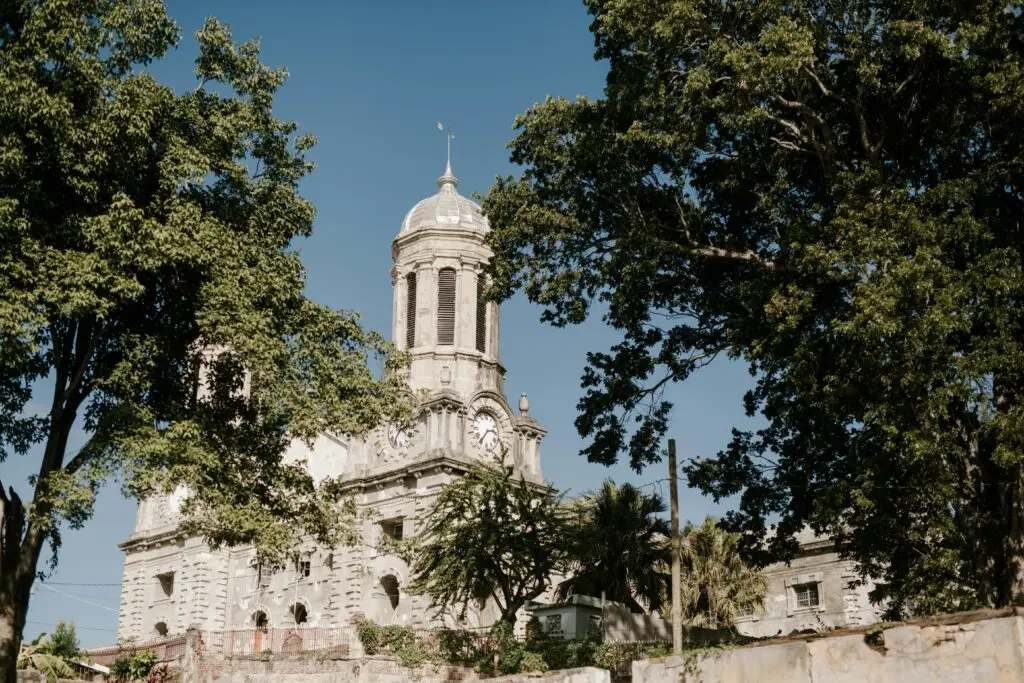
Founded in 1496, Santo Domingo is the oldest continuously inhabited European city in the Americas and a UNESCO World Heritage Site. Its Zona Colonial is a living museum of cobblestone streets and Spanish architecture.
Top Highlights
- Catedral Primada de América: The first cathedral built in the New World (completed 1540).
- Alcázar de Colón: Columbus’s son Diego once lived here; now a museum of colonial art.
- Calle Las Damas: The oldest paved street in the Americas.
- Plaza de España: A lively square with restaurants and music at night.
- Malecón: A coastal boulevard where locals stroll, fish, and celebrate festivals.
Beyond history, Santo Domingo pulses with modern energy — sleek malls, rooftop bars, and a nightlife scene filled with merengue and salsa.
 The Beaches of the Dominican Republic
The country’s 1,600 km (1,000 miles) of coastline include some of the Caribbean’s finest beaches.
1. Punta Cana & Bávaro Beach
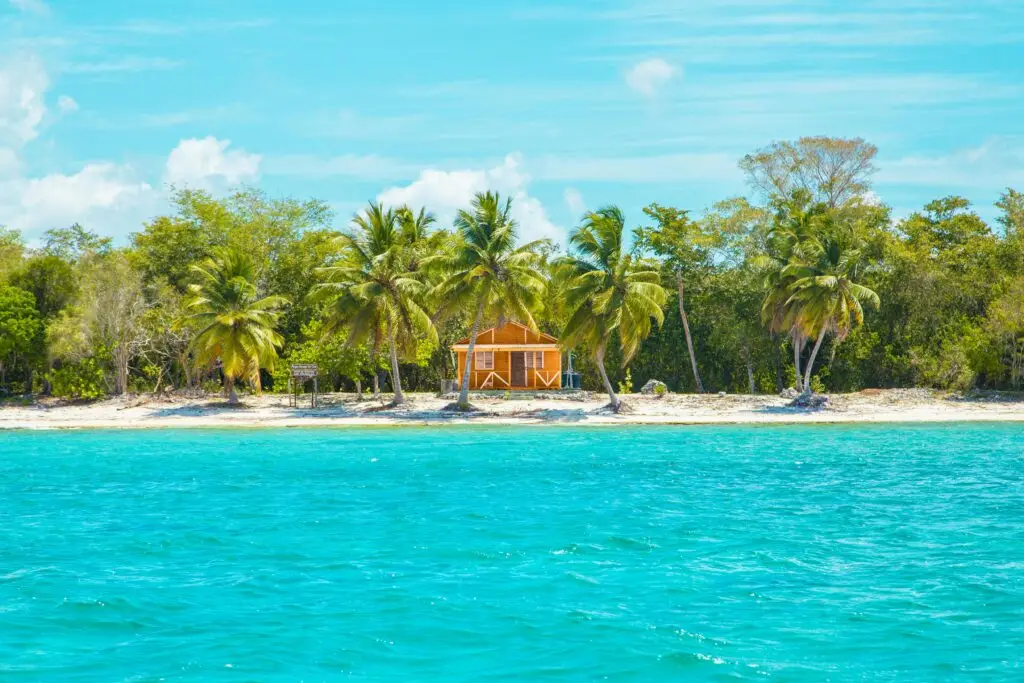
Miles of soft white sand, calm turquoise water, and palm trees as far as the eye can see. Ideal for swimming, sailing, and simply relaxing under a thatched umbrella.
2. Playa Rincón (Samaná Peninsula)
Frequently ranked among the world’s most beautiful beaches — untouched, scenic, and flanked by rainforest and mountains.
3. Playa Grande (Río San Juan)
Golden sands with rolling waves — a surfer’s paradise backed by cliffs.
4. Bahía de las Águilas (Jaragua National Park)
A remote beach near the Haitian border, accessible by boat or 4×4. Completely undeveloped, it’s the definition of paradise.
5. Cabarete & Sosúa (North Coast)
Cabarete is famous for kitesurfing; nearby Sosúa offers calm water and lively beach bars.
6. Juan Dolio & Boca Chica (near Santo Domingo)
Popular local beaches for weekend escapes from the capital.
Wherever you go, the Dominican shoreline blends beauty, rhythm, and adventure.
 Nature & Outdoor Adventures
Beyond beaches, the Dominican Republic is an ecological wonderland.
1. Pico Duarte & the Cordillera Central
Hike to the top of the Caribbean in a two- or three-day trek through pine forest, coffee farms, and cool mountain air.
2. Los Haitises National Park
A maze of mangroves, limestone cliffs, and caves with ancient Taíno rock art — accessible by boat from Samaná Bay.
3. Jarabacoa & Constanza
Known as the “Dominican Alps.” Enjoy waterfalls like Jimenoa Falls, paragliding, and rafting on the Yaque del Norte River.
4. Samaná Bay Whale Watching
From January to March, thousands of humpback whales migrate to mate and give birth — an unforgettable natural spectacle.
5. Lake Enriquillo
The Caribbean’s largest lake and lowest point (-44 m / -144 ft). Home to flamingos, iguanas, and American crocodiles.
6. 27 Charcos de Damajagua
Near Puerto Plata, you can climb and jump through 27 waterfalls — one of the island’s top adventure experiences.
 Culture, Music & People
Dominican culture is a celebration of life — full of rhythm, faith, and family.
Music & Dance
- Merengue: Fast-paced, joyful music that originated here and became the national rhythm.
- Bachata: Romantic and emotional, now popular worldwide.
- Reggaetón & Dembow: The modern urban sound of the youth.
Music is everywhere — in bars, taxis, and public squares. Dancing isn’t just entertainment; it’s identity.
Language & Religion
- Language: Spanish is official, but many Dominicans speak English or French as well.
- Religion: Predominantly Roman Catholic, with growing Protestant and Afro-Caribbean spiritual traditions.
People
Dominicans are famously friendly and proud. Family is central, and visitors are quickly treated like part of the community. The national motto “Dios, Patria, Libertad” (God, Fatherland, Liberty) reflects the country’s strong sense of unity.
 Food & Cuisine
Dominican food combines African, Spanish, and Taíno influences — hearty, flavorful, and comforting.
Everyday Favorites
- La Bandera (Dominican Flag): Stewed meat, rice, beans, and fried plantains.
- Mangu: Mashed plantains served with onions, cheese, eggs, and salami — a traditional breakfast.
- Sancocho: A rich stew with meats, tubers, and vegetables — often served on holidays.
- Tostones: Twice-fried green plantains.
- Pollo Guisado: Stewed chicken in tomato sauce.
- Habichuelas con Dulce: Sweet bean dessert, a Holy Week specialty.
Drinks
- Presidente Beer: The country’s favorite lager.
- Mamajuana: A local aphrodisiac made by soaking rum, wine, and honey with herbs and tree bark.
- Fresh Juices: Passion fruit, papaya, and coconut water are everywhere.
Meals in the Dominican Republic are about gathering — expect laughter, music, and generous portions.
 Other Notable Destinations
Puerto Plata
A mix of beaches, history, and adventure. Take the cable car up Mount Isabel de Torres for views of the Atlantic, or explore the Victorian architecture downtown.
Samaná Peninsula
Lush, less-developed, and filled with waterfalls, coconut palms, and secret beaches. El Limón Waterfall is a must-visit.
La Romana & Bayahibe
Gateway to Isla Saona, a postcard-perfect island within the Cotubanamá National Park.
Barahona & Pedernales
The wild southwest — turquoise lagoons, desert dunes, and untouched bays.
Constanza
High-altitude farmland known for strawberries, flowers, and crisp air.
Architecture & Colonial Heritage
Santo Domingo’s Zona Colonial is a treasure of early European architecture. Many buildings from the 1500s remain, giving visitors a glimpse into the dawn of the Americas.
Elsewhere, you’ll see colorful Caribbean houses with wooden shutters, 19th-century cathedrals, and modern coastal resorts designed to blend tradition with luxury.
 Sports & Outdoor Life
Dominicans live and breathe baseball (béisbol) — it’s the national passion. The country has produced MLB legends like David Ortiz and Pedro Martínez.
Other popular sports include basketball, boxing, and surfing in Cabarete. Golfers will find world-class courses along the coast, including Casa de Campo’s “Teeth of the Dog.”
Book Tours here:
 Getting Around
- By Air: Two main international airports — Punta Cana (PUJ) and Santo Domingo (LAS) — plus regional hubs in Puerto Plata and Samaná.
- By Car: The best option for exploring; highways between major cities are excellent.
- By Bus: Comfortable and affordable; companies like Caribe Tours connect most regions.
- By Moto-Taxi or Guagua: Local motorcycle taxis and minibuses are cheap but adventurous.
Driving is on the right-hand side. Expect lively traffic and friendly chaos in cities.
 Climate & Best Time to Visit
The Dominican Republic has a tropical climate with average temperatures between 25–31 °C (77–88 °F) year-round.
- Dry Season: December – April — best for beaches and outdoor trips.
- Green Season: May – November — lush landscapes, afternoon rain showers, fewer tourists.
- Hurricane Season: June – October, though direct hits are rare.
Thanks to varied elevation, you can experience tropical heat on the coast and cool mountain air in Jarabacoa — all in the same day.
 Practical Information
- Capital: Santo Domingo
- Population: ~11 million
- Language: Spanish
- Currency: Dominican Peso (DOP)
- Electricity: 110 V (US-style plugs)
- Time Zone: Atlantic Standard Time (UTC -4)
- Safety: Tourist areas are generally safe; use common sense.
- Internet: Reliable 4G and Wi-Fi in most hotels and towns.
 Why You’ll Love the Dominican Republic
Because it’s more than beaches.
It’s sunrise hikes in the mountains, whale songs in Samaná Bay, merengue in the streets, and the scent of fresh coffee in the morning air.
It’s a country that celebrates life in every form — through music, color, and generosity.
Whether you come for adventure, culture, or pure relaxation, the Dominican Republic leaves an impression that lingers long after you leave.
Here, paradise has rhythm — and it’s contagious.
 Related Articles
- 5 Once-in-a-Lifetime Floating Stays
- Top 10 Most Unique Places to Stay in Europe
- 10 Incredible Castles Around the World