
 Jamaica Travel Guide – The Island of Rhythm, Mountains, and Endless Sunshine
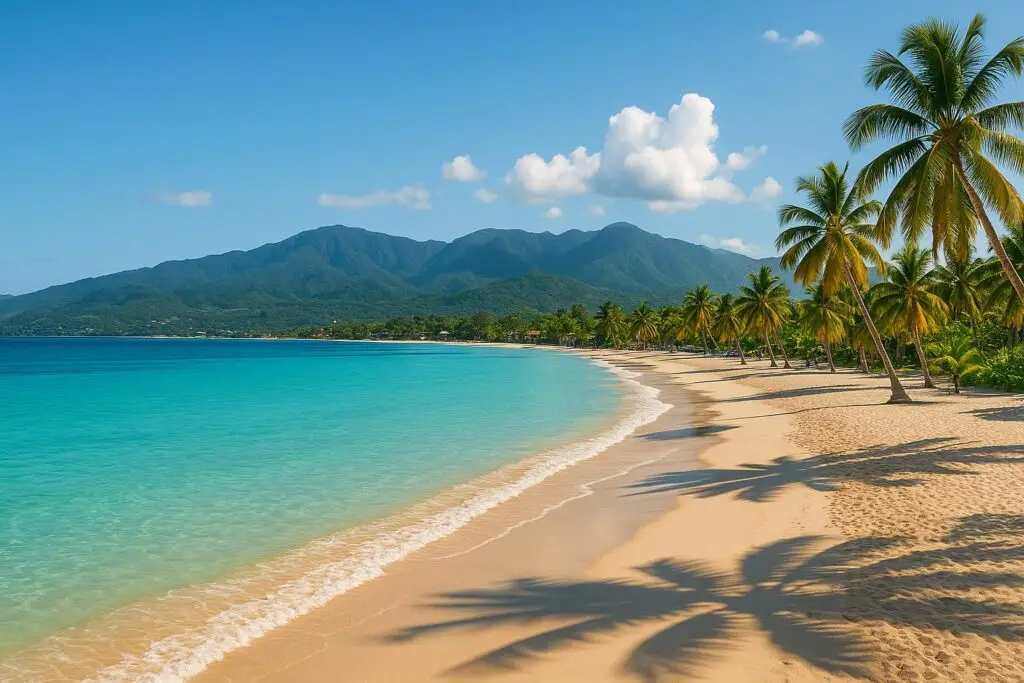
Jamaica — the beating heart of the Caribbean — is a land of rhythm, flavor, and breathtaking beauty. Known for reggae, Rastafarian culture, and warm hospitality, Jamaica offers far more than just beaches. It’s an island where the mountains meet the sea, where every village has a story, and where music flows like the tropical breeze.
From the misty peaks of the Blue Mountains to the white sands of Negril and the vibrant energy of Kingston, Jamaica is a destination that awakens every sense. Whether you’re exploring hidden waterfalls, tasting jerk chicken from a roadside stall, or watching a golden sunset over Montego Bay, Jamaica is pure Caribbean soul.
 Geography & Landscape
Jamaica lies in the heart of the Caribbean Sea, just south of Cuba and west of Haiti. It is the third-largest island in the Caribbean, stretching about 235 km long and 80 km wide. The island’s terrain is a striking mix of rugged mountains, lush valleys, and tropical coastline.
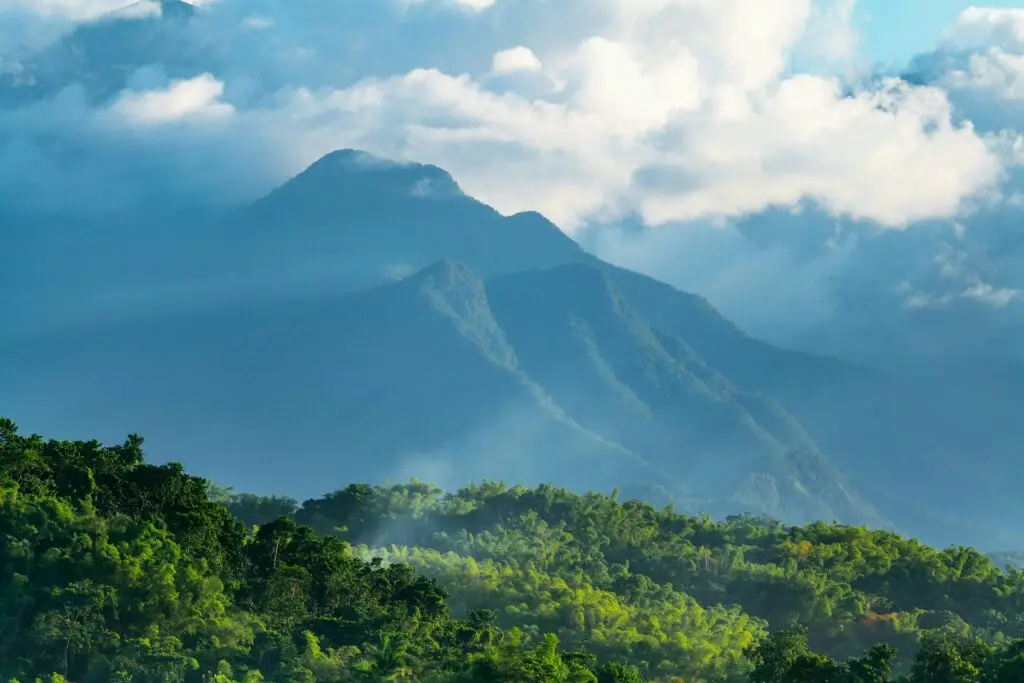
- The Blue Mountains: Rising to over 2,250 meters (7,400 ft), these misty peaks are home to world-famous Blue Mountain coffee and endless hiking trails.
- The North Coast: Golden beaches, coral reefs, and resort towns like Montego Bay and Ocho Rios.
- The South Coast: More local and authentic, with fishing villages and black sand beaches.
- The Interior: Jungle-covered hills, limestone caves, and waterfalls like Dunn’s River Falls and YS Falls.
Jamaica’s biodiversity is equally impressive, with over 3,000 plant species, dozens of native birds, and marine life ranging from dolphins to sea turtles.
 A Brief History of Jamaica
Jamaica’s story is one of resilience and cultural fusion.
- Pre-Columbian Era: The island was originally inhabited by the Taino people, who called it “Xaymaca,” meaning land of wood and water.
- Spanish Rule (1494–1655): Christopher Columbus claimed Jamaica for Spain, but the Taino population quickly declined due to disease and enslavement.
- British Rule (1655–1962): The British established sugar plantations worked by enslaved Africans. Their descendants form the foundation of modern Jamaican culture.
- Independence: Jamaica gained independence in 1962, becoming a symbol of Caribbean pride and creativity.
Jamaica’s struggles gave birth to a unique cultural identity — one that values freedom, self-expression, and unity.
 Main Cities & Regions
Kingston – The Capital of Culture and Music
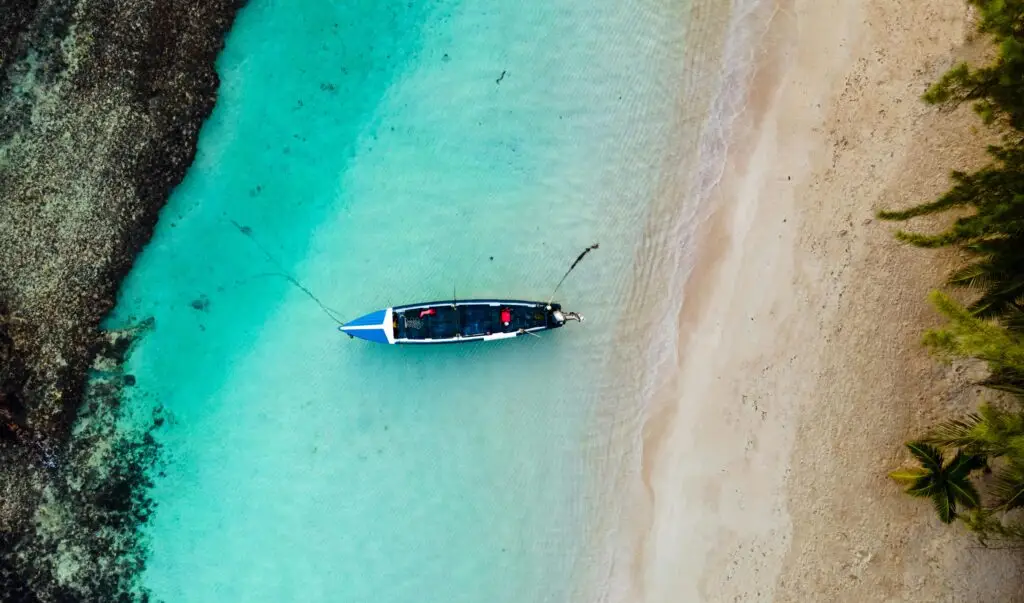
Jamaica’s capital is alive with creativity and history.
- Bob Marley Museum: Located in Marley’s former home and recording studio — a pilgrimage for music lovers.
- Devon House: A restored 19th-century mansion famous for its ice cream and colonial architecture.
- Emancipation Park: Lush green space with symbolic sculptures celebrating freedom.
- Trench Town: The birthplace of reggae, where you can visit local studios and community art projects.
Kingston is intense, colorful, and inspiring — a city where the heartbeat of reggae still echoes through the streets.
Montego Bay – Beachside Energy
Known locally as “MoBay,” this is Jamaica’s tourism hub.
- Doctor’s Cave Beach: Famous for clear water and golden sand.
- Rose Hall Great House: A plantation estate with legends of the “White Witch of Rose Hall.”
- Hip Strip (Gloucester Avenue): Shops, cafés, and beach bars line this vibrant stretch.Montego Bay mixes resort comfort with Jamaican soul — perfect for both relaxation and nightlife.
Ocho Rios – Waterfalls and Adventure
Located on the north coast, Ocho Rios is known for its lush beauty.
- Dunn’s River Falls: Jamaica’s most famous waterfall, where visitors can climb cascading tiers surrounded by jungle.
- Mystic Mountain: Offers zip-lining, bobsled rides, and stunning ocean views.
- Fern Gully: A road through a natural rainforest tunnel filled with tropical ferns.
It’s the perfect blend of nature and adventure.
Negril – Laid-Back Paradise
Famous for its Seven Mile Beach, Negril is all about relaxation and sunsets.
- Rick’s Café: Iconic cliffside bar where locals and tourists jump into the turquoise sea at sunset.
- Bloody Bay: A quiet stretch of sand ideal for snorkeling.
- Negril Lighthouse: Great for photos and views over the cliffs.
Negril is the most carefree corner of Jamaica — reggae beats, palm trees, and endless sea views.
Port Antonio – Untouched and Beautiful
Less developed than other resort areas, Port Antonio on the northeast coast is pure paradise.
- Blue Lagoon: A stunning natural pool that changes color with the sunlight.
- Reach Falls: A hidden waterfall in lush rainforest.
- Navy Island: Once owned by actor Errol Flynn, now a peaceful getaway.
This is where celebrities in the 1950s came to escape — and where you can still find quiet beaches and true Caribbean charm.
 Nature & Outdoor Adventures
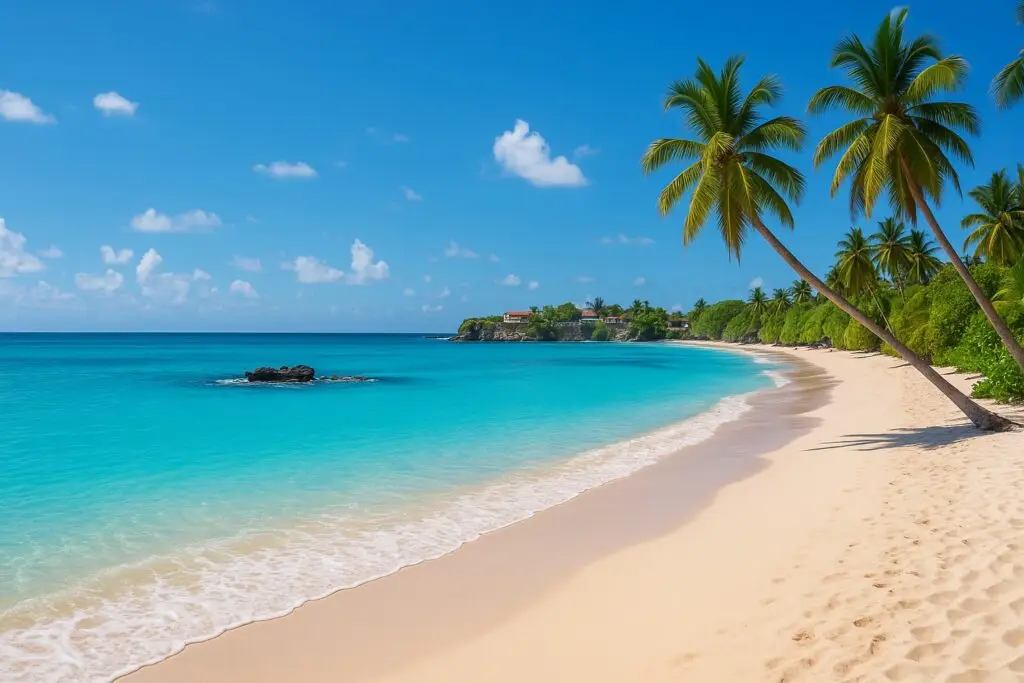
Jamaica’s natural beauty is one of its greatest treasures. Beyond the beaches, the island offers waterfalls, rivers, and mountains to explore.
1. Blue Mountains National Park
A UNESCO World Heritage Site, the Blue Mountains are a hiker’s dream. Trails wind through tropical forest, coffee plantations, and cloud-shrouded peaks. The Blue Mountain Peak Trail rewards climbers with sunrise views across the Caribbean — and on clear days, even Cuba.
2. Dunn’s River Falls
Located near Ocho Rios, this natural staircase waterfall is Jamaica’s most famous attraction. Visitors can climb the falls hand-in-hand, guided by locals who make it a fun and social experience.
3. YS Falls
On the south coast, this series of waterfalls is surrounded by gardens and zip lines — less crowded than Dunn’s River but just as beautiful.
4. Martha Brae River Rafting
One of Jamaica’s most peaceful experiences. Sit on a bamboo raft steered by a local guide while floating through lush rainforest.
5. Black River Safari & Pelican Bar
Take a boat trip through the mangrove-lined Black River to spot crocodiles and birds — then stop at Floyd’s Pelican Bar, a tiny wooden bar built on stilts in the middle of the sea.
6. Cockpit Country
A mysterious limestone region with caves, hills, and hidden trails — once a refuge for Maroon communities who fought for freedom.
 Culture, Music & People
Jamaica’s culture is world-famous — a powerful mix of African, European, and Caribbean influences expressed through music, language, and art.
Reggae & Rastafari
No place in the world has influenced global music like Jamaica.
- Reggae: Born from ska and rocksteady in the 1960s, reggae became the voice of peace and rebellion through icons like Bob Marley, Peter Tosh, and Jimmy Cliff.
- Rastafarianism: A spiritual movement promoting unity, natural living, and resistance against oppression. The red, gold, and green colors of Rastafari are seen across the island.
Language
English is official, but most locals speak Patois, a Creole language full of rhythm and expression.
- Example: “Wah gwaan?” = “What’s going on?”
- “Irie” = Everything’s good, cool, or awesome.
People
Jamaicans are proud, expressive, and welcoming. The island’s motto — “Out of Many, One People” — reflects its diversity and unity.
 Food & Drink
Jamaican cuisine is a sensory explosion — spicy, smoky, and full of character.
Signature Dishes
- Jerk Chicken & Pork: Marinated in Scotch bonnet peppers, thyme, and allspice, then slow-grilled over pimento wood.
- Ackee and Saltfish: The national dish — salted codfish cooked with ackee fruit, onions, and peppers.
- Curry Goat: A rich, slow-cooked curry with Caribbean spices.
- Festival & Bammy: Fried bread and cassava cakes served with fish or jerk meat.
- Pepper Pot Soup: Hearty and spicy with callaloo greens.
Drinks
- Red Stripe Beer: Jamaica’s signature lager.
- Rum Punch & Appleton Rum: Sweet, strong, and served everywhere.
- Blue Mountain Coffee: Grown in high-altitude mist; one of the world’s best coffees.
- Fresh Coconut Water & Ting: Perfect tropical refreshment.
Eating in Jamaica is more than a meal — it’s a celebration. From roadside jerk shacks to beachside grills, food brings people together.
 Beaches of Jamaica
1. Seven Mile Beach (Negril)
One of the Caribbean’s most famous beaches — golden sand, calm waves, and vibrant sunsets.
2. Doctor’s Cave Beach (Montego Bay)
Crystal-clear waters reputed for healing properties since the 1920s.
3. Frenchman’s Cove (Port Antonio)
A secluded bay surrounded by rainforest and a freshwater river flowing into the sea.
4. Treasure Beach (South Coast)
Quiet fishing villages, eco-lodges, and a laid-back vibe.
5. Boston Bay (Portland)
Famous for jerk food and surfing.
 Shopping & Local Crafts
- Craft Markets: Kingston and Ocho Rios markets offer handmade jewelry, carvings, and woven baskets.
- Blue Mountain Coffee Beans: A must-buy souvenir.
- Local Art: Vibrant paintings, music, and sculptures inspired by island life.
- Rum: Each region produces its own variations of aged Jamaican rum.
 Getting Around
- Driving: On the left-hand side, like in the UK. Roads are generally good but winding in the mountains.
- Route Taxis: Shared taxis are the cheapest local transport.
- Buses: Public buses are available but often crowded.
- Car Rental: Ideal for exploring the countryside independently.
Distances are short — you can drive from Kingston to Negril in about 5–6 hours.
 Best Time to Visit
Jamaica enjoys tropical weather year-round, with average temperatures between 25–32°C (77–90°F).
- Dry Season: December to April — the most popular and sunny.
- Wet Season: May to November — brief showers, lush scenery, and fewer crowds.
- Hurricane Risk: Low, but possible from August to October.
The best months for travel are January to March, when festivals, great weather, and lively energy fill the island.
 Practical Information
- Capital: Kingston
- Population: ~2.8 million
- Language: English & Jamaican Patois
- Currency: Jamaican Dollar (JMD)
- Electricity: 110V (US-style plugs)
- Safety: Generally safe in tourist areas; avoid isolated spots after dark.
- Religion: Mostly Christian, with Rastafarian and Revivalist traditions.
 Why You’ll Love Jamaica
Jamaica isn’t just a destination — it’s an emotion.
It’s the rhythm of drums under the moon, the scent of jerk spices in the air, the laughter of locals greeting you with “Ya mon!”, and the freedom you feel standing on a beach with reggae playing in the distance.
It’s an island that teaches you to slow down, smile more, and live irie — in peace, love, and harmony.
Jamaica’s magic lies not just in its landscapes, but in its spirit. Once you feel that rhythm, it stays with you forever
 Related Articles
- 5 Once-in-a-Lifetime Floating Stays
- Top 10 Most Unique Places to Stay in Europe
- 10 Incredible Castles Around the World