 Martinique Travel Guide – The Island of Flowers and French-Caribbean Elegance
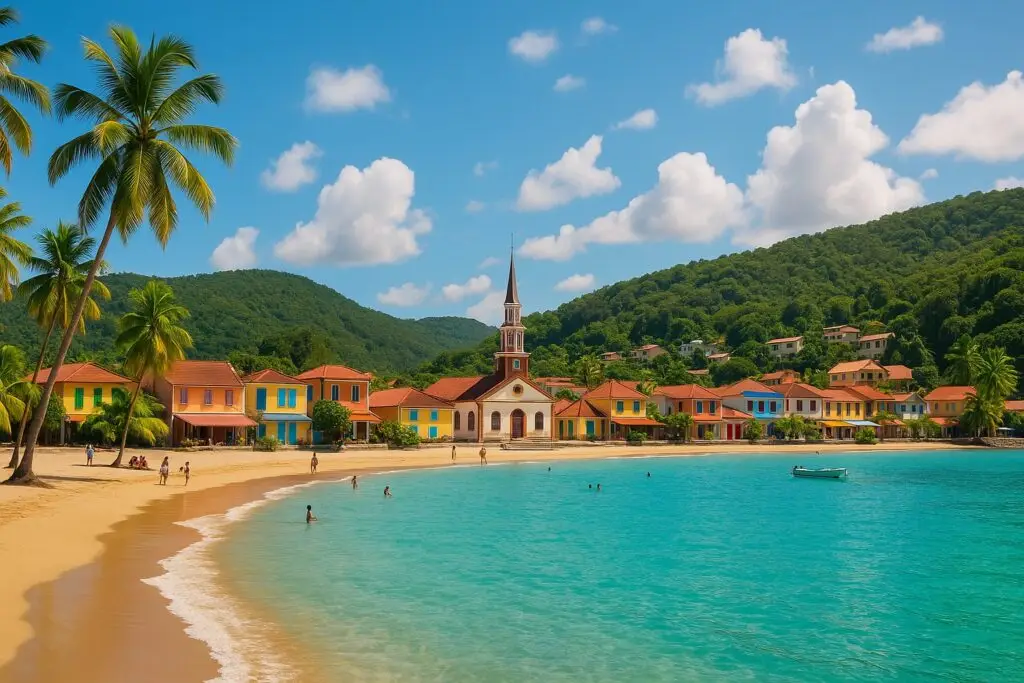
Martinique — often called “L’île aux Fleurs” (The Island of Flowers) — is a tropical paradise where Caribbean beauty meets French sophistication. Nestled in the heart of the Lesser Antilles between Dominica and Saint Lucia, this French overseas region enchants visitors with its emerald mountains, black and white sand beaches, colorful Creole villages, and a rhythm that dances between Europe and the tropics.
Whether you’re wandering the vibrant markets of Fort-de-France, hiking through the rainforest to the peak of Mount Pelée, or sipping local rum with your feet in the sand, Martinique feels like two worlds in perfect harmony: French refinement and Caribbean soul.
The island’s landscape ranges from wild volcanic peaks in the north to palm-lined coves and coral reefs in the south — making it a destination for every kind of traveler.
 Geography & Landscape
Martinique covers about 1,100 square kilometers, yet packs in a stunning variety of environments. The island is divided into two contrasting halves:
- North Martinique: Dominated by lush rainforest, waterfalls, and the volcano Mount Pelée. The black sand beaches here are a legacy of its volcanic past.
- South Martinique: Known for golden beaches, calm turquoise bays, and resorts. It’s the island’s leisure and sailing hub.
- The Caribbean Coast: Calm and clear waters ideal for swimming and snorkeling.
- The Atlantic Coast: Windier and wilder, popular for surfing and kiteboarding.
The island’s terrain includes mangroves, sugarcane fields, banana plantations, and tropical gardens filled with orchids and hibiscus — earning it its floral nickname.
 A Brief History of Martinique
Martinique’s story is as dramatic as its landscape — marked by indigenous heritage, colonization, resilience, and rich cultural evolution.
- Pre-Columbian Era: The island was first inhabited by the Arawak and later the Carib people, who called it Madinina, meaning “Island of Flowers.”
- European Arrival (1502): Christopher Columbus landed here on his fourth voyage.
- French Colonization (1635): The French established settlements and plantations, introducing African slaves who would shape much of Martinique’s culture.
- Sugar & Slavery: The island became a major sugar producer, its economy dependent on slave labor until the abolition of slavery in 1848.
- Volcanic Eruption (1902): Mount Pelée erupted, destroying Saint-Pierre — then the island’s capital — and killing over 30,000 people in minutes.
- Modern Era: Martinique became an official overseas department of France in 1946, and remains part of the European Union, using the euro as its currency.
Today, Martinique’s identity blends French influence with Afro-Caribbean heritage, creating a vibrant Creole culture celebrated in food, language, and music.
 Fort-de-France – The Capital
Fort-de-France, the island’s bustling capital, sits on the western coast overlooking a natural harbor. It’s both historic and cosmopolitan, with colonial architecture, markets, museums, and botanical gardens.
Top Attractions
- La Savane Park: The city’s main square, shaded by palm trees and home to a statue of Empress Joséphine (Napoleon Bonaparte’s wife, born in Martinique).
- Fort Saint-Louis: A 17th-century fortress still used by the French Navy. Visitors can tour its ramparts and enjoy sweeping harbor views.
- Schoelcher Library: An architectural gem built in Paris in the 19th century, then shipped and reassembled in Martinique.
- Grand Marché Couvert: A colorful indoor market filled with spices, fruits, rum, and handmade crafts.
- Saint-Louis Cathedral: Neo-Gothic landmark with stained glass and iron architecture.
Fort-de-France is lively, filled with music, art, and tropical energy.
 Best Beaches in Martinique
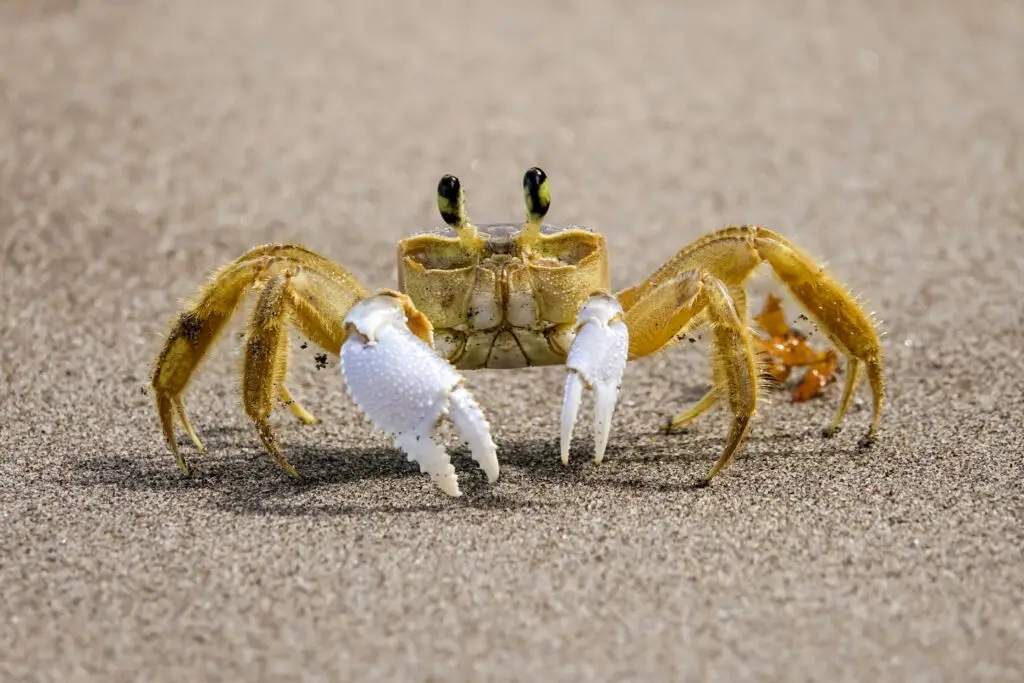
Martinique’s beaches are as diverse as its landscapes — from golden southern coves to black volcanic sands in the north.
1. Les Salines (Sainte-Anne)
Perhaps the island’s most famous beach. A long stretch of soft white sand, swaying palms, and crystal-clear water.
2. Anse Dufour & Anse Noire (Les Anses-d’Arlet)
Two neighboring coves — one with golden sand, one with black sand. Excellent for snorkeling, especially with sea turtles.
3. Anse Mitan (Trois-Îlets)
A lively beach near restaurants and ferry connections to Fort-de-France.
4. Grande Anse d’Arlet
A picturesque fishing village beach, ideal for families and swimming.
5. Anse Couleuvre (Le Prêcheur)
A remote black-sand beach in the north, framed by jungle cliffs and waterfalls.
6. Cap Chevalier (Sainte-Anne)
Protected lagoon with turquoise water, perfect for kayaking and windsurfing.
7. Tartane (Presqu’île de la Caravelle)
A surfer’s paradise on the Atlantic side with waves and natural beauty.
 Nature & Outdoor Adventures
1. Mount Pelée
Martinique’s active volcano and highest point (1,397 m). You can hike to the summit through misty forest trails for breathtaking views. Despite its violent eruption in 1902, it’s now one of the island’s must-do adventures.
2. Jardin de Balata
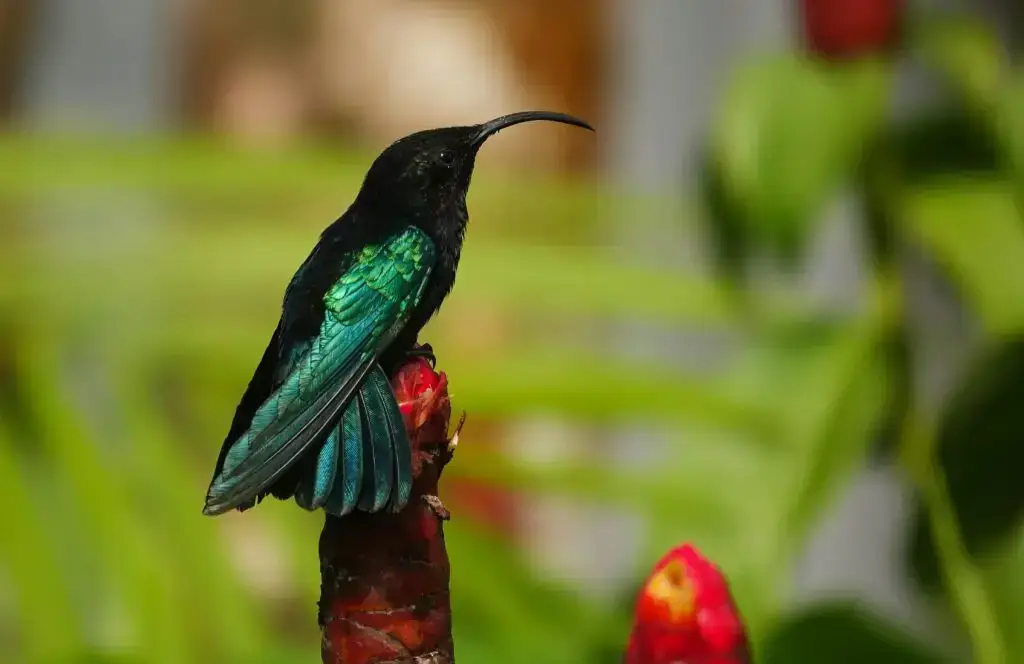
A spectacular botanical garden near Fort-de-France, with tropical plants, hummingbirds, and hanging bridges through the treetops.
3. Presqu’île de la Caravelle Nature Reserve
A peninsula on the east coast known for rugged cliffs, mangroves, and hiking trails with ocean views.
4. Waterfalls
- Cascade Didier: A two-tiered waterfall near Fort-de-France.
- Gorges de la Falaise: A river canyon near Ajoupa-Bouillon with dramatic scenery.
5. Diving & Snorkeling
Martinique’s reefs and shipwrecks attract divers from around the world. The waters off Saint-Pierre are especially rich in marine life.
6. Sailing & Boating
Yacht charters and catamaran excursions depart from Le Marin and Les Trois-Îlets. You can even sail to neighboring islands like Saint Lucia or Dominica.
 Culture & People
Martinique’s culture is a lively blend of French refinement and Afro-Caribbean warmth — a true Creole identity.
Language
- Official: French
- Spoken: Antillean Creole (Kréyol Matinikè), a melodic mix of French, African, and indigenous languages.
Music & Dance
- Zouk: A rhythmic style born in the French Antilles.
- Bèlè: Traditional music combining African drumming and Creole storytelling.
- Carnival: The island’s most famous celebration, filled with costumes, parades, and dance.
Art & Literature
Martinique has produced world-renowned intellectuals like Aimé Césaire, poet and founder of the Négritude movement. Art galleries showcase Creole sculpture, abstract art, and photography inspired by island life.
 Cuisine – French Flair, Caribbean Flavor
Martinique’s cuisine is a delicious fusion of French gastronomy and local Creole ingredients.
Signature Dishes
- Colombo: Curried meat (often chicken or goat) with local spices.
- Accras de Morue: Salted cod fritters served as appetizers.
- Poulet Boucané: Smoked chicken marinated with herbs and hot sauce.
- Boudin Créole: Spicy blood sausage, especially during festivals.
- Ti-nain Morue: Green plantains with salted cod.
- Lambi: Conch cooked in spicy Creole sauce.
- Tartes à la Banane or Coconut Flan: Sweet tropical desserts.
Drinks
- Rhum Agricole: Martinique produces some of the world’s finest rum, made from pure sugarcane juice.
- Ti’ Punch: A traditional mix of rum, lime, and sugar — simple and strong.
- Fresh Juices: Guava, passion fruit, and mango are popular.
Dining in Martinique is both elegant and soulful — whether in seaside “snack bars” or gourmet French restaurants.
 Towns & Villages
Saint-Pierre
Once known as the “Paris of the Caribbean,” Saint-Pierre was destroyed by the 1902 eruption of Mount Pelée. Today, its ruins and museums tell a haunting story, surrounded by new life and charm.
Le Carbet
A tranquil fishing village north of Saint-Pierre, where Columbus first landed.
Les Trois-Îlets
Tourist hub across the bay from Fort-de-France — home to beaches, marinas, and the Pagerie Museum, birthplace of Empress Joséphine.
Sainte-Anne
A picturesque southern town with charming streets and access to some of Martinique’s best beaches.
Le Marin
The island’s sailing capital, with marinas, boat charters, and seafood restaurants.
Le François
Famous for the Fonds Blancs — shallow turquoise sandbanks where you can swim in crystal-clear water in the middle of the sea.
 Shopping & Local Products
- Rum Distilleries: Habitation Clément, Depaz, and Trois Rivières offer tours and tastings.
- Spices & Perfume: Cinnamon, nutmeg, and vanilla from local markets.
- Handicrafts: Woven baskets, pottery, and Creole madras fabrics.
- Fashion & Jewelry: French boutiques in Fort-de-France and Trois-Îlets.
 Getting Around
- Car Rental: The best way to explore — roads are well-maintained and scenic.
- Driving: On the right side, like in mainland France.
- Public Transport: Limited; minibuses (taxi collectifs) run between major towns.
- Ferries: Connect Fort-de-France to Trois-Îlets and Anse Mitan.
- Taxis & Tours: Readily available for shorter trips.
The island can be crossed north to south in about two hours, making day trips easy.
 Climate & Best Time to Visit
Martinique enjoys a tropical climate with steady trade winds and year-round warmth.
- Dry Season: December to May — sunny, breezy, ideal for beaches.
- Wet Season: June to November — lush and green, occasional rain.
- Average Temperatures: 25–31°C (77–88°F).
Even during the rainy season, showers are brief, and the island remains vibrant and beautiful.
 Practical Information
- Capital: Fort-de-France
- Population: ~370,000
- Language: French (official), Creole widely spoken
- Currency: Euro (€)
- Time Zone: Atlantic Standard Time (UTC -4)
- Electricity: 230V, European plugs (type C & E)
- Safety: Very safe and modern; part of the European Union.
- Health: Excellent hospitals; tap water is drinkable.
 Why You’ll Love Martinique
Martinique is a world where palm trees meet patisseries, where volcanoes rise over turquoise bays, and where every scent of rum and hibiscus feels like poetry.
It’s not just the landscapes that enchant — it’s the warmth of its people, the taste of Creole cuisine, and the island’s effortless blend of sophistication and soul.
Whether you’re hiking to Mount Pelée, sailing over blue lagoons, or dancing during Carnival, Martinique captures the essence of both France and the Caribbean — refined yet free, calm yet full of life.
You’ll come for the beaches, but you’ll stay for the joie de vivre.
 Related Articles
- 5 Once-in-a-Lifetime Floating Stays
- Top 10 Most Unique Places to Stay in Europe
- 10 Incredible Castles Around the World