
 Puerto Rico Travel Guide – The Island of Enchantment
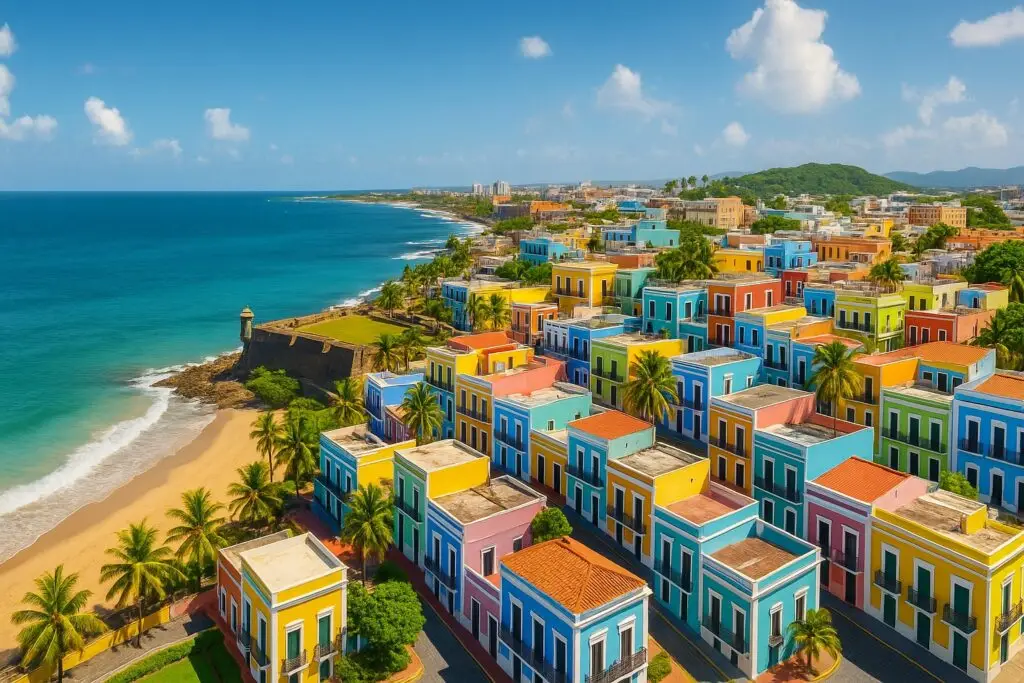
Puerto Rico, often called La Isla del Encanto — “The Island of Enchantment” — is a place where tropical landscapes, historic cities, and Latin-Caribbean energy merge into one unforgettable destination. Though officially a U.S. territory, Puerto Rico has a heart and rhythm entirely its own. It’s where Spanish colonial architecture meets modern city life, where rainforest trails lead to hidden waterfalls, and where salsa, reggaeton, and ocean waves blend into a soundtrack of pure joy.
Nestled in the northeastern Caribbean Sea, Puerto Rico is both accessible and exotic. Travelers can explore centuries-old forts in Old San Juan, hike through the lush El Yunque rainforest, or relax on pristine beaches in Culebra and Vieques. From street food stalls to world-class cuisine, from mountain coffee towns to bioluminescent bays that glow in the dark, Puerto Rico is a living, breathing mix of culture, nature, and color.
 Geography & Landscape
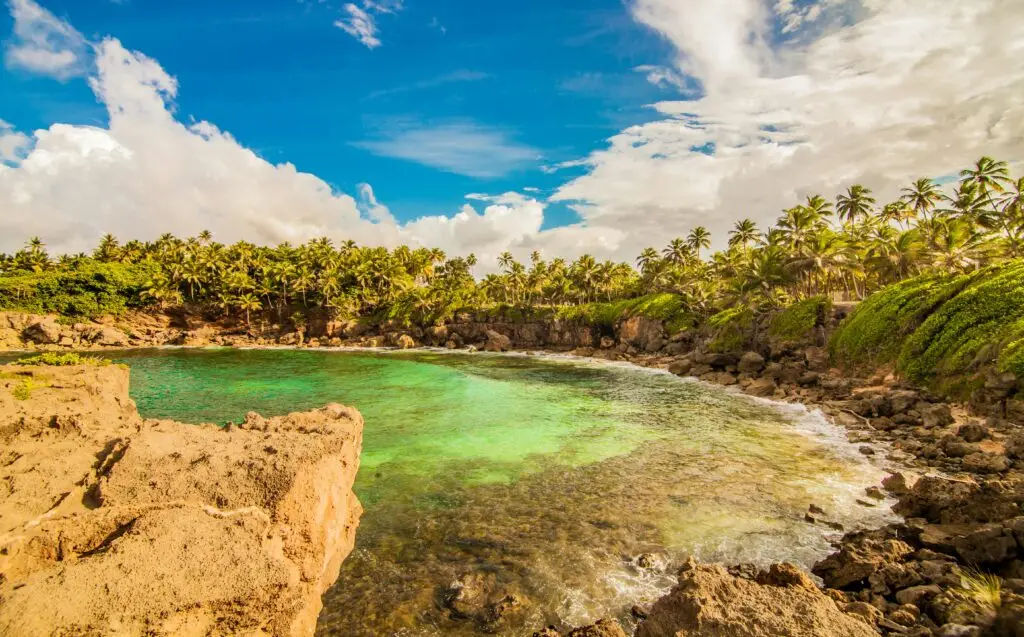
Puerto Rico is the smallest and easternmost island of the Greater Antilles, located between the Dominican Republic and the Virgin Islands. Despite its modest size (180 km long and 65 km wide), it’s incredibly diverse in terrain and ecosystems.
- Mountains: The Cordillera Central range runs through the island’s center, peaking at Cerro de Punta (1,338 m).
- Coastline: More than 300 beaches surround the island — from calm turquoise bays to rugged Atlantic shores.
- Rainforest: El Yunque, the only tropical rainforest in the U.S. National Forest System, covers thousands of hectares of lush vegetation.
- Dry Forests & Caves: The south and west regions are drier, featuring unique ecosystems like the Guánica Dry Forest and the Río Camuy Cave Park.
- Islands: Puerto Rico also includes smaller islands such as Vieques, Culebra, and Mona Island.
This variety allows visitors to surf, hike, swim, and explore caves — all within a single day’s drive.
 A Brief History
Puerto Rico’s history is rich and layered, shaped by indigenous, Spanish, African, and American influences.
- Taíno Origins: Before the arrival of Europeans, the island was home to the Taíno people, who named it Borikén (hence the modern term Boricua for Puerto Ricans).
- Spanish Colonization (1493): Christopher Columbus claimed the island for Spain during his second voyage. It became a key port in Spain’s New World empire.
- San Juan’s Forts: To protect against pirates and invasions, Spain built massive fortifications such as Castillo San Felipe del Morro and Castillo San Cristóbal, which still dominate Old San Juan’s skyline.
- U.S. Territory (1898): After the Spanish-American War, Puerto Rico became a U.S. territory. Residents are U.S. citizens, but the island retains a strong Latin identity.
- Modern Puerto Rico: Today, Puerto Rico blends Caribbean culture with American infrastructure — a place where salsa meets Starbucks, and history meets innovation.
 San Juan – The Colorful Capital
The capital city, San Juan, is Puerto Rico’s heartbeat — a mix of history, art, nightlife, and coastal beauty.
Old San Juan (Viejo San Juan)
A UNESCO World Heritage Site, this walled city feels like a time capsule of Spanish colonial history.
- Calle Fortaleza & Calle San Sebastián: Cobblestone streets lined with pastel-colored buildings, cafés, and galleries.
- Castillo San Felipe del Morro: The 16th-century fortress that guarded the bay — one of the Caribbean’s most iconic landmarks.
- Castillo de San Cristóbal: Another massive fort offering panoramic city views.
- La Fortaleza: The governor’s residence, built in 1533.
- Paseo de la Princesa: A scenic walkway lined with fountains, artisans, and food vendors leading to the sea.
Condado & Isla Verde
Modern San Juan’s beachfront neighborhoods combine luxury hotels, nightlife, and watersports.
- Condado Lagoon: Great for kayaking and paddleboarding.
- Isla Verde Beach: Long stretches of soft sand ideal for swimming.
- Ashford Avenue: Shops, restaurants, and casinos light up after dark.
Santurce
San Juan’s creative heart — filled with street art, local markets, and live music.
- La Placita de Santurce: Lively square by day, salsa-filled party zone by night.
- Museo de Arte de Puerto Rico: Showcasing Puerto Rican art from the 17th century to today.
San Juan perfectly captures Puerto Rico’s dual spirit: ancient and modern, vibrant and serene.
 Nature & National Parks
1. El Yunque National Forest
The only tropical rainforest under the U.S. National Park Service, El Yunque is a lush wonderland of waterfalls, rivers, and jungle-covered peaks.
- La Mina Falls & Juan Diego Falls: Two of the most popular hiking destinations.
- Yokahú Tower: Offers panoramic views over the forest canopy.
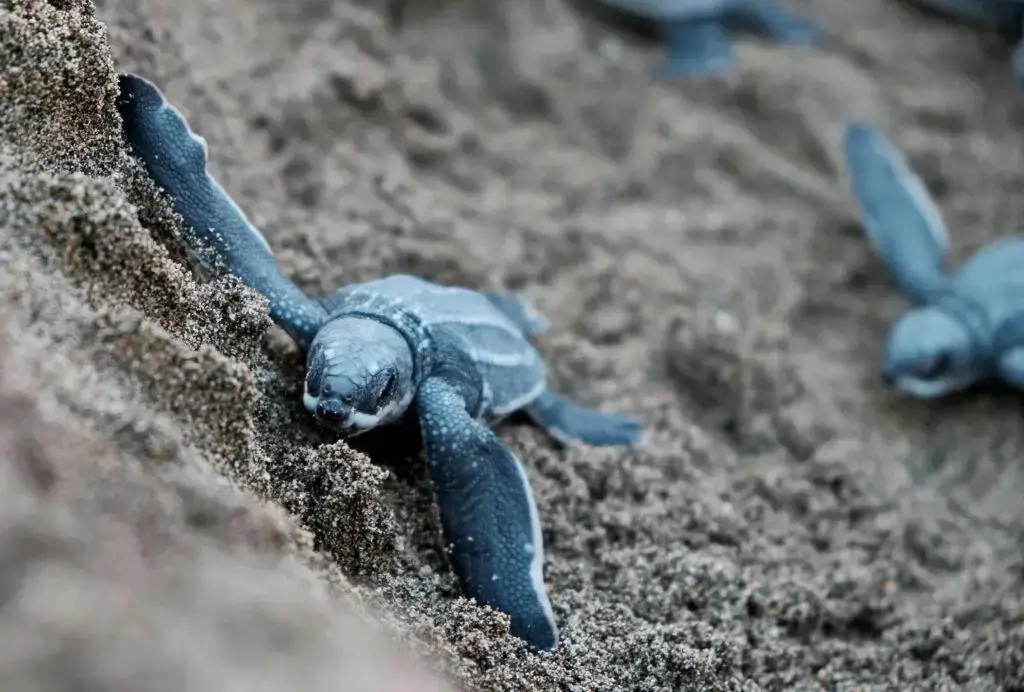
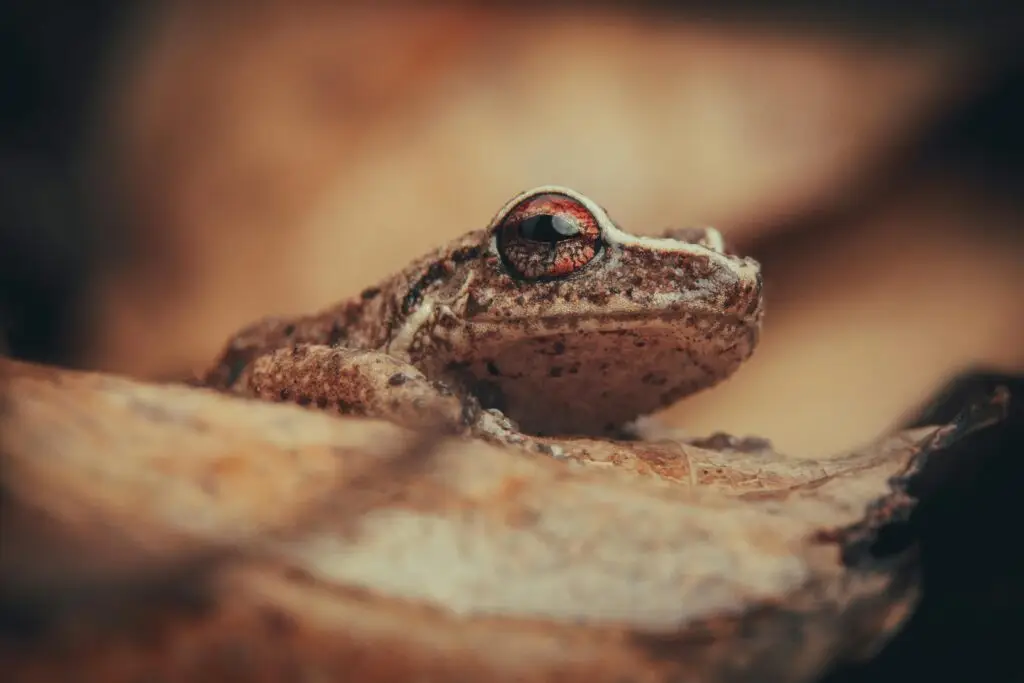
- Wildlife: Tree frogs (coquí), parrots, and orchids thrive here.
2. Río Camuy Cave Park
One of the world’s largest cave systems, carved by the third-longest underground river on Earth. Explore caverns filled with stalactites, sinkholes, and underground waterfalls.
3. Guánica Dry Forest
A UNESCO Biosphere Reserve featuring cactus-studded hills and rare bird species. The trails offer breathtaking views of the Caribbean Sea.
4. Toro Verde Adventure Park (Orocovis)
Home to one of the world’s longest ziplines, “The Monster,” this park combines adrenaline with mountain scenery.
5. Gilligan’s Island (Guánica)
A mangrove-covered islet perfect for snorkeling and kayaking.
6. Cabo Rojo National Wildlife Refuge
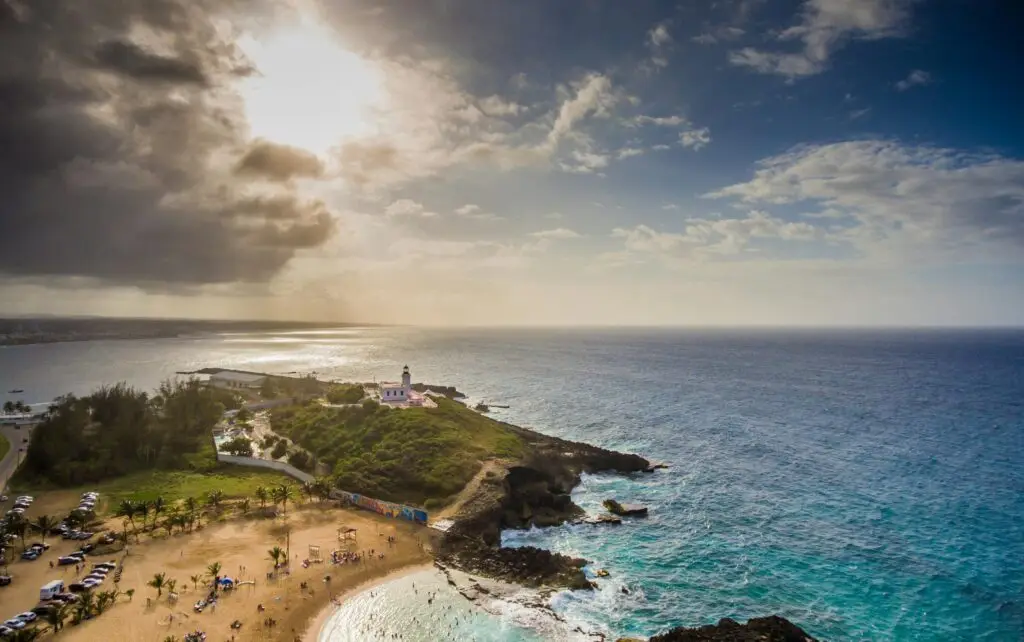
Located on the southwestern tip, this area features pink salt flats, limestone cliffs, and the iconic Cabo Rojo Lighthouse overlooking Playa Sucia — one of Puerto Rico’s most stunning beaches.
 The Islands: Vieques & Culebra
Vieques
A short ferry or flight from the main island, Vieques is peaceful and undeveloped — a Caribbean paradise preserved in time.
- Bioluminescent Bay (Mosquito Bay): The brightest bioluminescent bay in the world, glowing blue at night due to microorganisms in the water.
- Black Sand Beach: A unique volcanic beach.
- Wild Horses: Roam freely across the island’s open landscapes.
Culebra
Smaller than Vieques, but home to Flamenco Beach — often ranked among the world’s top beaches.
- Flamenco Beach: White sand, clear turquoise water, and calm waves.
- Culebrita Island: Accessible by boat, with a lighthouse and pristine snorkeling reefs.
- Carlos Rosario Beach: Excellent for underwater exploration.
 Culture, Music & People
Puerto Rico’s culture is a vibrant fusion of Taíno, African, and Spanish influences — a blend known as criollo.
Music & Dance
- Salsa: Born in Puerto Rico and Cuba, it remains the island’s most iconic rhythm.
- Reggaeton: Global superstars like Daddy Yankee and Bad Bunny have turned Puerto Rico into the genre’s capital.
- Bomba & Plena: Traditional African-influenced music performed with drums and dance.
Festivals
- San Sebastián Street Festival (January): The biggest party of the year in Old San Juan.
- Fiestas Patronales: Each town celebrates its patron saint with parades and music.
- Noche de San Juan (June 23): Locals jump backward into the ocean at midnight for good luck.
Language & Identity
Spanish is dominant, but English is widely understood. Puerto Ricans proudly identify as Boricuas — a nod to their indigenous roots and cultural independence.
 Food & Cuisine
Puerto Rican cuisine, or comida criolla, blends Caribbean freshness with Spanish and African flavors.
Must-Try Dishes
- Mofongo: Mashed plantains stuffed with garlic, pork, or seafood — Puerto Rico’s signature dish.
- Arroz con Gandules: Rice with pigeon peas and pork, seasoned with sofrito.
- Lechón Asado: Slow-roasted whole pig — a festive favorite.
- Tostones & Amarillos: Twice-fried green and sweet plantains.
- Pastelón: A lasagna-style dish layered with plantains and meat.
- Tembleque: Coconut pudding served at Christmas.
Street Food Highlights
Head to Piñones (near Isla Verde) for roadside kiosks selling fritters, pinchos (skewers), and empanadillas.
Drinks
- Piña Colada: Invented in San Juan! A mix of rum, pineapple juice, and coconut cream.
- Medalla Light: Local beer.
- Rum: Puerto Rico is one of the world’s leading rum producers — Bacardi and Don Q are homegrown icons.
Eating in Puerto Rico is more than nourishment — it’s culture, joy, and family tradition combined.
 Best Beaches in Puerto Rico
| Region | Beach | Highlights |
|---|---|---|
| Culebra | Flamenco Beach | Calm turquoise bay, iconic tanks, snorkeling |
| Vieques | Sun Bay | Long and scenic, near the town of Esperanza |
| San Juan | Condado Beach | Urban beach with luxury hotels |
| Luquillo | Balneario Monserrate | Family-friendly, near El Yunque |
| Rincón | Sandy Beach | Surf capital of the island |
| Aguadilla | Crash Boat Beach | Crystal clear water, diving, colorful piers |
| Cabo Rojo | Playa Sucia | Dramatic cliffs, turquoise water |
| Isabela | Jobos Beach | Great for surfing and sunsets |
 Getting Around
Puerto Rico is easily navigable by car — most major attractions are within a few hours of each other.
- Car Rental: The best option for exploring beyond San Juan.
- Highways: Modern and well-maintained; U.S.-style driving on the right side.
- Public Transport: Limited outside the capital.
- Ferries: Connect Fajardo to Culebra and Vieques.
- Local Flights: Quick hops available from San Juan to the smaller islands.
 Climate & Best Time to Visit
Puerto Rico enjoys tropical weather year-round.
- Average Temperature: 26–31 °C (78–88 °F)
- Dry Season: December to April — ideal for outdoor activities.
- Rainy Season: May to November — brief showers, lush scenery, and fewer tourists.
- Hurricane Season: June to November — rare but worth noting.
Even in the rainy months, mornings are usually sunny, and storms pass quickly.
 Practical Information
- Capital: San Juan
- Population: ~3.2 million
- Languages: Spanish & English
- Currency: U.S. Dollar (USD)
- Time Zone: Atlantic Standard Time (UTC -4)
- Electricity: 120 V (U.S. plugs)
- Safety: Generally safe; use normal travel precautions.
- Health: Tap water is potable; healthcare system is U.S.-standard.
 Why You’ll Love Puerto Rico
Puerto Rico is a land of contrasts — historic yet modern, wild yet welcoming.
It’s where rainforest mist meets ocean breeze, where old-world charm blends with reggaeton energy, and where every traveler feels at home.
Whether you’re exploring San Juan’s colorful streets, swimming under waterfalls in El Yunque, or stargazing on Vieques’ glowing bay, you’ll feel the island’s magic everywhere.
It’s not just the landscapes that enchant — it’s the rhythm, the food, the people, the vida boricua that makes Puerto Rico unforgettable.
 Related Articles
- 5 Once-in-a-Lifetime Floating Stays
- Top 10 Most Unique Places to Stay in Europe
- 10 Incredible Castles Around the World