
 Saint Lucia Travel Guide – The Emerald Gem of the Caribbean
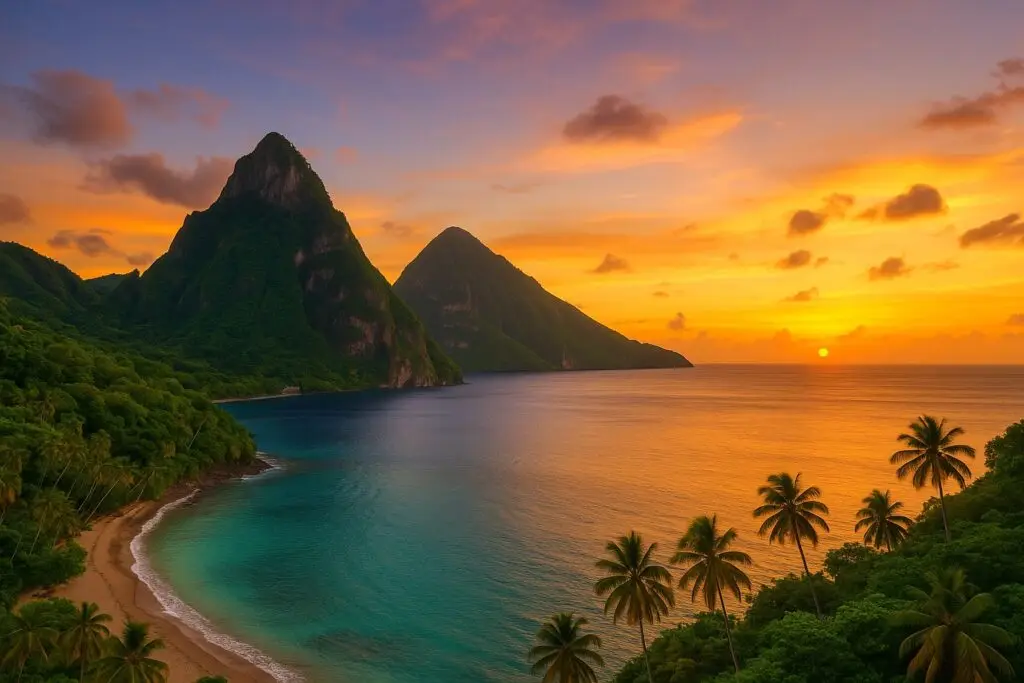
Saint Lucia is one of the Caribbean’s most breathtaking islands — a place where lush mountains rise straight from the sea, volcanic beaches sparkle beneath the sun, and the scent of cocoa and flowers fills the air. Known for its twin volcanic peaks, the Pitons, and its mix of French elegance and laid-back island charm, Saint Lucia is a destination that balances romance, adventure, and authenticity.
Located between Martinique and Saint Vincent, this small island nation covers only 617 km², yet feels immense in natural beauty. It’s an island of contrasts: pristine beaches meet dense rainforest, luxurious resorts neighbor fishing villages, and volcanic energy flows beneath tranquil turquoise bays.
Whether you’re hiking up Gros Piton, sailing along the coast, soaking in the Sulphur Springs, or listening to the rhythms of Creole jazz, Saint Lucia captures both the wild and the refined sides of the Caribbean — and leaves every visitor enchanted.
 Geography & Landscape
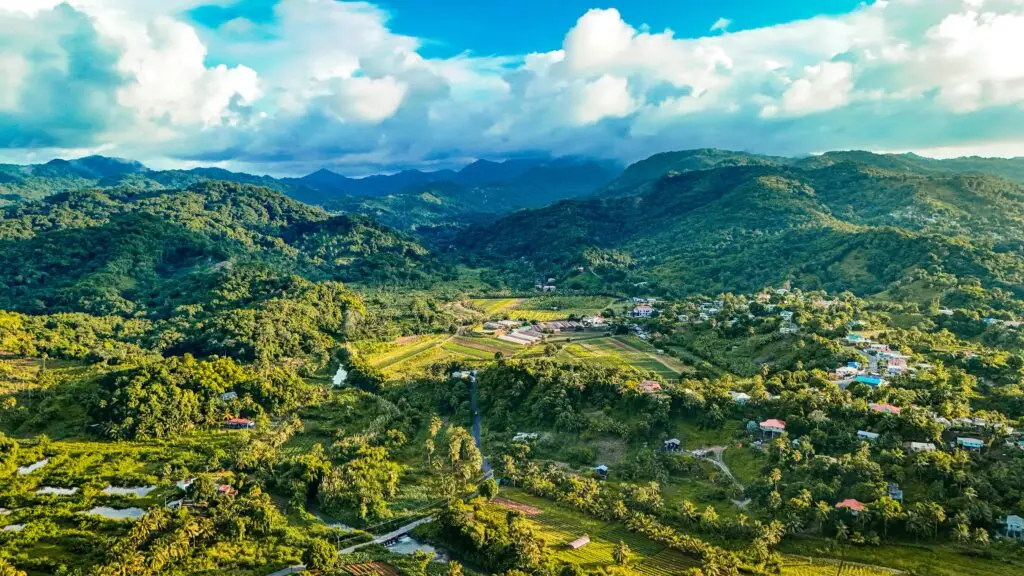
Saint Lucia lies in the eastern Caribbean Sea, part of the Lesser Antilles, and boasts an incredibly diverse topography.
- Mountains: The island’s iconic Pitons — Gros Piton (798 m) and Petit Piton (743 m) — rise dramatically from the southwestern coast.
- Rainforests: The central highlands are covered in dense jungle, home to waterfalls, orchids, and exotic birds.
- Volcanoes: The island was formed by volcanic activity and still has a “drive-in volcano” at Soufrière.
- Coastlines: The west coast features calm Caribbean waters and golden beaches; the east coast faces the Atlantic and is rugged and windswept.
Saint Lucia’s mix of fertile soil and volcanic energy gives it its nickname — The Emerald of the Caribbean.
 A Brief History
Early Inhabitants
The island was originally inhabited by the Arawaks, followed by the Caribs, who called it Iouanalao, meaning “Island of the Iguanas.”
European Colonization
- 1500s: Christopher Columbus is believed to have sighted the island.
- 1600s–1800s: Saint Lucia changed hands between the French and British 14 times, earning it the nickname “Helen of the West Indies.”
- French Legacy: Towns like Soufrière still bear French names, and Creole language and cuisine remain central to island life.
- British Rule: The British finally gained control in 1814, introducing the English language and plantation economy.
- Independence: Saint Lucia achieved independence in 1979, while remaining a member of the Commonwealth.
Today, Saint Lucia blends its British and French heritage with strong Afro-Caribbean roots, creating a unique and vibrant identity.
 Castries – The Capital City
Castries, on the northwest coast, is Saint Lucia’s capital and commercial hub — a lively port city surrounded by rolling hills.
Highlights
- Castries Market: A colorful maze of spices, fruits, and handmade crafts.
- Derek Walcott Square: Named after the island’s Nobel Prize-winning poet; shaded by century-old trees.
- Cathedral of the Immaculate Conception: The Caribbean’s largest church, with beautiful murals.
- Morne Fortune: A historic hilltop fort offering panoramic views of the harbor.
- Duty-Free Shopping: Cruise passengers flock to Pointe Seraphine for jewelry and local rum.
Castries is often busy, yet authentic — it’s a city that reflects the island’s rhythm more than luxury.
 The Pitons – Saint Lucia’s Iconic Landmarks
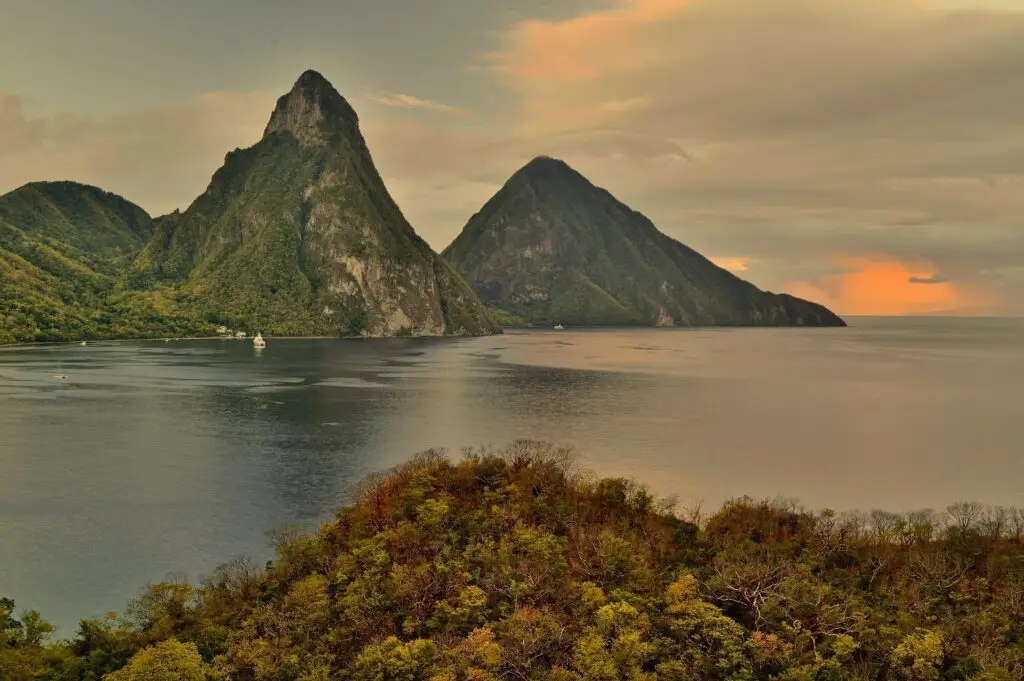
The Pitons are the soul of Saint Lucia. These twin volcanic spires near Soufrière are a UNESCO World Heritage Site and one of the Caribbean’s most photographed natural wonders.
Gros Piton Hike
- Duration: 2–3 hours each way
- Difficulty: Moderate to challenging
- Reward: A sweeping view of the Caribbean Sea and Petit Piton below.
Petit Piton
Technically steeper and riskier to climb; best admired from the sea or resorts like Sugar Beach and Jade Mountain.
Boat tours from Soufrière often circle the Pitons at sunset — a sight you’ll never forget.
 Soufrière – Volcanoes, Springs & Waterfalls
Soufrière, on the island’s west coast, was once the capital under French rule and remains Saint Lucia’s most scenic region.
Sulphur Springs Park
The world’s only “drive-in volcano.”
Visitors can drive right into the crater and bathe in mineral-rich mud baths known for their healing properties.
Diamond Falls Botanical Gardens
A lush park with a rainbow-colored waterfall, hot springs, and tropical flowers.
Toraille Waterfall
A 15-meter cascade accessible right from the main road — perfect for a refreshing swim.
Soufrière Marine Reserve
Protected waters ideal for snorkeling and diving; vibrant coral reefs surround the bay.
Soufrière perfectly captures Saint Lucia’s raw volcanic beauty and tropical serenity.
Book a tour here
 Best Beaches in Saint Lucia
| Beach | Location | Highlights |
|---|---|---|
| Reduit Beach | Rodney Bay | Long golden beach, restaurants, nightlife |
| Anse Chastanet | Soufrière | Black volcanic sand, excellent snorkeling |
| Sugar Beach | Between the Pitons | Luxury views, turquoise lagoon |
| Pigeon Island Beach | North West | Calm water, history nearby |
| Anse Cocharon | Castries | Locals’ favorite, quiet and authentic |
| Anse Mamin | Near Soufrière | Secluded, ideal for nature lovers |
| Grande Anse | East Coast | Untouched, powerful surf, nesting turtles |
Saint Lucia’s beaches range from powder-white to deep black — a reminder of its volcanic origins.
 Pigeon Island National Park
Once a pirate hideout, now a historic park connected to the mainland by a causeway.
- Fort Rodney: Climb for panoramic views over Rodney Bay.
- Beaches: Ideal for swimming and snorkeling.
- Events: Hosts the annual Saint Lucia Jazz Festival.
Pigeon Island combines history, nature, and recreation in one unforgettable setting.
 Nature & Adventure
Saint Lucia’s interior is a wonderland for hikers, explorers, and nature enthusiasts.
1. Edmund Forest Reserve
Dense rainforest with guided trails to waterfalls and lookout points — home to the endangered Saint Lucia parrot (Amazona versicolor).
2. Tet Paul Nature Trail
An easy hike near Soufrière offering the best panoramic view of both Pitons and the Caribbean Sea.
3. Rainforest Adventures Park (Chassin)
Features canopy zip-lines, aerial tram rides, and bird-watching.
4. Des Cartiers Trail
One of the island’s premier bird-watching trails in the central highlands.
5. Waterfalls Everywhere
Other favorites include Enbas Saut, Latille, and Sapphire Falls — all hidden in lush jungle.
 Rodney Bay – Modern Resorts & Nightlife
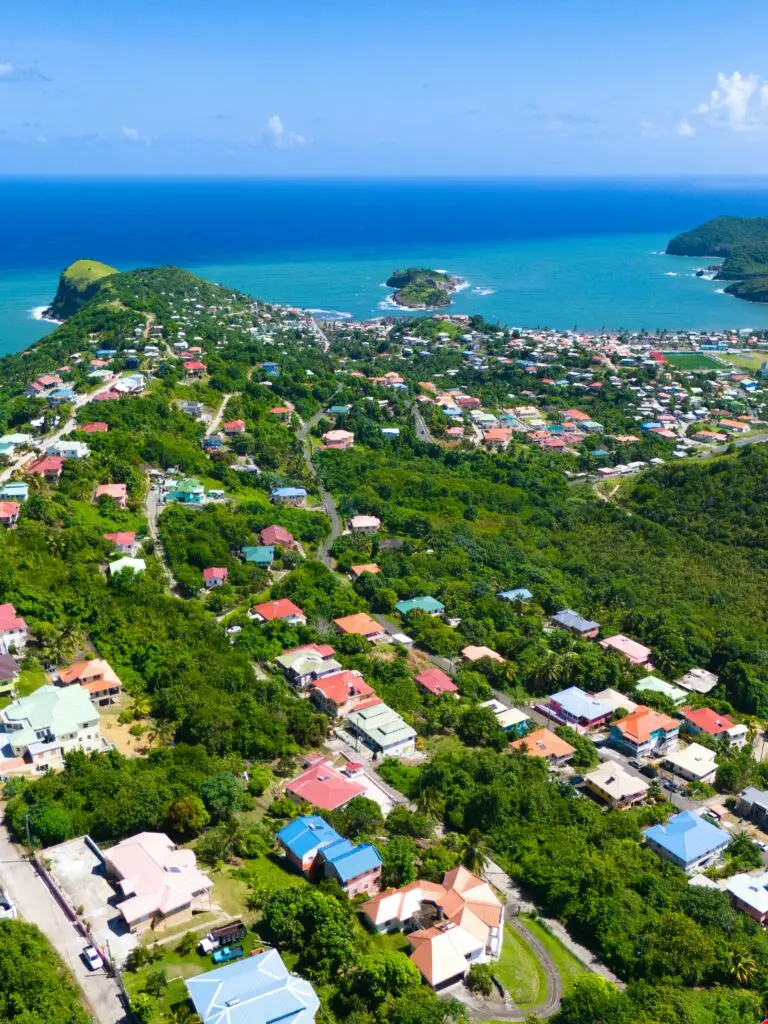
Rodney Bay, on the northwestern coast, is Saint Lucia’s most developed area — but still charming.
Things to Do
- Reduit Beach: Ideal for swimming and watersports.
- The Marina: Lined with yachts, cafés, and international restaurants.
- Gros Islet Friday Street Party: Every Friday night, locals and visitors dance in the streets to soca and reggae, enjoying grilled seafood and rum punch.
- Splash Island Water Park: Great for families.
Rodney Bay is perfect for travelers seeking a balance between comfort and Caribbean atmosphere.
 Culture, Music & Festivals
Saint Lucia’s culture is a mosaic of African, French, and English traditions, shaped by centuries of resilience and creativity.
Language
- Official: English
- Widely Spoken: Saint Lucian Creole (French-based)
Music & Dance
- Soca & Calypso: Heartbeat of Carnival.
- Zouk: Romantic rhythms from neighboring islands.
- Dennery Segment: A high-energy local music genre mixing soca and dancehall.
- Jazz & Reggae: Integral to Saint Lucia’s music scene.
Major Festivals
- Saint Lucia Carnival (July): Parades, costumes, and soca music.
- Saint Lucia Jazz & Arts Festival (May): One of the Caribbean’s most prestigious music events.
- Jounen Kwéyòl (Creole Day): Celebration of Creole food, dress, and heritage in October.
- La Rose & La Marguerite: Traditional flower festivals representing rival cultural societies.
Saint Lucia’s spirit is best experienced through its music and its people’s joyful energy.
 Cuisine – Creole Flavor & Fresh Ingredients
Saint Lucian cuisine blends French finesse with Caribbean spice and local produce.
Signature Dishes
- Green Fig and Saltfish: The national dish — boiled green bananas with salted cod and vegetables.
- Bouyon: Hearty stew with meat, dumplings, and root vegetables.
- Accras: Fried fish fritters served as appetizers.
- Lambi: Spicy conch stew.
- Callaloo Soup: Made from dasheen leaves and coconut milk.
- Cocoa Tea: Hot chocolate-like drink spiced with cinnamon and nutmeg.
Fruits & Produce
Bananas, mangoes, breadfruit, passion fruit, and coconut are abundant.
Drinks
- Rum Punch: Sweet and citrusy, served everywhere.
- Pitons Beer: Local lager named after the island’s peaks.
- Coconut Water & Fresh Juices: Pure tropical refreshment.
Food in Saint Lucia is slow, flavorful, and deeply tied to community and heritage.
 Wildlife & Marine Life
Despite its small size, Saint Lucia teems with biodiversity.
- Saint Lucia Parrot (Amazona versicolor): The island’s national bird, found only here.
- Other Birds: Hummingbirds, orioles, herons, and kestrels.
- Marine Life: Coral reefs filled with turtles, rays, and tropical fish.
- Whale & Dolphin Watching: Common off the west coast, especially between December and April.
- Leatherback Turtles: Nest on Grande Anse Beach (April–August).
The island’s conservation programs ensure its nature remains pristine.
 Towns & Villages
| Town/Village | Region | Highlights |
|---|---|---|
| Castries | Northwest | Capital, market, port |
| Soufrière | Southwest | Pitons, volcano, gardens |
| Gros Islet | North | Street party, beaches |
| Anse La Raye | West Coast | Fishing village, seafood Fridays |
| Dennery | East Coast | Banana plantations, coastal cliffs |
| Vieux Fort | South | Airport, kitesurfing |
| Canaries | West Coast | Smallest village, scenic drive stop |
Each has its own rhythm — from sleepy fishing life to vibrant nightlife.
 Shopping & Local Crafts
- Castries Market: Best for spices, fruit, and Creole sauces.
- Duty-Free Stores: Pointe Seraphine and Bay Walk Mall.
- Local Crafts: Wood carvings, woven baskets, pottery, and madras textiles.
- Cocoa Products: Saint Lucia grows fine cocoa used in luxury chocolate.
 Getting Around
- Car Rental: Best for exploring independently; roads are narrow and winding.
- Driving: On the left-hand side.
- Buses/Minibuses: Inexpensive and connect most towns.
- Taxis: Safe and reliable but pricier.
- Boats: Ferries and catamarans offer coastal trips and day sails.
Traveling around the island is an adventure — each turn reveals a new view.
 Climate & Best Time to Visit
Saint Lucia enjoys a warm tropical climate all year.
- Dry Season: December – May (best weather)
- Wet Season: June – November (lush landscapes, brief showers)
- Average Temperatures: 25 – 31 °C (77 – 88 °F)
- Hurricane Season: June – October (rare direct hits)
For fewer crowds and lower prices, May – June and October – November are ideal.
 Practical Information
- Capital: Castries
- Population: ~180,000
- Language: English (official), Saint Lucian Creole (widely spoken)
- Currency: Eastern Caribbean Dollar (XCD); USD widely accepted
- Electricity: 240 V, British plugs (Type G)
- Time Zone: Atlantic Standard Time (UTC –4)
- Safety: Very safe; friendly locals.
- Health: Tap water is safe in resorts; bottled water recommended elsewhere.
 Why You’ll Love Saint Lucia
Because it feels like a painting come to life — a world of green peaks, blue bays, and golden sunsets.
Saint Lucia isn’t just beautiful; it’s soulful. You’ll feel it in the laughter of market vendors, the rhythm of drums during Carnival, the calm of a Piton sunset. It’s an island that speaks to the senses and soothes the soul.
Whether you’re hiking Gros Piton, soaking in volcanic mud, diving coral reefs, or dancing barefoot to soca, Saint Lucia captures your heart — and keeps it.
Come once, and you’ll understand why so many travelers call it the most romantic island in the Caribbean.
 Related Articles
- 5 Once-in-a-Lifetime Floating Stays
- Top 10 Most Unique Places to Stay in Europe
- 10 Incredible Castles Around the World