
Travel Guide – The Twin-Island Paradise of Rhythm, Rainforest & Reefs
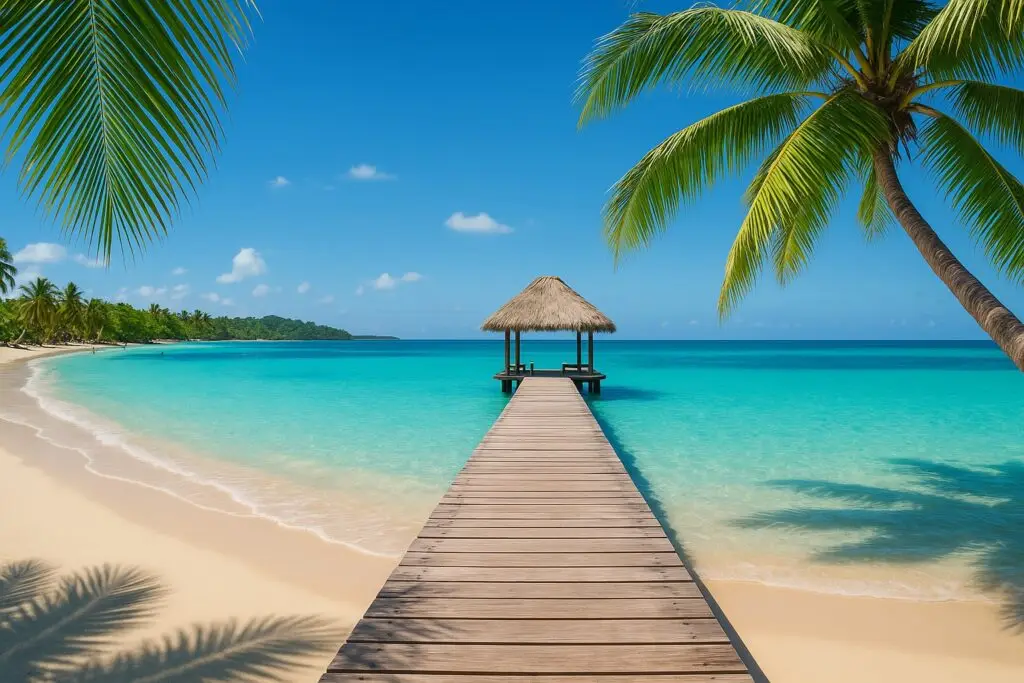
Trinidad & Tobago — the most southern Caribbean nation — is a dazzling blend of tropical wilderness, multicultural vibrance, and irresistible energy. Though the two islands share a flag, they couldn’t be more different.
Trinidad, the larger island, is a bustling hub of culture, festivals, and nature — home to dense rainforests, lively cities, and the birthplace of steelpan music and carnival. It’s industrial yet wild, metropolitan yet deeply Caribbean.
Tobago, by contrast, is tranquil and postcard-perfect: palm-fringed beaches, coral reefs, waterfalls, and sleepy fishing villages where time slows down.
Together, they form a destination that’s both exhilarating and relaxing — where you can hike through mountain jungles one day and snorkel over coral gardens the next.
This is not your average Caribbean resort escape; it’s a world of diversity, rhythm, and authenticity — the Caribbean with a heartbeat.
 Geography & Landscape
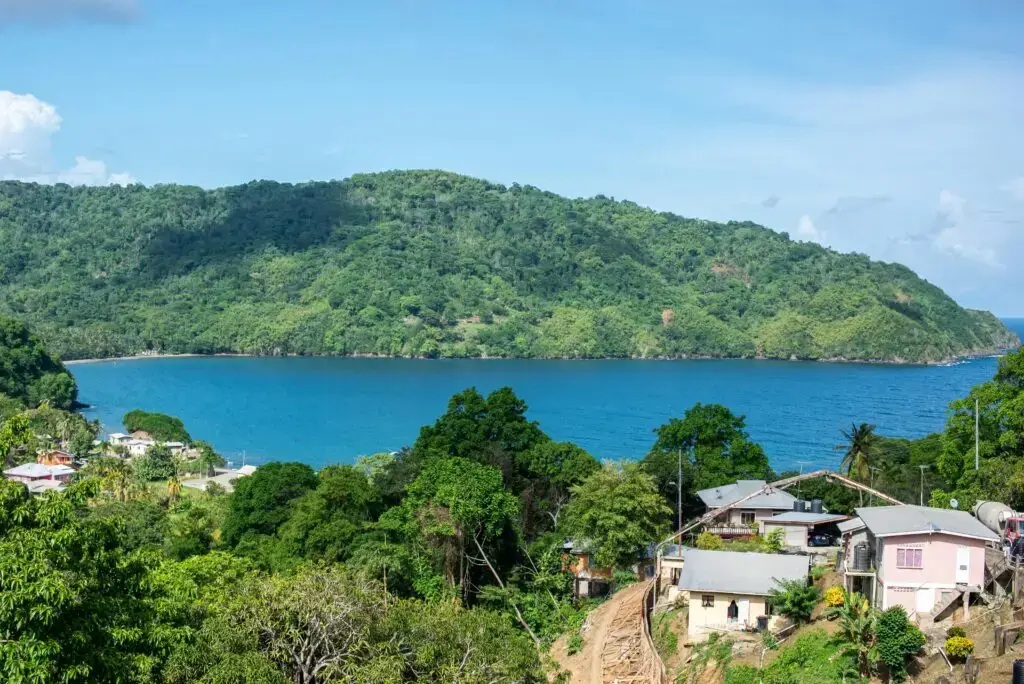
Trinidad & Tobago lies just off the northeastern coast of Venezuela, separated from South America by the Gulf of Paria. The two islands are only 33 kilometers (20 miles) apart but vastly different in character and geography.
Trinidad
- Size: 4,768 km²
- Landscape: Rolling hills, rainforests, rivers, and mangroves.
- Highest Point: El Cerro del Aripo (940 m), part of the Northern Range.
- Key Regions:
- Port of Spain (capital) – urban and lively
- Northern Range – rainforest and eco-adventure
- Central Plains – agriculture and culture
- Southern Trinidad – oilfields, beaches, and coastal wetlands
Tobago
- Size: 300 km²
- Landscape: Smaller, hillier, and surrounded by coral reefs.
- Highlights: White-sand beaches, waterfalls, and the Tobago Main Ridge Forest Reserve — the oldest legally protected rainforest in the Western Hemisphere.
The islands’ proximity to South America gives them an incredible diversity of wildlife, unmatched by most Caribbean destinations.
 A Brief History
Pre-Columbian Era
Both islands were originally inhabited by the Arawak and Carib peoples, who lived off fishing, agriculture, and trade.
European Colonization
- 1498: Christopher Columbus sighted Trinidad and named it La Isla de la Trinidad (The Island of the Holy Trinity).
- 1500s–1700s: Spanish rule brought sugarcane and cocoa plantations, enslaved Africans, and later indentured laborers from India.
- 1797: The British seized Trinidad from Spain; it formally became a British colony in 1802.
- Tobago’s shifting control: Switched between French, Dutch, and British hands more than 30 times before uniting with Trinidad in 1889.
Independence & Modern Identity
Trinidad & Tobago gained independence from Britain in 1962, becoming a republic in 1976.
Today, its people — descendants of African, Indian, European, Chinese, and Indigenous ancestry — form one of the most culturally rich societies in the Caribbean.
 Port of Spain – The Cultural Capital
The nation’s capital, Port of Spain, is dynamic, colorful, and full of life — especially during Carnival season.
Top Attractions
- Queen’s Park Savannah: A vast park surrounded by historical mansions called the Magnificent Seven. It’s the heart of Carnival and everyday life.
- National Museum & Art Gallery: Explores the nation’s history, art, and multicultural identity.
- Royal Botanical Gardens: Established in 1818, one of the oldest in the Western Hemisphere.
- The Magnificent Seven: Colonial mansions including Queen’s Royal College and Archbishop’s House.
- Woodford Square: A gathering place for protests, celebrations, and political speeches.
At night, Port of Spain transforms — with street food, live soca music, and steelpan rhythms echoing through the air.
Book here a tour:
 Carnival – The Greatest Show on Earth
Trinidad’s Carnival is legendary — a two-day explosion of music, dance, and color celebrated before Lent.
Origins
Emerging from both African emancipation festivals and European masquerades, Carnival became a symbol of freedom and creativity.
Highlights
- J’ouvert: Begins before dawn — participants cover themselves in mud, paint, or oil and dance through the streets to the sound of steel drums.
- Parades: Thousands of costumed revelers (“masqueraders”) march behind music trucks blasting soca.
- Calypso & Soca Competitions: Artists compete for national titles in infectious, high-energy performances.
- Steelpan Orchestras: Massive bands made entirely of steel drums showcase Trinidad’s unique musical invention.
Carnival is more than a festival — it’s a cultural heartbeat. Even if you visit outside the season, you’ll feel its spirit everywhere.
 Nature & Adventure in Trinidad
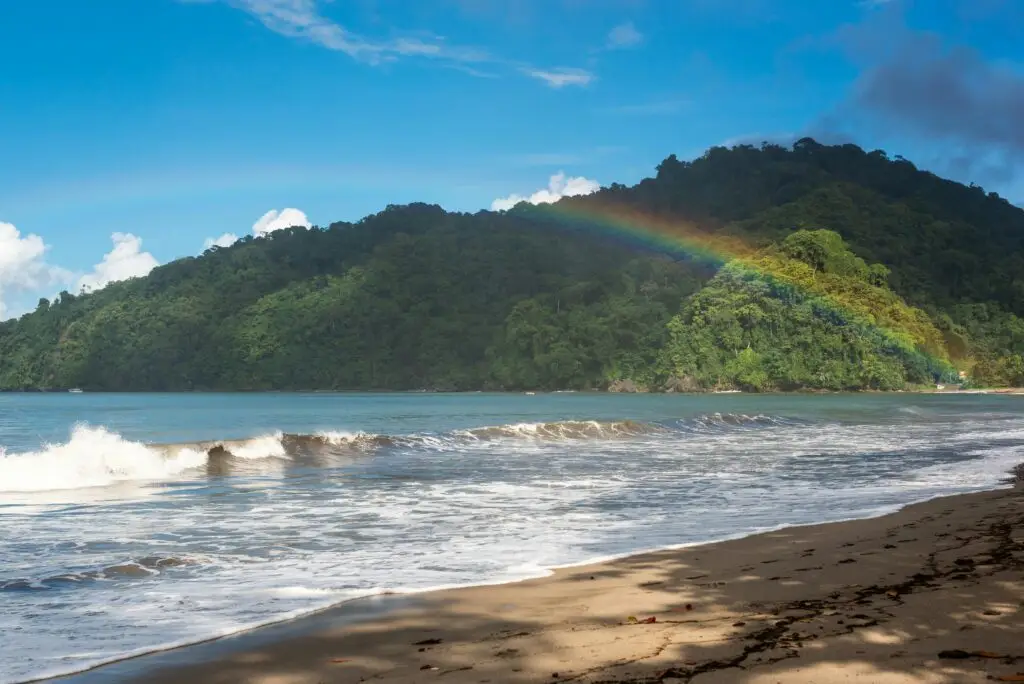
Trinidad is a paradise for eco-tourists and adventurers, offering mountains, wetlands, and tropical forests teeming with wildlife.
1. Asa Wright Nature Centre (Arima Valley)
A world-famous bird sanctuary and eco-lodge. Over 160 bird species have been recorded here, including hummingbirds, toucans, and manakins.
2. Caroni Bird Sanctuary
A mangrove swamp near Port of Spain, home to the Scarlet Ibis, the national bird of Trinidad. Sunset boat tours reveal thousands of crimson birds returning to their roost — a breathtaking sight.
3. Maracas Beach & Maracas Lookout
Trinidad’s most famous beach, framed by rainforest-covered mountains. Try the island’s beloved snack — Bake & Shark (fried shark sandwich with pineapple, pepper sauce, and slaw).
4. Pitch Lake (La Brea)
The world’s largest natural deposit of asphalt — a surreal, bubbling black lake. Locals use it for medicinal mud baths.
5. Paria Waterfall & Beach
A 3-hour rainforest hike leads to a remote waterfall and hidden beach — one of Trinidad’s best-kept secrets.
6. Nariva Swamp
A UNESCO Wetland Reserve, home to caimans, howler monkeys, and rare manatees.
7. Chaguaramas Peninsula
Outdoor hub for hiking, ziplining, and kayaking — with historical WWII bunkers and marinas.
Trinidad’s wild side is real — lush, raw, and endlessly rewarding.
 Tobago – The Peaceful Sister Island
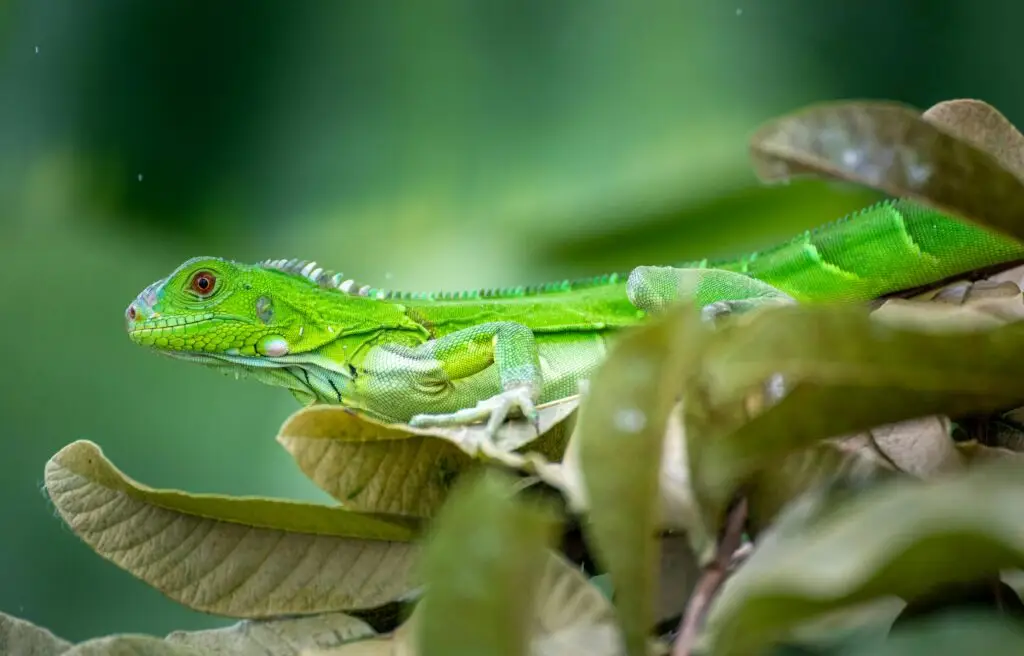
If Trinidad moves to a fast soca rhythm, Tobago sways to a gentle reggae beat. Small, scenic, and serene, it’s everything you dream of in a tropical island escape.
1. Pigeon Point Heritage Park
Tobago’s most photographed spot — a stretch of powdery white sand and turquoise lagoon framed by a thatched jetty.
2. Buccoo Reef & Nylon Pool
A protected marine park perfect for snorkeling and glass-bottom boat tours. The Nylon Pool, a shallow sandbar in the middle of the sea, feels like a natural swimming pool.
3. Tobago Main Ridge Forest Reserve
The oldest legally protected rainforest in the Western Hemisphere (since 1776). Trails like Gilpin Trace offer encounters with rare birds, tropical flowers, and waterfalls.
4. Argyle Waterfall
Tobago’s tallest waterfall — 54 meters of cascading water through lush jungle.
5. Englishman’s Bay
A quiet, crescent-shaped beach surrounded by forest — pure tranquility.
6. Speyside & Charlotteville
Charming fishing villages near some of the Caribbean’s best dive sites. The reefs around Little Tobago Island teem with marine life.
7. Fort King George (Scarborough)
A restored 18th-century fort with sweeping ocean views and a museum on Tobago’s history.
 Music, Culture & Festivals
Music pulses through every corner of Trinidad & Tobago.
1. Calypso
Born in Trinidad, Calypso is storytelling through song — witty, political, and full of humor.
2. Soca
The faster, dance-oriented evolution of Calypso, designed for Carnival revelry. Artists like Machel Montano and Kes have taken it global.
3. Steelpan
Invented in Trinidad in the 1930s from oil drums, the steelpan is the only acoustic instrument created in the 20th century. Steel bands remain national pride.
4. Chutney & Parang
Reflecting Indian and Spanish influences, Chutney blends Bollywood rhythms with Calypso, while Parang is a Christmas folk music tradition.
5. Festivals
- Carnival (February–March) – the biggest.
- Divali (October/November) – Hindu Festival of Lights.
- Eid-ul-Fitr – Muslim celebration.
- Emancipation Day (August 1) – honors the end of slavery.
- Tobago Jazz Festival – world-class music by the sea.
Few countries celebrate so many cultures with such joy.
 Cuisine – A Melting Pot of Flavors
Trinidad & Tobago’s food reflects its people — diverse, spicy, and full of character.
Trinidadian Favorites
- Doubles: The most famous street food — two flatbreads filled with curried chickpeas and topped with chutney.
- Roti: Indian-style wrap filled with curried chicken, goat, or vegetables.
- Bake & Shark: Fried shark sandwich from Maracas Bay.
- Pelau: One-pot rice dish with chicken, peas, and coconut milk.
- Callaloo: Leafy soup made with dasheen leaves, crab, and coconut milk.
Tobagonian Specials
- Crab and Dumplings: Tobago’s signature dish — spicy crab served with soft dough dumplings.
- Coconut Bake: Sweet bread baked in coconut milk.
- Curried Goat: Slow-cooked and tender, served at festivals.
Drinks
- Rum Punch & Ponche de Crème: Tropical cocktails and creamy Christmas drinks.
- Mauby: A local herbal drink made from tree bark — bittersweet and refreshing.
- Carib & Stag Beers: Popular local brews.
Food here is not just nourishment — it’s identity, history, and celebration combined.
 Wildlife & Marine Life
Trinidad & Tobago is a biodiversity hotspot.
Birds
Over 480 species have been recorded, including hummingbirds, herons, ibis, and parrots.
Turtles
Tobago’s beaches host nesting leatherback turtles — the world’s largest sea turtle species.
Marine Life
Coral reefs teem with angelfish, rays, and reef sharks. Buccoo Reef, Speyside, and Charlotteville are dive favorites.
Land Mammals
Howler monkeys, armadillos, agoutis, and even ocelots inhabit the rainforests of Trinidad.
 Towns & Villages
Trinidad
- Port of Spain: Capital and cultural hub.
- Chaguanas: Largest town, known for markets and Indian food.
- San Fernando: Southern city near oil refineries and coastal wetlands.
- Arima: Gateway to the Northern Range and Asa Wright Centre.
Tobago
- Scarborough: Small capital with colonial architecture.
- Buccoo: Famous for Sunday School — a weekly street party with live steelpan.
- Castara: Rustic fishing village with waterfalls and eco-lodges.
- Crown Point: Main tourism area near the airport.
 Shopping & Local Crafts
- Ariapita Avenue (Trinidad): Boutiques, art, and nightlife.
- Charlotteville Markets (Tobago): Handmade jewelry and crafts.
- Wood Carvings, Batik, and Steelpan Souvenirs: Unique to the islands.
- Rum, Cocoa & Hot Sauce: Perfect gifts to take home.
 Getting Around
Between the Islands
- Ferry: The T&T Spirit and Galleons Passage ferries connect Port of Spain to Scarborough (2.5–3 hours).
- Flights: Caribbean Airlines operates 20-minute flights several times daily.
On Each Island
- Car Rental: The best option for exploring beaches and nature.
- Driving: On the left-hand side.
- Public Transport: Shared taxis (“maxi-taxis”) and buses are cheap and frequent.
- Boats & Tours: Popular for snorkeling and fishing trips around Tobago.
 Climate & Best Time to Visit
Trinidad & Tobago enjoys a tropical climate moderated by sea breezes.
- Dry Season: January – May (sunny and ideal for outdoor activities).
- Wet Season: June – December (warm, humid, with brief showers).
- Hurricane-Free Zone: Unlike most Caribbean islands, Trinidad & Tobago lies outside the hurricane belt.
Average temperatures range from 24–32°C (75–90°F) year-round.
For Carnival lovers, February–March is the best time to visit, while April–May and October–November offer great weather and fewer crowds.
 Practical Information
- Capital: Port of Spain (Trinidad)
- Population: ~1.4 million
- Language: English (official), with Creole and Hindi influences
- Currency: Trinidad and Tobago Dollar (TTD)
- Time Zone: Atlantic Standard Time (UTC -4)
- Electricity: 115V (same as U.S.)
- Safety: Generally safe; take normal precautions, especially in Port of Spain at night.
- Health: Tap water is safe to drink; excellent medical services in major towns.
 Why You’ll Love Trinidad & Tobago
Because it’s the Caribbean with attitude — unfiltered, authentic, and alive.
Trinidad & Tobago isn’t just about beaches (though Tobago’s are stunning). It’s about people — warm, proud, creative — and about a culture that celebrates life in every rhythm, color, and flavor.
It’s the sound of a steelpan orchestra echoing through the night. The smell of curry and coconut drifting from a roadside stand. The sight of scarlet ibises glowing red over the mangroves at sunset.
Here, you don’t just visit the Caribbean — you feel it.
And when you leave, you’ll carry the rhythm of these twin islands with you forever.
 Related Articles
- 5 Once-in-a-Lifetime Floating Stays
- Top 10 Most Unique Places to Stay in Europe
- 10 Incredible Castles Around the World