
 Turks & Caicos Islands Travel Guide – The Caribbean’s Crown of Coral and Calm
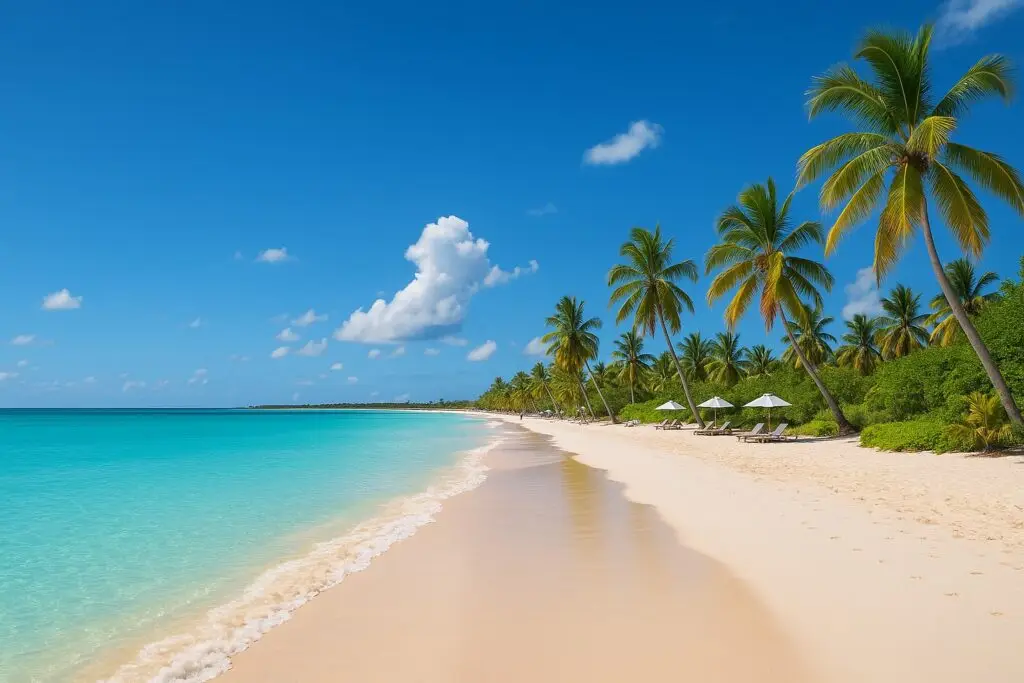
The Turks & Caicos Islands — a jewel of the Atlantic-Caribbean frontier — are where turquoise seas meet endless white sands and serenity reigns supreme.
Located southeast of the Bahamas, this British Overseas Territory is made up of 40 islands and cays, only eight of which are inhabited.
Here, the beaches are flawless, the water impossibly clear, and the coral reefs among the healthiest on Earth. Grace Bay’s shimmering shoreline is often called the best beach in the world, yet many of the smaller cays remain untouched and wild.
With world-class diving, luxurious resorts, and an easygoing island rhythm, Turks & Caicos combines barefoot luxury with authentic Caribbean soul — an oasis for those seeking peace, nature, and beauty in its purest form.
 Geography & Landscape
Overview
Turks & Caicos consists of two island groups separated by the Turks Island Passage, a deep channel that attracts whales, rays, and vibrant marine life.
- Turks Islands: Grand Turk and Salt Cay.
- Caicos Islands: Providenciales (“Provo”), North Caicos, Middle Caicos, South Caicos, and several smaller cays.
Together, they form a low-lying limestone archipelago of coral origins — meaning beaches stretch endlessly, and the sea shines with every shade of blue imaginable.
The Islands at a Glance
| Island | Highlights |
|---|---|
| Providenciales (Provo) | Main tourism hub; Grace Bay Beach; luxury resorts; airport. |
| Grand Turk | Historic capital, colonial charm, diving, and whale watching. |
| North Caicos | Green, fertile, quiet; nature trails and flamingos. |
| Middle Caicos | Caves, cliffs, and hidden beaches. |
| South Caicos | Fishing heritage, reefs, and remote beauty. |
| Salt Cay | Sleepy island known for whales and salt ponds. |
The islands are flat, dry, and sunny — perfect for beach lovers and divers.
 A Brief History
Lucayan Beginnings
The islands were first inhabited by the Lucayan Taíno people around 700 AD. They lived peacefully off fishing, farming, and salt harvesting.
Colonial Encounters
- 1492: Columbus likely sighted the islands on his first voyage.
- 1600s–1700s: Bermudians and British settlers established salt production and cotton plantations.
- 1766: The Turks & Caicos came under British control.
- 19th Century: The salt industry flourished on Grand Turk and Salt Cay, exporting to North America.
Modern Era
- 1973: Became a separate British territory after Bahamian independence.
- Today: Tourism and offshore finance drive the economy, while coral reefs and national parks form the core of its identity.
Despite development, the islands retain their calm, close-knit charm — and a deep respect for their natural environment.
 Cockburn Town – The Historic Capital
Located on Grand Turk Island, Cockburn Town is the administrative and cultural capital.
Highlights
- Front Street: Colonial-era houses with pastel colors and wooden shutters.
- Turks & Caicos National Museum: Inside an 1800s Guinep House, it features the Molasses Reef Wreck, the oldest shipwreck in the Western Hemisphere.
- Governor’s Beach: Calm, crystal-clear waters ideal for snorkeling.
- Her Majesty’s Prison: Historic jail with guided tours and local stories.
- Duke Street: Photogenic street lined with old stone walls and sea views.
Cockburn Town feels frozen in time — quiet, historic, and authentically Caribbean.
 Grace Bay Beach – Perfection on Earth
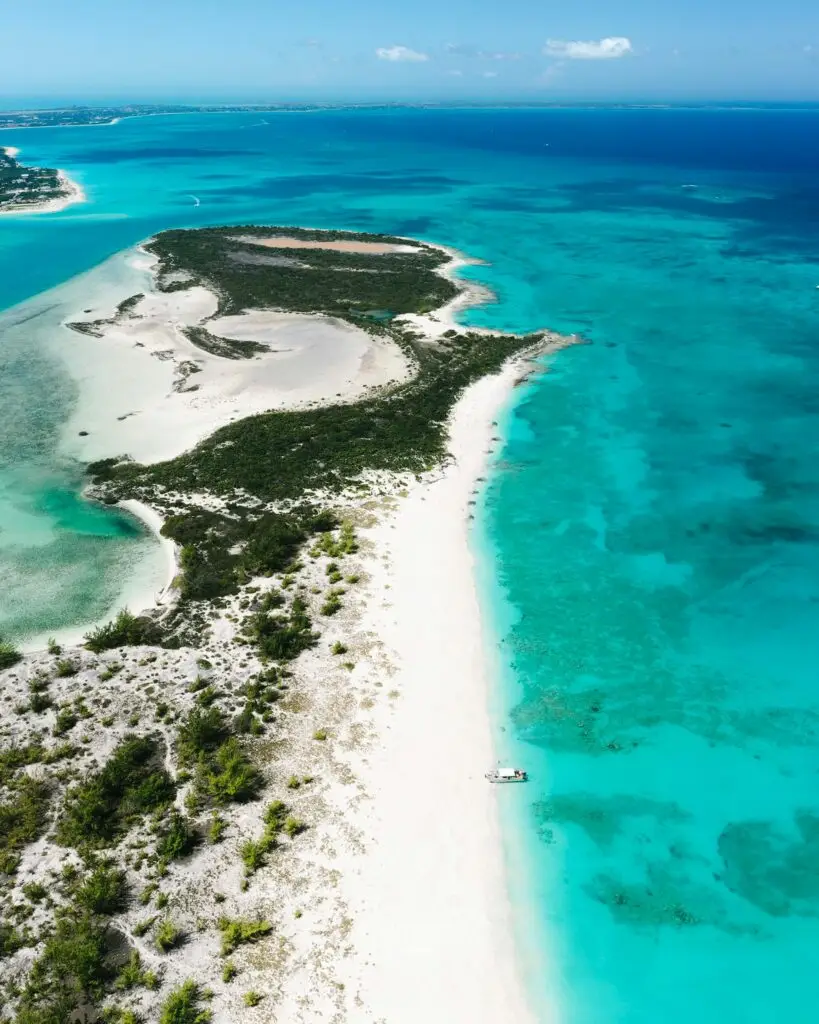
On the island of Providenciales (Provo) lies Grace Bay Beach, often ranked #1 in the world.
Quick Facts:
- Length: 19 km of soft, powdery white sand.
- Water: Turquoise and perfectly clear year-round.
- Activities: Swimming, kayaking, paddleboarding, parasailing, and snorkeling.
- Vibe: Peaceful, safe, and pristine — the ultimate beach escape.
Behind the beach lies a line of luxury resorts and restaurants, yet the shoreline itself remains free of vendors, noise, or crowds.
Sunsets here are legendary — fiery skies fading into tranquil blues over a glass-calm sea.
 Diving & Snorkeling
The Turks & Caicos Islands sit atop the third-largest coral reef system in the world, offering exceptional underwater experiences.
Top Dive Sites
| Site | Location | Highlights |
|---|---|---|
| West Caicos Wall | West of Provo | Vertical drop to 2,000 m, turtles, reef sharks. |
| Grace Bay Reefs | Providenciales | Colorful corals, rays, reef fish. |
| Grand Turk Wall | Grand Turk | Deep blue, visibility up to 30 m. |
| The Grotto & McDonald’s Arch | North Caicos | Caves and coral arches. |
| Columbus Passage | Between Turks & Caicos |
| Site | Location | Highlights |
|---|---|---|
| West Caicos Wall | West of Provo | Vertical drop to 2,000 m, turtles, reef sharks. |
| Grace Bay Reefs | Providenciales | Colorful corals, rays, reef fish. |
| Grand Turk Wall | Grand Turk | Deep blue, visibility up to 30 m. |
| The Grotto & McDonald’s Arch | North Caicos | Caves and coral arches. |
| Columbus Passage | Between Turks & Caicos |
| Site | Location | Highlights |
|---|---|---|
| West Caicos Wall | West of Provo | Vertical drop to 2,000 m, turtles, reef sharks. |
| Grace Bay Reefs | Providenciales | Colorful corals, rays, reef fish. |
| Grand Turk Wall | Grand Turk | Deep blue, visibility up to 30 m. |
| The Grotto & McDonald’s Arch | North Caicos | Caves and coral arches. |
| Columbus Passage | Between Turks & Caicos |
Marine Life:
Turtles, dolphins, eagle rays, reef sharks, parrotfish, barracuda, and migrating humpback whales.
Turks & Caicos is a diver’s dream — warm water, near-perfect visibility, and protected marine ecosystems.
 Whale Watching
From January to April, humpback whales migrate through the Turks Island Passage.
The best spots to see them are Salt Cay and Grand Turk, where you can even hear their songs while diving.
It’s one of the world’s few places to see these giants so close to shore — a deeply moving experience.
 Nature & Wildlife
Though small, the islands are surprisingly rich in biodiversity.
Flora:
- Mangroves, sea grapes, and bougainvillea dominate the coasts.
- Inland you’ll find cacti, buttonwood, and native mahogany.
Fauna:
- Turks & Caicos Rock Iguana: Found only here, especially on Little Water Cay (“Iguana Island”).
- Flamingos: Common on North and Middle Caicos salt ponds.
- Ospreys & Frigate Birds: Frequent the skies above cays.
- Whales, Dolphins, Sea Turtles: Abundant in coastal waters.
Much of the country is protected under the National Parks Ordinance, preserving its fragile ecosystems.
 Outdoor Adventures
- Kayaking & Paddleboarding: Through mangrove channels of Chalk Sound and Mangrove Cay.
- Horseback Riding: Along Long Bay Beach with horses that swim in the sea.
- Cave Exploration: Conch Bar Caves on Middle Caicos — the Caribbean’s largest cave system.
- Kiteboarding: Long Bay and Leeward beaches on Provo are global hotspots.
- Biking & Hiking: North Caicos offers nature trails through plantations and wetlands.
- Boating & Sailing: Charter a yacht or join a day cruise through the cays and uninhabited islands.
Adventure here flows as easily as the tides — natural, unhurried, unforgettable.
 The Conch Culture
The queen conch (Lobatus gigas) is a national symbol — its shell appears on the flag, and its meat is a culinary staple.
Interesting Stops:
- Conch Farm (Providenciales): The world’s first and only commercial conch farm (now partly educational).
- Conch Dishes: Try cracked conch, conch fritters, conch chowder, or conch salad — all fresh and flavorful.
The conch represents sustainability and island pride, linking the sea to every aspect of life.
 Culture & Festivals
Turks & Caicos may be small, but its cultural heartbeat is strong.
Language:
English is official; islanders also speak a melodic Creole-inflected dialect.
Music & Dance:
- Ripsaw Music (Rake & Scrape): Created by scraping a saw’s blade with a knife — rhythmic, joyful, and unique to the islands.
- Calypso, Reggae & Gospel: Central to community life.
- Junkanoo: A lively street parade of drums, whistles, and costumes (December–January).
Festivals:
- Turks & Caicos Music and Cultural Festival (July–Aug): National celebration of music, art, and heritage.
- South Caicos Regatta (May): Boat races and beach festivities.
- Salt Cay Day (August): Family gathering honoring the island’s salt heritage.
- Maskanoo (Boxing Day): Colorful post-Christmas parade in Grace Bay.
The islands’ culture is rooted in family, faith, and ocean life — celebrated with warmth and rhythm.
 Cuisine – Fresh, Flavorful & Sea-Inspired
The local cuisine reflects a mix of African, Bahamian, and Caribbean influences.
Signature Dishes:
- Cracked Conch: Deep-fried and golden.
- Conch Salad: Raw conch marinated with lime, onions, and peppers.
- Peas ’n Rice: Island staple.
- Boiled Fish & Johnny Cake: Traditional breakfast.
- Grilled Lobster: Fresh from the reef, especially in South Caicos.
Fruits & Drinks:
- Mangoes, pineapples, papayas, guava, and sour oranges.
- Local rums and island beer (Turk’s Head).
- Fresh coconut water — the perfect beachside refreshment.
Every meal tells the story of the sea — simple, honest, and full of flavor.
 Top Beaches Beyond Grace Bay
| Beach | Island | Highlights |
|---|---|---|
| Long Bay Beach | Providenciales | Perfect for kiteboarding; calm and shallow. |
| Taylor Bay Beach | Providenciales | Secluded, family-friendly. |
| Sapodilla Bay | Providenciales | Sheltered turquoise waters. |
| Governor’s Beach | Grand Turk | Golden sands and snorkeling. |
| Mudjin Harbor | Middle Caicos | Dramatic cliffs and turquoise lagoon. |
| North Bay Beach | Salt Cay | Wild, untouched, excellent diving access. |
Each one feels like a private slice of paradise — quiet, clean, and cinematic.
 Marine Parks & Protected Areas
Turks & Caicos protects over 34 marine parks and nature reserves, including:
- Princess Alexandra National Park (Grace Bay Reef, Little Water Cay)
- Chalk Sound National Park
- Columbus Landfall National Park
- French Cay & West Caicos Marine Parks
These zones ensure coral reefs, seagrass meadows, and marine species remain pristine for generations.
 Shopping & Local Crafts
- The Regent Village & Saltmills (Grace Bay): Boutiques, art galleries, and island fashion.
- Handmade Crafts: Shell jewelry, straw baskets, and driftwood art.
- Local Products: Salt (from Salt Cay), rum cakes, and conch shell carvings.
Shopping here is relaxed — more about discovery than luxury labels.
 Architecture & Heritage
Traditional “Belonger” homes feature:
- Bright colors (turquoise, coral, lemon).
- White shutters to reflect heat.
- Stone walls and wide verandas for sea breezes.
Historic windmills, salt ponds, and plantation ruins can still be seen on Grand Turk, North Caicos, and Salt Cay — quiet witnesses to a layered past.
 Getting Around
- Car Rental: Recommended on Providenciales and North/Middle Caicos; drive on the left.
- Taxis: Common but can be expensive.
- Ferries: Connect Provo to North and Middle Caicos.
- Inter-Island Flights: Small planes and charters serve South Caicos, Grand Turk, and Salt Cay.
- Bicycles & Golf Carts: Popular on smaller islands.
Travel between islands is easy — every journey feels like an adventure across turquoise seas.
 Climate & Best Time to Visit
The islands have a dry tropical climate with constant sea breezes.
- Dry Season: December – May (best time)
- Wet Season: June – November (short showers)
- Average Temperature: 27–32°C (81–90°F)
- Hurricane Season: August – October (rare direct hits)
Turks & Caicos enjoys sunshine nearly 350 days a year — paradise perfected.
 Practical Information
- Capital: Cockburn Town (Grand Turk)
- Population: ~45,000
- Language: English
- Currency: US Dollar (USD)
- Time Zone: UTC -4
- Electricity: 120V, US plugs (Type A/B)
- Safety: Among the safest Caribbean destinations.
- Healthcare: Excellent facilities in Provo and Grand Turk.
 Why You’ll Love Turks & Caicos
Because it’s everything you imagine when you close your eyes and dream of paradise.
Here, the sea is a thousand shades of blue.
The beaches stretch forever.
And time slows to the rhythm of the waves.
You’ll dive into coral gardens, sip rum beneath palm trees, and walk beaches so soft they whisper under your feet.
Yet beyond the beauty, you’ll find something deeper — a sense of peace, simplicity, and connection to the sea.
Turks & Caicos isn’t just a place to visit.
It’s a feeling — calm, clear, and eternal.
 Related Articles
- 5 Once-in-a-Lifetime Floating Stays
- Top 10 Most Unique Places to Stay in Europe
- 10 Incredible Castles Around the World