
 Croatia – A Land of Islands, Castles, and Crystal Seas
From the turquoise Adriatic to fairytale towns and national parks, offers a mosaic of beauty that feels timeless.
Once a hidden gem, it has now become one of Europe’s most sought-after destinations — where medieval heritage meets modern Mediterranean flair.
 Introduction
a land of contrasts — between coast and mountains, ancient cities and wild islands, calm lakes and lively festivals. Stretching along the glittering Adriatic Sea, it boasts over 1,200 islands, each with its own rhythm and character.
From the UNESCO-listed walls of Dubrovnik to the cascading waterfalls of Plitvice Lakes, from the lively harbor of Split to the peaceful vineyards of Istria, offers something for every traveler.
Its Mediterranean charm is complemented by Slavic warmth, Venetian architecture, and Roman history — a fusion that makes Croatia not just a place to visit, but a place to feel.
AI image prompt: “Panoramic coastal view of Croatia with turquoise sea, islands, and red-roofed towns along the Adriatic under golden sunlight.”
 Geography & Regions
stretches from the Slovenian border in the north to Montenegro in the south, with a coastline longer than Portugal’s. It’s divided into several distinct regions:
1.
Dalmatia
The most famous coastal region — home to Dubrovnik, Split, Zadar, and islands like Hvar, Brač, and Korčula. Expect white-stone towns, blue sea, and endless sunshine.
2.
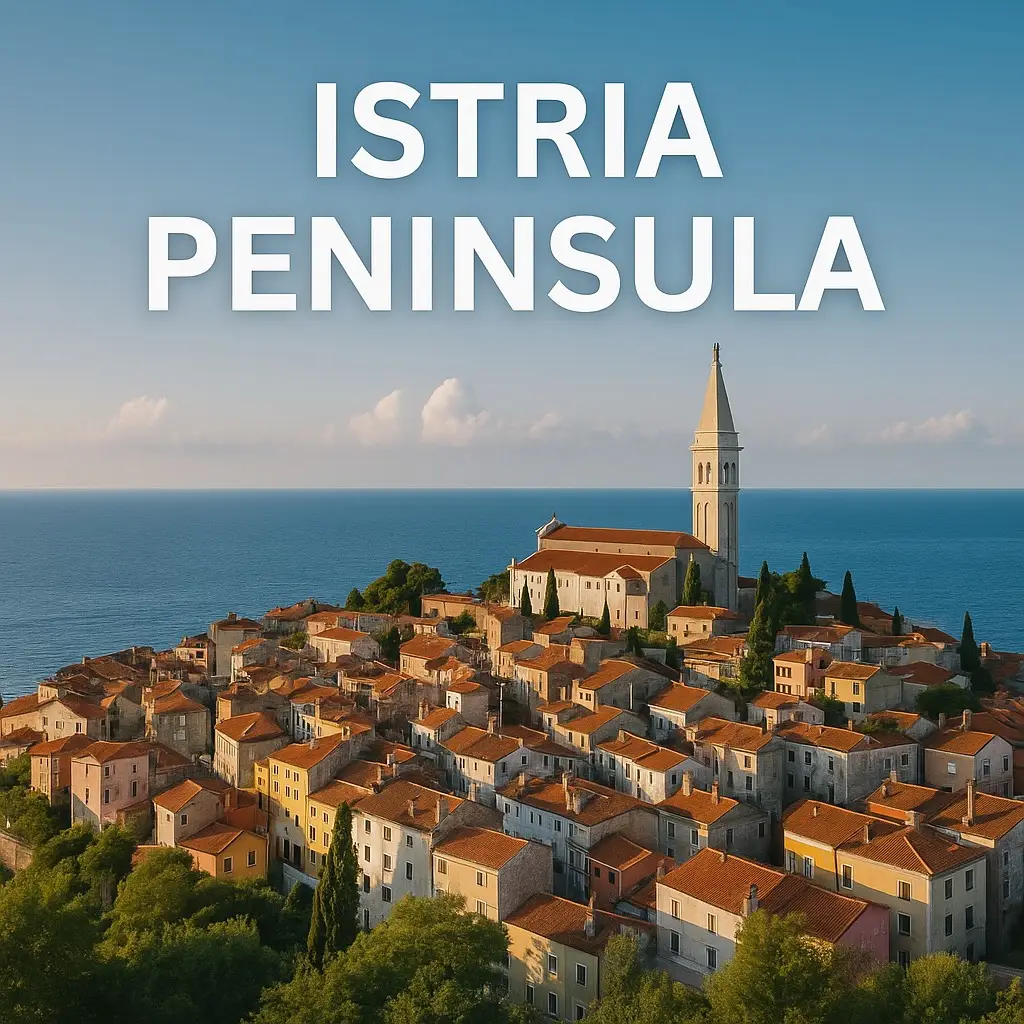
Istria
A heart-shaped peninsula in the northwest known for its Italian influence, truffles, olive oil, and romantic towns such as Rovinj and Pula.
3.
Kvarner Bay
Between Istria and Dalmatia lies a quieter region with elegant seaside towns like Opatija and the islands of Krk, Cres, and Rab.
4.
Central Croatia
Rolling green landscapes, castles, and thermal spas — a perfect countryside escape from the coast.
5.
Slavonia
Eastern rich in culture, wine, and traditional festivals — an underrated gem for authentic experiences.
AI image prompt: “Map-style panoramic image showing coastline, islands, and mountain ranges under clear blue skies.”
 Historical Heritage
history is a tapestry woven by many empires — Roman, Venetian, Austrian, and Ottoman. Each has left its mark on the architecture and culture.
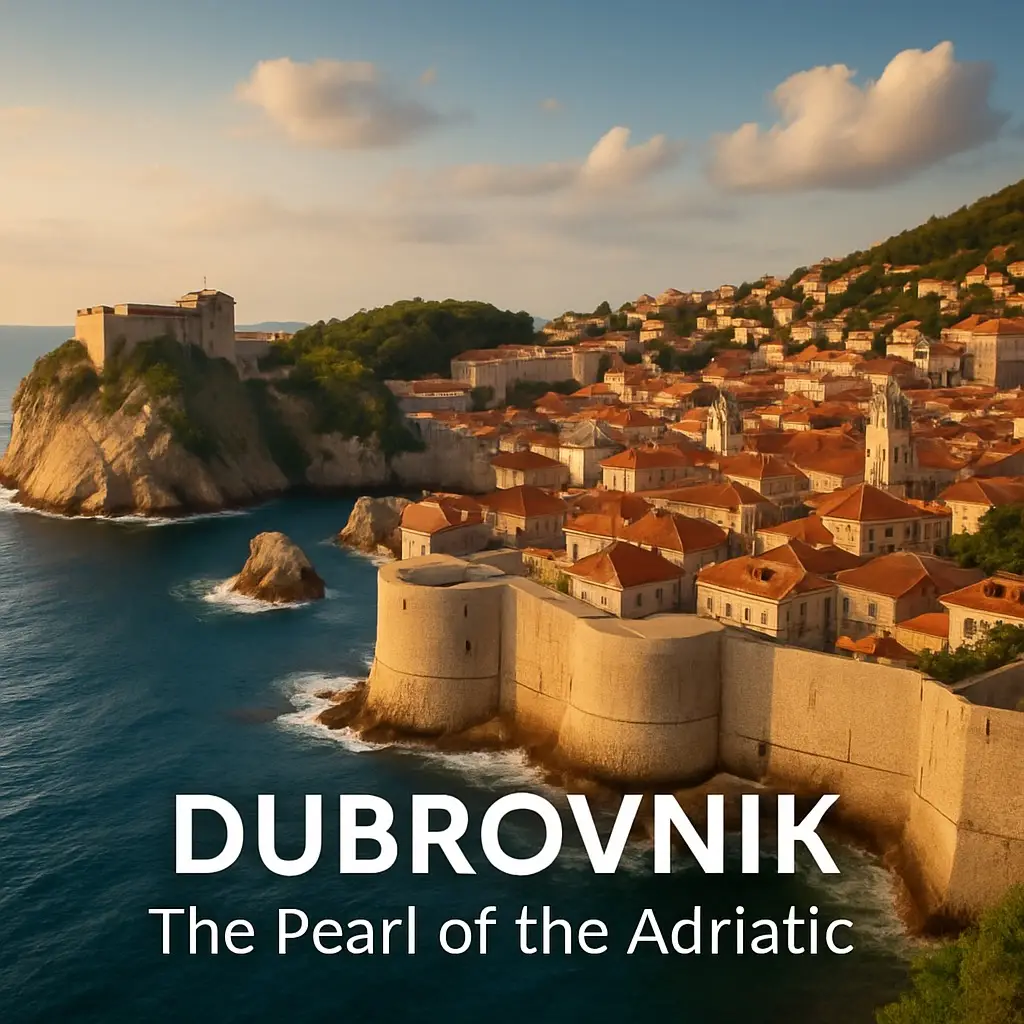
Dubrovnik: The “Pearl of the Adriatic,” encircled by massive medieval walls.
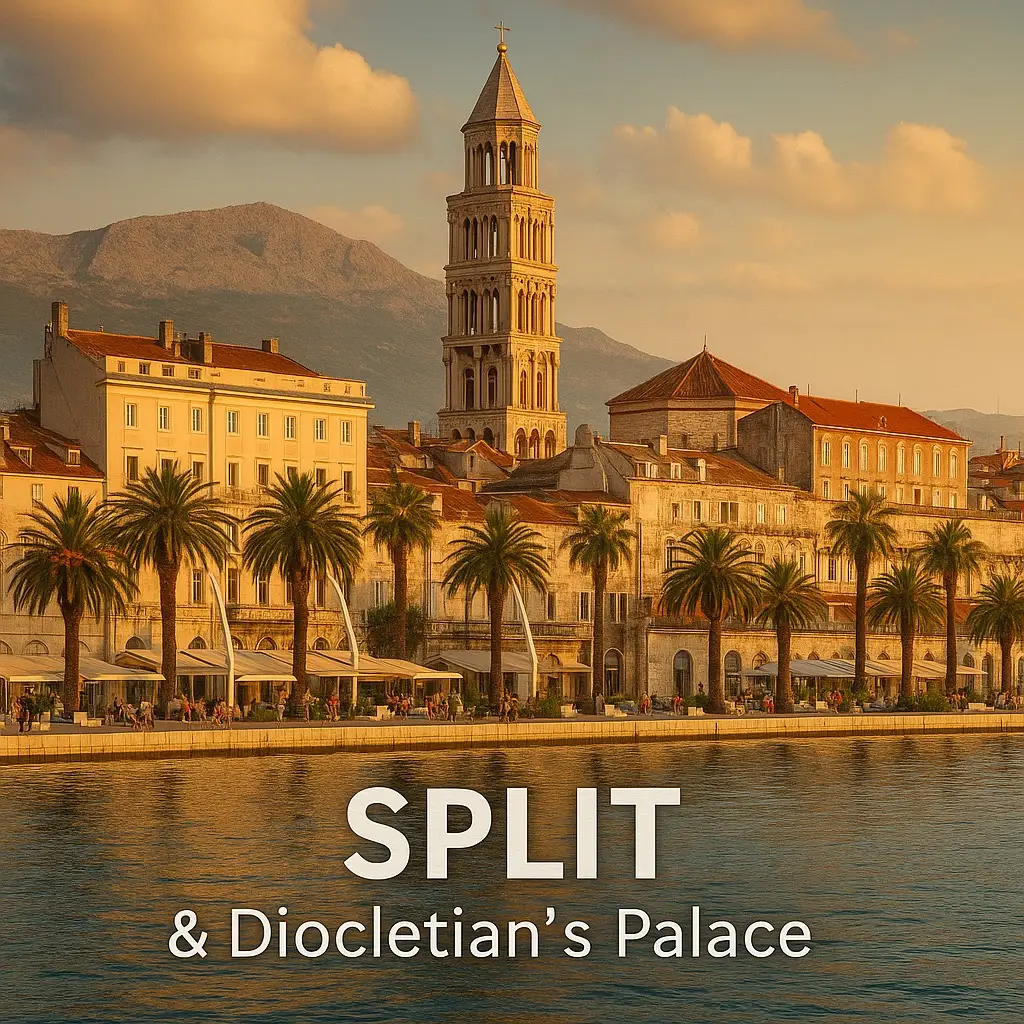
Split: Built within the 4th-century Diocletian’s Palace, where ancient columns meet lively cafés.
Pula: Home to one of the world’s best-preserved Roman amphitheaters.
Trogir: A small island city filled with Renaissance charm.
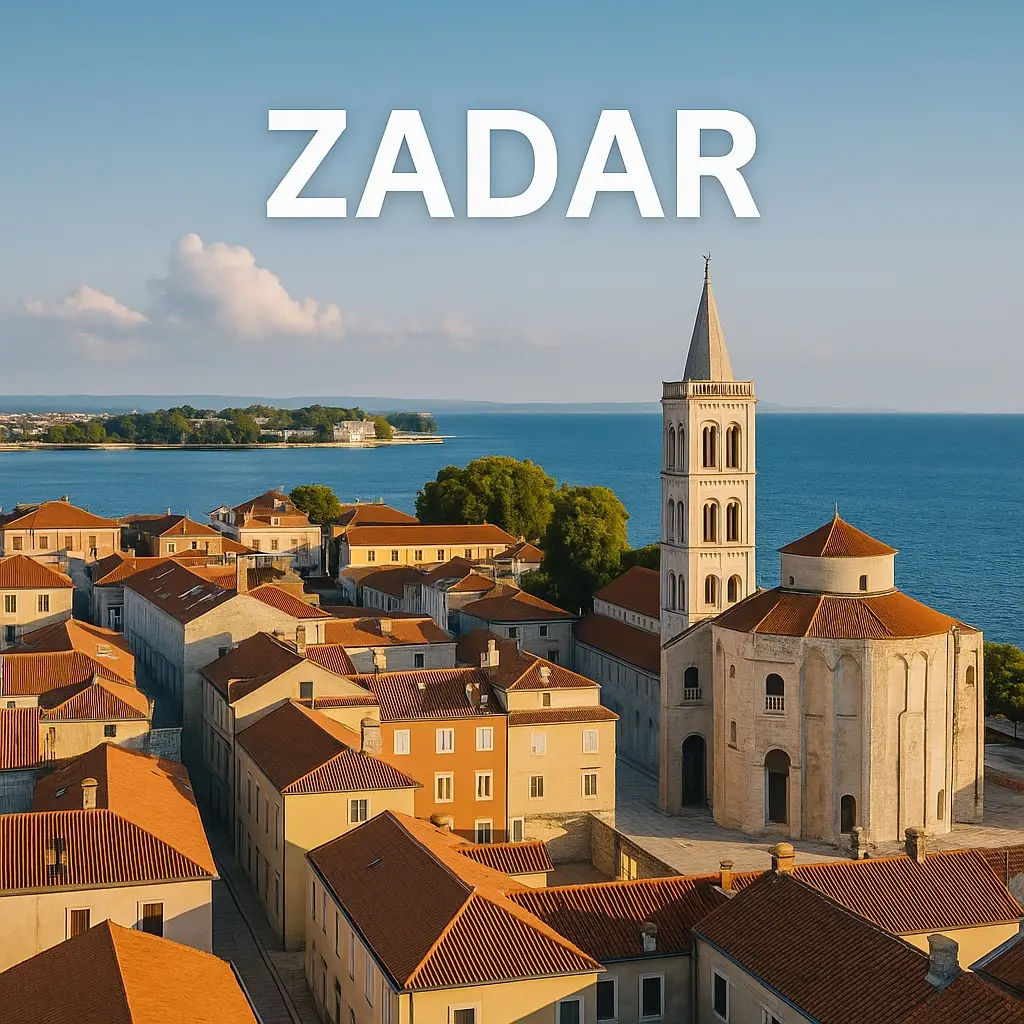
Zadar: A blend of Roman ruins and modern art installations like the Sea Organ.
Throughout Croatia, cobbled streets lead to centuries-old churches, bell towers, and fortresses that whisper stories of trade, conquest, and creativity.
AI image prompt: “Aerial view of Dubrovnik’s medieval city walls with the Adriatic Sea and islands in the background.”
 The Croatian Islands
With more than 1,200 islands and islets, Croatia’s archipelago is one of the most diverse in the world. Only around 50 are inhabited, each with its own identity.
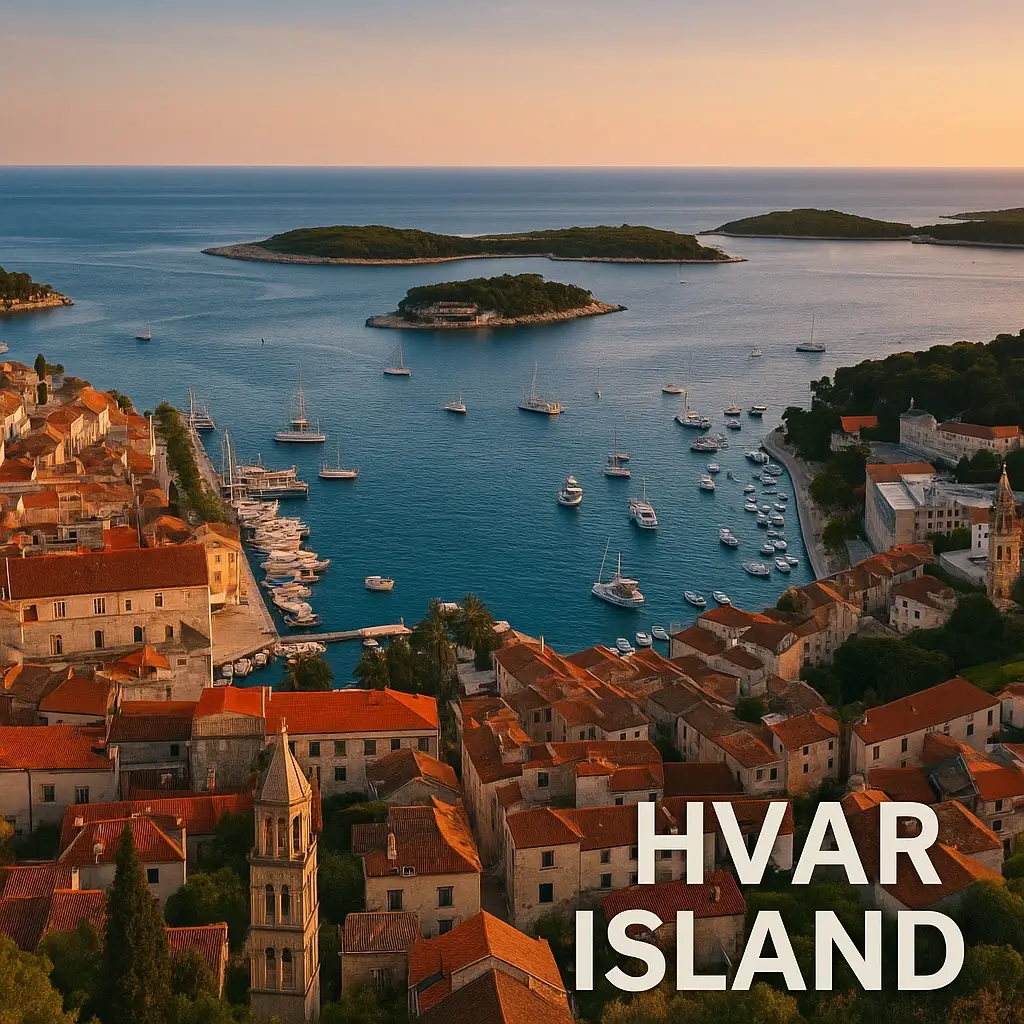
Hvar – Chic, sunny, and full of life. Famous for lavender fields, vineyards, and nightlife.
Korčula – Birthplace of Marco Polo, with medieval lanes and quiet beaches.
Brač – Known for the white-pebble beach Zlatni Rat near Bol.
Vis – Remote and authentic, once closed to the public during Yugoslav times.
Mljet – A paradise of forests and saltwater lakes, perfect for hiking and kayaking.
Whether you’re sailing or island-hopping by ferry, every shore reveals new colors of the Adriatic — from emerald lagoons to deep sapphire coves.
AI image prompt: “Aerial photograph of Croatian islands with turquoise bays, white beaches and sailboats on the Adriatic Sea.”
 Natural Wonders
Croatia’s natural landscapes are some of Europe’s most spectacular.
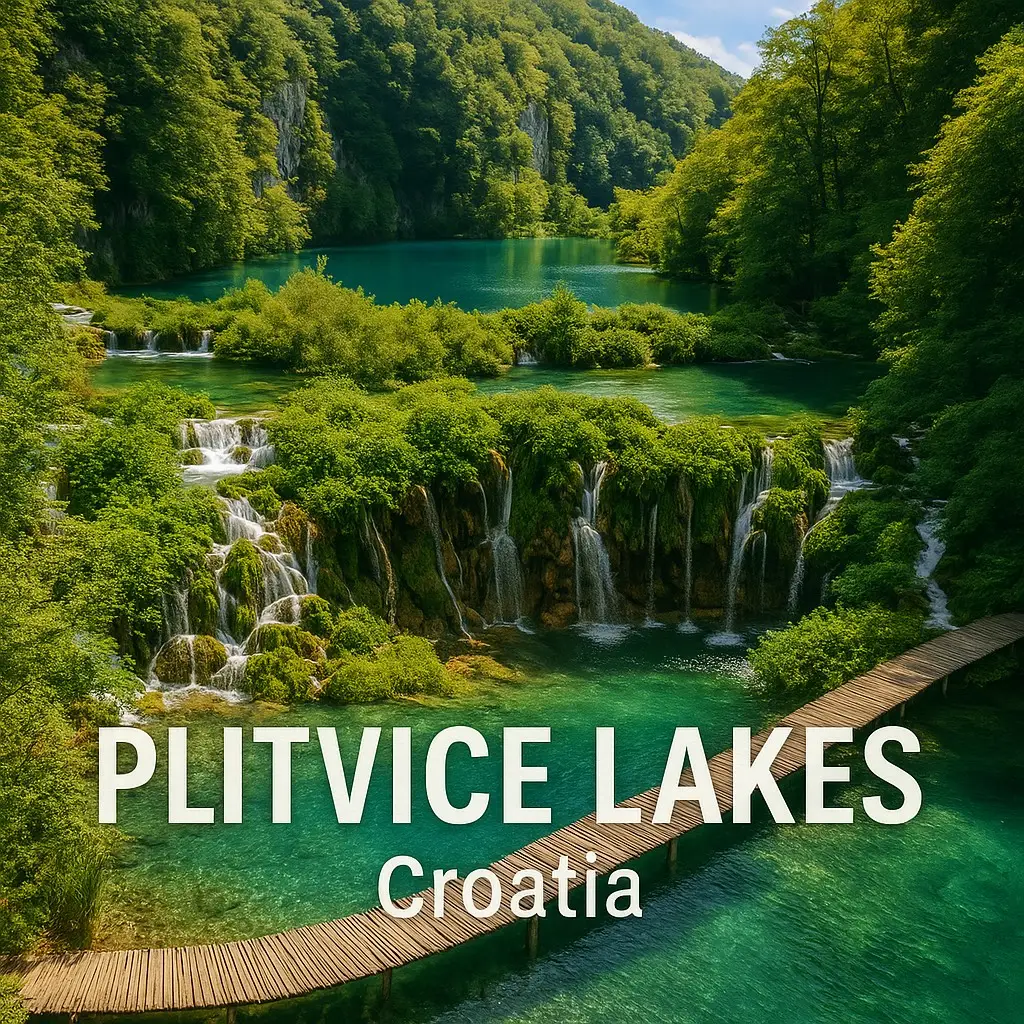
Plitvice Lakes National Park
A UNESCO World Heritage site of 16 turquoise lakes connected by waterfalls and wooden walkways. Early morning mist and crystal waters make it feel like another world.

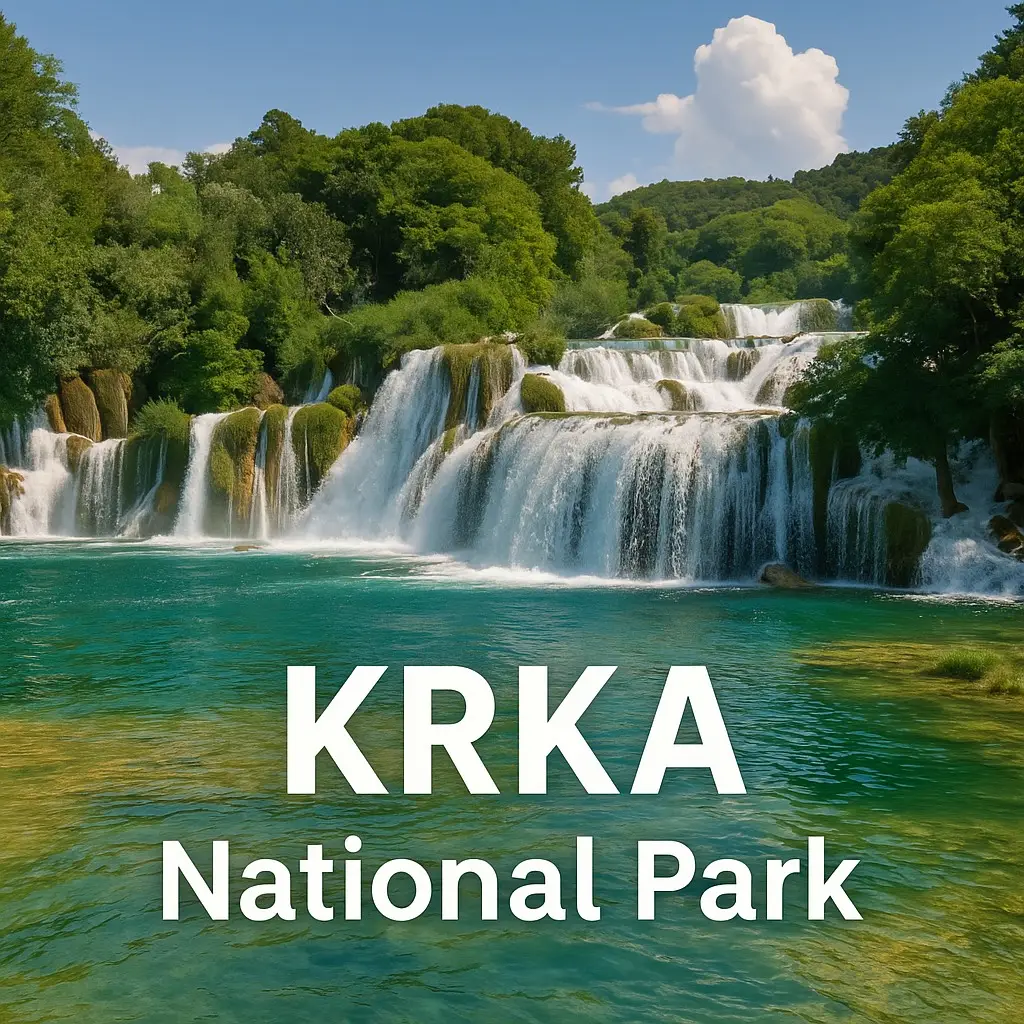
Krka National Park
Similar to Plitvice but closer to the coast — you can walk among waterfalls or take a boat ride to the island monastery of Visovac.

Paklenica National Park
Perfect for hikers and climbers, with dramatic canyons and limestone cliffs rising above the Dalmatian coast.

Biokovo Skywalk
A glass platform 1,200 meters above sea level offering breathtaking views of the sea and islands.
AI image prompt: “Waterfalls and turquoise pools of Plitvice Lakes surrounded by green forest under summer sunlight.”
 Culture & Lifestyle
culture is a joyful blend of Mediterranean relaxation and Central European tradition.
Festivals: From Dubrovnik’s Summer Festival to Zadar’s music nights, every region celebrates art, film, and folklore.
Language: Croatian, but English is widely spoken in tourist areas.
Traditions: Fishermen’s nights, klapa (a cappella) singing, and olive harvest festivals bring locals together year-round.
Life here moves at its own rhythm — slow, sun-drenched, and full of laughter shared over wine and seafood.
AI image prompt: “Croatian fishermen’s boats in a small harbor at sunset with people dining at waterfront cafés.”
 Food & Wine
Croatia’s cuisine is as diverse as its regions.
Dalmatian Coast: Olive oil, seafood, and herbs — try black risotto, octopus salad, and grilled fish.
Istria: Italian-inspired truffle dishes, pasta, and Malvazija white wine.
Slavonia: Rich meat stews, paprika flavors, and hearty wines like Graševina.
Wine lovers will find world-class vineyards in Istria and Dalmatia, while olive oil tastings are a Mediterranean ritual not to be missed.
AI image prompt: “Croatian seafood platter with grilled fish, olives, and white wine by the sea at sunset.”
 Cities & Towns to Explore
Dubrovnik
Famous for its medieval walls, baroque churches, and sweeping sea views — a UNESCO treasure and filming location for Game of Thrones.
Split
A vibrant coastal city built around Emperor Diocletian’s Palace — where ancient Roman columns hide trendy cafés and markets.
Zadar
Combines Roman ruins with modern art — don’t miss the Sea Organ and Greeting to the Sun at sunset.
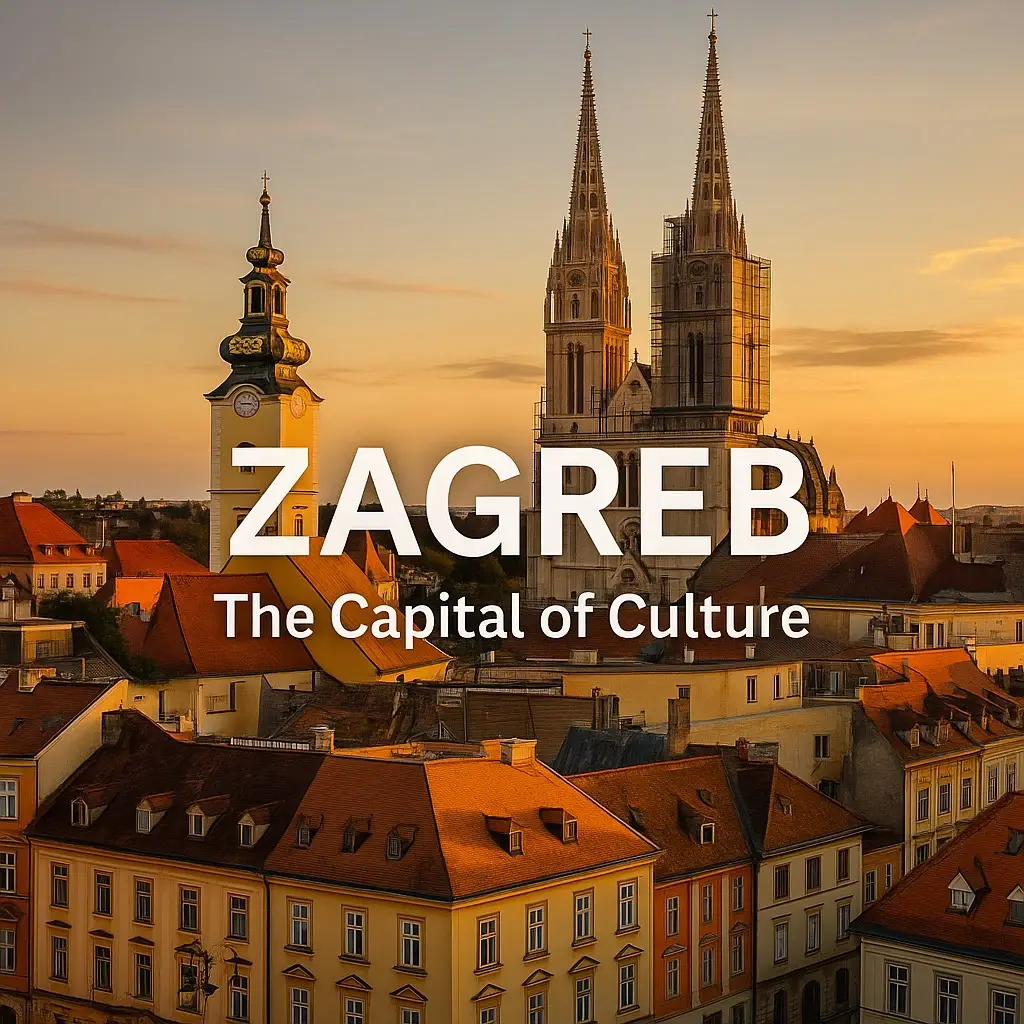
Zagreb
capital is filled with parks, museums, and vibrant street life — a perfect mix of Austro-Hungarian elegance and youthful energy.
Rovinj (Istria)
One of the most romantic towns on the Adriatic, with narrow lanes, pastel houses, and a stunning coastal setting.
 Road Trips & Routes
perfect for scenic drives. The Adriatic Highway (Jadranska Magistrala) winds along the coast, revealing panoramic sea views and countless hidden beaches.
Popular routes include:
Zagreb → Plitvice → Zadar → Split → Dubrovnik – the ultimate southbound adventure.
Istrian Loop – exploring Pula, Rovinj, and hilltop towns like Motovun.
Dalmatian Islands Hop – by ferry from Split or Dubrovnik to Hvar, Brač, and Korčula.
Koptekst

Istralandia Waterpark: Guide to Croatia’s Best Water Adventure

Rastoke Croatia – Fairytale Village of Waterfalls

Discover BeaR’s LOG near Plitvice Lakes, Croatia
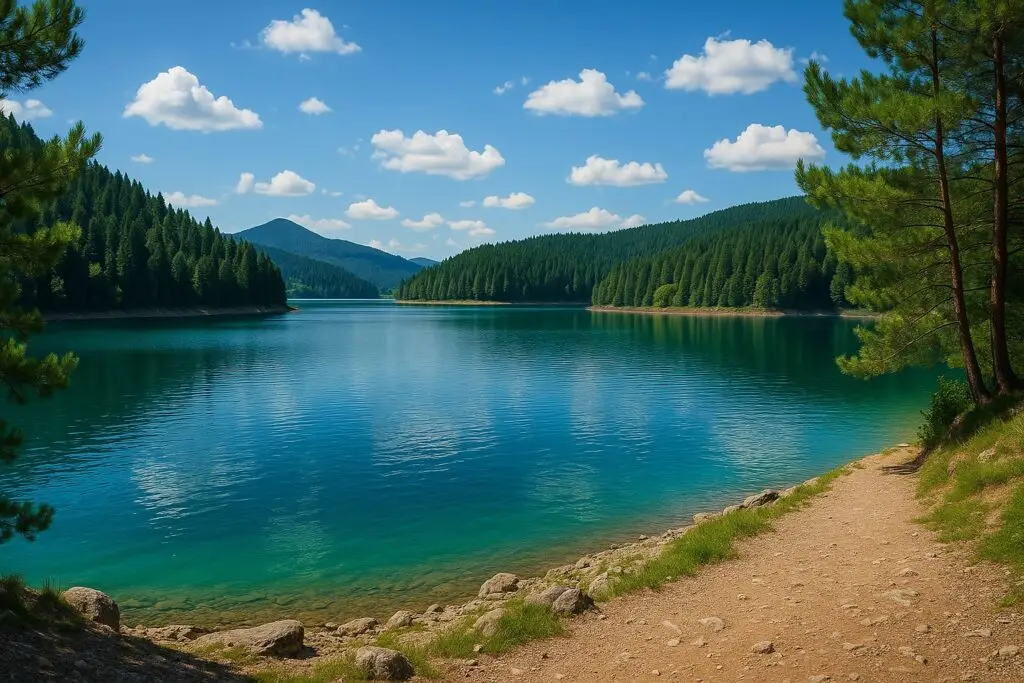
Discover Lokvarsko Jezero – Croatia’s Hidden Lake

Magic in Croatia: Our Stay at Home Coprnicka Hisa:Private Jacuzzi
