
 Istria Peninsula – A Complete Travel Guide
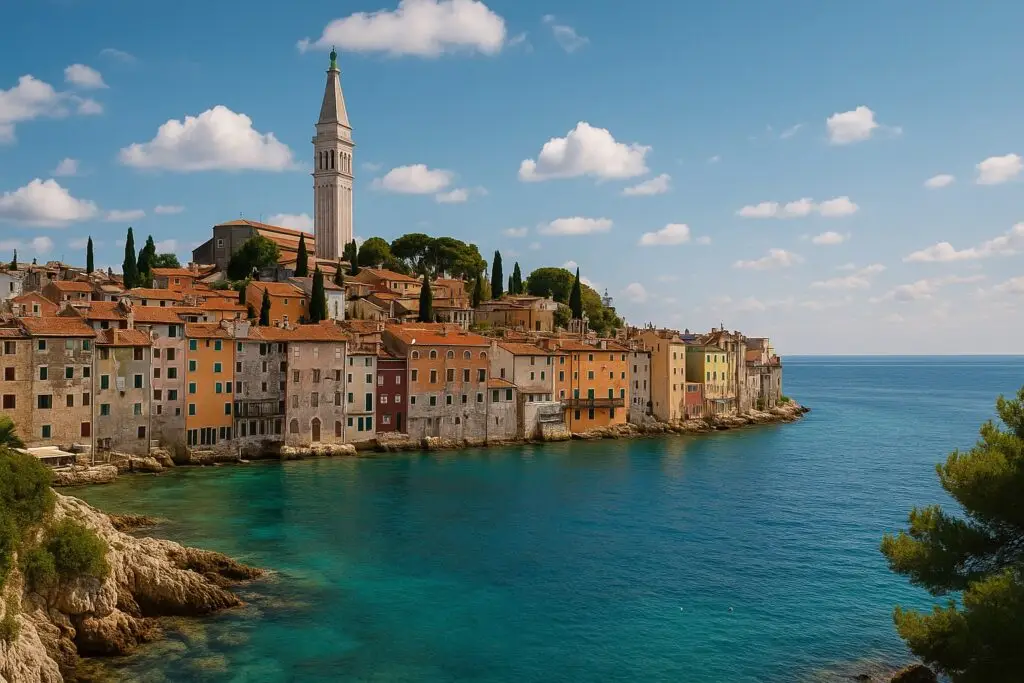
Croatia Istria Nestled in the northwestern corner of Croatia, the Istria Peninsula (Croatian: Istra) is one of Europe’s most magical yet underrated coastal regions.
A place where turquoise seas meet olive groves, and Venetian towns crown rocky hills, Istria feels like a blend of Italy, Croatia, and a touch of ancient Rome — all kissed by Mediterranean sunshine. Croatia Istria
This region is known for its rich history, charming seaside towns, world-class wines, truffles, and crystal-clear coves.
While much of Croatia draws crowds to Dubrovnik and Split, Istria offers a slower, more authentic experience — combining old-world romance with warm Adriatic beauty. Croatia Istria
Whether you’re exploring medieval hilltop villages, swimming in secluded bays, or tasting local olive oils at sunset, Istria is a region that truly captures the heart. Croatia Istria
 Where Is Istria Located?
Croatia Istria forms a triangle at the northern end of Croatia’s Adriatic coast, bordered by Slovenia to the north and Italy across the sea to the west.
Its position has made it a crossroads of cultures for centuries — Roman, Venetian, Austro-Hungarian, and Slavic influences all left their mark here. Croatia Istria
 Closest cities: Pula, Rovinj, Poreč, and Pazin
 Nearest airports: Pula (PUY), Rijeka, or Trieste (Italy)
 By car:
- From Zagreb – 3 hours (via Rijeka)
- From Trieste – 1.5 hours
- From Venice – 3 hours (including border crossing)
 A Land of Sea, Hills & Ancient Stone Croatia Istria
Istria’s landscape is wonderfully diverse.
Along the coast, the Adriatic sparkles in shades of turquoise and sapphire, dotted with fishing villages and hidden coves.
Inland, rolling hills hide vineyards, olive groves, and medieval towns perched on limestone peaks.
This mix of coastal glamour and rural charm makes Istria one of the most balanced destinations in all of Croatia.
You can spend your mornings wandering through ancient ruins by the sea, and your afternoons tasting wine in a quiet stone village surrounded by lavender and oak trees.
 A Journey Through History
Istria’s past is written in its architecture.
From Roman amphitheaters to Venetian bell towers, every town tells a story that spans more than two millennia.
Pula – The Roman Heart
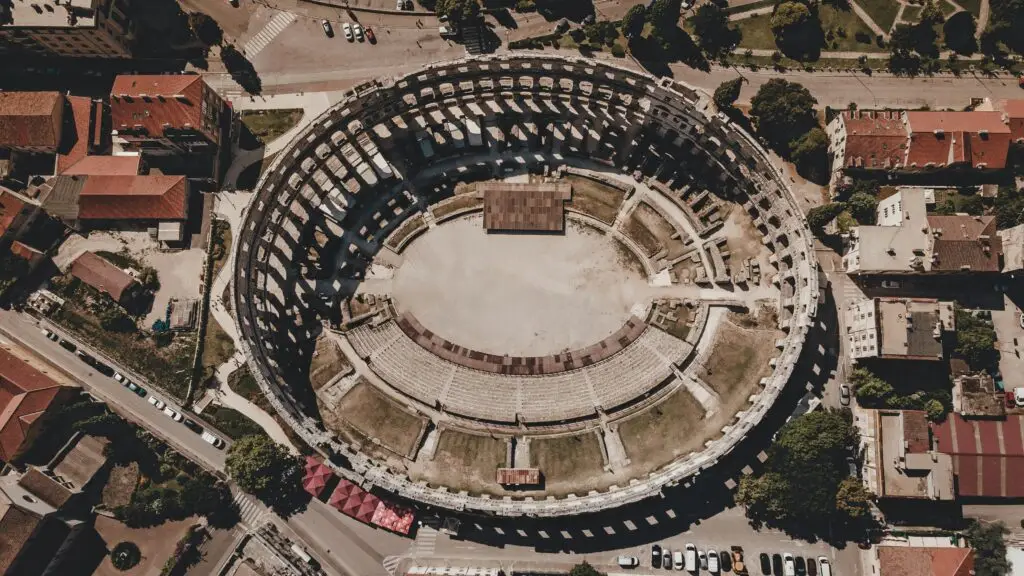
At the southern tip of the peninsula lies Pula, Istria’s largest city and its historical center. Croatia Istria
The star attraction is the Pula Arena, one of the world’s best-preserved Roman amphitheaters — still hosting concerts and film festivals today. Croatia Istria
Wander through cobbled streets to discover:
- The Temple of Augustus, dating from 2,000 years ago
- The Arch of the Sergii
- The Pula Fortress (Kaštel) for panoramic views over the harbor
Despite its Roman soul, Pula remains a lively, youthful city with cafés, markets, and a working port.
Rovinj – The Pearl of the Adriatic
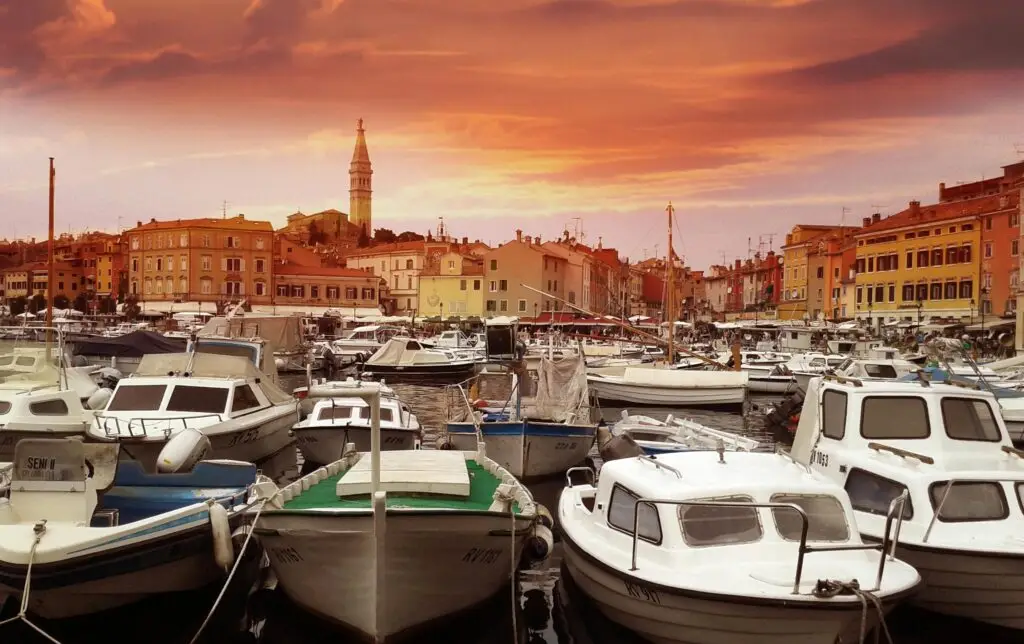
Arguably the most romantic town in Istria, Rovinj is a masterpiece of pastel houses, narrow alleys, and seaside charm.
Originally an island, it was connected to the mainland in the 18th century, but still feels like a world apart.
Highlights include:
- Climbing the St. Euphemia Church Tower for views across the rooftops
- Watching the sunset from Monte Carlo Bar or the Old Port
- Wandering the Balbi Arch into the old town maze of art galleries and cafés
By night, Rovinj glows with golden light reflecting off the sea — a place that captures the imagination of painters and dreamers alike.
Poreč – Where Cultures Meet
North of Rovinj lies Poreč, a town where Roman layout meets Byzantine splendor. Croatia Istria
The Euphrasian Basilica, a UNESCO World Heritage Site, is one of Europe’s oldest and most beautiful churches, with mosaics that glitter like gold.
Nearby beaches and resorts make Poreč a great base for families and those seeking both history and relaxation.
Motovun – Hilltop Magic
In the heart of inland Istria, Motovun rises dramatically from vineyards and forests like something out of a storybook.
This medieval hill town is famous for its summer film festival, truffles, and panoramic views that stretch for miles.
Stroll the ancient walls, taste local Malvazija wine, and don’t miss sunset from the town gate — it’s pure magic.
Grožnjan – The Artist’s Village
Once a near-abandoned fortress, Grožnjan is now a haven for artists and musicians.
Cobbled lanes are lined with studios, galleries, and cafés where creativity thrives.
Every summer, music fills the air as jazz and classical concerts echo from the stone squares.
It’s one of Istria’s quiet treasures — small, authentic, and soul-stirring. Croatia Istria
Hum – The Smallest Town in the World
With only about 30 inhabitants, Hum proudly calls itself “the smallest town in the world.”
It’s tiny, yes, but utterly charming — two main streets, one church, and a handful of stone houses surrounded by green hills.
Stop here for a glass of local mistletoe brandy (biska), and you’ll feel like time stands still.
 Food, Wine & Olive Oil
Istria’s cuisine is one of the best in the Mediterranean — simple, seasonal, and deeply rooted in local tradition.
Signature dishes:
- Truffles: The Motovun forest is world-famous for black and white truffles, especially in autumn.
- Homemade pasta (fuži) with truffle sauce or wild boar stew (žgvacet).
- Fresh seafood: grilled fish, calamari, and octopus salad on the coast.
- Olive oil: Istria has won awards for producing some of the finest oils in Europe.
Pair these meals with local wines:
- Malvazija (white) – crisp, fruity, perfect for seafood
- Teran (red) – rich, earthy, excellent with meat
Fun fact: Olive oil from Istria has been prized since Roman times — amphorae from the 1st century AD have been found stamped with the region’s name.
 Beaches & Hidden Coves Croatia Istria
Istria’s coastline is rocky but stunning, offering dozens of small coves and crystal-clear bays.
Best beaches:
- Punta Verudela (Pula): Family-friendly, clean, and close to cafés.
- Lone Bay (Rovinj): Shallow turquoise waters surrounded by pine forest.
- Kamenjak National Park: At the southern tip, wild beaches and cliffs perfect for swimming and cliff diving.
- Lanterna (near Poreč): Long, pebbly beaches with calm seas.
- Valalta (Rovinj): Known for naturist-friendly and relaxed atmosphere.
Insider tip: Istria’s west coast gets the best sunsets, especially between Rovinj and Poreč.
Powered by GetYourGuide
 Inland Adventures
Inland Istria feels like Tuscany before the crowds — rolling hills, stone cottages, vineyards, and endless photo opportunities.
Top places to explore:
- Pazin Cave: A dramatic chasm beneath a medieval castle, linked to Jules Verne’s novel Mathias Sandorf.
- Učka Nature Park: Hiking trails with views across the entire Istrian Peninsula.
- Buzet: Known as the “City of Truffles.”
- Labin: Colorful hilltop town with a view of the Kvarner Bay.
Renting a car is the best way to discover these off-the-beaten-path gems — roads are scenic, quiet, and well maintained.
 Suggested Itineraries
1-Day Coastal Highlights
- Morning: Explore Pula’s Arena and old town
- Lunch in Rovinj overlooking the sea
- Afternoon: Stroll Poreč’s old streets
- Sunset: Wine by the marina in Rovinj
3-Day Istria Road Trip
Day 1:
Pula → Kamenjak National Park → Rovinj
Day 2:
Rovinj → Poreč → Motovun (overnight in hilltop inn)
Day 3:
Motovun → Grožnjan → Hum → back to coast
5–7 Day Deep Dive
Add:
- Učka hikes
- Wine tasting near Buje
- Boat trip to Brijuni Islands (from Fažana)
- Relax day in Rovinj or Pula
The Brijuni Islands National Park
Off the coast near Fažana, the Brijuni Islands form a lush, protected archipelago with beaches, Roman ruins, and exotic wildlife.
They were once the private retreat of Yugoslav leader Tito — now they’re open to the public.
Take a short boat ride from Fažana to explore the main island, Veliki Brijun, by electric train or bike.
It’s a mix of nature, history, and quiet luxury. Croatia Istria
Getting Around Istria
- By Car: The easiest and most flexible option. Roads are modern and scenic.
- By Bus: Reliable connections between main towns (Pula, Rovinj, Poreč, Pazin).
- By Bike: Istria is great for cycling — the Parenzana Trail follows an old railway line from Trieste to Poreč.
 When to Visit
| Season | Experience |
|---|---|
| Spring (Apr–Jun) | Flowers bloom, mild weather, ideal for sightseeing |
| Summer (Jul–Aug) | Warm seas, lively festivals, best beach weather |
| Autumn (Sep–Oct) | Truffle season, grape harvest, golden landscapes |
| Winter (Nov–Mar) | Quiet, authentic, mild coastal climate |
 Culture & Festivals
Istria’s event calendar is full of life — from film to food.
 Motovun Film Festival (July): Screenings under the stars.
 Grožnjan Jazz Evenings (Summer): Magical atmosphere.
- VinoFest (Spring): Wine tastings and local music.
 Truffle Days (Autumn): Culinary heaven in Livade and Buzet.
 Why Istria Belongs on Every Bucket List
Istria is where the heart of Croatia meets the soul of the Mediterranean. Croatia Istria
It’s a land of contrasts — coastal yet mountainous, ancient yet alive, relaxed yet vibrant.
You can spend your morning in a Roman amphitheater, your afternoon tasting truffles, and your evening watching the sunset over the Adriatic — all without rushing.
This is a place for slow travel, genuine encounters, and unforgettable flavors.
It’s the kind of region that makes you promise to return before you’ve even left. Croatia Istria
Related Amazing Bucketlist Articles
- Rastoke Croatia – Fairytale Village of Waterfalls
- Discover Lokvarsko Jezero – Croatia’s Hidden Lake
- Top 10 Most Romantic Countries in the World for Couples