
Krka National Park – A Complete Travel Guide to Croatia’s Magical Waterfall Paradise
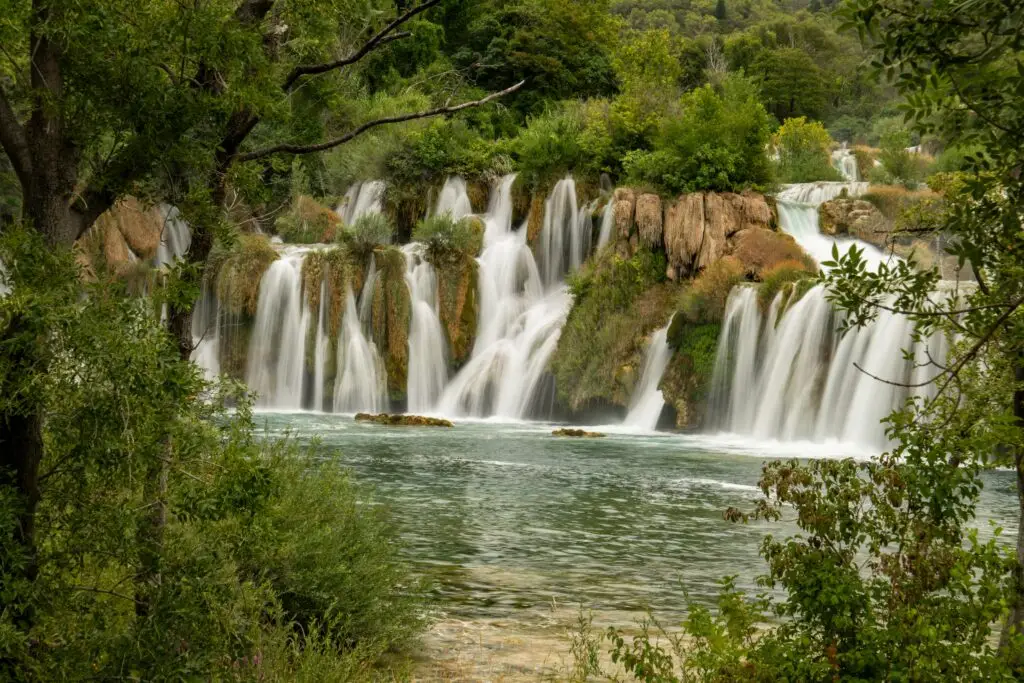
Croatia KRKA Imagine a place where emerald rivers cascade through limestone canyons, creating a chain of waterfalls so perfect they seem unreal. Welcome to Krka National Park, one of Croatia’s most breathtaking natural wonders. Located in the Dalmatian region between Zadar and Split, this park covers over 109 square kilometers of pristine nature — a mesmerizing landscape of turquoise lakes, gorges, old monasteries, and lush forests.
While the nearby Plitvice Lakes National Park often gets the spotlight, Krka has its own magic: it’s more accessible, less crowded, and home to equally stunning waterfalls — most famously Skradinski Buk, where you can witness 17 cascades tumbling into a clear blue pool.
Krka National Park is not just about scenery; it’s also a place where nature, culture, and history intertwine. You can explore medieval monasteries, hike scenic trails, take riverboat cruises, and spot hundreds of species of birds and fish — all in one unforgettable day.
1. Location and Overview
Croatia Krka National Park lies along the Krka River, which flows from the Dinara Mountains to the Adriatic Sea near Šibenik. The river stretches 72 kilometers and forms seven major waterfalls within the park boundaries.
The park was established in 1985 to protect this extraordinary karst landscape, its unique hydrology, and its biodiversity. Today, Krka is one of Croatia’s most visited national parks, drawing travelers, photographers, and adventure seekers from around the world.
Entrance towns and access points:
- Skradin: The main gateway, with boat rides to Skradinski Buk.
- Lozovac: The most common entry point for cars and buses.
- Roski Slap: Perfect for those wanting fewer crowds and a more peaceful side of the park.
- Burnum, Kistanje, and Puljane: Northern entrances for visiting monasteries and archaeological sites.
2. The Seven Waterfalls of Krka
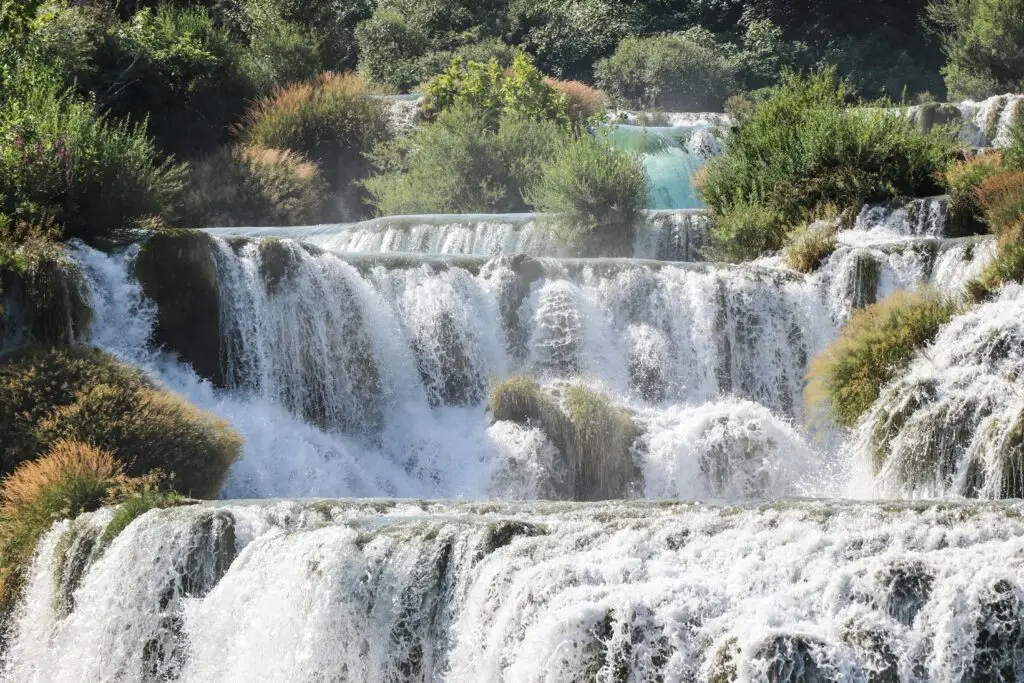
The waterfalls of Croatia Krka are the park’s crown jewels — each with its own shape, character, and charm. Let’s explore them in order from north to south.
1. Bilušića Buk
This is the first waterfall on the Krka River, located in a narrow canyon near Knin. Though smaller and less accessible than others, it’s wild and untouched — ideal for photographers seeking a natural scene away from tourists.
2. Brljan Waterfall
Formed by a widening of the river into a small lake, Brljan is surrounded by scenic walking trails and remnants of Roman settlements nearby.
3. Manojlovac Waterfall
At about 60 meters high, this is the park’s tallest waterfall and arguably its most majestic. Emperor Franz Joseph once called it “the most beautiful waterfall in Europe.” It’s best viewed from the lookout platform above, accessible by a short hike from the main road near Kistanje.
4. Rošnjak Waterfall
A peaceful, mystical place hidden between cliffs. It’s nicknamed The Altar because of its tranquil setting. No swimming or boat access here — just raw, untouched nature.
5. Miljacka Slap
This waterfall lies near the Krka Monastery and the Miljacka hydroelectric plant, one of the oldest in Europe. Though swimming is prohibited, the view from nearby trails is spectacular.
6. Roški Slap
A series of smaller cascades known as The Necklaces, followed by a dramatic 15-meter drop into a deep lake. You can explore nearby mills, wooden bridges, and a small restaurant serving local specialties.
Roški Slap is also a great starting point for boat trips to Visovac Island.
7. Skradinski Buk
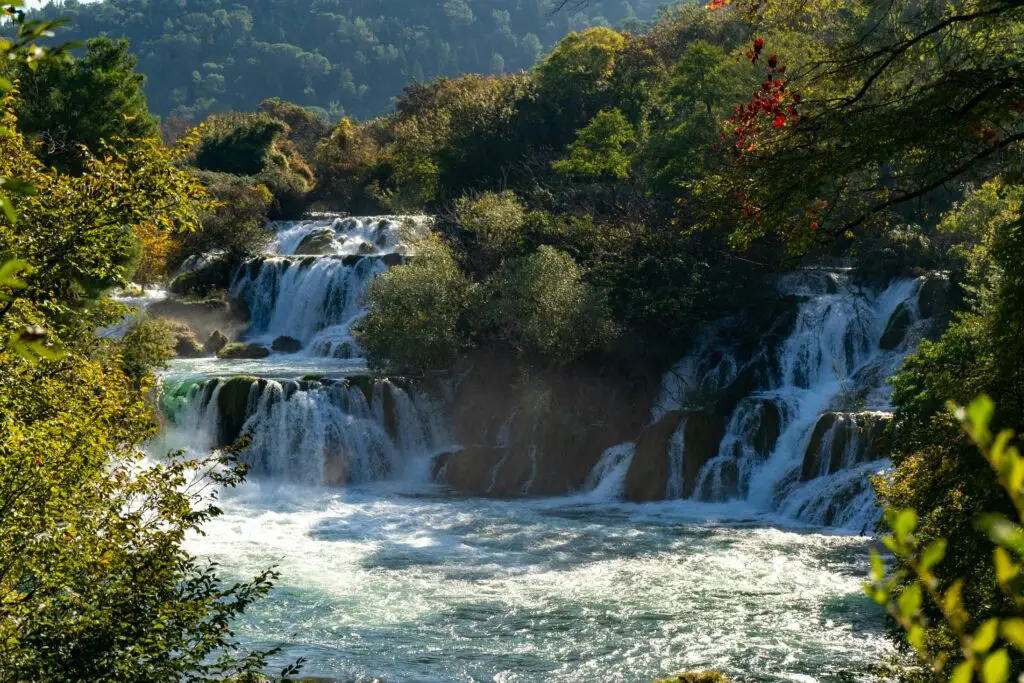
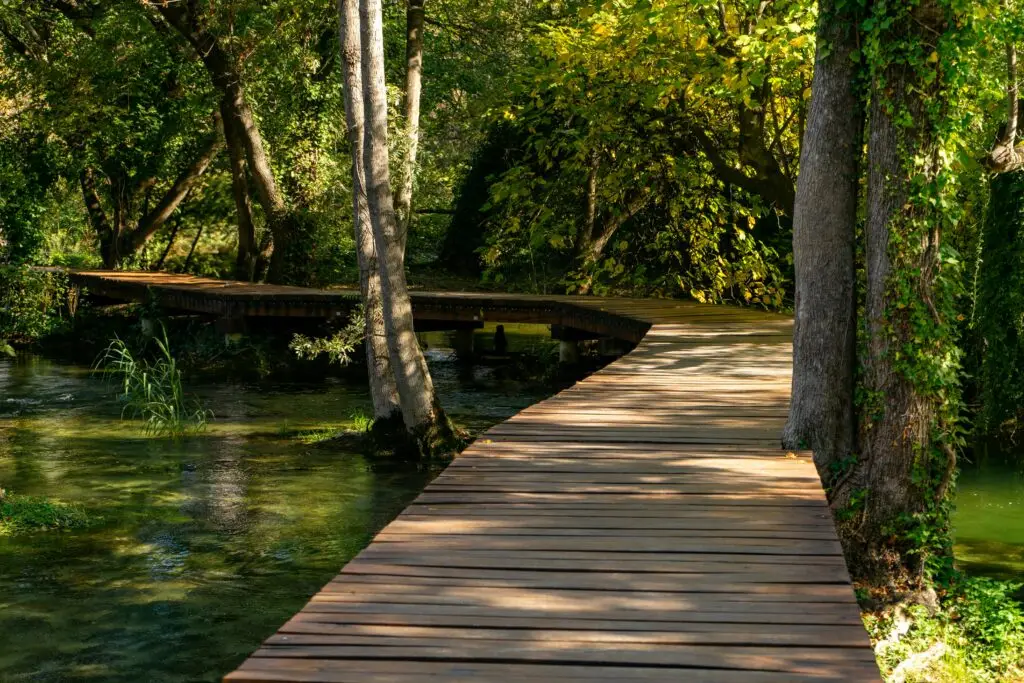
The most famous and visited waterfall in Krka National Park — and one of the most iconic sights in all of Croatia. This massive cascade stretches over 800 meters and consists of 17 steps, with countless pools and travertine terraces. Wooden boardwalks wind through the area, making it easy to explore while enjoying the roar of the falls and the scent of pine trees.
While swimming was once allowed here, it’s no longer permitted (since 2021) to protect the ecosystem. Still, the viewing platforms and bridges offer unforgettable views of this natural wonder.
3. Visovac Island – A Spiritual Sanctuary
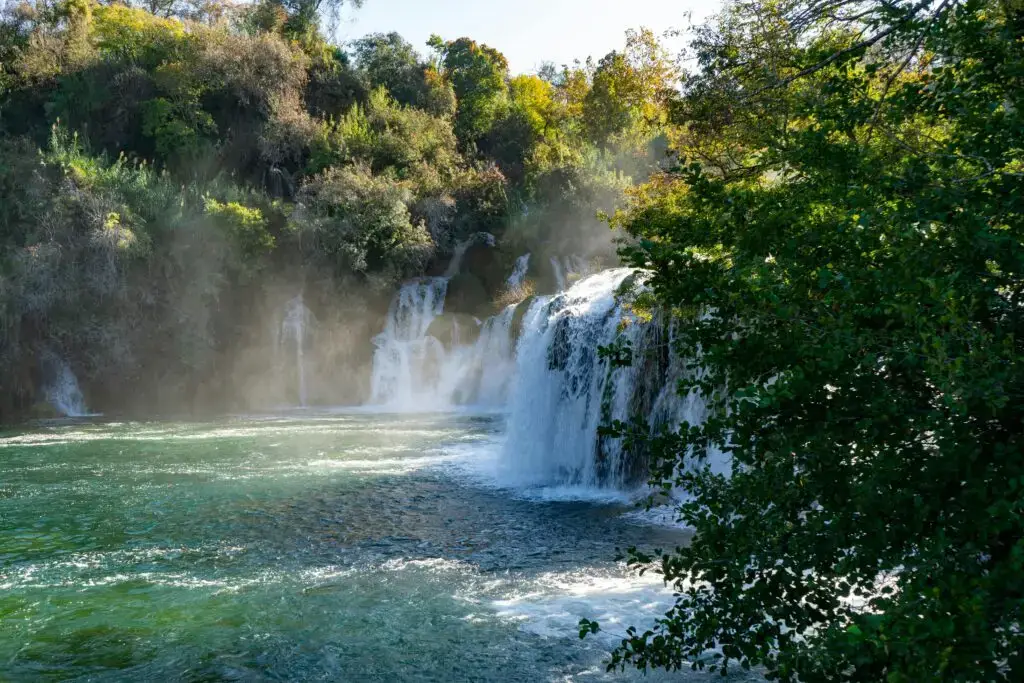
In the middle of the Croatia Krka River lies Visovac Island, a small, lush oasis surrounded by turquoise waters. The island is home to a 15th-century Franciscan Monastery and church dedicated to Our Lady of Visovac.
The monastery has been continuously inhabited for over 500 years and houses an impressive collection of manuscripts, paintings, and religious artifacts.
Visitors can reach the island by boat tours from Skradinski Buk or Roški Slap — the short ride alone is worth the trip for its stunning river views.
 Tip: Dress modestly if entering the church, and allow at least an hour to walk around the island.
4. Croatia Krka Monastery
Further upstream near the village of Kistanje stands the Krka Monastery (Manastir Krka), one of the most important Serbian Orthodox sites in Croatia. Built in the 14th century, it sits above ancient Roman catacombs that can still be visited today.
The monastery’s peaceful setting on the riverbanks, surrounded by willow trees and calm water, makes it a serene escape from the busier parts of the park. Boat trips from Roški Slap to the monastery are available daily during summer.
5. Hiking and Walking Trails Croatia KRKA
Croatia Krka National Park offers several well-marked trails that allow visitors to immerse themselves in its lush landscapes and waterfalls. Each trail varies in difficulty, length, and scenery.
Skradinski Buk Loop
- Length: 2 km
- Duration: 1 hour
- Difficulty: Easy
- Highlights: Wooden boardwalks, waterfalls, birds, and historical mills.
Lozovac to Skradinski Buk
- Length: 3.4 km one way
- Duration: 45–60 minutes
- Highlights: Shady forest paths and scenic viewpoints.
Roški Slap Circular Route
- Length: 8.5 km
- Duration: 2.5 hours
- Highlights: River viewpoints, caves, mills, and a panoramic climb.
Manojlovac Viewpoint Trail
- Length: 1 km
- Difficulty: Moderate uphill section
- Reward: One of the most spectacular waterfall views in Croatia.
Krka Monastery Path
- Length: 2 km
- Tip: Combine with a boat trip for a complete cultural experience.
Affiliate suggestion: Include GetYourGuide hiking or eco-tours for visitors who prefer guided exploration.
6. Flora and Fauna Croatia KRKA
Krka is a paradise for nature lovers. The park’s unique karst ecosystem supports an impressive variety of wildlife:
- 860 plant species, including endemic orchids and wild herbs.
- Over 200 bird species, such as eagles, herons, and kingfishers.
- 18 species of bats living in park caves.
- Fish species: 10 endemic to the Krka River system.
Spring and early summer are the best seasons for birdwatching and wildflowers.
7. Cultural Heritage and Old Mills
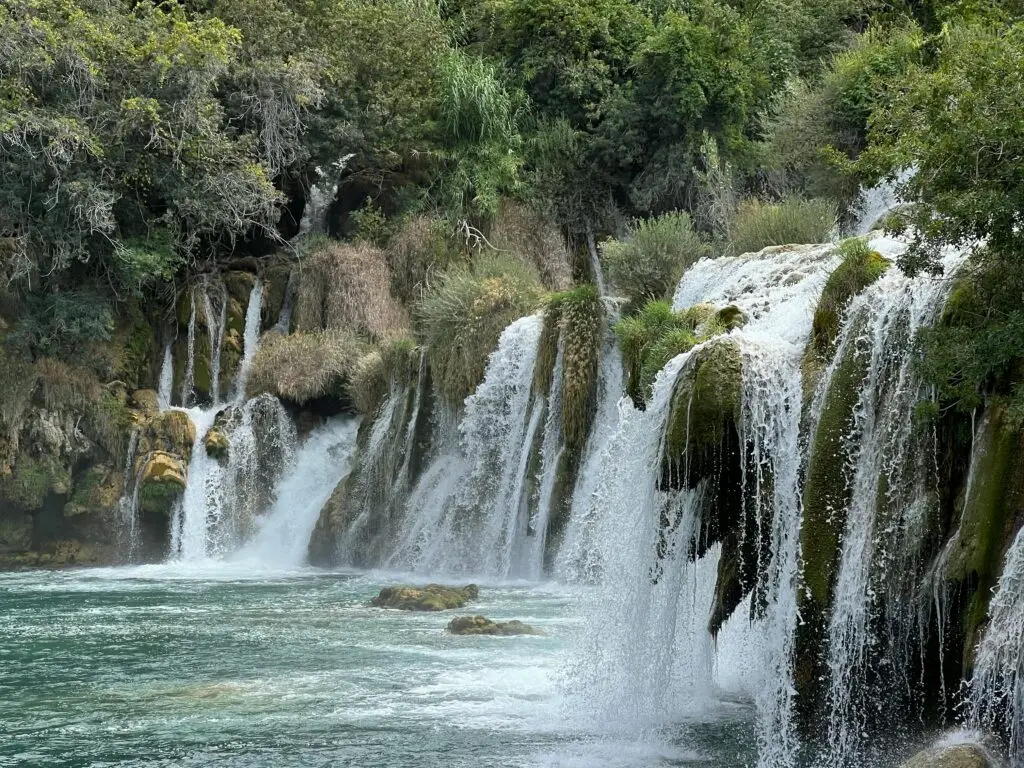
Throughout the park, you’ll encounter old water mills, stone houses, and ethnographic exhibitions that tell the story of traditional Dalmatian life. At Skradinski Buk and Roški Slap, restored mills demonstrate how grain was once ground using hydropower.
There are also small workshops displaying weaving, woodcraft, and olive oil production — ideal for cultural enthusiasts.
8. Boat Excursions and River Cruises
Boat tours are among the most enjoyable ways to explore Krka National Park. Most trips operate from Skradinski Buk, Roški Slap, or Skradin.
Popular Routes
- Skradinski Buk → Visovac Island → Roški Slap (3.5 hours)
- The most scenic and popular cruise.
- Roški Slap → Krka Monastery → Roški Slap (2 hours)
- Perfect mix of nature and culture.
- Skradin → Skradinski Buk (25 minutes)
- Included in the park ticket (seasonal).
 Affiliate recommendation: Add GetYourGuide or Trip.com links for “Krka Boat Tour” and “Waterfall Cruise.”
9. Swimming Rules Croatia KRKA
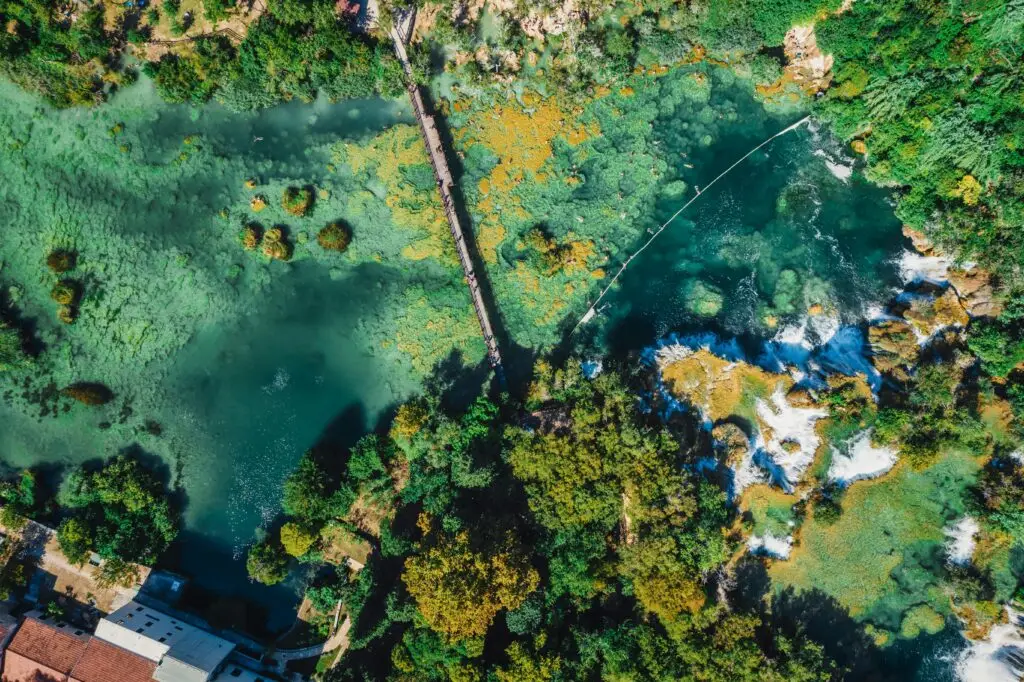
Until a few years ago, visitors could swim at Skradinski Buk — a rare opportunity among national parks in Europe. However, swimming has been banned since 2021 due to environmental protection regulations.
While you can no longer swim under the waterfalls, there are several nearby spots where swimming is allowed outside park boundaries, such as:
- At the Krka River near Skradin town
- At Roški Slap area (designated spots only)
- At local beaches near Šibenik or Skradin Bay
10. Best Time to Visit
Krka is beautiful year-round, but the experience changes with the seasons.
| Season | Highlights | Notes |
|---|---|---|
| Spring (April–June) | Lush greenery, full waterfalls, pleasant temperatures. | Ideal for photography and hiking. |
| Summer (July–August) | Peak season, extended boat services, sunny weather. | Expect crowds; go early morning. |
| Autumn (Sept–Oct) | Fewer tourists, golden colors, comfortable climate. | Excellent for couples and quiet trips. |
| Winter (Nov–Mar) | Peaceful, minimal entry fees. |
 Tip: Arrive before 9 a.m. for best lighting and fewer crowds.
11. How to Get There Croatia KRKA
By Car
From Split (90 km) or Zadar (75 km) — about 1 to 1.5 hours via the A1 motorway.
Follow signs to Lozovac or Skradin entrances.
By Bus
Direct buses run from Split, Zadar, and Šibenik to Skradin, especially in summer.
By Organized Tour
Many agencies offer day trips from Split, Zadar, or Trogir, combining Krka with wine tastings or Šibenik sightseeing.
 Croatia Krka Waterfalls Day Trip from Split” affiliate links — highly searched on GetYourGuide.
12. Entrance Fees (2025)
Prices vary by season and entry point:
| Period | Adult | Student | Child (7–18) |
|---|---|---|---|
| Jan–Mar | €7 | €5 | €4 |
| Apr–May | €20 | €15 | €12 |
| Jun–Sept | €40 | €30 | €25 |
| Oct–Dec | €15 | €10 | €8 |
Boat rides from Skradin are included in ticket price (April–October).
Tickets can be purchased at entrances or online via the official Krka NP website.
13. Where to Stay Croatia KRKA
Whether you’re seeking a romantic getaway, a family retreat, or a budget stopover, Krka’s surroundings offer diverse options.
Luxury & Boutique
- D-Resort Šibenik – 5-star marina resort with infinity pool.
- Hotel Skradinski Buk – Near the park entrance, stylish rooms and restaurant.
- Heritage Hotel Life Palace (Šibenik) – Historical boutique stay with charm.
Mid-Range
- Villa Roza Skradin – Peaceful guesthouse surrounded by greenery.
- Hotel Vrata Krke (Lozovac) – Ideal for families and groups.
- Boutique Hotel Bonaca (Skradin) – Cozy rooms and local breakfast.
Budget
- Camping Krka – Great for outdoor travelers.
- Guesthouse Ankora – Simple and affordable rooms near Skradin port.
 Link through Booking.com or Trip.com with text like “Check prices and availability here.” Near Croatia KRKA
14. Dining and Local Cuisine
After exploring waterfalls, reward yourself with a traditional Dalmatian meal.
Local Dishes:
- Peka: Slow-cooked meat or octopus baked under an iron dome.
- Brudet: Fisherman’s stew with tomato and wine.
- Pršut: Dalmatian prosciutto served with cheese and olives.
- Skradin Cake: A rich almond and chocolate dessert.
Recommended Restaurants:
- Konoba Vinko (Lozovac): Authentic home cooking.
- Bonaca (Skradin): Seafood and river fish specialties.
- Konoba Dalmatino (Šibenik): Local wine pairings with regional dishes.
 Wine Tip: Try Babić red wine from nearby Primošten or Debit white wine.
15. Photography Tips Croatia KRKA
Croatia Krka is a photographer’s dream.
- Morning light: Best for Skradinski Buk reflections.
- Golden hour: Capture warm tones at Roški Slap.
- Drone use: Allowed only with official permission.
- Tripod: Useful for long-exposure waterfall shots.
16. Responsible Travel and Sustainability
Croatia Krka’s popularity means responsible behavior is vital to preserve its fragile ecosystem:
- Stick to marked trails.
- Don’t litter or feed wildlife.
- Avoid loud music and drones in sensitive zones.
- Respect no-swimming and no-touch rules near waterfalls.
- Support local businesses and eco-friendly tours.
The park’s management invests in renewable energy and educational programs — by visiting responsibly, you help protect this treasure for future generations.
17. Day Trips and Nearby Attractions
Make the most of your visit with nearby destinations worth exploring.
Šibenik
Just 15 minutes from Croatia Krka. Known for the UNESCO-listed St. James Cathedral, narrow alleys, and coastal views.
Trogir
A beautifully preserved medieval town, also UNESCO-listed, about an hour away.
Zadar
Famous for its Sea Organ and Greeting to the Sun light installation.
Split
Croatia’s vibrant coastal hub and home to Diocletian’s Palace.
Wine Tasting in Skradin
Local vineyards offer tours and tastings of organic wines and olive oils — a perfect complement to nature sightseeing.
18. Suggested Itinerary – One Perfect Day in Croatia Krka National Park
Morning
- Arrive early via Lozovac Entrance.
- Walk the Skradinski Buk Loop Trail before crowds arrive.
- Visit the restored mills and small ethnographic exhibits.
Late Morning
- Take a boat to Visovac Island for a monastery visit.
- Continue upstream to Roški Slap for lunch by the river.
Afternoon
- Climb the Roški Slap viewpoint trail.
- Visit Krka Monastery by boat.
- Return to Skradin for coffee and a swim at the riverbank.
Evening
- Dine at a konoba in Skradin or Šibenik.
- Watch the sunset over the Krka River valley.
19. Practical Tips for Visitors
- Opening hours: 8:00–18:00 (summer), reduced in winter.
- Restrooms and cafés at major sites (Skradinski Buk, Roški Slap).
- Bring: Comfortable shoes, water, hat, and sunscreen.
- Parking: Free near Lozovac and Skradin.
- Pets: Allowed on leash (not in boats or monasteries).
20. Why Croatia Krka Deserves a Spot on Your Bucket List
Few places combine such effortless beauty, accessibility, and tranquility as Krka National Park. Its cascading waterfalls, sacred islands, and lush trails capture the spirit of Croatia’s natural landscape. Whether you’re an adventurer, photographer, or peaceful wanderer, Croatia Krka offers something unforgettable.
Unlike many destinations, Croatia Krka lets you feel both the power of nature and the depth of history — from ancient monasteries to roaring waterfalls. It’s a destination that stays with you, reminding you that paradise can exist right in Europe’s heart. Croatia KRKA
Related Amazing Bucketlist Articles Croatia Dubrovnik
- Rastoke Croatia – Fairytale Village of Waterfalls
- Discover Lokvarsko Jezero – Croatia’s Hidden Lake
- Top 10 Most Romantic Countries in the World for Couples