Plitvice Lakes National Park – A Complete 2025 Travel Guide
Hidden deep in the heart of Croatia’s mountainous Lika region, Plitvice Lakes National Park (Nacionalni park Plitvička jezera) is one of Europe’s most enchanting natural wonders. Plitvice lakes
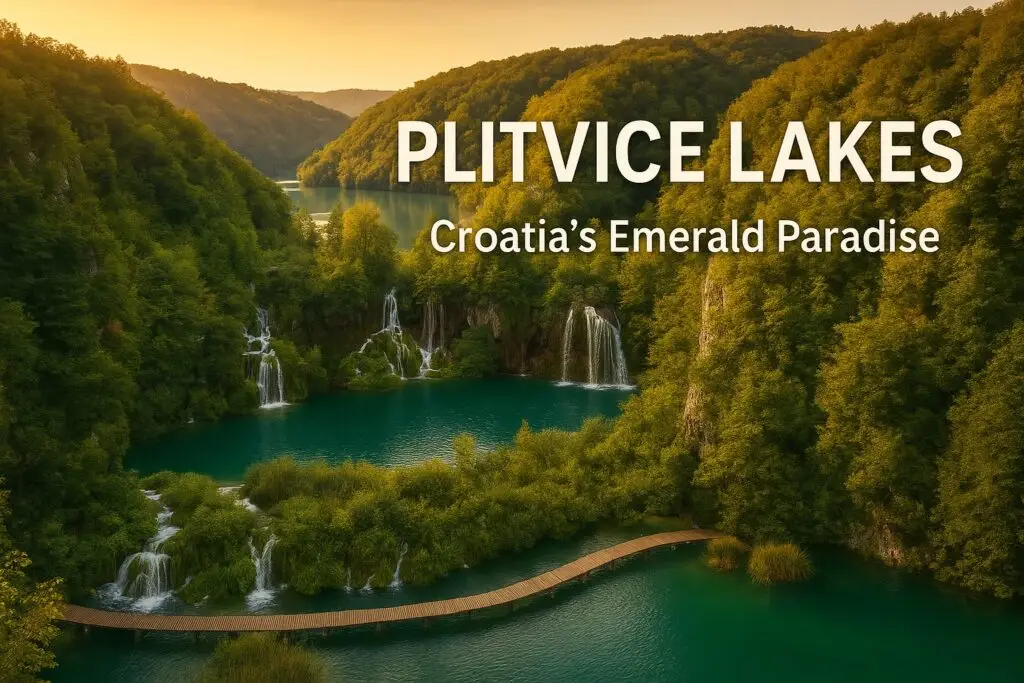
A world of turquoise lakes, cascading waterfalls, and moss-covered forests, Plitvice feels like a place pulled straight from a fairy tale. Plitvice lakes
Recognized as a UNESCO World Heritage Site since 1979, it’s Croatia’s oldest and most visited national park — and yet, if you wander far enough from the main trails, you can still find quiet corners where only the sound of rushing water and birdsong fills the air. Plitvice lakes
From peaceful wooden boardwalks to dramatic viewpoints and serene forest trails, Plitvice offers something magical for every traveler — whether you’re here for a day trip, a weekend escape, or a full hiking adventure.
Where Is Plitvice Lakes Located?
Plitvice Lakes lies roughly midway between Zagreb and Zadar, in central Croatia’s rugged inland mountains.
Zagreb → Plitvice: 130 km (≈2 hours by car)
Zadar → Plitvice: 120 km (≈1.5–2 hours)
Split → Plitvice: 250 km (≈3.5 hours)
Because of its central position, it’s a perfect stopover between the Croatian coast and capital — a refreshing contrast to the beaches and cities of the Adriatic.
Tip: The nearest small towns with accommodation are Rastovača, Plitvička Jezera Village, and Jezerce — all within minutes of the park entrances. Plitvice lakes
A Landscape of 16 Lakes and 90 Waterfalls
The park covers nearly 300 square kilometers, but the real highlight is a chain of 16 emerald lakes, connected by a series of spectacular waterfalls and travertine barriers. Plitvice lakes
These lakes are divided into two main sections:
Upper Lakes (Gornja jezera)
Surrounded by dense forest and limestone hills
Deep, tranquil, and larger than the lower ones
Famous lakes: Kozjak, Gradinsko, Prošćansko, Galovac
This area feels wilder and more remote — perfect for longer hikes and peaceful scenery.
Lower Lakes (Donja jezera)
Dramatic limestone canyon with steep cliffs
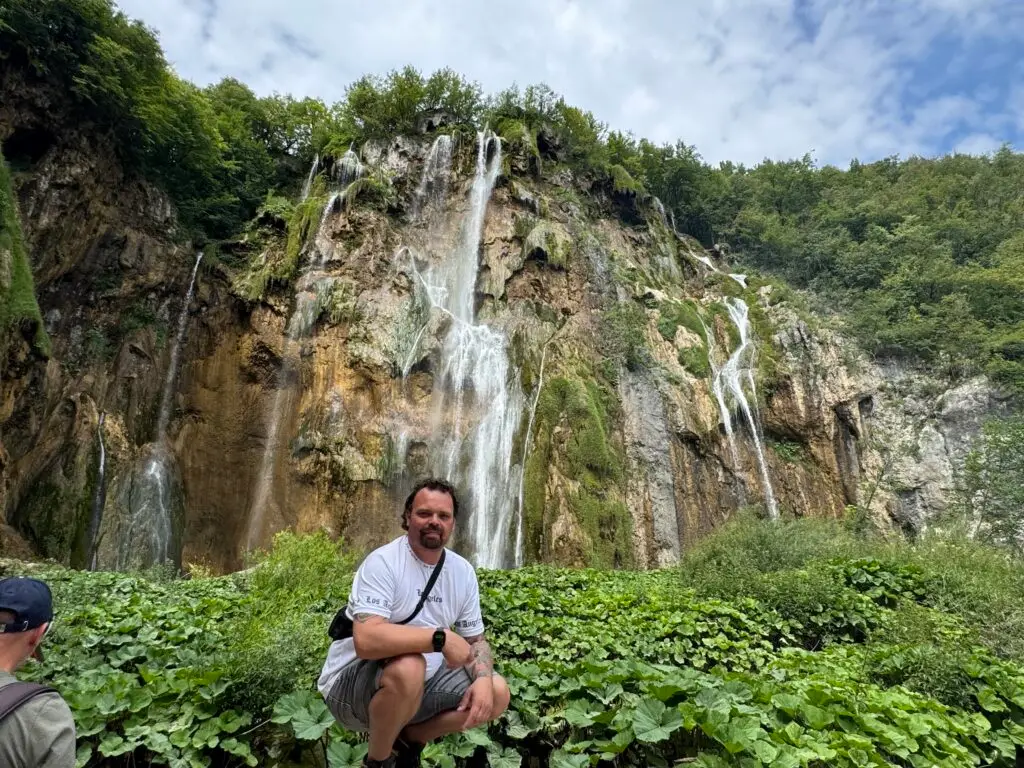
Famous for Veliki Slap (the “Big Waterfall”), the tallest in Croatia
Closer to Entrance 1 and the most photographed area
Here you’ll find the classic Plitvice scenery — turquoise pools, misty falls, and wooden boardwalks snaking across crystal-clear waters.
The Science Behind the Beauty
The lakes owe their color and clarity to travertine, a natural mineral deposit formed by the interaction of water, plants, and moss.
Over centuries, this process created natural dams that separate the lakes — constantly growing and reshaping the landscape.
As sunlight changes and minerals shift, the lakes appear to change color from emerald green to turquoise blue — a breathtaking natural spectacle. Plitvice lakes
Park Entrances and Layout
Plitvice has two main entrances:
Entrance
Best For
Nearby Area
Entrance 1
Classic lower lakes & Veliki Slap waterfall
Rastovača
Entrance 2
Upper lakes, boat & train connections
Jezerce
Both entrances are connected by electric boats and panoramic trains, which are included in your ticket and make it easy to explore in loops.
Insider tip: For first-time visitors, start early (8:00 AM or earlier) at Entrance 1, walk the lower lakes first, then take the boat to the upper section.
Several cafés and snack bars near Entrances 1 and 2.
Picnic spots by Lake Kozjak (carry your own food).
No swimming or picnicking near waterfalls — to protect the ecosystem.
Nearby villages offer traditional Lika cuisine:
grilled trout, lamb stew (janjetina), and homemade cheeses.
Getting There & Around
By Car: Main parking at both entrances (€1/hour or daily rate).
By Bus: From Zagreb, Zadar, or Split (FlixBus and regional lines).
By Bike: Allowed only on designated outer roads, not inside lake trails.
The park itself is pedestrian-only — a mix of wooden walkways, forest paths, boats, and electric trains.
Nearby Attractions
If you have more time, combine Plitvice with other beautiful spots in Croatia:
Rastoke Village (Slunj): 25 minutes north, known as the “Small Plitvice.”
Barac Caves: Fascinating underground formations near Rakovica.
Zrmanja River Canyon: Epic views and rafting opportunities.
Krka National Park: Smaller but allows swimming — 2 hours south.
Suggested 1-Day Itinerary
Morning:
Arrive early (before 8 AM)
Explore Lower Lakes and Veliki Slap
Take the boat across Kozjak
Midday:
Lunch near P2 station or Kozjak café
Continue through Upper Lakes loop
Afternoon:
Train back to Entrance 2
Stop at main viewpoint for photos
Optional dinner in Jezerce or Korenica
Conservation and Respect
Plitvice’s fragile ecosystem depends on visitor care.
Please:
Stay on marked paths
Don’t touch or enter the lakes
Carry out all trash
Avoid loud music or drones near waterfalls
Every drop and leaf here is part of a living ecosystem that took thousands of years to form.
Why Plitvice Belongs on Every Bucket List
There are few places in Europe where nature feels so pure and untouched.
Standing on a wooden path above cascading emerald water, surrounded by mist and forest light, it’s easy to understand why Plitvice is called the soul of Croatia. Plitvice lakes
It’s not just a park — it’s a reminder of how beautiful and powerful the Earth can be when protected.
So take your time, walk slowly, breathe deeply, and let the sound of waterfalls carry you away. Plitvice lakes
Plitvice is not only to be seen — it’s to be felt.

 Plitvice Lakes National Park – A Complete 2025 Travel Guide
 Where Is Plitvice Lakes Located?
 Zagreb → Plitvice: 130 km (≈2 hours by car)
 Zadar → Plitvice: 120 km (≈1.5–2 hours)
 Split → Plitvice: 250 km (≈3.5 hours)
 A Landscape of 16 Lakes and 90 Waterfalls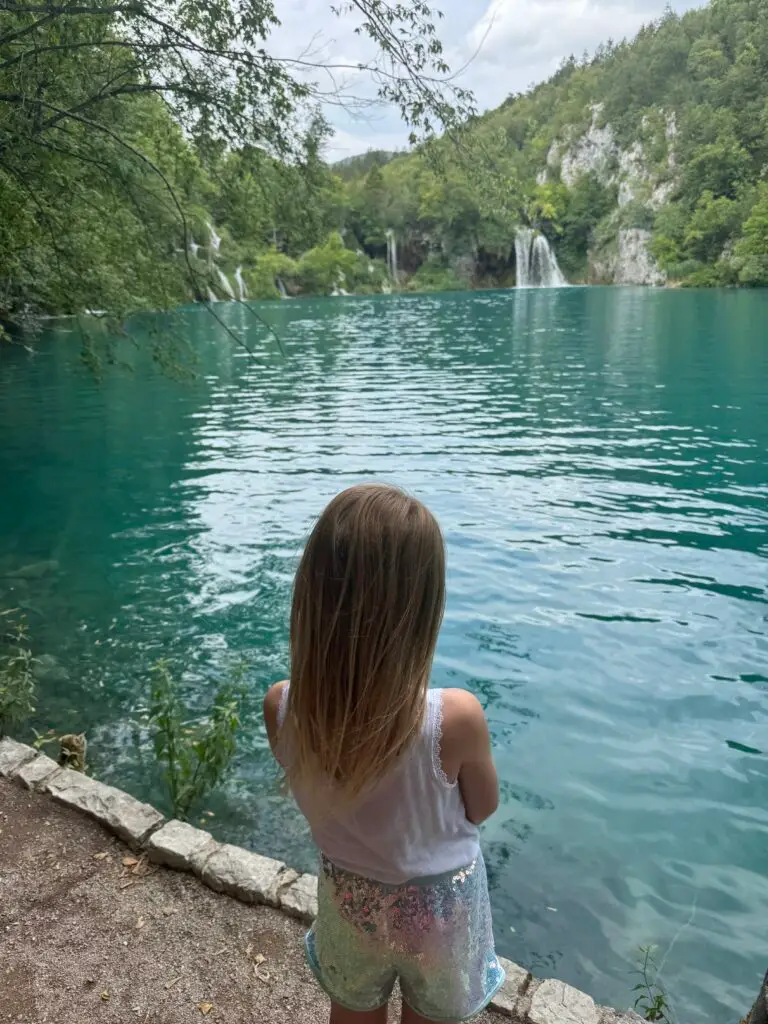
 Upper Lakes (Gornja jezera)
 Lower Lakes (Donja jezera)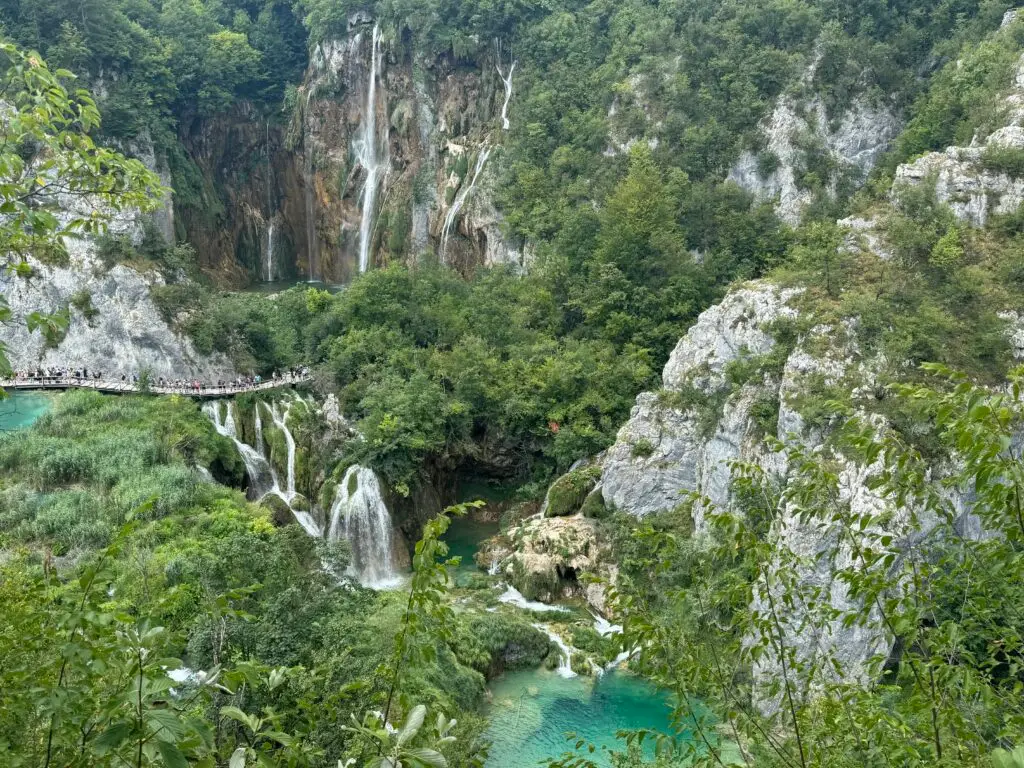
 Park Entrances and Layout
 Best Walking Routes & Itineraries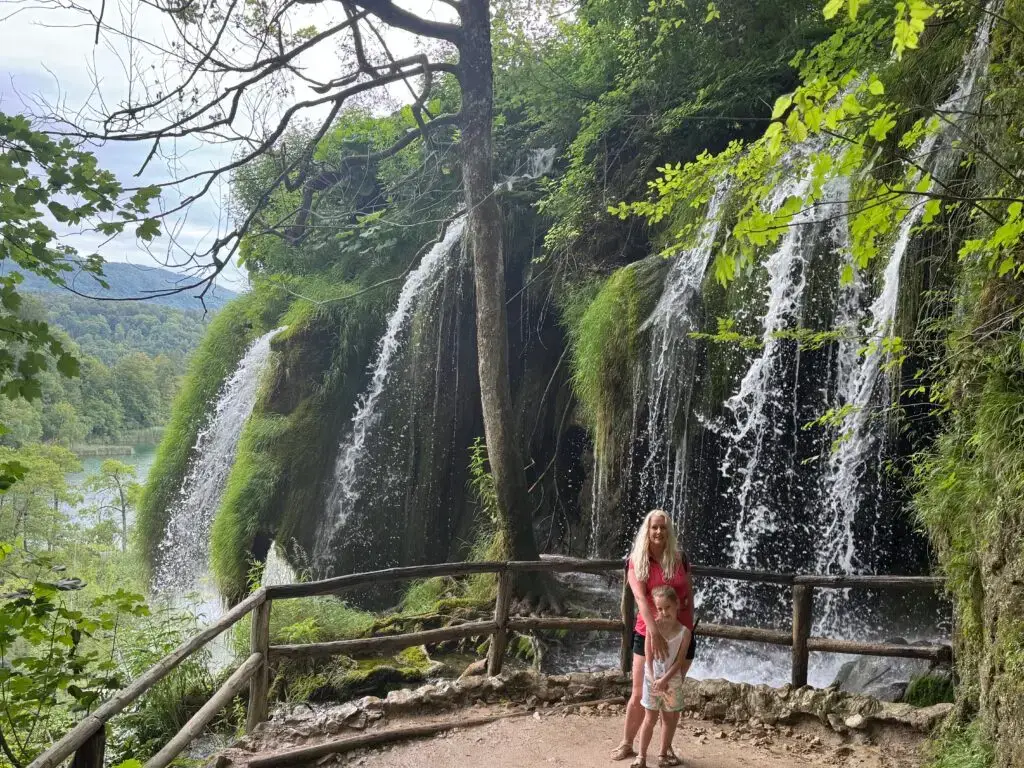
 The most popular route — full experience in one day!
 The ultimate adventure for hiking lovers!
 Top Viewpoints and Photo Spots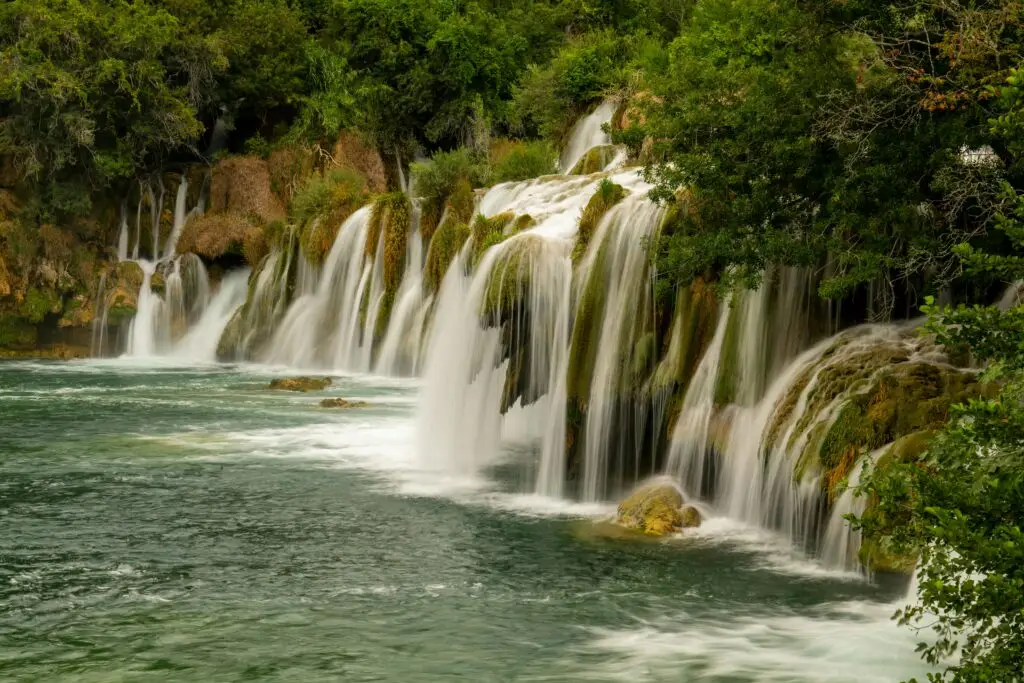
 Flora and Fauna
 When to Visit
 Tickets and Opening Hours
 Tickets: vary by season
 Includes:
 Opening hours: 7:00–19:00 (summer); 8:00–15:00 (winter)
 Where to Stay Near Plitvice lakes
 Food & Facilities
 Getting There & Around
 By Car: Main parking at both entrances (€1/hour or daily rate).
 By Bus: From Zagreb, Zadar, or Split (FlixBus and regional lines).
 By Bike: Allowed only on designated outer roads, not inside lake trails.
 Nearby Attractions
 Suggested 1-Day Itinerary
 Conservation and Respect
 Why Plitvice Belongs on Every Bucket List