Loire Valley, France – The Land of Castles, Gardens & Timeless Riverscapes
TFrance Loire Valley he Loire Valley — known as “The Garden of France” — is one of the most enchanting and historically rich regions in Europe.
Stretching for over 280 kilometers along the gentle Loire River between Orléans and Nantes, this UNESCO World Heritage Site is famous for its fairy-tale châteaux, vineyards, Renaissance towns, and romantic countryside. France Loire Valley
Here, every turn reveals a piece of history: elegant castles rising from misty riverbanks, ancient villages framed by sunflower fields, and stately gardens that look like living paintings. The Loire Valley embodies everything travelers dream of when they imagine France — culture, gastronomy, architecture, and tranquility. France Loire Valley
The region’s heart beats in rhythm with the Loire River itself — wide, calm, and meandering through landscapes that have inspired kings, poets, and artists for centuries.
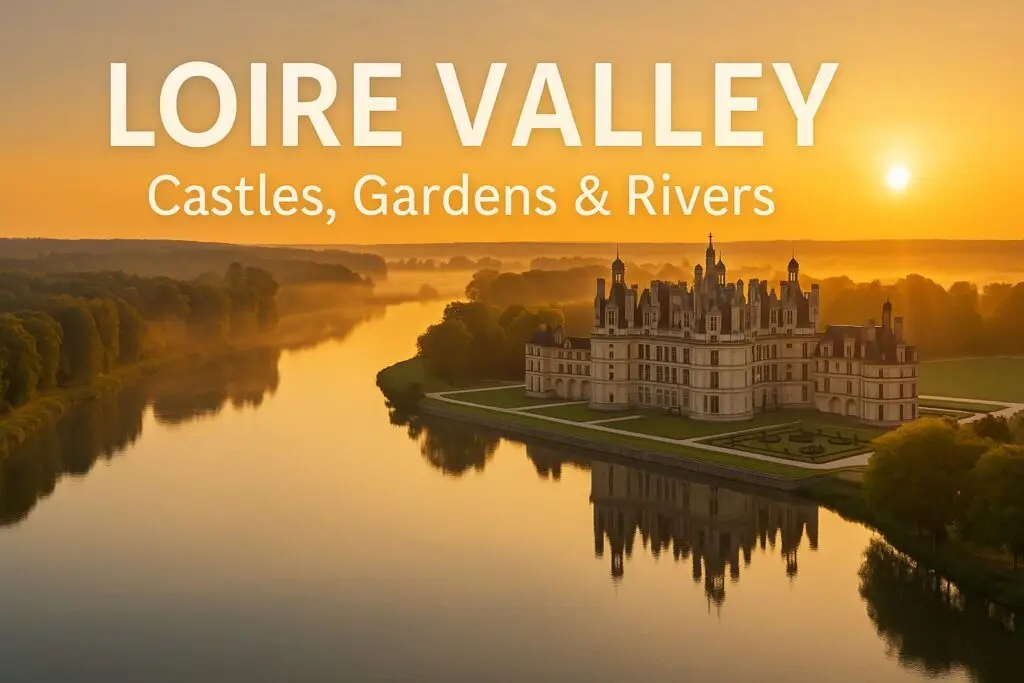
AI image prompt: “Panoramic sunrise view of the Loire River with mist, vineyards and castle silhouettes, travel photography style, wide format.” France Loire Valley
Geography & Character
Located in central France, the Loire Valley lies halfway between Paris and the Atlantic coast. The region follows the Loire River — the country’s longest — flowing through fertile plains, vineyards, and forests. France Loire Valley
The area is divided into several sub-regions, each with its own charm:
Orléanais – Gateway to the valley and home to the city of Orléans.
Blésois & Touraine – Known for the highest concentration of castles.
Anjou & Saumurois – Characterized by wine production and troglodyte dwellings carved into soft limestone.
Nantes region – Where the Loire meets the ocean, offering a mix of maritime and cultural life.
This diversity gives the valley its distinctive character — rural yet regal, serene yet full of life.
AI image prompt: “Map-style aerial of Loire Valley showing river winding through green countryside, vineyards and small towns.” France Loire Valley
The Story of the Loire Valley
The Loire Valley’s grandeur is deeply tied to the history of France. During the 15th and 16th centuries, it became the preferred residence of French royalty and nobility, who transformed the riverbanks into a showcase of Renaissance art and architecture.
Kings like François I, Henry II, and Louis XIV built magnificent castles not only as fortresses but as symbols of power, pleasure, and prestige. Architects from Italy brought the elegance of the Renaissance, while French landscapers created symmetrical gardens that would later inspire Versailles. France Loire Valley
But the valley’s story goes beyond royalty. Monks planted the first vineyards here during the Middle Ages, merchants used the river as a trading route, and writers such as Balzac and Rabelais immortalized its landscapes in literature.
Today, the Loire Valley remains a living museum — where history, art, and everyday life blend seamlessly.
AI image prompt: “Historic painting-like scene of French Renaissance castle beside river, people in period dress walking gardens.” France Loire Valley
The Loire River – Heart of the Region
The Loire River is the lifeblood of the region. At 1,012 kilometers long, it flows from the Massif Central mountains to the Atlantic Ocean. In the Loire Valley, it becomes gentle and majestic, bordered by sandy beaches, islands, and levees.
In centuries past, it was a major trade route, linking inland France with the Atlantic ports. Barges known as gabares transported goods like wine, salt, and timber. Today, the river offers peace and reflection — best experienced on a boat cruise, kayak, or riverside cycling path. France Loire Valley
At sunset, the water mirrors the pastel colors of the sky, and herons glide over its quiet currents — a timeless image of France’s natural beauty.
AI image prompt: “Loire River at golden hour with reflections of castles and boats, warm sunlight and birds over the water.”
Top Châteaux of the Loire Valley
The Loire Valley is often called “the Valley of a Thousand Castles”, and it’s easy to see why.
More than 300 châteaux still stand — each one with its own story, architecture, and personality.
Here are the most iconic and beautiful ones to explore:
Château de Chambord
The grandest and most famous of them all. Built by King François I in the 16th century, Chambord is a masterpiece of French Renaissance design, combining symmetry, grace, and monumental scale. France Loire Valley
Its double-helix staircase — attributed to Leonardo da Vinci — is one of the most admired features. Surrounded by vast hunting grounds and forests, Chambord symbolizes royal ambition and artistic genius.
Château de Chenonceau
Known as “the Ladies’ Castle”, Chenonceau stretches elegantly across the River Cher. France Loire Valley
Built and shaped by influential women — from Diane de Poitiers to Catherine de’ Medici — it’s renowned for its floral gardens, graceful arches, and romantic history.
Château d’Amboise
Overlooking the Loire River, Amboise served as a royal residence for Charles VIII and François I.
Leonardo da Vinci spent his final years here and is buried in the chapel of Saint-Hubert.
Château de Villandry
A haven of horticultural perfection. Villandry is world-famous for its geometric Renaissance gardens — ornamental vegetable plots, flower terraces, and water gardens that reflect harmony and symmetry.
Château d’Azay-le-Rideau
A gem of early Renaissance architecture, this château seems to float on the River Indre. Its reflections in the still water create one of the most photographed views in the Loire Valley.
Château de Blois
In the heart of Blois town, this castle combines Gothic, Renaissance, and Classical styles. It once hosted seven French kings and served as a stage for dramatic events of royal intrigue.
Château de Saumur
Standing proudly above the Loire, Saumur’s pale stone towers overlook vineyards and the town below. The castle’s fairytale silhouette has inspired countless illustrations and stories.
AI image prompt: “Montage of famous Loire castles (Chambord, Chenonceau, Amboise, Villandry) with gardens and river views, bright daylight.”
Beyond its castles, the Loire Valley’s charm lies in its picturesque towns and vibrant small cities — each offering a glimpse into authentic French life. France Loire Valley
Tours
Often called the capital of the Loire Valley, Tours is a lively city filled with history and gastronomy.
Visit Place Plumereau, a square lined with half-timbered houses and bustling cafés. Explore the Saint-Gatien Cathedral, and enjoy the local markets for cheeses, wines, and produce.
Blois
A perfect mix of medieval atmosphere and royal heritage, Blois makes an excellent base for exploring nearby châteaux. The cobbled streets, the castle, and the panoramic views over the river capture the valley’s essence.
Saumur
Known for its sparkling wines and equestrian traditions, Saumur charms visitors with riverside promenades and troglodyte cellars carved into limestone hills.
Amboise
A small but elegant town that blends history and beauty. Wander its old streets, visit Clos Lucé (Leonardo da Vinci’s final home), and enjoy views of the Loire from its bridge and castle ramparts.
Angers
Further west, Angers is home to the monumental Château d’Angers and its medieval Apocalypse Tapestry. It’s also the birthplace of the herbal liqueur Cointreau.
“Old towns of the Loire Valley with cobblestone streets, cafés, and cathedrals under sunny skies, travel photography.”
Gardens & Parks
The Loire Valley is as famous for its gardens as for its castles.
Each estate takes pride in its floral designs, often following Renaissance principles of order and symmetry.
Villandry Gardens – The most iconic, with six terraces of ornamental gardens.
Château de Chaumont-sur-Loire – Hosts the annual International Garden Festival where artists create living installations.
Château de Chenonceau Gardens – Designed by Diane de Poitiers and later redesigned by Catherine de’ Medici.
Parc Oriental de Maulévrier – The largest Japanese garden in Europe, near Cholet.
Spring and early summer bring an explosion of color — roses, tulips, and lavender framing the castles like a natural crown.
“Aerial of Villandry gardens in full bloom, geometric patterns of flowers and hedges, bright sunlight.”
Wine & Gastronomy
The Loire Valley is France’s longest wine route, stretching for 800 kilometers from Sancerre to Nantes. France Loire Valley
Each area produces distinctive wines — crisp whites, fruity rosés, elegant reds, and sparkling Crémant.
Key wine regions:
Sancerre & Pouilly-Fumé – Sauvignon Blanc at its best.
Vouvray & Montlouis-sur-Loire – Chenin Blanc in still or sparkling form.
Saumur & Chinon – Excellent reds made from Cabernet Franc.
Anjou – Sweet and dry wines from Chenin Blanc.
Pair your tasting with goat cheese, rillettes, and tarte Tatin — the region’s signature dessert.
AI image prompt: “Vineyards on hillsides near Saumur with chateau in distance, rows of grapes under golden light.”
The Loire à Vélo trail is one of Europe’s most scenic cycling routes — a 900-kilometer path following the river from Nevers to the Atlantic coast. France Loire Valley
It’s flat, well-marked, and passes through most major attractions: castles, villages, vineyards, and riverside cafés.
Many travelers cycle short sections, combining outdoor adventure with cultural stops. Along the way, charming chambres d’hôtes and picnic spots invite you to slow down and enjoy the view. France Loire Valley
AI image prompt: “Cyclists riding along Loire River near castle and vineyards, sunny afternoon, travel photo style.”
Nature & Outdoor Experiences
Beyond culture, the Loire Valley is a paradise for outdoor enthusiasts.
You can go kayaking, hot-air ballooning, hiking, or horseback riding through the countryside.
Natural parks such as Loire-Anjou-Touraine protect vast forests, wetlands, and rare bird species.
At sunrise, fog rolls over the fields, and at dusk, deer wander near the forests — moments that reveal the quiet magic of rural France.
Festivals & Culture
Throughout the year, the Loire Valley celebrates its heritage with music, wine, and garden festivals.
Festival de Chambord – Classical concerts in the castle’s courtyard.
Vitiloire (Tours) – Wine fair and tasting event each May.
Festival International des Jardins (Chaumont-sur-Loire) – Artistic garden installations.
Les Accroche-Cœurs (Angers) – Street performances and theater.
Traditional markets fill the towns weekly with local cheeses, breads, and flowers — living proof that the Loire’s culture is still vibrant and connected to the land.
“Outdoor music festival at French castle courtyard in evening lights with people and decorations.”
When to Visit the Loire Valley
Each season paints the Loire in different colors:
Spring (April–June) – Flowers bloom, mild weather, perfect for cycling.
Summer (July–August) – Long days, open gardens, but busier crowds.
This full itinerary follows the river westward, tracing the evolution of French art and architecture over five centuries.
“Map-style graphic showing 7-day Loire Valley itinerary along river with castle icons.” France Loire Valley
Summary – The Soul of the Loire Valley
The Loire Valley is more than just a destination — it’s a timeless journey through France’s soul.
Here, the grandeur of castles meets the serenity of the countryside; the taste of local wine meets centuries of art and craftsmanship. France Loire Valley
Whether you’re admiring the reflection of Chenonceau over the Cher River, wandering through Villandry’s gardens, or cycling under poplar trees along the Loire, you feel part of a living masterpiece — one that continues to inspire travelers, dreamers, and artists from around the world. France Loire Valley
So take your time, follow the river, and let the Loire whisper its stories to you.

 Loire Valley, France – The Land of Castles, Gardens & Timeless Riverscapes
 Geography & Character
 The Story of the Loire Valley
 The Loire River – Heart of the Region
 Top Châteaux of the Loire Valley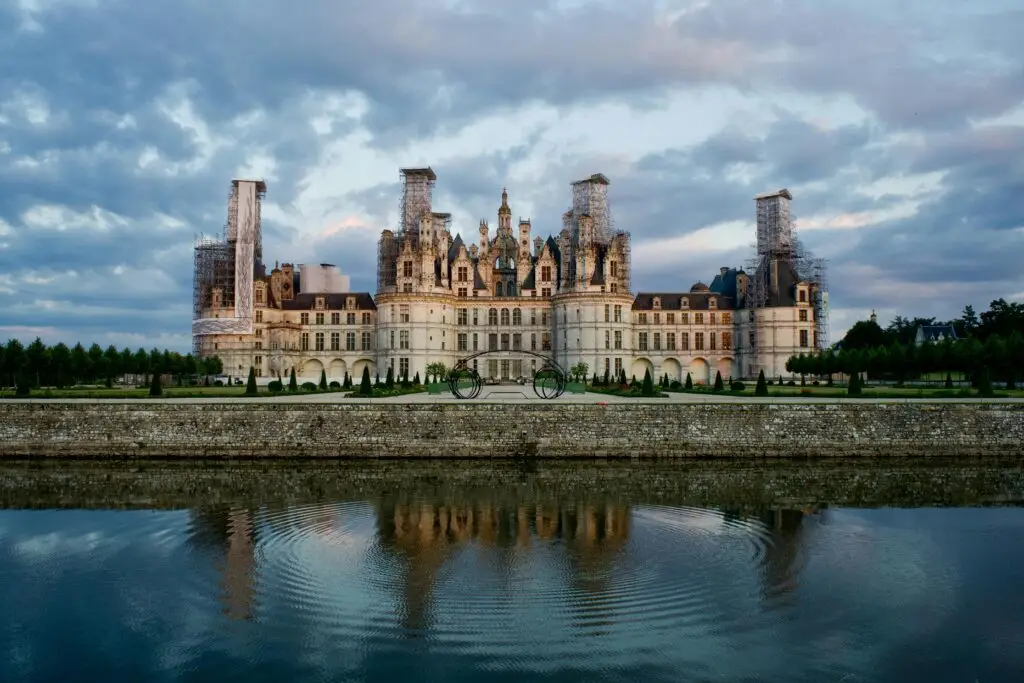
 Towns & Cities to Visit
 Gardens & Parks
 Wine & Gastronomy
 Cycling the Loire à Vélo
 Festivals & Culture
 When to Visit the Loire Valley
 Getting There & Around France Loire Valley
 Suggested Itineraries France Loire Valley
 Summary – The Soul of the Loire Valley