
 Bavaria (Germany) – A Complete Travel Guide to the Heart of Southern Germany
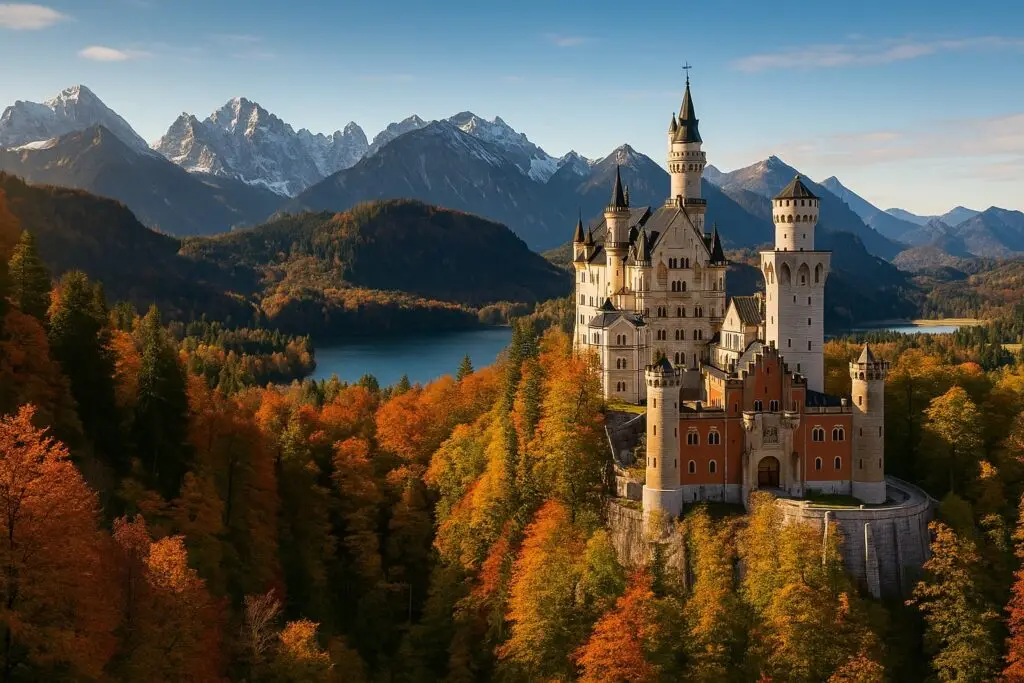
Discover Germany Bavaria – castles, mountains, and fairytale villages in the heart of southern Germany.
Welcome to Germany Bavaria (Bayern) – a region where medieval castles rise above misty mountains, church bells echo across cobblestone towns, and alpine lakes shimmer like glass beneath snow-capped peaks. Located in southern Germany, Bavaria is not just a state – it feels like a world of its own.
From the elegant city of Munich to the storybook landscapes of Füssen and Berchtesgaden, Bavaria combines history, nature, and culture like nowhere else in Europe. It’s where centuries-old traditions meet modern charm, where Oktoberfest beers are poured beside Baroque cathedrals, and where mountain trails end at warm, rustic chalets.
Whether you come for the royal palaces of King Ludwig II, the ski slopes of the Bavarian Alps, or the tranquil beauty of its lakes and villages, Bavaria is a destination that captures the true essence of Germany — romantic, scenic, and endlessly inviting.Germany Bavaria
Geography and Landscape
Bavaria is Germany’s largest federal state, covering nearly one-fifth of the country. Its landscapes range from high Alpine peaks in the south to rolling hills and forests in the north, offering endless possibilities for nature lovers.
Regions of Bavaria
Bavaria is divided into seven administrative regions, each with its own unique character:
- Upper Bavaria (Oberbayern) – home to Munich, the Alps, and famous lakes.
- Lower Bavaria (Niederbayern) – fertile plains and charming spa towns.
- Upper Palatinate (Oberpfalz) – known for its forests and medieval towns.
- Upper Franconia (Oberfranken) – filled with castles, breweries, and cobblestone cities.
- Middle Franconia (Mittelfranken) – includes Nuremberg and the Romantic Road.
- Lower Franconia (Unterfranken) – vineyards, river valleys, and Würzburg’s baroque beauty.
- Swabia (Schwaben) – where the Alps meet the Danube.
Landscape Highlights
- The Bavarian Alps: Stretching from Garmisch-Partenkirchen to Berchtesgaden, they offer Germany’s highest peaks, including Zugspitze (2,962 m).
- Lakes: Bavaria is dotted with crystal-clear lakes — Lake Chiemsee, Lake Tegernsee, Lake Starnberg, and Königssee are among the most picturesque.
- Forests & Rivers: The Danube River flows through the heart of Bavaria, while the Bavarian Forest National Park provides wild, untouched nature.
- Countryside: Rolling meadows, onion-domed churches, and half-timbered houses complete the postcard-perfect landscape.
History and Heritage Germany Bavaria
Early Origins
Bavaria’s roots date back to the 6th century, when it emerged as a duchy under the rule of the Bavarii tribes. Over the centuries, it grew into one of Europe’s most powerful regions, rich in art, faith, and independence.
The Wittelsbach Dynasty
From 1180 to 1918, Bavaria was ruled by the Wittelsbach family, who left behind palaces, monasteries, and an enduring cultural legacy. Under their reign, Bavaria became a center of Baroque architecture, Catholic faith, and royal grandeur.
King Ludwig II – The Fairy-Tale King
No figure defines Bavaria’s romantic image more than King Ludwig II (1845–1886). Often called the “Fairy-Tale King,” Ludwig built some of the world’s most beautiful castles, including Neuschwanstein, Linderhof, and Herrenchiemsee. His eccentric vision and tragic death at age 40 added to his mystique, and his legacy still draws millions of visitors each year.
Modern Germany Bavaria
Today, Bavaria blends tradition with innovation. It remains one of Europe’s wealthiest and most scenic regions, home to global companies like BMW, yet fiercely proud of its rural roots and regional identity.Germany Bavaria
Top Destinations in Bavaria
Munich (München) – The Bavarian Capital
Munich is Germany Bavaria’s beating heart — a city of contrasts where beer gardens sit beside museums and royal palaces meet tech hubs.
Top Attractions:
- Marienplatz & Glockenspiel: The city’s main square, featuring a 16th-century clock tower and lively performances.
- Nymphenburg Palace: A grand Baroque estate once home to Bavarian kings.
- English Garden (Englischer Garten): One of the world’s largest urban parks, complete with surfers on the Eisbach River.
- BMW Welt & Museum: A showcase of automotive innovation.
- Oktoberfest Grounds (Theresienwiese): The world’s largest beer festival each autumn.
Munich combines sophistication with gemütlichkeit — that untranslatable German sense of warmth, comfort, and friendliness.
Nuremberg (Nürnberg) – Medieval Majesty
Nuremberg is a city where medieval walls, half-timbered houses, and Gothic spires transport you back in time.
Highlights:
- Nuremberg Castle: A fortress that dominates the skyline.
- Old Town (Altstadt): Full of winding lanes, markets, and charming taverns.
- Christkindlesmarkt: One of Europe’s oldest and most magical Christmas markets.
- Documentation Center Nazi Party Rally Grounds: A moving historical site exploring the city’s WWII history.
Nuremberg perfectly balances its deep past with a modern cultural pulse.
Neuschwanstein Castle – The Fairytale Icon
Perched above the village of Füssen near the Austrian border, Neuschwanstein Castle is the ultimate Bavarian landmark. Built by King Ludwig II, its turrets and towers inspired Walt Disney’s Sleeping Beauty Castle.
Tip: Visit early in the morning or late in the afternoon for fewer crowds and golden light. Nearby, explore Hohenschwangau Castle and the Alpsee Lake for more royal scenery.
The Bavarian Alps and Garmisch-Partenkirchen
Germany’s highest peaks rise in southern Bavaria, offering year-round adventure.
Top Highlights:
- Zugspitze: Take the cable car to the top of Germany’s tallest mountain.
- Partnach Gorge (Partnachklamm): A dramatic canyon walk with waterfalls and tunnels.
- Skiing & Hiking: Garmisch is Bavaria’s outdoor capital, with excellent trails and slopes.
- Eibsee Lake: A turquoise mountain lake perfect for swimming and photography.
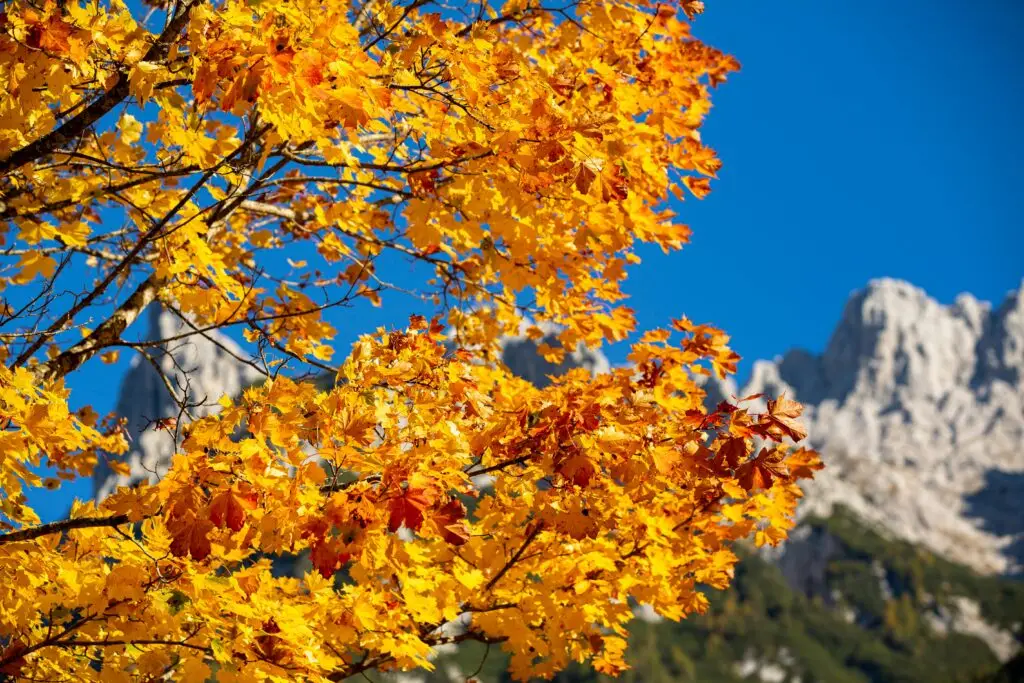
The region is breathtaking in every season — snow in winter, flowers in spring, and golden leaves in autumn.
Berchtesgaden & Lake Königssee Germany Bavaria
One of Bavaria’s most spectacular natural regions, Berchtesgaden National Park sits in the far southeast.
Must-Sees:
- Königssee: A fjord-like lake surrounded by steep cliffs and emerald waters.
- St. Bartholomew’s Church: A red-domed chapel reached only by boat.
- Eagle’s Nest (Kehlsteinhaus): A mountain-top viewpoint with panoramic Alpine views.
- Watzmann Mountain: The third-highest peak in Germany, beloved by climbers.
This area is a paradise for photographers and hikers alike.
Regensburg – A UNESCO Gem on the Danube
One of Germany’s best-preserved medieval cities, Regensburg offers narrow alleys, Gothic cathedrals, and riverside charm.
Highlights:
- Stone Bridge (Steinerne Brücke): 12th-century engineering marvel.
- St. Peter’s Cathedral: Towering Gothic architecture.
- Old Town Hall: Historic seat of the Holy Roman Empire.
Regensburg is vibrant yet tranquil — a perfect stop for culture and relaxation.
Würzburg and the Franconian Wine Region
In northern Bavaria, Würzburg is the gateway to the Franconian wine country.
Don’t Miss:
- Würzburg Residence: A baroque masterpiece and UNESCO World Heritage Site.
- Marienberg Fortress: Overlooking vineyards and the Main River.
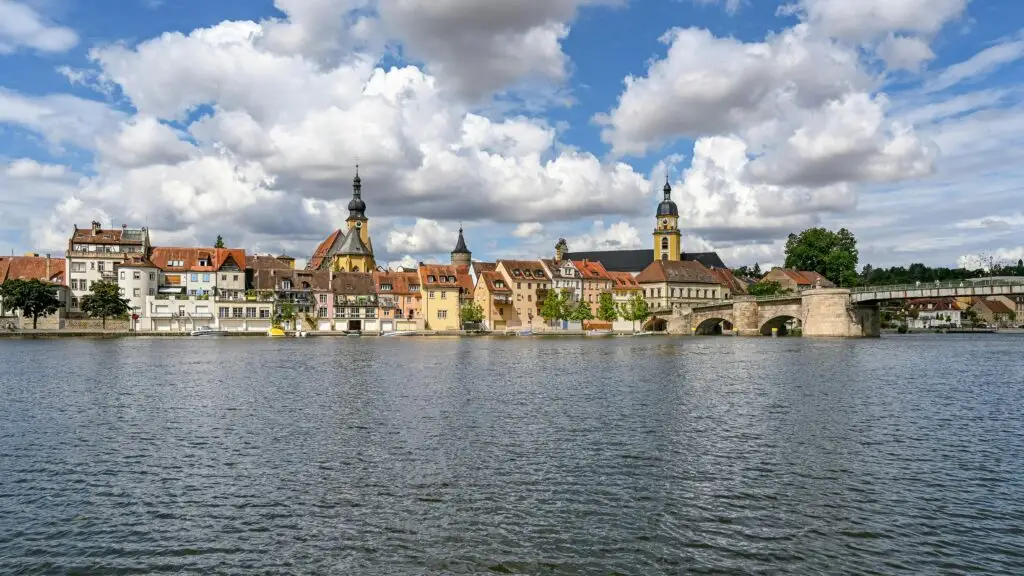
- Old Bridge (Alte Mainbrücke): Enjoy local wine as you watch the sunset.
The surrounding Franconia region is dotted with charming towns like Bamberg (with its canals and beer heritage) and Rothenburg ob der Tauber, one of Europe’s best-preserved medieval towns.
Nature and Outdoor Adventures
Bavaria is an outdoor lover’s dream. Whether you want to hike through forests, cycle along rivers, or ski down Alpine slopes, the landscapes are endless. Germany Bavaria
Hiking
- Bavarian Forest National Park: Germany’s oldest national park, with wild lynx, wolves, and endless trails.
- Alpine Trails: Routes like the Herzogstand-Heimgarten loop or Watzmann East Face challenge offer stunning views.
Cycling
Bavaria’s cycling network stretches for thousands of kilometers. Popular routes include the Danube Bike Trail (Donauradweg) and the Romantic Road Cycle Path, connecting medieval towns and castles.
Winter Sports
From December to March, the Bavarian Alps become a playground for skiing, snowboarding, and winter hiking. Resorts like Garmisch-Partenkirchen, Oberstdorf, and Berchtesgaden cater to all levels. Germany Bavaria
Bavarian Culture and Traditions
Language and Identity
Locals speak both German and the Bavarian dialect, which can sound quite distinct. Bavaria’s strong regional identity is reflected in its architecture, cuisine, and festivals — a proud mix of faith, folklore, and friendliness.
Traditional Clothing
During festivals and special occasions, locals wear Lederhosen (for men) and Dirndls (for women). These outfits are a source of pride, representing centuries of craftsmanship and culture.
Music and Folk Customs
From brass bands in alpine villages to yodeling and Schuhplattler dancing, Bavarian music is joyful and deeply rooted in tradition.
Food and Drink Germany Bavaria
Bavaria’s cuisine is hearty, flavorful, and perfect after a day outdoors.
Must-Try Dishes:
- Weißwurst: Traditional white sausage served with sweet mustard and pretzels.
- Schweinshaxe: Roasted pork knuckle, crispy and tender.
- Obatzda: A cheese spread with paprika and onions, best enjoyed with beer.
- Kaiserschmarrn: Fluffy shredded pancake with powdered sugar.
Beer Culture
Bavaria is the birthplace of Reinheitsgebot, the 1516 German Beer Purity Law. There are over 600 breweries across the state, producing everything from light Helles to dark Dunkel beers.
Beer Highlights:
- Munich Beer Gardens: Relax under chestnut trees with a stein of local brew.
- Bamberg’s Smoked Beer (Rauchbier): A unique specialty of Franconia.
- Oktoberfest: The world’s largest folk festival, attracting millions every September.
Festivals and Events Germany Bavaria
Bavaria’s calendar is filled with celebrations that reflect its cultural heart.
Major Festivals:
- Oktoberfest (Munich): Late September–October, 16 days of beer, music, and tradition.
- Nuremberg Christmas Market: One of Europe’s oldest and most atmospheric holiday markets.
- Starkbierfest (Strong Beer Festival): Munich’s springtime alternative to Oktoberfest.
- Almabtrieb: The autumn cattle drive, where cows are decorated with flowers and bells as they return from mountain pastures.
- Corpus Christi Processions: Religious parades across lakes and towns, often with traditional boats and costumes.
Every season in Bavaria brings a reason to celebrate — with music, color, and community.
Practical Information Germany Bavaria
- Capital: Munich
- Language: German (Bavarian dialect common)
- Currency: Euro (€)
- Time Zone: CET (UTC +1)
- Best Time to Visit:
- Spring (April–June): Flowers and mild weather
- Summer (July–August): Festivals and hiking season
- Autumn (September–October): Oktoberfest and colorful landscapes
- Winter (December–March): Ski season and Christmas markets
- Getting Around: Excellent train and road networks. Bavaria is well-connected to Austria, Switzerland, and the rest of Germany.
Why You’ll Love Bavaria
Because it feels like a journey through time and nature all at once. Germany Bavaria
From royal castles to alpine trails, from bustling beer halls to tranquil lakeshores — Bavaria offers the perfect balance of culture and adventure. Germany Bavaria
It’s a region that celebrates beauty in every form: the sound of church bells echoing through valleys, the taste of fresh pretzels, the sparkle of snow on a winter morning. Germany Bavaria
Bavaria isn’t just a destination — it’s an experience. Germany Bavaria
 Related Articles
- Staying Overnight at Tropical Islands Resort Berlin
- Top 10 Most Unique Places to Stay in Europe
- 10 Incredible Castles Around the World