
 Germany’s North Sea & Baltic Coast – A Complete Travel Guide to the Two Faces of the Sea
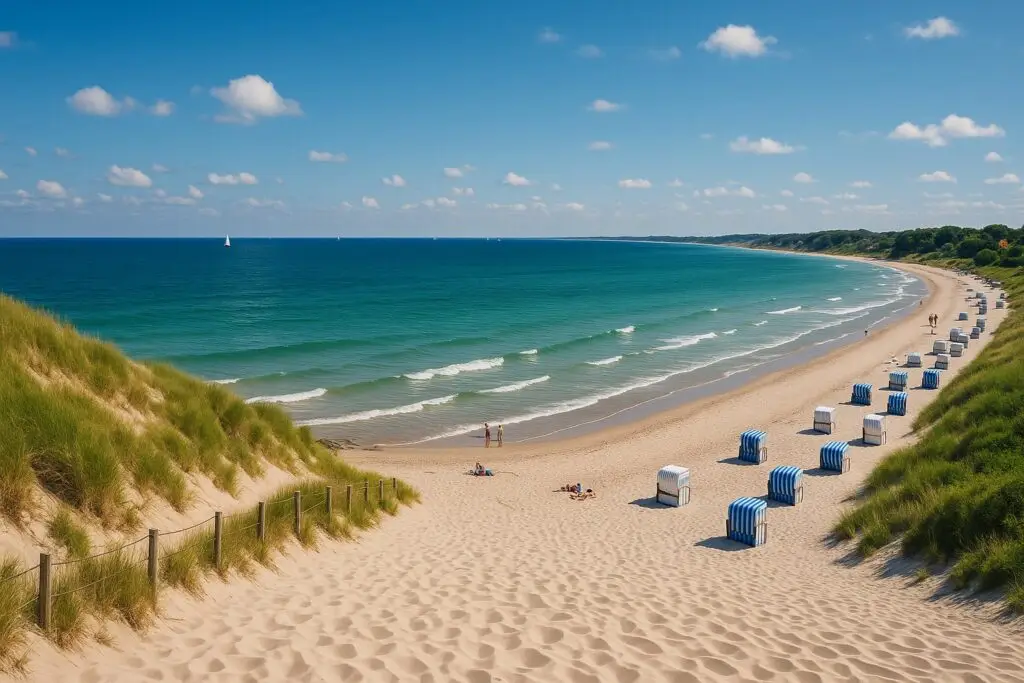
Germany North Sea Discover Germany’s twin coastlines – the wild North Sea and the tranquil Baltic Sea – where endless horizons, windswept dunes, and timeless harbor towns reveal a side of Germany shaped entirely by the tides.
Germany may be famous for its mountains, castles, and beer gardens, but to the north lies a different world entirely – a realm of salt air, gull cries, and open skies.
Stretching more than 1 200 kilometers, Germany’s coastline is split between two very different seas:
- The North Sea (Nordsee) – untamed, tidal, and powerful, shaped by winds and waves.
- The Baltic Sea (Ostsee) – calm, sun-washed, and dotted with resort towns and chalk-cliff islands.
Together they form a mosaic of islands, mudflats, fishing villages, lighthouses, and beaches, where maritime life defines the rhythm of every day.
Geography and Character
Germany’s coastal states – Lower Saxony, Schleswig-Holstein, Hamburg, and Mecklenburg-Western Pomerania – share this double identity.
The North Sea coast faces west toward the open Atlantic; its waters rise and fall dramatically with the tides. Twice a day, vast stretches of seabed appear, revealing an ever-changing landscape of sandbanks and channels known as the Wadden Sea (Wattenmeer).
The Baltic Sea, in contrast, is a sheltered inland sea, calmer and warmer in summer, lined with bays and peninsulas.
This guide begins with the North Sea coast, home to Germany’s most rugged maritime traditions.
The Germany North Sea Coast – Land of Wind, Waves and Wadden
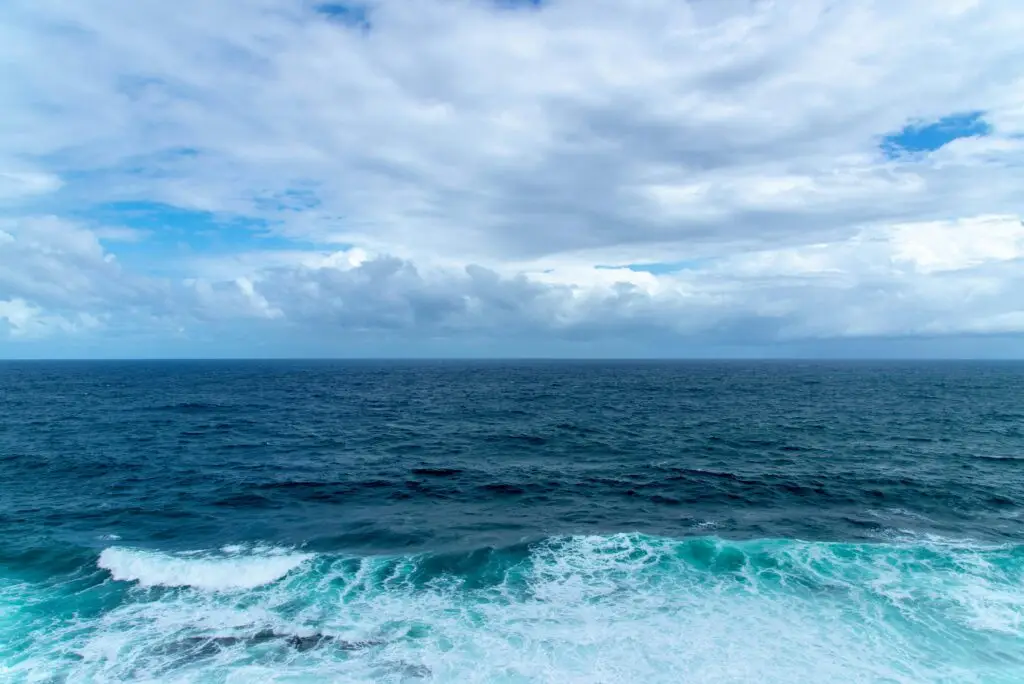
The North Sea coast of Germany runs roughly 450 kilometers from the Dutch border to Denmark, encompassing East Frisia, the Wadden Sea National Parks, and the North Frisian Islands.Germany North Sea
It is a place where weather, water, and wind rule every activity – yet it remains one of Europe’s most rewarding destinations for travelers seeking nature, authenticity, and peace.Germany North Sea
The Wadden Sea – A World Between Land and Water
At first glance, the Wadden Sea looks like a broad stretch of shallow water. But when the tide retreats, an entire hidden world emerges – mudflats teeming with worms, crabs, mussels, and millions of migratory birds.
This tidal ecosystem extends along the coasts of Germany, the Netherlands, and Denmark, and is protected as a UNESCO World Heritage Site.
Experiences:
- Mudflat Walking (Wattwandern): Guided walks across the seabed at low tide, learning about marine life and the rhythm of the sea.
- Seal Watching: Boat trips from Norddeich or Cuxhaven often include visits to sandbanks where seals bask in the sun.
- Bird Reserves: In spring and autumn, hundreds of thousands of Arctic birds rest here during migration.
The Wadden Sea is not just a landscape – it’s a living organism that breathes twice a day with the tide.
East Frisia – Tea, Tides and Island Life
The East Frisian Coast in Lower Saxony is dotted with harbors, dykes, and a string of low sandy islands that form a natural barrier against the sea.
Mainland Highlights
- Emden: A historic harbor city with a strong maritime identity and a vibrant art scene (Otto Modersohn Museum).
- Greetsiel: Perhaps the most picturesque village on the coast, with twin windmills, shrimp trawlers, and pastel-colored houses reflected in calm canals.
- Neuharlingersiel: A working fishing port famous for its traditional wooden boats and spa culture (Thalasso).
Life in East Frisia moves slowly. Locals cherish their tea ceremonies, serving strong black tea with rock sugar (Kluntje) and a dollop of cream that swirls like the tides.
The East Frisian Islands
Seven inhabited islands lie like pearls along the coast – each with its own character, yet all sharing the same rhythm of tides and wind.
Borkum
The westernmost and largest of the East Frisian Islands, Borkum combines wide sandy beaches with dunes and salt marshes. The island’s air is famously clean, attracting health seekers for more than a century.
Juist
Nicknamed “the long one”, Juist stretches 17 km yet is barely a kilometer wide. Cars are banned – transportation is by horse carriage or bicycle. Silence, sea breeze, and bird calls dominate the soundscape.
Norderney
The liveliest of the islands, Norderney offers a blend of spa resorts, stylish cafés, and long beaches backed by dunes. It’s also a hub for sailing and kitesurfing.
Baltrum, Langeoog, Spiekeroog, Wangerooge
Each smaller island retains an intimate charm: sandy paths, reed-roof cottages, and sunsets over endless water. Visitors come for simplicity, wellness, and the quiet rhythm of the tides.
Cuxhaven – Gateway to the Sea
Where the Elbe River meets the North Sea lies Cuxhaven, a town known for maritime history and beaches facing the open sea. Germany North Sea
Highlights:
- Alte Liebe Pier: Watch giant ships bound for Hamburg sail past.
- Wadden Sea Trails: Accessible mudflat walks lead from the mainland to the tiny island of Neuwerk (about 10 km at low tide).
- Kugelbake: A wooden navigation landmark symbolizing the border between river and sea.
Cuxhaven is also one of the best spots in Germany to watch tidal changes – the beach transforms completely every six hours. Germany North Sea
The North Frisian Coast and Islands
Further north, in Schleswig-Holstein, the coastline becomes wilder and flatter, marked by tidal channels and long dykes protecting green pastures. Offshore lie the North Frisian Islands, each distinct in culture and landscape.
Sylt – The Queen of the North Sea
Elegant, windswept, and endlessly stylish, Sylt is Germany’s most famous island. Connected to the mainland by the Hindenburg Causeway, it stretches for 40 kilometers of beach bordered by dunes and thatched-roof cottages.
Things to See and Do:
- Westerland: Main town with shops, restaurants, and beachfront promenade.
- Kampen Red Cliffs: Striking clay cliffs glowing red at sunset.
- List Harbor: Northernmost point of Germany, gateway to the Danish Wadden Sea.
- Ellenbogen Beach: A remote nature reserve with seals and seabirds.
Sylt combines natural beauty with luxury – fine dining, spa hotels, and art galleries share space with windblown dunes.
Föhr and Amrum – Gentle Islands of Tradition
Close to Sylt but far quieter, Föhr and Amrum are beloved for family holidays and cycling paths through meadows and villages.
- Föhr: Known as “the green island” for its fertile fields, dotted with Frisian farmhouses and ring dykes.
- Amrum: Famous for Kniepsand, one of Europe’s widest beaches – a sea of white sand stretching for kilometers.
Locals still speak Frisian language and celebrate ancient customs like Biikebrennen, the February bonfire festival that bids winter farewell.
Pellworm and Nordstrand
These smaller islands and peninsulas offer pastoral calm – grazing sheep on dykes, windmills, and historic churches. Pellworm’s old lighthouse remains a romantic symbol of the German coast.
Helgoland – The Red Rock of the North Sea
Rising abruptly from the deep waters 70 kilometers offshore, Helgoland is unlike anywhere else in Germany. Once a pirate haven and later a naval fortress, today it’s a peaceful island known for its dramatic cliffs and seabird colonies.
Highlights:
- Lange Anna: A 47-meter sandstone stack, the island’s iconic natural monument.
- Helgoland Cliff Trail: A loop walk with spectacular views and nesting gannets.
- Tax-Free Shopping: The island enjoys special duty-free status.
Visitors arrive by ferry from Cuxhaven or Büsum – the approach through deep blue water and towering cliffs is unforgettable.
Nature Reserves and Wildlife
The North Sea coast is one of Europe’s greatest ecological regions. Beyond the Wadden Sea itself, there are national parks and bird sanctuaries protecting dunes, salt marshes, and mudflats.
- Lower Saxony Wadden Sea National Park: Germany’s largest national park, covering 3 450 square kilometers.
- Schleswig-Holstein Wadden Sea National Park: A UNESCO biosphere reserve and crucial habitat for seals and birds.
- Hamburg Wadden Sea Park: Includes Neuwerk Island and the tiny Scharhörn.
The coast is alive year-round – gray seals in summer, migrating geese in autumn, and storms that reshape beaches every winter.
Coastal Culture and Daily Life
Life along the North Sea revolves around resilience and respect for nature. Villages still rely on shrimp fishing, dyke maintenance, and tourism, blending old customs with modern comfort.
Cultural Highlights:
- Frisian Heritage Museums in Niebüll and Husum.
- Lighthouses: From the candy-striped Westerheversand tower to Büsum’s harbor light.
- Traditional Houses: Brick cottages with thatched roofs, often inscribed with the year of construction.
Storms are both feared and celebrated. Locals call it Sturmzeit – the storm season – when the sea’s power reminds everyone who truly rules the coast.
Food and Flavors of the Germany North Sea
The cuisine here is shaped by salt, wind, and water. It’s simple, fresh, and full of maritime soul.
Signature Dishes:
- Nordseekrabben: Tiny brown shrimps served on rye bread or scrambled eggs.
- Matjes Herring: Mild young herring, pickled and eaten with onions and potatoes.
- Labskaus: A traditional sailor’s meal of corned beef, beetroot, and potatoes, topped with a fried egg and pickled herring.
- Fischbrötchen: The North Sea’s answer to street food – fresh fish sandwiches from harbor stalls.
Drinks & Traditions:
- Frisian Tea: Served three-layered – sugar, tea, and cream – never stirred.
- Korn Schnapps: A clear grain spirit warming many a sailor on stormy nights.
Meals are often enjoyed in cozy harborside taverns as waves crash beyond the dykes.
Festivals and Seasonal Events Germany North Sea
- Biikebrennen (February): Bonfire night along the North Frisian coast, symbolizing the end of winter.
- Harbor Festivals: Summer celebrations in nearly every port – music, crafts, and ship parades.
- Crab Festivals in Greetsiel and Norddeich: Honoring the shrimp catch with food stalls and dancing.
- Christmas Markets in Husum and Büsum: Maritime versions of Germany’s classic winter markets.
No matter the season, the sea shapes the festivities – sometimes calm and cheerful, sometimes wild and dramatic.
The Baltic Coast – Gentle Seas and Historic Harbors
If the North Sea is Germany’s wild heart, the Baltic Sea (Ostsee) is its calm and cultured soul. Stretching more than 700 kilometers from the Danish border to the Polish frontier, this coast offers a gentler rhythm: sheltered bays, chalk-white cliffs, and spa towns steeped in Belle Époque elegance. Germany North Sea
The Baltic is non-tidal, making its waters ideal for swimming and sailing. Beaches are broader, forests often reach the shoreline, and the light seems softer – gold in the evening, silver in the morning haze. Germany North Sea
Schleswig-Holstein Baltic Coast
The Baltic shore of Schleswig-Holstein faces Denmark and opens with a series of peninsulas and fjord-like inlets called Förden.
Flensburg & the Förde
Flensburg sits right on the Danish border, a city of captains’ houses and shipyards once central to the rum trade. Today, visitors wander cobbled alleys, taste the famous Flensburger beer, or cruise the Förde past old sailing ships.
Kiel – Gateway to the Baltic
Germany’s main naval port and maritime capital, Kiel combines industry and seafaring heritage.
- Kiel Week (Kieler Woche): Each June, the world’s largest sailing event fills the harbor with ships and music.
- U-995 Submarine Museum: A preserved WW II U-boat on the beach at Laboe.
- Promenade & Beach of Laboe: Popular for swimming and sea views of the naval fleet.
Lübeck and Travemünde – Medieval Grace and Seaside Charm
Once the capital of the Hanseatic League, Lübeck is a UNESCO World Heritage city famed for its brick-gothic architecture and marzipan.
- Holstentor Gate: Iconic twin-towered city gate.
- St. Mary’s Church: A masterpiece of North German brick gothic.
- Old Harbor: Now lined with cafés and galleries.
Just 20 minutes away lies Travemünde, Lübeck’s seaside resort since the 19th century. Its broad beach and elegant promenade embody Baltic holiday tradition – striped Strandkörbe (wicker beach chairs), ice cream kiosks, and ferries bound for Scandinavia. Germany North Sea
Mecklenburg Bay and the Resort Culture Germany North Sea
Further east, the coastline of Mecklenburg-Western Pomerania (Mecklenburg-Vorpommern) is dotted with classic spa towns built for 19th-century nobility and artists.
Heiligendamm – The White Town by the Germany North Sea
Germany’s oldest seaside resort, Heiligendamm was founded in 1793. Its white neoclassical buildings shine against the blue sea, earning it the nickname “The White Town by the Sea.” Today it remains small and exclusive, with a sense of grace frozen in time. Germany North Sea
Kühlungsborn – Family Holiday Classic
Wide beaches, long piers, and cycling trails through coastal woods make Kühlungsborn a favorite for families. The historic Molli steam train connects it to Heiligendamm – a nostalgic journey along the shore.
Rostock & Warnemünde
Rostock, a Hanseatic university city, mixes student energy with shipbuilding heritage. Its harbor district Warnemünde has one of Germany’s widest beaches and hosts the Hanse Sail, a giant tall-ship festival each August. Germany North Sea
Rügen Island – Germany’s Natural Crown
The largest German island, Rügen, is a land of chalk cliffs, beech forests, and seaside villas from the Belle Époque.
Highlights:
- Jasmund National Park: White chalk cliffs (Königsstuhl and Stubbenkammer) rising 120 meters above the sea.
- Binz and Sellin: Elegant resorts with wooden piers and turn-of-the-century architecture.
- Cape Arkona: Clifftop lighthouses and panoramic views of the Baltic.
- Rasender Roland: A steam narrow-gauge train linking Rügen’s coastal towns.
Rügen is a place of contrast – sunlit beaches by day, misty forests at dawn, and romantic evenings when the cliffs glow pearly white under the moon.
Hiddensee – The Island Without Cars
West of Rügen, Hiddensee is a slender barrier island famous for its peace. No cars are allowed; visitors walk, cycle, or ride horses through heather fields and dunes. Artists like Gerhart Hauptmann once came here seeking solitude and inspiration.
Highlights include the Dornbusch Lighthouse and the tiny harbor of Kloster, where fishing boats rock in golden light at sunset.Germany North Sea
Usedom – The Sunny Island
Shared between Germany and Poland, Usedom boasts more than 2 000 hours of sunshine per year – the highest in Germany. Its fine sand and grand resorts make it one of Europe’s top beach destinations.
Highlights:
- Ahlbeck, Heringsdorf & Bansin: The “Three Imperial Spas,” lined with ornate villas and historic piers.
- Peenemünde: Site of the WW II rocket development center, now a museum of science and history.
- Kaiserbäder Promenade: Europe’s longest seaside promenade, spanning 12 kilometers along the shore.
Nature and National Parks
Beyond Rügen and Usedom, the Baltic coast offers a patchwork of protected landscapes.
- Jasmund National Park: Ancient beech forests meeting the chalk cliffs of Rügen – UNESCO World Heritage.
- Vorpommersche Boddenlandschaft National Park: A maze of shallow lagoons, islands, and sandbars supporting cranes and seals.
- Western Pomerania Lagoon Area: Ideal for bird-watching and kayaking.
In autumn, tens of thousands of cranes gather here before migrating south – an awe-inspiring spectacle best seen from the Zingst peninsula.
Maritime Culture and Historic Towns
The Baltic coast was once the power center of the Hanseatic League, a medieval trade network linking cities from Bruges to Tallinn. Traces of that era remain in red-brick warehouses, merchant houses, and church spires.
Top Historic Towns:
- Stralsund: UNESCO-listed for its perfectly preserved old town and harbor.
- Wismar: Another Hanseatic gem with a working harbor and maritime museum.
- Rostock: Blends student vitality with shipyard heritage.
- Lübeck: Still the spiritual capital of the Hanseatic world.
Maritime museums, tall-ship festivals, and fish markets keep the sea ever present in daily life.
Baltic Cuisine and Flavors
The Baltic coast shares many dishes with its northern neighbors – fresh fish, potatoes, and smoked specialties define the menu.
Must-Try Dishes:
- Räucherfisch: Smoked flounder, eel, or salmon served straight from harbor smokehouses.
- Fischbrötchen: Fish rolls with pickled herring or fried cod.
- Sanddorn (Sea Buckthorn) Desserts: Bright orange berries rich in vitamin C, used for syrups and cakes.
- Baltic Beer & Spirits: Try Rostocker Pils or a local aquavit flavored with caraway.
In seaside villages, you’ll find simple beach shacks serving fish fresh from the boat – best enjoyed barefoot in the sand.
Festivals and Seasonal Life Germany North Sea
- Kiel Week (June): Europe’s largest sailing festival.
- Hanse Sail (August, Rostock): Tall ships from around the world.
- Stralsund Harbor Days: Celebrations of seafaring tradition.
- Rügen Störtebeker Festival: Open-air theater on Rügen telling the tale of the legendary pirate.
- Christmas Markets by the Sea: Rostock and Lübeck transform into coastal wonderlands.
Every season brings its own atmosphere: spring for blossoming orchards, summer for beaches, autumn for crane migrations and harvest festivals, winter for windswept tranquility.
Outdoor Activities Germany North Sea
- Cycling: The Baltic Sea Cycle Route (Ostseeküsten-Radweg) follows the entire coast from Flensburg to Usedom – more than 1 000 km of flat, scenic paths.
- Sailing: Marinas in Kiel, Rostock, and Stralsund welcome sailors exploring the Baltic archipelagos.
- Hiking: Trails through beech forests and along cliff edges on Rügen and Usedom.
- Wellness & Spas: Seaside therapy (Thalasso) is a centuries-old tradition – salt air, seaweed wraps, and mineral baths renew body and mind.
The Contrast of Two Seas
Visiting both coasts reveals Germany’s dual maritime personality:
- North Sea: Raw nature, tides, and Frisian heritage.
- Baltic Sea: Cultural richness, calm waters, and Hanseatic elegance.
Between them lies a land of lighthouses and wind turbines, dunes and harbors, where the sky always feels close and the horizon wide.
Practical Information Germany North Sea
- Languages: German (main); English widely understood in tourist areas.
- Currency: Euro (€)
- Transport: Excellent train and ferry connections link the entire coast.
- Best Time to Visit: May to September for warm weather; autumn for color and wine festivals; winter for quiet escapes.
- Accommodation: Beach resorts, historic villas, eco-lodges in national parks.
Why You’ll Love Germany’s Coasts
Because they reveal a Germany few people expect – maritime, relaxed, and filled with light. Germany North Sea
You’ll taste salt on your lips, hear the cry of gulls above harbor bells, and feel the endless space of sea and sky.
From the tidal mudflats of the North Sea to the sun-drenched piers of the Baltic, these coasts offer not just a holiday – but a state of mind. Germany North Sea
Germany’s North Sea and Baltic Coast are two worlds bound by one spirit: the eternal call of the sea. Germany North Sea
 Related Articles
- Staying Overnight at Tropical Islands Resort Berlin
- Top 10 Most Unique Places to Stay in Europe
- 10 Incredible Castles Around the World