
Complete Travel Guide
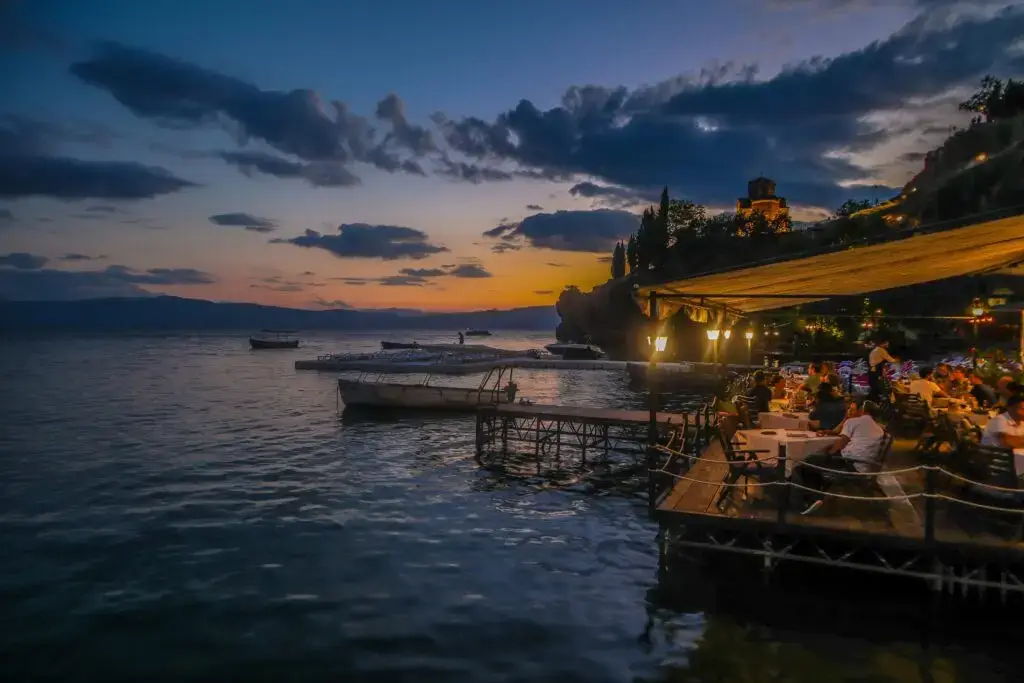
North Macedonia is one of Europe’s most underrated destinations — a land where ancient empires once ruled, mountains rise above emerald lakes, Orthodox monasteries cling to cliffs, and village life still follows centuries-old rhythms. Tucked in the heart of the Balkans, the country blends Mediterranean warmth with Slavic culture and Ottoman influence. Visitors come for its historical towns, beautiful national parks, affordable travel costs, and friendly locals eager to share rakija and stories.
Despite its compact size, North Macedonia offers remarkable diversity: the iconic Lake Ohrid, the capital city of Skopje with its intriguing architecture, traditional wine regions in Tikveš, rugged peaks in Mavrovo and Šar Mountains, and archaeological sites dating back to the Classical world. Whether you are an adventurer, a culture-lover, or someone simply seeking new destinations off the traditional European route, this country delivers.
A Brief History
North Macedonia sits at one of the most strategic crossroads in Europe — between east and west — meaning that for thousands of years it has been shaped by numerous civilizations. From the ancient Paeonians and Macedonians to the Romans, Byzantines, and Ottomans, each era left a rich cultural imprint.
Ancient Period
The region is often associated with Ancient Macedonia under Alexander the Great, although his original power base was in modern-day Greece. Still, the area played an important role within the wider Macedonian kingdom and later became part of the Roman and Byzantine empires.
Middle Ages
During the medieval period, powerful Slavic kingdoms dominated the region. Skopje grew into a major cultural center, and Ohrid became a center of Orthodox learning, earning the nickname “Jerusalem of the Balkans” thanks to its many churches and monasteries.
Ottoman Era
From the 14th century until the early 20th century, the Ottomans ruled the territory. Their influence remains visible today in mosques, bridges, bazaars, and culinary traditions.
Modern Era
After the Balkan Wars, the area became part of Yugoslavia until its peaceful independence in 1991. Today, North Macedonia is a stable nation known for its scenic landscape, cultural heritage, and welcoming spirit. In 2019, the country officially changed its name to the Republic of North Macedonia, resolving a long-standing dispute and opening the door to NATO membership and closer ties with the EU.
Skopje – The Capital
Skopje is a lively, fascinating city mixing ancient sites, Ottoman landmarks, socialist-era buildings, and ultra-modern reconstruction projects. It may feel unusual at first, but this unique blend makes it endlessly interesting.
Highlights
Stone Bridge
The 15th-century Stone Bridge is Skopje’s most iconic landmark, connecting Macedonia Square with the Old Bazaar. Lit beautifully at night, it symbolizes the city’s continuity through time.
Macedonia Square
This open plaza is the heart of Skopje and home to the enormous statue of Alexander the Great (officially “Warrior on a Horse”). In summer, the square fills with events and evening gatherings.
Old Bazaar (Stara Čaršija)
One of the largest Ottoman-era marketplaces in the Balkans, the Old Bazaar is full of artisan shops, mosques, hammams, and old caravanserais. It’s a wonderful place to wander, drink tea, and shop for handicrafts.
Kale Fortress
Overlooking the city, Kale Fortress has stood since Byzantine times. While partly restored, it offers spectacular views of Skopje and the Vardar River.
Mother Teresa Memorial House
Mother Teresa was born in Skopje, and this small memorial house honors her life and humanitarian legacy.
Lake Ohrid – UNESCO Jewel
If there is one destination you cannot miss, it is Lake Ohrid. Shared between North Macedonia and Albania, Lake Ohrid is one of the oldest and deepest lakes in Europe. Its calm waters, dramatic cliffs, and historical towns make it the country’s most famous attraction.
Ohrid Town
Ohrid Town combines beaches, Byzantine churches, cobblestone streets, and a peaceful lakeside promenade. Known for once having 365 churches — one for every day of the year — it remains an important center of faith and culture.
Top Highlights in Ohrid
- Church of St. John at Kaneo – One of the most photographed spots in the Balkans, perched above the lake.
- Ohrid Fortress (Samuel’s Fortress) – Offers stunning panoramas.
- Ancient Theatre of Ohrid – A Hellenistic-era amphitheater still used for concerts.
- Church of St. Clement & Pantelejmon (Plaošnik) – Historical and spiritually significant.
- Kaneo & Sveti Stefan Beaches – Great swimming and photo spots.
Lake Activities
- Swimming
- Boat tours to hidden chapels
- Kayaking along the cliffs
- Diving to explore ancient ruins
- Dining in lakeside restaurants
Nearby: Sveti Naum
South of Ohrid lies the monastery of Sveti Naum, a spectacular religious complex near the Albanian border. The natural springs around it form a tranquil lagoon ideal for a boat trip.
Bitola – Elegant & Historic
Bitola is North Macedonia’s second-largest city and one of its most elegant. Known for its neoclassical mansions, historic churches, and cosmopolitan atmosphere, Bitola offers a refined experience.
Highlights
- Shirok Sokak – The beautiful main promenade filled with cafes and architecture
- Heraclea Lyncestis – Stunning Roman ruins with mosaics, amphitheater, and basilicas
- Old Bazaar – Smaller and calmer than Skopje’s, yet charming
- Clock Tower – Symbol of the city
Bitola also serves as a gateway to Pelister National Park, known for hiking, forests, and glacial lakes.
Prilep – Gateway to Monasteries & Rock Formations
Prilep is surrounded by giant rock towers known as “the city of Marko.” The medieval Marko’s Towers fortress rises high above the town and provides spectacular views.
Nearby, you’ll find:
- Treskavec Monastery – Remote, golden-sloped monastery above dramatic rocks
- Mariovo Region – One of the most untouched areas in North Macedonia, great for hiking and traditional villages
Tetovo & The Painted Mosque
Tetovo lies in the northwest, known for its strong cultural diversity and mountainous scenery.
Painted Mosque (Šarena Džamija)
The Painted Mosque is one of the most beautiful in the Balkans, with colorful floral patterns and a uniquely decorated façade.
Just above Tetovo is Arabati Baba Tekke, a historic Sufi complex worth visiting.
Struga
A quieter version of Ohrid, Struga sits along the northern shore of Lake Ohrid where the Black Drim River leaves the lake. Perfect for those seeking a relaxed lake holiday away from crowds.
National Parks & Nature
North Macedonia is mountainous, with endless opportunities for nature-lovers. Snowy peaks, deep canyons, waterfalls, and forests make up one of the most impressive landscapes in southeastern Europe.
Mavrovo National Park
The largest and most famous national park, Mavrovo is a dream for hikers and winter ski lovers. Highlights include:
- Mavrovo Lake
- Saint Jovan Bigorski Monastery
- Bistra Mountain
- Skiing in winter
The partially submerged church in the lake is photogenic when water levels reveal its structure.
Pelister National Park
Located near Bitola, Pelister is known for:
- Molika pine forests
- Pelister and Little Pelister peaks
- Two stunning mountain lakes (“Pelister Eyes”)
- Wildlife such as bears and wolves
Šar Mountains
Stretching into Kosovo, the Šar range offers excellent trekking and alpine experiences. It’s also the birthplace of Šarplaninac, a large shepherd dog breed.
Matka Canyon – Close to Skopje
Less than 30 minutes from the capital lies Matka Canyon, a breathtaking gorge carved by the Treska River.
What to Do
- Boat trip to Vrelo Cave
- Kayaking along the emerald water
- Cliffside monastery visits
- Lakeside dining
Narrow cliffs rising from the water create a dramatic atmosphere, making Matka one of the most popular nature getaways from Skopje.
Wine Regions – Tikveš & Beyond
North Macedonia has a long wine-producing tradition dating back to ancient times. With its Mediterranean-continental climate, fertile valleys, and sunny slopes, the country has become an emerging wine destination.
Tikveš Region
The Tikveš region, centered around the town of Kavadarci, is North Macedonia’s best-known wine area. Here, rolling hills are covered with vineyards, and family-run wineries stand beside modern estates.
The region’s signature red is Vranec, a bold variety with rich color and a deep berry profile. Other varieties include Merlot, Cabernet Sauvignon, Chardonnay, and indigenous white grape Smederevka. Many wineries offer tastings, cellar tours, and traditional meals in rustic courtyards.
Skopje Wine Zone
Just outside the capital, several estates offer modern tasting rooms overlooking the Vardar River valley. The combination of accessibility, modern facilities, and scenic landscapes makes this a great day trip from Skopje.
Ohrid & Struga
The Ohrid region also produces light reds and whites, which pair beautifully with lake fish dishes. Some wineries here are small, family-owned, and welcome visitors with warm hospitality.
Traditional Villages
North Macedonia’s rural areas preserve a slower rhythm of life. Stone houses, hand-carved wooden balconies, narrow streets, and traditional craft shops bring history to life.
Vevčani
Near Struga, Vevčani is famous for its picturesque springs and rich folklore. Its annual carnival is one of the most vibrant cultural events in the country.
Galičnik
Perched high in the mountains, Galičnik is best known for the Galičnik Wedding Festival, where couples marry in traditional ceremonies filled with music, dance, and colorful costumes. The event attracts visitors from across the country.
Krusevo
The highest town in the country, Krusevo sits among rolling hills and pine forests. Known for:
- Traditional architecture
- Historical sites connected to the Ilinden uprising
- Excellent winter sports
- Warm village hospitality
Culture & Religion
North Macedonia’s culture is shaped by centuries of diverse influences — Orthodox Christianity, Islam, Slavic heritage, and Ottoman traditions all coexist here. Most of the population identifies as Macedonian Orthodox, while the Albanian minority largely follows Islam. Churches, mosques, and monasteries appear throughout the country.
Music and dance play a key role in daily life. Folk songs accompanied by traditional instruments such as the kaval and gajda are performed at weddings, festivals, and family events. Village celebrations can last late into the night, filled with communal dancing and feasting.
Hospitality is central to Macedonian culture. Guests are traditionally welcomed with rakija (fruit brandy) and homemade bread, while family gatherings revolve around generous meals.
Traditional Cuisine
Macedonian cuisine blends Balkan flavors with Mediterranean and Turkish influences. Meals often include fresh vegetables, slow-cooked meats, and artisanal dairy products.
Must-Try Dishes
- Tavče Gravče – Baked beans seasoned with paprika, the nation’s beloved dish.
- Ajvar – Roasted red pepper spread, eaten with bread or meat.
- Shopska Salad – Tomato, cucumber, onion, and grated cheese.
- Kebapi – Grilled minced meat served with flatbread and onions.
- Pastrmajlija – Oval-shaped bread topped with small pieces of salted meat.
- Sarma – Cabbage leaves stuffed with rice and meat.
- Turli Tava – Slow-baked vegetables and meat in a clay pot.
- Trout from Lake Ohrid – Local specialty.
Desserts often include honey, nuts, and fruit. Try baklava, tulumba, and sütlaç (rice pudding).
Pair meals with local wines or rakija. Coffee culture is also strong — a café terrace is a perfect place to absorb the relaxed rhythm of Macedonian life.
Festivals & Events
North Macedonia celebrates many lively festivals that bring music, culture, and historic traditions to life.
Galičnik Wedding Festival
Held in July, this festival honors centuries-old wedding customs. Participants dress in traditional clothing, perform rituals, and play folk music.
Ohrid Summer Festival
A world-class performing arts event held in the ancient theatre of Ohrid. Visitors enjoy concerts, opera, and dance performances under the stars.
Vevčani Carnival
A colorful New Year celebration mixing satire, masks, and street performances.
Tikveš Wine Festival
Held during the grape harvest season, this event features tastings, concerts, and celebrations in the Tikveš wine region.
Outdoor Activities
Thanks to its mountainous landscape, North Macedonia is a playground for outdoor adventure. Activities include:
- Hiking
- Mountain climbing
- Skiing (especially in Mavrovo & Krusevo)
- Paragliding (Krusevo is a top spot)
- Kayaking
- Cycling
- Wildlife watching
The country’s relatively small size makes it easy to combine city exploration with nature experiences in the same trip.
Practical Travel Information
Language
The official language is Macedonian, written in Cyrillic script. Albanian is also widely spoken, especially in the west. English is commonly spoken in tourist areas.
Currency
The national currency is the Macedonian denar (MKD). Credit cards are accepted in cities, but rural areas may require cash.
Connectivity
Wi-Fi is widely available, and SIM cards are affordable. Coverage is strong in urban and tourist areas.
Transportation
Getting There
Most travelers arrive via Skopje International Airport, which has connections to major European cities. Some international visitors also enter through Ohrid Airport.
Getting Around
- Buses connect major cities.
- Rental cars offer freedom to explore rural areas and national parks.
- Taxis are inexpensive in cities.
- Trains exist but are limited and slow.
Distances are short, making travel efficient.
Best Time to Visit
North Macedonia can be visited year-round.
Spring (April–June)
- Mild temperatures
- Green landscapes
- Perfect for hiking & sightseeing
Summer (July–September)
- Warm weather
- Best time for Lake Ohrid
- Festivals and outdoor activities
Autumn (September–October)
- Wine harvest season
- Pleasant temperatures
- Beautiful colors
Winter (December–March)
- Ideal for skiing
- Snow-covered mountains
Suggested Itineraries
3 Days – Highlights Intro
Day 1: Skopje → Old Bazaar → Stone Bridge → Kale Fortress → Matka Canyon
Day 2: Travel to Ohrid → Explore old town → Beaches
Day 3: Sveti Naum Monastery → Boat ride → Evening in Ohrid
5 Days – Cities & Nature
Day 1–2: Skopje + Matka Canyon
Day 3–4: Ohrid + Sveti Naum
Day 5: Bitola & Heraclea → Return
7 Days – In Depth
Day 1–2: Skopje + Tetovo
Day 3: Matka Canyon
Day 4–5: Ohrid + Struga
Day 6: Bitola & Pelister
Day 7: Tikveš Wine Region
Safety
North Macedonia is generally safe for travelers. Petty crime can occur in busy areas, but serious crime is rare. Roads in rural areas may be narrow; drive carefully.
Budget
North Macedonia is one of Europe’s most affordable destinations. Accommodation, food, transportation, and activities are budget-friendly. Even in popular places like Ohrid, prices remain accessible.
Hidden Gems & Lesser-Known Places
While Ohrid, Skopje, and Mavrovo get most of the attention, North Macedonia is full of secret corners that reward curious travelers.
Kuklica – The Stone Dolls
Near Kratovo, nature has sculpted dozens of strange stone pillars that resemble frozen figures. Local legends claim they are wedding guests turned to stone. The geological formations are fascinating and rarely crowded.
Kratovo
This small town sits in an ancient volcanic crater. It is known for its:
- Ottoman stone bridges
- Medieval towers
- Peaceful streets
Kratovo is also a great starting point for visiting nearby caves and stone formations.
Berovo
Nestled in the Maleshevo Mountains, Berovo is a quiet retreat surrounded by forests, streams, and clean mountain air. Visitors come to unwind, hike, or stay at eco-lodges.
Kavadarci & Negotino
The heart of the wine-growing Tikveš region. Touring local vineyards is the best way to sample Macedonian culture — through its grapes.
Demir Kapija
Another wine-centered town, Demir Kapija is surrounded by dramatic limestone cliffs and vineyards. There are opportunities for rock climbing, hiking, and river activities.
Stobi Archaeological Site
Located near Veles, Stobi is one of the most impressive archaeological sites in the Balkans. Once a Roman and early Christian city, it features:
- Amphitheater
- Early basilicas
- Floor mosaics
- Public buildings
It’s an open-air museum perfect for history lovers.
Religion, Monasteries & Sacred Places
Religion plays a profound role in the cultural landscape of North Macedonia. Monasteries, churches, and mosques offer insight into centuries of spiritual tradition.
Orthodox Monasteries
Orthodox Christianity is the majority religion, and many monasteries are active centers of worship and tradition.
Important monasteries include:
- Saint Jovan Bigorski (Mavrovo) – Famous for wooden iconostasis
- Sveti Naum (Ohrid region) – Beautiful monastery near Albanian border
- Treskavec Monastery (above Prilep) – Dramatic hilltop setting
- Marko’s Monastery (near Skopje)
These complexes often blend serene landscapes with sacred art, frescoes, and traditional architecture.
Mosques & Islamic Heritage
Centuries of Ottoman rule left a strong Islamic heritage, especially in the west. Mosques with beautifully painted interiors and slender minarets form an important part of the country’s mixed identity.
Key examples:
- Painted Mosque (Šarena Džamija) – Tetovo
- Husamedin Pasha Mosque – Ohrid
- Mustafa Pasha Mosque – Skopje
These structures represent the country’s multicultural heritage.
Arts, Crafts & Traditional Skills
Local crafts continue to flourish, especially in smaller towns and bazaar districts.
Filigree Silverwork
Skopje and Ohrid are known for delicate filigree jewelry made from twisted strands of silver. It makes a perfect, authentic souvenir.
Woodcarving
Monasteries such as Saint Jovan Bigorski feature finely carved wooden iconostases, considered masterpieces. Craftsmen continue to practice this skill in local workshops.
Ohrid Pearl
Ohrid is world-famous for its pearls, created by coating small pieces of shell with a secret emulsion sourced from Lake Ohrid. They are sold in family-run jewelry shops.
Textiles
Colorful woven fabrics, rugs, and embroidered clothing pieces reflect the country’s traditional heritage and can be found at markets and village festivals.
Architecture & Cityscapes
North Macedonia is visually eclectic. Empires and eras overlap to create unique streetscapes.
Ottoman Influence
Stone bridges, mosques, bazaars, hammams, and caravanserais remain from centuries of Ottoman rule.
Byzantine churches
Ohrid is the prime example, filled with medieval churches adorned with frescoes.
Modern Skopje
The 1963 earthquake reshaped the capital. Socialist architecture meets neoclassical-style reconstruction, giving Skopje a very distinctive appearance.
Rural villages
Stone houses with wooden balconies dominate in regions such as Krusevo and Galičnik.
Wildlife & Nature Conservation
North Macedonia is home to diverse biodiversity. Mountain forests are inhabited by:
- Brown bears
- Wolves
- Lynx (rare)
- Wild boar
- Foxes
- Eagles
The Balkan lynx is among Europe’s most endangered animals. Conservation programs focus on protecting its habitat in Mavrovo and the Šar Mountains.
Lakes and rivers support trout and many bird species. National parks promote sustainable tourism through guided hiking, birdwatching, and educational programs.
Skiing & Winter Activities
North Macedonia offers excellent skiing at affordable prices.
Top Ski Resorts
Mavrovo
The largest resort, with scenic alpine runs and good infrastructure.
Krusevo
Ideal for families and beginners; also a major paragliding destination.
Popova Šapka
Located in the Šar Mountains, known for freeride skiing and spectacular views.
Winter also brings opportunities for:
- Snowshoeing
- Mountain hiking
- Village stays with cozy food traditions
Local Life & Hospitality
Macedonian hospitality is legendary. Locals welcome guests with generosity, curiosity, and warmth. It is common to be invited for homemade rakija, meals, or coffee — even by strangers.
Meals are slow, social events. Dinner tables overflow with salads, meats, fresh bread, dips, and wine. Music often accompanies celebrations, and dancing is a shared joy.
Shopping & Souvenirs
Popular things to bring home:
- Ohrid pearls
- Filigree silver jewelry
- Ceramics
- Handmade textiles
- Carved wooden icons
- Local wine and rakija
Markets in Skopje’s bazaar and Ohrid’s old town are excellent places to shop.
Sustainability & Responsible Travel
Travelers can help preserve North Macedonia’s natural and cultural treasures by:
- Respecting religious sites
- Avoiding litter
- Supporting family-run hotels, restaurants, and wineries
- Shopping for handmade crafts rather than mass-produced souvenirs
- Using refillable bottles and minimizing plastic
Responsible tourism helps rural communities thrive and keeps the country beautiful for future generations.
Fun Facts
- Lake Ohrid is one of the oldest in the world — over one million years old.
- North Macedonia produces excellent red wine, especially Vranec.
- The country has three major national parks.
- Ohrid once had 365 churches — one for every day of the year.
- Skopje was largely rebuilt after a devastating 1963 earthquake.
- Many Roman and Byzantine ruins lie beneath modern towns.
Travel Costs (Approximate)
- Budget meal: €4–8
- Mid-range restaurant: €10–18
- Coffee: €1–2
- Local bus: €1–2
- Taxi start: €1
- Museum ticket: €2–6
- Guesthouse: €20–35/night
- Mid-range hotel: €40–70/night
Overall, North Macedonia is highly affordable — ideal for budget-friendly trips.
Photography Highlights
Top places to photograph:
- St. John at Kaneo Church, Ohrid
- Matka Canyon
- Šarena Džamija, Tetovo
- Old Bazaar, Skopje
- Samuel’s Fortress, Ohrid
- Šar Mountains
- Mavrovo Lake
- Treskavec Monastery
- Lake Prespa viewpoints
Sunrise and sunset over Lake Ohrid are particularly magical.
Nearby Extensions
North Macedonia pairs perfectly with neighboring destinations:
- Albania
- Kosovo
- Greece
- Bulgaria
- Serbia
You can combine Ohrid with the Albanian Riviera or Skopje with Prizren in Kosovo for a rich Balkan itinerary.
Travel Tips
- Carry some cash for rural areas.
- Dress respectfully when visiting religious sites.
- Taxis are inexpensive — ask for the meter.
- Public transport can be slow; rent a car for flexibility.
- Spring and fall offer ideal weather and fewer crowds.
- Learn a few Macedonian phrases — locals appreciate the effort.
Why Visit North Macedonia?
North Macedonia stands out for its mix of nature, culture, affordability, and history. Visitors enjoy:
- Beautiful lakes and mountains
- UNESCO treasures like Ohrid
- Delicious cuisine and wine
- Historic bazaars & monasteries
- Friendly, welcoming people
- Easy travel distances
- Excellent value for money
It remains one of Europe’s least-crowded destinations, offering authenticity and charm at every turn.
Conclusion
North Macedonia is a country of quiet beauty — ancient lakeside towns, aromatic wine valleys, monasteries tucked between cliffs, and mountain trails that lead to forgotten villages. It offers a slower, more genuine style of travel, where stories are shared over homemade meals and where landscapes remain wild and peaceful.
Whether you stroll through Ohrid’s cobbled lanes, hike the paths of Mavrovo, drift through Matka Canyon, or sip wine among the vineyards of Tikveš, you’ll find that North Macedonia rewards curiosity and invites you to stay longer.
This captivating Balkan nation is perfect for travelers seeking affordable adventure, rich culture, untouched nature, and heartfelt hospitality — a destination that leaves both mind and soul refreshed.
 Related Articles
- Kakslauttanen Arctic Resort
- Top 10 Most Unique Places to Stay in Europe
- 10 Incredible Castles Around the World