🇸🇪 Travel Guide – The Soul of the North
Sweden is a country where the silence of pine forests meets the rhythm of cities built on water, where ancient traditions survive beneath the northern lights, and where the modern world has learned to live in harmony with nature. It is a land that stretches endlessly from soft southern beaches to Arctic tundra and frozen mountains, and yet it feels intimate, calm, and deeply human. Traveling through Sweden is not simply a journey across landscapes but a quiet discovery of balance, simplicity, and the art of living well.
You can feel the country’s spirit as soon as you arrive — a certain clarity in the air, a precision in how things are built, a gentle pride that never shouts but always impresses. It is the birthplace of minimalism and mindfulness long before those words became fashionable. Every lake, every cottage, every design detail seems to whisper the same message: take your time, breathe deeply, and live lagom — not too much, not too little, just enough.
Sweden’s geography tells a story of ice and endurance. During the Ice Age, glaciers carved deep valleys and left behind more than ninety thousand lakes, making water as essential to Sweden’s identity as its forests. Nearly seventy percent of the land is covered by trees — spruce, pine, and birch — and between them lie rivers that shine like ribbons of silver under the Nordic sun. In the far north, tundra and mountains dominate, and reindeer graze under endless skies. In the south, fertile fields, castles, and small fishing villages line the gentle coasts. The entire country feels like an open invitation to explore, to slow down, to reconnect with what is real.
The Seasons of Sweden
Few countries change as dramatically with the seasons as Sweden. Each time of year offers a different world, and the locals embrace these shifts with enthusiasm. Summer is long, light, and filled with joy. In June and July, daylight can last up to twenty hours in the south and never fades at all in the north. People escape to their sommarstuga — wooden summer cottages painted deep red or yellow — to swim in lakes, grill on rocks, and enjoy fika under birch trees. The air is filled with the sound of boats, laughter, and birdsong.
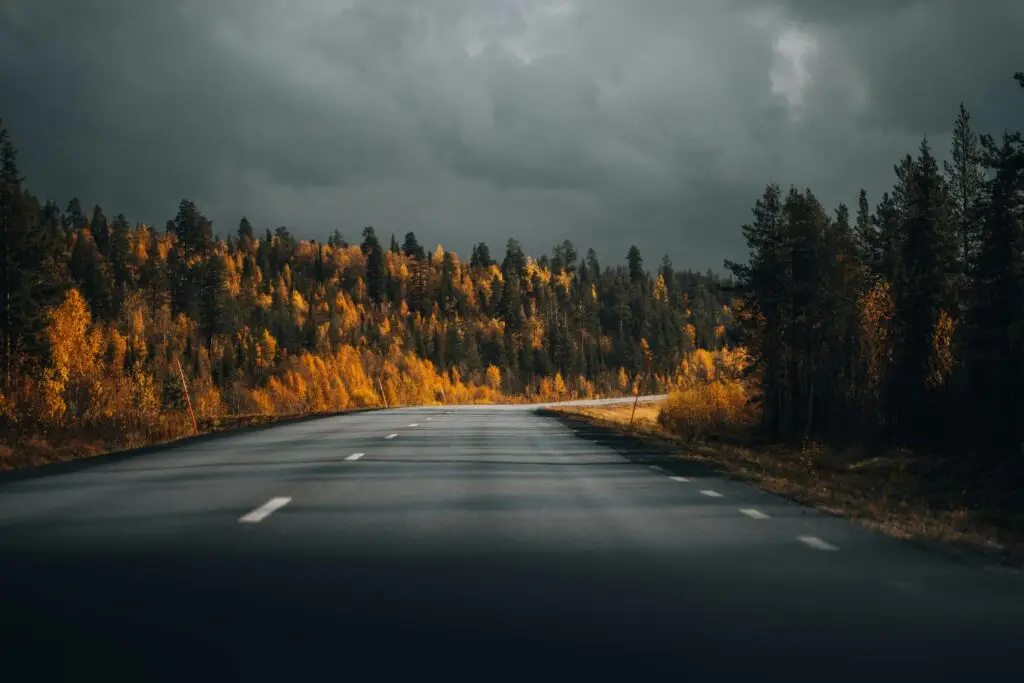
Then autumn arrives and wraps the forests in gold and fire. The light becomes softer, the days shorter, and lakes mirror copper-colored trees. It is the time for hiking, mushroom picking, and cozy evenings by the fireplace. Winter follows with its silence and purity. In Lapland, snow covers everything for months, and the night sky dances with the Aurora Borealis. In the south, cities glow with candles, markets, and Lucia celebrations. Spring brings a sudden burst of life — melting rivers, flowers in city parks, and festivals that celebrate the return of the sun.
To travel across Sweden through these seasons is to witness the rhythm of nature and the patience of people who have learned to live with it rather than against it.
Stockholm – A City Built on Water and Light
The capital of Sweden is not just a city but a mosaic of islands. Stockholm stretches across fourteen islands and dozens of bridges, surrounded by clear water and endless sky. It is elegant, clean, and alive with creativity. The old town, Gamla Stan, is a labyrinth of cobbled alleys and golden buildings, with the Royal Palace standing proud above the harbor. Here, history feels close: narrow streets open suddenly onto sunny squares where you can hear church bells echoing between pastel walls.
Yet only a few minutes away, the mood changes completely. The districts of Södermalm and Östermalm show the modern face of Stockholm — design shops, rooftop terraces, sleek architecture, and waterfront promenades filled with joggers and cyclists. The city’s museums reveal every layer of its identity: the Vasa Museum, where a seventeenth-century warship rests perfectly preserved; the ABBA Museum, celebrating Sweden’s musical legacy; and Skansen, the open-air museum where traditional houses and Nordic animals recreate the country’s rural past.
Stockholm’s beauty lies in how it breathes. Ferries connect the islands like veins of a living organism. In summer, people swim in the city center; in winter, they skate on frozen lakes. The air always smells of the sea, and the light — especially in the long twilight of summer nights — makes everything shimmer. Beyond the city lies the Stockholm Archipelago, more than thirty thousand islands where boats drift between rocky shores and wooden cabins stand hidden among pines. Spending a few days island-hopping there feels like stepping into a dream of Scandinavian simplicity.
Gothenburg – The Soul of the West
On the opposite coast, Gothenburg (Göteborg) is Sweden’s gateway to the Atlantic. Founded as a port in the seventeenth century, it still carries a maritime charm, but today it’s also a creative, youthful city with an easy-going energy. Its canals recall Amsterdam, its cafés buzz with conversation, and its seafood is legendary. Walking through the Haga district, you’ll pass bakeries offering kanelbullar the size of your palm, boutiques selling handmade crafts, and street musicians playing cheerful folk tunes.
The people of Gothenburg are known for their humor and warmth, perhaps because the sea has always taught them resilience. The city’s tramlines lead you from old shipyards turned into cultural spaces to green parks and art galleries. Liseberg amusement park is a local treasure, with roller coasters and lights glowing against the evening sky. The waterfront has become a place of innovation, where glass buildings reflect the waves and young entrepreneurs design the future.
Outside Gothenburg, the Bohuslän coast is one of the most breathtaking places in Scandinavia — a chain of granite islands, fishing villages, and harbors where red wooden cottages line the water. Places like Smögen, Marstrand, and Fjällbacka offer peace, salt air, and seafood so fresh it almost jumps off your plate. In summer, boats fill the harbors, kayaks slip through narrow straits, and sunsets turn the rocks pink. It is a place where you feel small but completely at home.
Malmö and the South
In the far south lies Malmö, connected to Denmark by the famous Øresund Bridge. Once industrial, the city has reinvented itself as a model of sustainability and design. The Turning Torso tower, twisting high above the skyline, symbolizes this transformation. Malmö is youthful, multicultural, and artistic, with open parks, beach promenades, and cyclists everywhere.
The surrounding region of Skåne is often called Sweden’s pantry. Rolling fields, apple orchards, and half-timbered villages stretch toward the sea. Towns like Lund, with its ancient university and cathedral, and Ystad, with cobbled streets straight from a fairytale, reveal the gentler side of Sweden. Skåne’s countryside is dotted with castles and manor houses, and the coastline hides endless sandy beaches where the sea is shallow and calm. This is where Sweden feels most European — fertile, historical, and deeply connected to the land.
The Heart of Sweden – Dalarna and the Lakes
Moving north from the fertile south, you reach Sweden’s emotional heart: Dalarna. This is where many of the country’s traditions originate — the red-painted houses, the wooden Dala horse, and the midsummer pole. Around Lake Siljan, rolling hills and small villages preserve the rhythm of rural life. In summer, fields fill with flowers and festivals; in winter, everything is covered by snow and silence.
Dalarna is also where Swedes come to find themselves. Families own cottages by the water, children learn to ski, and generations gather for midsummer. The lake reflects mountains and skies like a mirror, and the forests are endless. Hike through them, and you may not meet anyone for hours except for a moose crossing your path.
To the east lies Uppsala, one of Sweden’s oldest cities, known for its grand cathedral and historic university. It is a city of scholars, yet it also feels deeply spiritual. Long before Christianity, Vikings worshipped their gods here, and even today there’s something timeless about its streets and riverbanks.
Northern Sweden – The Call of the Arctic
The farther north you travel, the wilder Sweden becomes. The region of Norrland covers more than half the country but holds only a fraction of its people. It is a land of rivers, mountains, and tundra, stretching all the way to the Arctic Circle. Here, the sky itself becomes part of the experience. In winter, the Northern Lights weave green and violet curtains across the darkness. In summer, the sun never sets, and midnight feels like afternoon.
Lapland is the home of the Sámi people, whose culture dates back thousands of years. They live close to nature, following the migration of reindeer and maintaining traditions of song, craft, and storytelling. Visiting a Sámi village offers a glimpse of an ancient relationship between humans and the land — respectful, spiritual, and enduring.
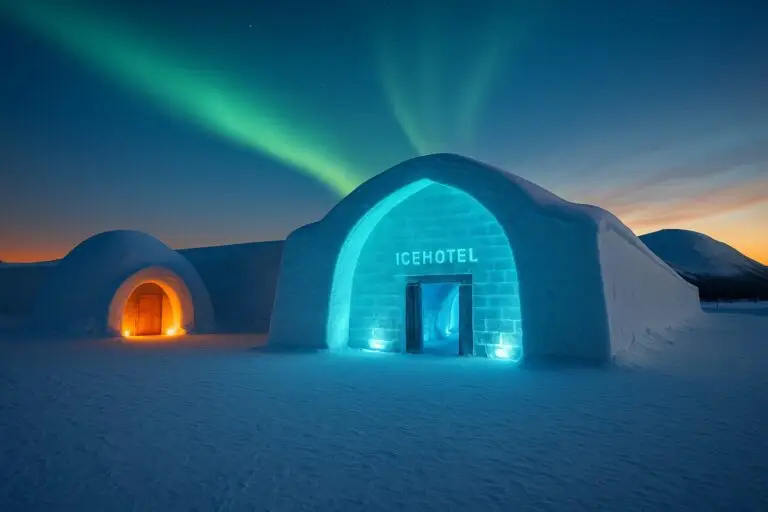
Kiruna, Sweden’s northernmost town, stands in a landscape of snow and silence. Each winter, the famous Icehotel in Jukkasjärvi is built anew from frozen blocks of the Torne River. Artists carve its walls and sculptures, and every suite becomes a work of art that melts back into the river in spring. Nearby, Abisko National Park is one of the best places on Earth to see the Aurora Borealis thanks to its clear skies and minimal light pollution. The Kungsleden trail — the King’s Trail — begins here and winds hundreds of kilometers through valleys, rivers, and mountains. It is one of Europe’s greatest wilderness hikes, a journey through raw and untouched nature.
Further west, near the Norwegian border, the mountains around Åre offer world-class skiing and snowboarding in winter and hiking and mountain biking in summer. The village itself is cozy, filled with log cabins, restaurants, and the smell of wood smoke.
Swedish Nature and the Right to Roam
Sweden’s greatest gift to its people and visitors is allemansrätten, the right of public access. It allows everyone to walk, camp, and explore almost anywhere, as long as they respect the environment. This freedom has shaped the Swedish soul — independent, calm, and close to nature. It means you can pitch a tent by a lake, pick berries in the forest, or paddle along a quiet river without fences or restrictions.
The country’s national parks — Sarek, Fulufjället, Tyresta, Padjelanta — protect some of the most pristine landscapes in Europe. Sarek, known as “Europe’s last wilderness,” has no roads, only glaciers, peaks, and rivers. It demands respect and preparation, but rewards with solitude and awe. Fulufjället is home to Sweden’s highest waterfall and a 9,500-year-old spruce tree, one of the oldest living organisms on Earth.
Wildlife is abundant: elk, reindeer, lynx, foxes, beavers, and even bears roam these forests. Birdwatchers come from around the world to see cranes, eagles, and owls. In the north, silence itself feels alive.
Culture, Design, and Way of Life
Sweden’s culture reflects its landscape — clean, balanced, and thoughtful. The idea of lagom defines everything: not too much, not too little. It appears in design, food, and daily life. Homes are filled with light and natural materials, cities are organized yet welcoming, and even fashion feels timeless.
Swedes value equality, education, and social trust. It is one of the safest and most progressive societies in the world, where people respect rules not out of fear but because they believe in fairness. Yet beneath this calm surface lies a deep creativity. Sweden produces global icons — from IKEA and Volvo to ABBA, Spotify, and H&M — that share a sense of simplicity and function.
The tradition of fika is perhaps the most Swedish ritual of all. It means taking a break to share coffee and something sweet with friends or colleagues, not for caffeine but for connection. It reminds everyone to slow down and appreciate small moments.
Swedish cuisine is rooted in the seasons and the land. Fish, potatoes, berries, mushrooms, and game meats form the base of many dishes. Pickled herring, gravlax, crispbread, and meatballs with lingonberry sauce are classics, but every region has its specialties. In coastal areas you find crayfish parties in August; in the north, reindeer stew and cloudberries; in the south, apple ciders and smoked fish.
Festivals and Traditions
Sweden celebrates the year’s turning points with style and joy. Midsummer, around June 21, is perhaps the most beloved festival. People gather outdoors, dance around the maypole, wear flower crowns, and feast on herring and strawberries. It is a celebration of light, fertility, and togetherness.
In December, Lucia brings candles and music to the darkness of winter. Children dressed in white sing traditional songs, and saffron buns fill the air with warmth. Christmas itself is cozy and family-centered, with wooden ornaments, glögg (spiced wine), and smorgasbord feasts. Easter and crayfish season are equally joyful, each marked by its own food and customs.
Sustainable Sweden
Sweden has long been a pioneer in environmental consciousness. The country aims to become carbon-neutral and leads the world in renewable energy and recycling. Cities are clean, green, and designed for walking and cycling. Public transport runs on biofuels, and even luxury hotels follow eco-standards.
For travelers, this makes Sweden one of the easiest countries to explore sustainably. You can travel by train from Copenhagen to Kiruna, stay in eco-lodges powered by wind and water, and eat locally sourced food everywhere. The respect for nature is not a trend here — it is a way of life that dates back centuries.
Exploring Sweden’s Islands
Beyond the mainland, Sweden’s islands offer some of its most magical scenery. Gotland, in the Baltic Sea, feels like a world of its own — medieval towns, limestone cliffs, wild beaches, and ancient ruins. Its main city, Visby, is surrounded by walls and towers that whisper stories of the Hanseatic era. In summer, the island blooms with lavender fields and art festivals.
Öland, connected to the mainland by a bridge, is flatter and sunnier. Its meadows and windmills create a pastoral charm, and its royal summer palace, Solliden, draws visitors from across the country. Along the west coast, hundreds of small islands form archipelagos where sailing is a national passion. Each one offers a different slice of paradise — a red cottage on a rock, a lighthouse on a cliff, or a quiet beach where the only sound is the sea.
A Journey from South to North
To understand Sweden fully, imagine traveling the country from bottom to top — a journey of over two thousand kilometers through every climate and mood. You begin in Skåne, among fields and orchards, where the light feels soft and European. Driving north, you pass lakes and forests, cross small towns like Jönköping and Örebro, and reach Stockholm, a city of bridges and reflections. Then come the heartlands, where Dalarna’s red cottages and blue lakes feel eternal. Further north, the land widens, the forests deepen, and the air grows clearer. When you finally reach Lapland, under the endless sky, you feel the pulse of the Earth itself — slow, quiet, and ancient.
It is this contrast that makes Sweden so fascinating. You can wake up by the sea, drive through forests, and fall asleep beneath the northern lights — all within one country that never loses its sense of peace.
Why Sweden Stays With You
Sweden does not overwhelm the senses; it invites you to notice. The way light filters through birch leaves, the scent of pine after rain, the sound of a train crossing a lake at dusk — these are small things, yet they define the experience. It is a country that teaches presence, simplicity, and respect.
When you leave Sweden, you carry with you not just memories of landscapes but of a feeling: clarity, calm, and connection. Whether you wandered through Stockholm’s islands, hiked the trails of Abisko, or simply shared coffee and silence with a local by the fire, you will remember the sense of balance that defines this northern land.
Sweden is not a destination to rush through; it is a place to feel, to breathe, to live in harmony with the moment. The farther you travel across it, the closer you come to understanding why its people, its design, and its nature all share the same quiet confidence.
It is, in the end, a reminder that beauty does not need to shout to be eternal.
 Related Articles
- Kakslauttanen Arctic Resort
- Top 10 Most Unique Places to Stay in Europe
- 10 Incredible Castles Around the World
Grid
Top 15 Winter BucketList Experiences You Must Try Before You Die
Best Places to See the Northern Lights